
Atorvastatin (Australia) — Patient-Friendly Medicine Information
Atorvastatin is a widely used medicine for lowering cholesterol and reducing the risk of heart and blood vessel problems. This guide explains how it works, how to take it safely, what to expect, and when to seek advice. It is written for people in Australia who may be considering or already using atorvastatin.
Basic product information
- Generic name: Atorvastatin
- Medicine class: Statin (HMG-CoA reductase inhibitor)
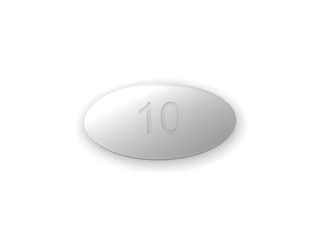
- Common strengths (examples): 10 mg, 20 mg, 40 mg, 80 mg tablets (strength varies by brand)
- How it is usually taken: By mouth, once daily (dose depends on your condition)
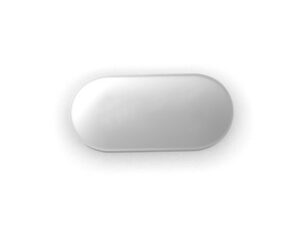
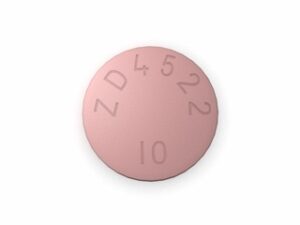
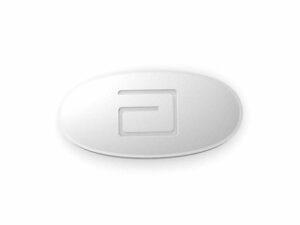
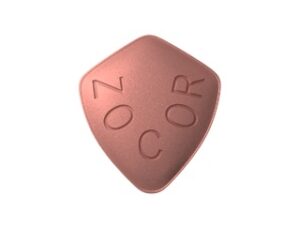
- Typical formulation: Film-coated tablets
Atorvastatin helps lower cholesterol carried in the blood—especially LDL (low-density lipoprotein) cholesterol, often called “bad cholesterol”—and can also lower triglycerides and raise HDL modestly.
How atorvastatin works (mechanism of action)
Atorvastatin belongs to the statin group. It works by blocking an important liver enzyme: HMG-CoA reductase.
- When this enzyme is inhibited, the liver produces less cholesterol.
- The liver then increases the number of LDL receptors on its surface.
- As a result, more LDL cholesterol is removed from the bloodstream.
- Statins also have stabilising effects on plaques inside blood vessels, which may contribute to reduced risk of heart attack and stroke.
The effect builds over time. Many people will see meaningful cholesterol reductions within a few weeks, with maximum benefit often seen by around 4–6 weeks (your clinician may tailor timing to your situation).
Pharmacokinetics (how the body handles it)
Understanding basic pharmacology can help you take atorvastatin correctly.
| Topic | What to know |
|---|---|
| Absorption | Atorvastatin is absorbed after oral dosing; absorption can be increased with certain foods (see “Food interactions”). |
| Distribution | It is taken up by tissues and circulates in the blood bound to proteins. |
| Metabolism | Primarily metabolised in the liver by the CYP3A4 enzyme system. |
| Elimination | Metabolites are mainly cleared via the bile into the faeces. |
| Half-life | Atorvastatin and its active effects persist longer than the time it takes for the original drug level to fall, supporting once-daily dosing for many people. |
Because metabolism involves liver enzymes, drug interactions are important. Medicines that strongly affect CYP3A4 may require extra caution.
Typical uses (indications)
Atorvastatin is used for cholesterol management and cardiovascular risk reduction. It may be prescribed for:
- High cholesterol: e.g., elevated LDL cholesterol and/or triglycerides.
- Mixed dyslipidaemia: when multiple cholesterol-related numbers are abnormal.
- Familial hypercholesterolaemia: inherited conditions with very high LDL cholesterol.
- Prevention of cardiovascular events: for people at increased risk of heart attack and stroke, including those with existing cardiovascular disease.
Your treatment plan will depend on your cholesterol results, age, other risk factors (such as smoking, diabetes, high blood pressure), and your overall cardiovascular history.
Who may benefit
Atorvastatin is often recommended when lifestyle changes alone are not enough, or when cardiovascular risk is high enough that medication provides an additional benefit. Common scenarios include:
- Adults with LDL cholesterol above target despite diet and exercise
- People with established coronary artery disease, stroke, or peripheral arterial disease
- Those with diabetes and additional risk factors
- People with inherited lipid disorders (e.g., familial hypercholesterolaemia)
Timing: when and how to take atorvastatin
Atorvastatin is typically taken once daily. Many people take it at any consistent time of day. Unlike some older statins, atorvastatin does not usually require night-time dosing—however, follow the directions provided for your specific product.
Practical timing guidance
- Choose a routine: Take it at the same time each day to improve consistency.
- With or without food: Atorvastatin can usually be taken with or without meals (see “Food interactions” for important exceptions).
- If you miss a dose: Take it when you remember on the same day. If it is almost time for the next dose, skip the missed dose and continue as normal. Do not take a double dose.
Food interactions
Most meals do not cause major problems. However, certain foods and drinks can change atorvastatin levels or increase side-effect risk.
Foods/drinks to be cautious about
- Grapefruit (and grapefruit juice): Grapefruit can increase atorvastatin exposure because it affects CYP3A4 activity. This may raise the risk of side effects like muscle-related problems.
- Alcohol with caution: See the “Alcohol interactions” section below.
General advice
- It’s usually safest to avoid grapefruit products unless your clinician advises otherwise.
- If your diet changes significantly, tell your healthcare professional, especially if you notice new symptoms.
Alcohol and medicine interactions
Alcohol can affect the liver and may worsen risk when combined with medicines that influence liver function. Atorvastatin is metabolised in the liver, so moderation and awareness of symptoms are important.
Alcohol guidance
- Moderate use is often acceptable for many people, but avoid heavy drinking.
- Avoid binge drinking and seek advice if you drink regularly or heavily.
- If you develop symptoms such as unusual tiredness, upper abdominal pain, dark urine, or yellowing of the skin/eyes, seek prompt medical advice.
Medicine interactions (key categories)
Atorvastatin is metabolised by CYP3A4. Medicines that inhibit or induce this pathway can change atorvastatin levels. Some interactions may require dose adjustments or extra monitoring.
- Strong CYP3A4 inhibitors (examples include some antifungals and certain antibiotics) may increase atorvastatin exposure.
- Other lipid-lowering medicines such as fibrates (e.g., gemfibrozil or fenofibrate) may increase the risk of muscle-related side effects.
- Some antivirals used for HIV or hepatitis may interact.
- Cyclosporine may increase exposure.
- Digoxin levels can be affected in some cases—monitoring may be needed.
- Warfarin and similar medicines: the effect on blood clotting tests may be altered, requiring closer monitoring when starting or changing doses.
Always tell a pharmacist or doctor about all medicines you use, including over-the-counter products, vitamins, and herbal supplements.
Dosing: what is typical?
Doses vary depending on the condition being treated, your baseline cholesterol levels, cardiovascular risk, age, and other medical factors. Your clinician may start at a lower dose and adjust based on cholesterol test results and tolerability.
Common dosing patterns
- Adults: commonly start at a low to moderate dose, then adjust upward if needed to reach LDL cholesterol targets.
- Higher-risk situations: may use a stronger dose depending on the goal (for example, to achieve substantial LDL lowering).
- Children/adolescents (where applicable): dosing is determined by specialist guidance and weight/clinical factors.
How dose changes are decided
- Cholesterol monitoring: typically performed after starting or changing the dose (often around 4–12 weeks, depending on local practice).
- Side effects: if muscle symptoms occur or liver enzymes rise, the plan may change.
- Concomitant medicines: interactions may limit dose choices.
To get the best benefit, take the prescribed amount consistently and attend follow-up blood tests.
Safety profile: what to know
Most people tolerate atorvastatin well. However, like all medicines, it can cause side effects in some individuals. Being informed helps you recognise problems early.
Common side effects
- Mild digestive symptoms (such as nausea, constipation, or mild stomach upset)
- Headache
- Muscle aches may occur, though serious muscle injury is uncommon
Important potential risks (seek advice promptly)
- Muscle problems: Look out for muscle pain, weakness, tenderness, or cramps—especially if accompanied by fever or feeling unwell. Rarely, statins can cause a serious muscle condition (rhabdomyolysis).
- Liver effects: Statins can rarely affect liver function. Symptoms to watch for include yellowing of the eyes/skin, dark urine, severe fatigue, or persistent upper abdominal pain.
- Allergic reactions: Swelling of the face/lips, rash, breathing difficulty, or severe itching should be treated as urgent.
Who needs extra care
- Older adults or those with multiple medications
- People with liver disease or a history of abnormal liver blood tests
- People with kidney problems (dose decisions and monitoring may be more cautious)
- Those using interacting medicines (especially strong CYP3A4 inhibitors or combinations increasing muscle risk)
Practical use tips for everyday life
- Keep a consistent routine: Use a daily alarm if needed.
- Know what “normal” feels like: Mild, transient muscle soreness can happen for many reasons. If symptoms are new, worsening, or severe, contact a healthcare professional.
- Hydration and exercise: If you exercise more than usual after starting a statin, gradually increase intensity and stop if you develop significant muscle pain.
- Regular blood tests: Follow your clinician’s plan for cholesterol and liver tests as appropriate.
- Do not stop suddenly without advice: Stopping can reduce cholesterol-lowering effect and may increase cardiovascular risk.
- Review medicines regularly: At each new prescription (and for OTC medicines), ask about interactions with atorvastatin.
Alternative options (if atorvastatin is not suitable)
If atorvastatin is not tolerated or does not achieve the desired cholesterol lowering, there are several alternatives. The best choice depends on your lipid results, medical history, and interaction risks.
Statin alternatives
- Other statins: e.g., rosuvastatin, simvastatin, pravastatin, fluvastatin (selection depends on risk of interactions and desired LDL lowering).
Non-statin cholesterol-lowering options
- Ezetimibe: helps reduce cholesterol absorption in the gut.
- PCSK9 inhibitors: injectable medicines for high-risk patients, often used when LDL targets aren’t met.
- Bile acid sequestrants (selected cases): may be used in some people.
- Fibrates or omega-3 fatty acids: mainly used for triglyceride lowering (choice depends on overall risk and other medicines).
If you’re concerned about side effects, discuss options rather than stopping on your own.
Market and legal context for Australia
In Australia, atorvastatin products are commonly available through the pharmacy supply chain. Medicines are regulated by the Therapeutic Goods Administration (TGA), and the listing/availability depends on brand, strength, and the specific product’s registration status.
In general, cholesterol-lowering therapy aligns with Australian cardiovascular prevention practice and is guided by clinical assessment and follow-up testing. Many statins are widely prescribed and have extensive real-world experience.
Recent guidance and practice trends
- Australian cardiovascular prevention commonly emphasises risk-based treatment: decisions depend on overall cardiovascular risk, not only cholesterol levels.
- Ongoing emphasis on shared decision-making: clinicians discuss benefits, side effects, lifestyle changes, and treatment goals.
- Monitoring approaches may include periodic checks of cholesterol and—when relevant—liver function, along with attention to muscle symptoms.
- Lifestyle changes (diet quality, physical activity, stopping smoking, weight management) remain a core component alongside medication where appropriate.
For the most current national recommendations, clinicians typically refer to guidance from Australian medical bodies and pathology/lipid management standards.
Delivery and availability
Atorvastatin is a commonly used medicine and is typically available through Australian pharmacies. Availability may vary by brand and tablet strength, so it’s best to check the exact product you want in the store listing.
Delivery (general information)
- Delivery options and timeframes vary by supplier and location.
- Orders are usually dispatched once stock is confirmed and any required checks are completed.
- Store listings typically include estimated delivery windows.
What to check before ordering
- The correct strength (mg)
- The form (tablet type/brand)
- Your preferred delivery address and any access instructions
If you need urgent therapy, contact customer support to confirm dispatch and delivery timing.
Safety FAQ (Frequently Asked Questions)
1) Can I take atorvastatin with food?
Yes. Atorvastatin can generally be taken with or without food. Choose a time that fits your routine.
2) Should I avoid grapefruit?
It’s generally recommended to avoid grapefruit (including grapefruit juice) because it can increase atorvastatin exposure and potentially raise the risk of side effects.
3) What if I forget a dose?
Take it when you remember on the same day. If it is close to the next scheduled dose, skip the missed dose and continue as usual. Do not take a double dose.
4) What cholesterol changes should I expect?
Many people see a meaningful LDL reduction within the first few weeks. Your clinician will usually monitor with a blood test after starting or adjusting the dose to confirm results.
5) How long do I need to take atorvastatin?
For many people, atorvastatin is a long-term treatment to reduce cardiovascular risk. The right duration depends on your health profile and treatment goals, which are reviewed over time.
6) Are muscle aches normal?
Some mild aches can occur for many reasons, including exercise or unrelated conditions. However, if muscle pain is severe, persistent, involves weakness, or is accompanied by feeling unwell or fever, seek medical advice promptly.
7) Can I drink alcohol while taking atorvastatin?
Moderate alcohol may be acceptable for many people, but avoid heavy or binge drinking. If you drink regularly or have liver concerns, ask a healthcare professional for personalised advice.
8) Which medicines commonly interact with atorvastatin?
Interactions may occur with medicines that affect CYP3A4 (including some antifungals, antibiotics, antivirals), fibrates, cyclosporine, and some medicines used for clotting or heart rhythm. Always provide your full medication list to a pharmacist for interaction checking.
9) Will atorvastatin affect my liver?
Liver effects are uncommon but can occur. Your clinician may monitor liver blood tests in certain situations. Contact a healthcare professional urgently if you notice symptoms suggestive of liver problems (yellowing of eyes/skin, dark urine, significant fatigue, or severe abdominal pain).
10) What if I have side effects—should I stop?
Don’t stop suddenly without advice. Discuss symptoms with a pharmacist or clinician. They may check interactions, adjust the dose, or consider an alternative approach.
When to seek urgent medical help
Get urgent help if you experience:
- Signs of an allergic reaction (swelling of face/lips, rash with breathing difficulty)
- Severe muscle pain with weakness and feeling unwell
- Yellowing of skin or eyes, dark urine, or severe persistent abdominal pain
- Unexplained high fever with severe symptoms
Summary
Atorvastatin is a statin medicine used to lower LDL cholesterol and reduce cardiovascular risk in suitable patients. It works by reducing cholesterol production in the liver and increasing LDL clearance from the bloodstream. For many people, once-daily dosing is straightforward, and results become measurable within weeks. However, it’s important to be mindful of interactions (especially grapefruit and certain medicines), alcohol moderation, and the early recognition of muscle or liver-related symptoms.
If you’d like, share your current medications and health conditions with a pharmacist to help check interaction risks and support safe use.