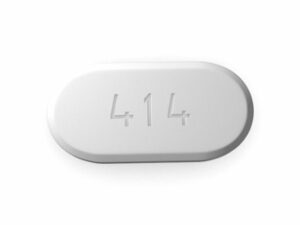
Crestor (Rosuvastatin) – Patient Guide (Australia)
Crestor is a brand of rosuvastatin, a medicine used to lower cholesterol and reduce cardiovascular risk. It belongs to a group of medicines called statins. This guide explains how Crestor works, how it’s typically used, important safety information, common interactions, and practical tips—written to be patient-friendly for an Australian audience.
Quick Facts
- Active ingredient: Rosuvastatin
- Type of medicine: Statin (cholesterol-lowering)
- Primary uses: Lowering LDL (“bad”) cholesterol, triglycerides, and supporting prevention of heart attack and stroke in suitable patients
- How it’s taken: Usually once daily, at any time of day (same time each day)
- Common side effects: Muscle aches, mild digestive upset, headache (most people tolerate it well)
- Monitoring: Lipid levels and sometimes liver blood tests; muscle symptoms should be assessed promptly
Basic Product Information
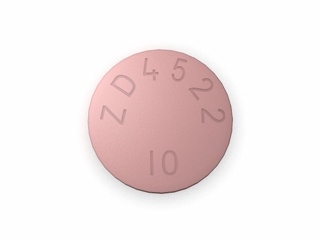
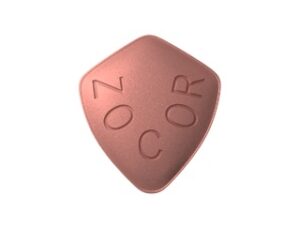
Crestor (rosuvastatin) comes in different strengths (for example, 5 mg, 10 mg, 20 mg, and sometimes 40 mg depending on availability and clinical decision). Your dosing strength and target levels should be individualised based on your cholesterol results and overall cardiovascular risk.
In Australia, rosuvastatin is an established medicine. Brand availability and pack sizes can vary by supplier. Your pharmacist can confirm the exact product strength you are purchasing and advise on how to take it.
How Crestor Works (Mechanism of Action)
Rosuvastatin lowers cholesterol primarily by decreasing cholesterol production in the liver.
- Reduces liver cholesterol synthesis: Rosuvastatin inhibits an enzyme called HMG-CoA reductase (a key step in cholesterol production).
- Increases LDL “clearance”: The liver increases LDL receptor activity, which pulls LDL cholesterol out of the bloodstream.
- Improves lipid profile: It can reduce LDL cholesterol and triglycerides and may modestly raise HDL (“good”) cholesterol.
By lowering atherogenic cholesterol levels and improving the lipid environment, Crestor helps reduce the likelihood of cardiovascular events such as heart attack and stroke in appropriate patients.
Pharmacokinetics (How the Body Handles It)
Understanding how a medicine behaves in the body can help with timing and interaction planning.
- Absorption: Rosuvastatin is absorbed after oral dosing. Food can affect exposure for some statins, and while the clinical significance varies, consistent use is important.
- Distribution: It is distributed throughout the body and mainly acts in the liver.
- Metabolism: Rosuvastatin is partly metabolised by liver pathways; a major portion is cleared without extensive metabolism compared with some other statins.
- Elimination: It is eliminated through biliary (into bile) and renal routes (via urine) depending on the specific pathway.
- Half-life: It has a duration that supports once-daily dosing for most patients.
Practical implication: Because the drug acts over a full day, taking it once daily at a consistent time helps maintain steady cholesterol-lowering effect.
Typical Use in Australia
Crestor is used for two main purposes:
- Cholesterol management: To lower LDL cholesterol and related lipid abnormalities.
- Cardiovascular risk reduction: For people at increased risk of cardiovascular disease, especially where lifestyle measures alone are not sufficient.
In Australia, statin therapy is commonly integrated into broader cardiovascular prevention plans that include:
- Heart-healthy diet
- Regular physical activity
- Smoking cessation
- Blood pressure management
- Diabetes management where relevant
- Weight management
Indications (When Crestor May Be Used)
Common indications for rosuvastatin include:
- Primary hypercholesterolaemia (high LDL cholesterol)
- Mixed dyslipidaemia (elevated LDL and triglycerides)
- Familial hypercholesterolaemia (an inherited condition causing high cholesterol)
- Prevention of cardiovascular events in appropriate higher-risk patients, as determined by clinician assessment
Eligibility depends on your lipid results, age, medical history (including prior heart attack or stroke), and other risk factors.
Dosing: How Much and How Often
Dosing varies depending on your condition, baseline cholesterol, cardiovascular risk, and tolerance. A clinician typically chooses the starting dose and may adjust it after follow-up blood tests.
Typical dosing pattern
- Once daily: Rosuvastatin is usually taken once per day.
- Strength: Common strengths include 5 mg, 10 mg, 20 mg, and higher strengths in selected patients.
- Titration: Dose increases are often gradual, guided by LDL cholesterol response and side effects.
When to take your dose
You can generally take Crestor at any time of day. Choose a time you can remember and keep it consistent. Many people take it in the evening, but morning dosing is also acceptable if that’s easier for you.
If you miss a dose: Take it when you remember unless it is close to the next scheduled dose. If it’s nearly time for the next dose, skip the missed dose and resume your usual schedule. Do not take a double dose.
Timing, Consistency, and Follow-up
Statins work best when taken regularly. Cholesterol reductions build over days to weeks.
- Expected timing of effect: Lipid levels often improve within the first few weeks.
- Follow-up tests: Blood tests may be repeated after an appropriate interval to check response and safety.
- Lifestyle continues: Diet and activity are still essential; Crestor supports, rather than replaces, lifestyle measures.
Food Interactions and What to Eat or Avoid
Food can influence absorption of some medicines. For rosuvastatin, it’s usually safe to take with or without food, but you should aim for consistent routine.
- General advice: Take Crestor the way you’ve been instructed, with or without food.
- Consistency matters: If you take it with food, continue taking it with food; if you take it on an empty stomach, keep that pattern.
- High-fat meals: Some statins are affected by meal timing; if you notice stomach upset or altered tolerance, discuss with your pharmacist.
Note on grapefruit: Grapefruit is more strongly linked with certain other statins. Rosuvastatin has fewer grapefruit-related issues than some alternatives, but you should still follow personalised advice from your pharmacist if you consume grapefruit regularly.
Alcohol: How it May Affect Safety
Alcohol can affect liver health, and statins are processed by the liver. While light to moderate alcohol use may be tolerated by many people, alcohol intake can increase the risk of liver-related side effects in some individuals.
- Moderation: If you drink alcohol, keep it moderate and consistent.
- Avoid heavy drinking: Binge or heavy alcohol intake can increase risk, particularly if you have liver disease.
- Report symptoms: If you develop unusual tiredness, abdominal pain (especially upper right), dark urine, or yellowing of skin/eyes, seek medical advice promptly.
Medicine Interactions (Important)
Interactions can increase the chance of side effects, including muscle problems or liver enzyme changes. Tell your pharmacist about all medicines and supplements you take, including:
- Prescription medicines
- Over-the-counter products
- Herbal supplements (for example, certain products marketed for “cholesterol support”)
- Vitamins and minerals
Key interaction categories relevant to rosuvastatin include:
1) Certain lipid-lowering medicines
- Fibrates (e.g., gemfibrozil, fenofibrate): may increase risk of muscle-related side effects when combined with statins. Dose adjustments or extra monitoring may be needed.
- Ezetimibe: commonly used together in some patients; monitoring remains important but the combination is often used clinically.
2) Medicines that affect transporters or metabolism
- Some medicines can increase rosuvastatin blood levels by influencing liver transporters or metabolic pathways.
- Examples of medicines that may be involved include certain antiviral medicines, antibiotics, antifungals, and other drugs that strongly affect those pathways.
3) Anticoagulants (blood thinners)
- Most statins have specific interaction patterns with anticoagulants like warfarin; your INR may require closer monitoring if used together.
4) Practical advice for interactions
- Don’t start/stop medicines without checking first.
- Use one pharmacy when possible so medication histories are consistent.
- Ask about supplements—“natural” products can still interact.
Action if you notice side effects: If you experience muscle pain, weakness, or dark urine, seek prompt advice. These can be warning signs of a rare serious muscle condition.
Safety Profile: Side Effects and When to Seek Help
Most people tolerate rosuvastatin well. However, it’s important to know what to expect and what requires urgent attention.
Common or mild side effects
- Muscle aches or mild tenderness
- Headache
- Stomach upset (nausea, constipation, or diarrhoea)
- Increased liver enzymes detected on blood tests (often without symptoms)
Serious but less common risks
- Muscle injury (myopathy) and rare severe muscle breakdown: risk is increased by higher doses and certain interacting medicines or medical conditions.
- Liver problems: Rare. More likely if you already have liver disease or consume excessive alcohol.
- Allergic reactions: Seek urgent help if you develop swelling, rash with breathing difficulty, or severe skin reactions.
- New onset diabetes risk: Statins can slightly increase the risk of developing diabetes in some people, particularly those already at higher risk. This is weighed against cardiovascular benefits.
When to contact a healthcare professional urgently
- Severe or persistent muscle pain, weakness, or cramping—especially if accompanied by fever or feeling unwell
- Dark urine (tea-coloured)
- Yellowing of the skin/eyes, severe abdominal pain, or persistent vomiting
- Signs of an allergic reaction (swelling of face/lips, difficulty breathing)
Practical Use Tips (How to Get the Best Results)
- Take it daily: Cholesterol lowering depends on steady use.
- Keep lifestyle on track: A heart-healthy diet and exercise enhance benefits.
- Know your target: Ask your pharmacist or doctor what lipid results you’re aiming for (e.g., LDL reduction).
- Stay consistent with timing: Choose a routine you can maintain.
- Hydration and exercise: Light stretching and staying hydrated may help if you notice mild muscle soreness.
- Report symptoms early: Muscle symptoms should be discussed promptly rather than waiting.
- Medication review: Review your full list of medicines and supplements at least annually or whenever something changes.
Who Should Be Extra Careful?
Some people may need dose adjustments or additional monitoring. Extra caution is often needed if you have:
- Kidney problems
- Liver disease or persistent elevated liver enzymes
- History of statin-associated muscle problems
- Hypothyroidism that isn’t controlled (muscle symptoms can be more likely)
- Older age or low body weight
- Multiple medicines with potential interactions
Your pharmacist can help identify potential risks based on your background information.
Alternative Options (If Crestor Isn’t Suitable)
There are several cholesterol-lowering options. The best choice depends on your lipid pattern, risk level, tolerability, and interactions.
Other statins
- Atorvastatin
- Simvastatin
- Pravastatin
- Pitavastatin
Non-statin options
- Ezetimibe: reduces cholesterol absorption in the gut
- Bempedoic acid (where available): targets cholesterol production pathways
- PCSK9 inhibitors: injectable medicines for selected higher-risk patients
- Fibrates: mainly for high triglycerides in particular circumstances
- Omega-3 fatty acids: may be considered for triglyceride lowering in suitable patients
If you experience side effects or don’t reach targets, your clinician may switch statin type, adjust the dose, or add another lipid-lowering medicine.
Market and Legal Context for Australia (General Overview)
In Australia, rosuvastatin is an established medicine used to support lipid management and cardiovascular prevention. Medicines classification and supply requirements may differ depending on the product form and strength.
Online pharmacy suppliers typically operate under Australian pharmaceutical regulations and safety requirements, which may include:
- Verified customer and medication details
- Pharmacist review processes
- Clear labelling, dosing instructions, and consumer medicines information access
- Compliance with storage and shipping conditions
Availability and specific supply rules can vary, so always ensure the product is sourced from a reputable Australian supplier.
Recent Guidance and Clinical Considerations (High-Level)
Australian lipid management and cardiovascular prevention guidance typically emphasises:
- Assessing cardiovascular risk and lipid profile before starting therapy
- Using statins as part of a comprehensive approach that includes lifestyle modification
- Monitoring response and safety after dose initiation or changes
- Individualising therapy based on tolerance and risk factors
Because guidance can evolve, your pharmacist may recommend checking the most current information relevant to your situation, especially if you have multiple medical conditions or take interacting medicines.
Delivery, Availability, and What You’ll Receive
Online pharmacies in Australia generally aim to deliver rosuvastatin products in secure packaging with clear labelling. Delivery times depend on your location and supplier workflow.
When ordering online
- Check strength and formulation: Confirm the mg strength matches what you need.
- Confirm quantity: Ensure the pack size aligns with your intended duration of therapy.
- Review storage instructions: Store as directed on the packaging (generally cool, dry conditions away from sunlight).
- Keep the package: Retain labels and documentation for future reference.
Availability
Crestor strengths may vary by supplier and demand. If a particular strength is temporarily unavailable, your pharmacist may suggest the closest alternative equivalent option or advise on restocking timelines.
FAQ – Crestor (Rosuvastatin)
1) What is Crestor used for?
Crestor is used to lower LDL cholesterol and triglycerides and to reduce the risk of cardiovascular events in appropriate patients as determined by clinical assessment. It works alongside diet, exercise, and other risk-reduction strategies.
2) How long does it take to work?
Cholesterol levels typically start improving within the first few weeks. Your clinician/pharmacist may arrange follow-up blood tests to confirm how well you’re responding after starting or changing the dose.
3) What’s the best time to take my dose?
Most people can take rosuvastatin once daily at any time of day. Choose a time that suits your routine and take it consistently. If you’re unsure, ask your pharmacist.
4) Can I take Crestor with food?
It’s generally possible to take rosuvastatin with or without food. Consistency is key—try to take it the same way each day.
5) Are there foods I should avoid?
There are no universal strict food restrictions for rosuvastatin. However, maintaining a heart-healthy diet is strongly recommended. If you consume grapefruit or very high amounts of alcohol, discuss this with your pharmacist.
6) Can I drink alcohol while on Crestor?
Moderate alcohol may be acceptable for many people, but heavy drinking can increase liver-related risk. If you have liver disease or frequent heavy alcohol intake, seek personalised advice.
7) What should I do if I miss a dose?
Take it when you remember unless it’s close to the time of your next dose. Don’t take a double dose. Resume your usual schedule.
8) What side effects are most common?
Common side effects include muscle aches, headache, and mild digestive symptoms. Blood tests may show changes in liver enzymes in some people.
9) What symptoms could indicate a serious problem?
Contact a healthcare professional promptly if you have severe muscle pain or weakness, dark urine, yellowing of skin/eyes, or signs of a serious allergic reaction.
10) Can I take other medicines with Crestor?
Some medicines and supplements can interact with rosuvastatin and increase the risk of side effects. It’s important to tell your pharmacist about everything you take, including over-the-counter and herbal products.
11) Are there alternatives if I can’t tolerate rosuvastatin?
Yes. Alternatives include other statins or non-statin cholesterol-lowering medicines. Your clinician may adjust the dose, switch statin type, or add another therapy.
12) Will Crestor cure my cholesterol problem?
No medicine “cures” cholesterol permanently. Crestor helps control cholesterol levels while you take it. Ongoing lifestyle measures remain important.
Summary
Crestor (rosuvastatin) is an effective statin medicine used to lower cholesterol and reduce cardiovascular risk for suitable patients. It works by decreasing cholesterol production in the liver and increasing LDL clearance. Most people take it once daily and tolerate it well, but you should be aware of potential side effects—especially muscle symptoms—and important interactions with other medicines.
For the safest and most effective use, follow the dosing advice provided with your product, keep a consistent routine, and speak with your pharmacist about your individual medicines, health conditions, and any symptoms you experience.
| Aspect | What to Know |
|---|---|
| Medicine | Crestor (Rosuvastatin) |
| Purpose | Lowers LDL cholesterol and supports prevention of cardiovascular events |
| How it works | Statin: inhibits HMG-CoA reductase, increases liver LDL receptor activity |
| How to take | Once daily; same time each day; with or without food |
| Food interactions | Generally food is acceptable; consistency is recommended |
| Alcohol | Moderation advised; heavy use can increase liver-related risk |
| Key interactions | Certain lipid-lowering medicines, anticoagulants, and medicines that raise rosuvastatin levels |
| Safety watch-outs | Muscle pain/weakness, dark urine, liver-related symptoms—seek prompt advice |