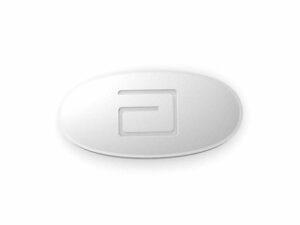
Lopid (Gemfibrozil) – Patient Information (Australia)
Lopid is a brand of gemfibrozil, a medicine used to help manage certain types of abnormal blood fats (lipids), particularly high triglycerides. It is commonly prescribed as part of a broader approach that also includes diet, weight management, exercise, and reducing alcohol intake when appropriate.
This page provides patient-friendly information about how Lopid works, how it is taken, what to watch for, and how it fits into lipid management in Australia.
Quick facts
- Active ingredient: Gemfibrozil
- Brand: Lopid
- Main use: Helps lower triglycerides and improve lipid profiles
- Common dosing timing: Usually taken 15–30 minutes before meals (exact schedule depends on your individual regimen)
- Important cautions: Interactions with several medicines (including some cholesterol medicines) and increased risk of muscle injury when combined with certain drugs
- Not a substitute for lifestyle changes: Diet and exercise remain central to treatment
Basic product information
What is Lopid?
Lopid contains gemfibrozil, a fibrate-class lipid-lowering medicine. Fibrates primarily target excess triglycerides and can influence cholesterol levels as well.
What forms are available?
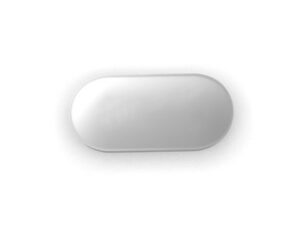
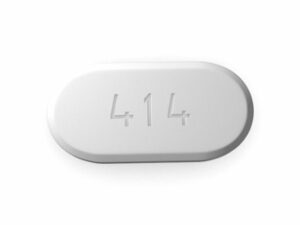
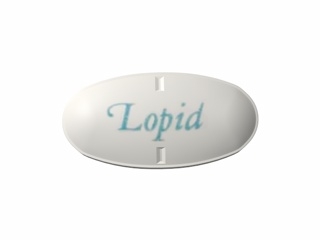
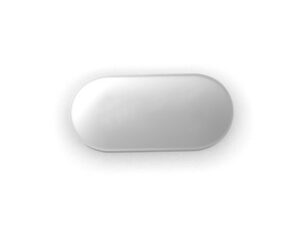
Lopid is typically supplied as oral tablets in multiple strengths (availability may vary by supplier). Your pharmacist can confirm the strength and appearance of the product you receive.
Who makes and distributes it?
In Australia, Lopid is marketed and supplied through established pharmaceutical distribution channels. Your treating health professional can advise on brands or alternatives if supply changes.
How Lopid works (mechanism of action)
Lopid (gemfibrozil) helps manage lipid levels mainly by affecting how the body produces and clears fats:
- Reduces triglyceride production in the liver
- Increases the breakdown of triglyceride-rich particles
- Enhances removal of fats from the bloodstream (indirectly by influencing enzymes involved in lipid metabolism)
- May modestly raise HDL (“good” cholesterol) depending on baseline levels
- May lower VLDL, a cholesterol-carrying lipoprotein that is closely linked to triglycerides
Important: Lopid is most beneficial for people with raised triglycerides. It is not usually the first choice for isolated mild cholesterol elevation; other treatments may be preferred depending on your lipid pattern and overall risk.
Pharmacokinetics (what the body does to the medicine)
Understanding pharmacokinetics can help you take the medicine correctly.
- Absorption: Gemfibrozil is absorbed after oral dosing. Taking it before food is commonly recommended for consistent absorption.
- Peak levels: Blood concentrations typically rise within a few hours after a dose (timing can vary by individual).
- Distribution: The drug distributes into body tissues and fluids.
- Metabolism: It is processed mainly by the liver (metabolism involves enzymatic pathways).
- Elimination: Metabolites are eliminated primarily through urine and partly via bile. The dosing interval is guided by how long the medicine remains active.
- Half-life: Gemfibrozil has an elimination half-life that supports twice-daily regimens in many patients.
Interactions note: Gemfibrozil can affect liver enzymes and transport proteins involved in drug clearance. This is one reason it can interact with certain medicines, sometimes significantly.
Typical uses in Australia
Lopid (gemfibrozil) is used to treat specific lipid disorders, most notably:
- High triglycerides (hypertriglyceridaemia)
- Very high triglycerides where reducing triglyceride levels is important to lower the risk of complications such as pancreatitis
- Mixed dyslipidaemia in selected patients where triglyceride lowering is a key goal
Always consider the full picture: Your doctor may recommend a combination approach based on your cholesterol and triglyceride levels, heart and stroke risk factors, and any history of pancreatitis.
Indications: when Lopid may be considered
In clinical practice, gemfibrozil is considered when lipid measurements show a pattern that is expected to respond to fibrate therapy. Indications commonly include:
- Elevated triglycerides that remain high despite diet and other measures
- At-risk triglyceride levels (particularly if levels are very high)
- Specific lipid patterns where lowering triglycerides is clinically important
Monitoring matters: Lipid levels are typically checked before starting treatment and periodically during therapy to confirm response and adjust the plan.
Dosing: how to take Lopid
Dosing should be individualised by your healthcare professional based on your lipid results, medical history, and other medications.
Common adult regimen:
- Gemfibrozil is often prescribed as a twice-daily regimen.
- Timing: Tablets are commonly taken 15–30 minutes before meals to improve consistency.
Example timing (illustrative):
- Morning dose: 15–30 minutes before breakfast
- Evening dose: 15–30 minutes before dinner
Missed dose: If you miss a dose, take it when you remember if it is close to the next scheduled meal time. If it is nearly time for the next dose, skip the missed dose and return to your usual schedule. Do not double up unless your prescriber advises otherwise.
Do not change your dose: Without guidance, altering dose frequency or stopping suddenly can make lipid control less effective.
Timing & food interactions
Taking with food: Gemfibrozil is generally recommended before meals. Taking it before food may help achieve more reliable absorption and therapeutic effect.
What to do in daily life:
- Try to take doses around the same times each day.
- Use a consistent routine tied to breakfast and dinner.
- If you frequently skip meals, discuss this with your pharmacist, as your dosing schedule may need adjustment.
Diet still matters: Even if you take Lopid regularly, triglycerides may not improve enough if diet, alcohol, and overall calorie intake remain unchanged.
Alcohol interactions and guidance
Alcohol and triglycerides: Alcohol can raise triglyceride levels in many people. Because Lopid is used largely to reduce triglycerides, alcohol may counteract treatment goals.
Alcohol and safety: Heavy or regular alcohol intake can also increase the risk of liver problems and pancreatitis, especially when triglycerides are very high.
Practical advice:
- If you drink alcohol, keep it minimal and follow your clinician’s advice.
- If your triglycerides are very high, your doctor may recommend avoiding alcohol.
- Seek medical advice if you develop abdominal pain, nausea, or vomiting (possible pancreatitis symptoms).
Medicine interactions (very important)
Gemfibrozil can interact with other medicines. Some interactions may increase the risk of serious side effects, including muscle damage and liver problems.
Tell your healthcare professional and pharmacist about:
- All prescription medicines
- Over-the-counter medicines (including pain relievers and supplements)
- Herbal products and complementary medicines
- Any recent medication changes
Key interaction concerns
- Cholesterol-lowering medicines (statins): Combining gemfibrozil with certain statins can substantially increase the risk of rhabdomyolysis (severe muscle injury). Clinicians often avoid this combination or choose a safer alternative strategy.
- Blood thinners (anticoagulants): Gemfibrozil may increase the effect of some anticoagulants, raising bleeding risk. If you are taking a blood thinner, your blood test monitoring may need adjustment.
- Diabetes medicines: Some people may experience changes in blood glucose control. Monitoring may be required.
- Other lipid medicines: Certain combinations can increase the risk of adverse effects and may require close supervision.
- Enzyme- or transporter-related medicines: Because gemfibrozil affects drug metabolism and transport, interactions can occur with a range of medicines (including some heart and infection-related drugs).
Never start or stop medicines (including supplements) without checking for compatibility with gemfibrozil.
Safety profile: what to watch for
Most people tolerate Lopid reasonably well. However, like all medicines, it can cause side effects. Some effects require prompt medical attention.
Common side effects
- Digestive symptoms (e.g., nausea, stomach discomfort)
- Headache
- Rash or skin reactions in some individuals
- Changes in lab tests (such as liver function tests)
Serious side effects (seek urgent medical advice)
- Muscle pain, weakness, or dark urine: Possible muscle injury. Seek urgent assessment.
- Severe abdominal pain (especially if accompanied by nausea/vomiting): possible pancreatitis or gallbladder issues.
- Signs of liver problems: yellowing of the skin/eyes, persistent nausea, unusual fatigue, or upper right abdominal pain.
- Allergic reactions: swelling of the face/lips, trouble breathing, or widespread rash.
Risk factors that require extra caution
- Kidney impairment may increase medicine exposure
- Liver disease increases risk of liver-related complications
- History of gallstones or bile duct disease
- Older age and multiple medicines (higher interaction risk)
Monitoring: Your prescriber may recommend periodic blood tests for liver function and lipid levels, and may monitor kidney function depending on your situation.
Practical use tips for everyday life
- Keep it consistent: Take doses around the same times each day.
- Take before meals: Aim for 15–30 minutes before breakfast and dinner (or as advised).
- Don’t “double up”: If you miss a dose, follow the missed-dose approach suggested above.
- Maintain a lipid-lowering lifestyle: Choose heart-healthy eating, reduce refined carbohydrates and excess calories if recommended, and aim for regular physical activity.
- Limit alcohol: Especially important if triglycerides are elevated.
- Know your red flags: Be alert for muscle pain/weakness, dark urine, severe abdominal pain, and jaundice.
- Bring your medication list: Keep an up-to-date list of all medicines and supplements for each visit and for pharmacy advice.
How long until it works?
Lipid levels typically respond over time after starting treatment. Your doctor will usually arrange follow-up blood tests to assess whether triglycerides and other parameters are improving.
Be patient: Lifestyle and adherence influence results. If results are not sufficient after an appropriate period, your prescriber may adjust therapy or consider an alternative option.
Alternative options for triglycerides and lipid control
Lopid (gemfibrozil) is one approach. Depending on your lipid profile and risk factors, your clinician may consider other treatments.
Medication alternatives
- Other fibrates: Some fibrates may be used instead of gemfibrozil in certain cases.
- Statins: Often used primarily for cholesterol reduction and cardiovascular risk management; choice depends on your lipid pattern and interaction considerations.
- Omega-3 fatty acids: Prescription-strength omega-3 formulations may be used for high triglycerides in selected patients.
- Other triglyceride-lowering therapies: Depending on availability and suitability, other agents may be considered.
Lifestyle measures that can be as important as medication
- Reduce sugary foods and refined carbohydrates (often helpful for high triglycerides)
- Achieve or maintain a healthy weight
- Regular physical activity (as advised)
- Limit alcohol or avoid entirely if triglycerides are very high
- Review medications that may raise triglycerides (with your clinician)
Market and legal context in Australia
In Australia, medicines are regulated through the Therapeutic Goods Administration (TGA). Availability and prescribing requirements vary according to the product and local classification.
Lopid (gemfibrozil) is supplied through licensed pharmaceutical channels and may be subject to pharmacy dispensing rules and patient-safety monitoring practices. Eligibility, supply, and exact pack strengths can vary between brands and suppliers.
Important: For safe and effective use, it’s essential that your healthcare professional considers your medical history and current medicines—particularly due to interaction risks.
Recent guidance and monitoring considerations (patient-friendly)
Lipid management guidance evolves as new evidence appears. In general, modern practice emphasises:
- Risk-based care: Treatment decisions consider cardiovascular risk and triglyceride-related risks (e.g., pancreatitis with very high triglycerides).
- Use of appropriate first-line therapies: For many patients, the most effective approach depends on whether triglycerides, LDL cholesterol, or both are the main problem.
- Interaction awareness: Clinicians pay close attention to drug combinations to reduce serious adverse effects (especially muscle injury risks).
- Regular laboratory monitoring: Lipid responses and safety labs (such as liver function) are typically checked.
If you have questions about your specific plan, ask your clinician or pharmacist what target levels you should aim for and when you will have follow-up blood tests.
Delivery and availability (Australia)
Online pharmacies in Australia may carry Lopid depending on current supply and product listing status. Availability can vary by:
- Pack strength and brand listing
- National supply and wholesaler stock
- Demand and regional shipping capacity
Delivery expectations: Delivery times depend on location and courier service. Your online pharmacy page typically shows estimated dispatch and delivery windows at checkout.
What to check before ordering:
- Correct strength and tablet quantity
- Accuracy of your personal details
- Any delivery constraints (e.g., signature requirement)
If Lopid is temporarily unavailable: Many pharmacies can suggest alternatives or arrange substitution where permitted and appropriate. Your pharmacist can advise on suitable substitutes based on your regimen.
FAQ
Is Lopid used for cholesterol or triglycerides?
Lopid (gemfibrozil) is mainly used to reduce triglycerides. It can also affect other lipid components, but its primary role is often triglyceride lowering—especially when levels are high.
How should I take Lopid?
Gemfibrozil is commonly taken 15–30 minutes before meals, typically twice daily. Follow the schedule your pharmacist or prescriber provides for you.
What happens if I miss a dose?
If you miss a dose, take it when you remember if it’s close to your next meal time. If it’s almost time for the next dose, skip the missed dose and return to your normal schedule. Don’t double up.
Can I drink alcohol while taking Lopid?
Alcohol can raise triglycerides and may reduce the effectiveness of treatment. If your triglycerides are high (particularly very high), your clinician may recommend avoiding alcohol. Ask for personalised advice.
What medicines should not be taken with Lopid?
Gemfibrozil has important interaction potential. In particular, combinations with some cholesterol medicines (statins) can increase the risk of severe muscle injury. Your pharmacist can check your medication list for safety.
What side effects are most concerning?
Seek medical help urgently if you develop muscle pain/weakness with dark urine, severe abdominal pain, or signs of liver problems (such as yellow skin/eyes).
Will I need blood tests while taking Lopid?
Often yes. Blood tests are commonly used to monitor lipid response and check safety markers such as liver function and other relevant parameters based on your health and risk factors.
How do I know whether Lopid is working?
Your doctor will usually test your lipid levels periodically. You should also notice improvements in risk factors where applicable (for example, triglyceride trends). Do not rely on symptoms alone.
Are there lifestyle changes that work alongside Lopid?
Yes. Diet changes (especially reducing refined carbohydrates and excess calories), weight management, regular activity, and limiting alcohol can significantly improve triglyceride levels and overall cardiovascular health.
What are common alternatives to Lopid?
Alternatives can include other fibrates, prescription omega-3 fatty acids, and statins (depending on whether triglycerides, LDL cholesterol, or overall cardiovascular risk is the main focus). Your clinician will decide what is appropriate for your situation.
Summary
Lopid (gemfibrozil) is a fibrate medicine used primarily to lower high triglycerides and improve lipid patterns in selected patients. It works by influencing how the body produces and clears triglyceride-rich particles. For best results, it is typically taken before meals and used alongside lifestyle changes and alcohol reduction where relevant.
Because gemfibrozil can interact with other medicines and may cause serious side effects in some situations, it’s important to follow dosing instructions carefully and discuss your full medication list with your pharmacist or healthcare professional.
If you have questions about suitability, dosing timing, or interactions, consult your pharmacist for advice tailored to your medication list.