Baclofen (Oral) — Patient Information (Australia)
Baclofen is a well-known medicine used to help reduce muscle stiffness and spasms. It can be prescribed for people who experience painful muscle tightness, such as that caused by certain neurological conditions. This guide explains how baclofen works, how it is taken, important safety information, and what to consider regarding food, alcohol, and other medicines.
This information is designed to be patient-friendly and practical. Always follow the dosing instructions provided by your healthcare professional and the label on your medicine.
Quick Facts
- Medicine name: Baclofen
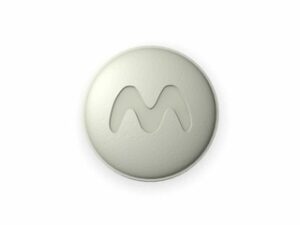
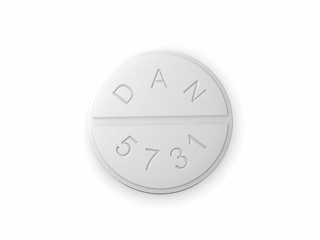
- Common form: Oral tablets/capsules or oral liquid (depending on product availability)
- What it does: Relieves muscle spasticity (tightness) and reduces involuntary spasms
- How it is taken: Usually several times daily (exact schedule depends on your dose plan)
- Key safety notes: May cause drowsiness, dizziness, weakness and increase fall risk
- Alcohol caution: Combining baclofen with alcohol can increase sedation and impairment
Basic Product Information
Baclofen belongs to a group of medicines known as muscle relaxants and works on the nervous system to reduce spasticity. Spasticity is a condition where muscles become overly tight, stiff, or difficult to move, often due to neurological damage.
In Australia, baclofen products are used in clinical practice for conditions such as spasticity associated with neurological disorders. Availability may vary by strength and presentation.
Common strengths (examples)
- Typically available in different tablet strengths (varies by manufacturer and supply)
- Some brands may be supplied as tablets or capsules; liquid formulations may be available depending on the supplier
If you are unsure which version is supplied (tablet vs capsule vs liquid, or which strength), check the packaging or ask your pharmacist.
How Baclofen Works (Mechanism of Action)
Baclofen is a GABAB receptor agonist. In simple terms, it enhances the effect of an inhibitory neurotransmitter called GABA in the spinal cord and brain pathways involved in muscle control.
By activating GABAB receptors, baclofen helps reduce the abnormal nerve signalling that leads to muscle overactivity. This can result in:
- Reduced muscle tone (less stiffness)
- Fewer spasms and involuntary jerks
- Improved comfort and mobility for some people
Pharmacokinetics (Absorption, Distribution, Metabolism, Excretion)
“Pharmacokinetics” describes what the body does to the medicine. Baclofen’s key characteristics include:
- Absorption: After oral dosing, baclofen is absorbed through the gastrointestinal tract.
- Distribution: It distributes to body tissues, including the central nervous system.
- Metabolism: Baclofen is not extensively metabolised by the liver.
- Elimination: It is primarily excreted by the kidneys (urine).
Because baclofen is largely cleared through the kidneys, people with reduced kidney function may require dose adjustments and closer monitoring. If you have kidney disease, discuss this before starting or changing dose.
Typical Uses in Clinical Practice
Baclofen is commonly used to treat spasticity. Spasticity may occur in a variety of neurological conditions, including:
- Multiple sclerosis (MS)
- Spinal cord injury
- Other neurological disorders where spasticity is a prominent symptom
Baclofen may be used to improve symptoms such as muscle stiffness, pain associated with spasm, and difficulties with movement or walking. It is often part of a broader treatment plan that may include physiotherapy and other symptom management strategies.
When and How to Take Baclofen (Timing & Administration)
The exact dosing schedule varies by person. Many people start with a low dose and increase gradually to reduce side effects. Common timing strategies include taking baclofen with or without food, but consistently according to your plan.
Practical timing examples
- Multiple daily doses: Often taken in 2–4 divided doses throughout the day to maintain effect.
- Evening dose considerations: Because baclofen can cause drowsiness, some people may place the larger dose in the evening if advised.
- Missed dose: If you miss a dose, take it when you remember unless it is close to the next dose. Do not double dose.
If you are switching doses or formulations (for example tablet vs liquid or different strengths), confirm your schedule with your pharmacist.
Food Interactions
Baclofen can generally be taken with or without food. Food does not usually cause clinically significant changes for most people. However, to improve tolerability (especially during dose changes), many people prefer taking baclofen after food.
Practical tips:
- If you get nausea, consider taking baclofen with a meal.
- Stay hydrated, especially if you experience dizziness.
- Do not change meal routines suddenly if it affects how you feel.
Alcohol and Medicine Interactions
Baclofen can cause sedation, dizziness, and impaired coordination in some people. Alcohol can significantly add to these effects. Avoid or minimise alcohol use while taking baclofen, and follow your healthcare professional’s advice.
Alcohol interaction
- Increased drowsiness: Alcohol plus baclofen can intensify sleepiness.
- Higher fall risk: Increased dizziness may lead to falls.
- Impaired driving: Avoid driving or operating machinery if you feel drowsy.
Other medicines that may interact
Baclofen may interact with medicines that depress the central nervous system (CNS) or affect muscle function. Examples include:
- Opioid pain medicines (e.g., oxycodone, morphine)
- Benzodiazepines (e.g., diazepam, temazepam)
- Sleep medicines and other sedatives
- Some antidepressants and antipsychotics (varies by medicine)
- Other muscle relaxants
Always tell your pharmacist or healthcare professional about all medicines you take, including:
- Prescription medicines
- Over-the-counter products (including cough/cold medications)
- Herbal supplements and “natural” remedies
- Vitamins and minerals
Indications: When Baclofen Is Used
The primary indication for baclofen is to relieve spasticity. Spasticity typically presents as:
- Stiff, tight muscles
- Muscle spasms or clonus (rhythmic jerking)
- Painful muscle tightness
- Difficulty moving or performing daily activities
Baclofen may be considered when spasticity interferes with comfort, mobility, sleep, hygiene, or participation in rehabilitation.
Dosing Guidance (How Dosing Usually Works)
Dosing is individual. Clinicians generally aim to use the lowest effective dose and adjust slowly based on response and side effects. Baclofen is often titrated—started at a lower dose and increased over time.
The following information provides a general overview of dosing principles; it may not match your exact prescription instructions. Always follow your specific dosing plan.
General dosing principles
- Start low: Begin with a lower dose to improve tolerability.
- Increase gradually: Dose increases are usually made at intervals (e.g., every few days) as advised.
- Split doses: Multiple daily doses help maintain steadier symptom control.
- Adjust for kidney function: People with reduced kidney function may need lower doses.
- Review periodically: If symptoms improve or side effects become problematic, your plan may be adjusted.
Example dosing schedule (illustrative only)
Some people start with a small evening dose and then gradually increase to multiple daily doses. Your clinician will determine the exact schedule based on your spasticity severity, age, and tolerability.
Stopping baclofen
Do not stop baclofen suddenly unless specifically instructed by a healthcare professional. Abrupt withdrawal can be unsafe in some cases. If you need to discontinue, your clinician will usually reduce the dose gradually.
Safety Profile and Side Effects
Like all medicines, baclofen can cause side effects. Many are dose-related and may improve as your body adjusts, especially when the dose is increased gradually. Report concerning effects promptly.
Common side effects
- Drowsiness or sedation
- Dizziness
- Weakness or reduced muscle power
- Fatigue
- Nausea or stomach discomfort
- Dry mouth
- Headache
Less common but important risks
- Confusion (especially in older adults or those with kidney impairment)
- Low blood pressure or increased light-headedness
- Hallucinations or mood changes
- Breathing problems (particularly when combined with other sedating medicines or alcohol)
When to seek urgent medical help
Seek urgent medical attention if you experience signs of severe reaction, such as:
- Severe sleepiness or difficulty staying awake
- Breathing difficulty
- Fainting, severe confusion, or inability to cooperate
- Severe weakness that is rapidly worsening
Practical Use Tips (Getting the Best Results Safely)
- Plan for drowsiness: Be cautious with driving, cycling, or using power tools until you know how baclofen affects you.
- Stand up slowly: If you feel light-headed, take extra care when moving from sitting to standing.
- Track symptom changes: Note whether stiffness and spasms improve and whether side effects become bothersome.
- Use physiotherapy alongside medication: Baclofen often works best as part of a rehabilitation plan.
- Prevent falls: Consider home safety measures (good lighting, remove trip hazards) if dizziness is present.
- Hydration and mobility: If you become constipated or less active, talk to your pharmacist about supportive measures.
Alternative Options
Spasticity can be treated using a combination of medication, physiotherapy, and sometimes other approaches depending on the cause and severity. If baclofen is not suitable or symptoms are not adequately controlled, clinicians may consider alternatives, such as:
Medication alternatives (discuss with your clinician)
- Tizanidine (another muscle relaxant)
- Dantrolene (less commonly used; depends on clinical scenario)
- Diazepam (a benzodiazepine; sedation and dependence risk can limit use)
- Botulinum toxin injections for focal spasticity affecting specific muscle groups
Non-medicine approaches
- Physiotherapy and stretching programs
- Occupational therapy for daily activities and functional support
- Assistive devices to improve mobility and reduce strain
Your best option depends on the underlying neurological condition, the pattern of spasticity, your overall health, and tolerability.
Australia: Market and Legal Context
Medicines availability and classification in Australia follow federal and state frameworks, including scheduling under the Australian Register of Therapeutic Goods (ARTG) and supply rules managed by Australian health authorities. Patient access typically involves pharmacy dispensing requirements and appropriate clinical screening.
For online pharmacy services, safe supply generally includes:
- Verifying identity and required dispensing documentation
- Ensuring the medicine is appropriate for the patient’s needs
- Checking for relevant contraindications and safety considerations
- Providing clear dosing instructions and safety information
Recent Guidance (General Safety Considerations)
Over time, clinical practice continues to emphasise patient safety and careful risk management for baclofen, particularly regarding:
- Gradual dose titration to minimise dizziness and sedation
- Caution with kidney impairment because baclofen is mainly excreted by the kidneys
- Avoiding or minimising alcohol and careful review of other sedating medicines
- Monitoring older adults for confusion, falls, and excessive sleepiness
Guidance can evolve with updated product information and clinical evidence. If you have concerns—especially about kidney function, older age, or concurrent sedatives—speak with your pharmacist.
Delivery and Availability (Online Pharmacy in Australia)
Baclofen availability depends on product brand and strength, as well as current supplier stocks. Online pharmacies in Australia typically provide:
- Easy ordering when stock is available
- Secure packaging to protect tablets/capsules or liquid formulations
- Tracking information where offered
- Estimated delivery times based on location
If a specific strength or formulation is temporarily unavailable, the pharmacy may offer alternatives (for example, different strengths that can be combined) or can advise on restocking time frames. Always confirm any changes in strength or product type with your pharmacist.
How to Store Baclofen
- Store at room temperature unless the label specifies otherwise.
- Keep the medicine in its original packaging.
- Keep out of reach of children.
- Follow any specific storage instructions on the product label (for example, “protect from moisture” if stated).
Table: Baclofen at a Glance
| Category | What to know |
|---|---|
| Medicine type | Muscle relaxant; acts on GABAB receptors |
| Main use | Relief of spasticity and muscle spasms |
| How it helps | Reduces abnormal nerve signals that cause stiffness |
| Typical timing | Usually split doses during the day; follow your plan |
| Food | Usually can be taken with or without food |
| Alcohol | Can increase drowsiness and impairment; minimise/avoid |
| Key interactions | Sedatives, opioids, other CNS depressants |
| Important caution | Kidney function matters; older adults may be more sensitive |
FAQ: Baclofen
1) What is baclofen used for?
Baclofen is used to reduce spasticity—muscle stiffness and spasms—often associated with neurological conditions such as multiple sclerosis and spinal cord injury.
2) How long does baclofen take to work?
Some people notice effects within days, while others require a longer time as the dose is increased gradually. If symptoms do not improve, your clinician may adjust the dose or consider alternative treatments.
3) Can I take baclofen with food?
Yes. Baclofen is usually taken with or without food. If you experience nausea or stomach discomfort, taking it after meals may help.
4) Is baclofen likely to make me sleepy?
It can. Drowsiness and dizziness are common side effects, especially early in treatment or after dose increases. Avoid driving or operating machinery until you know how it affects you.
5) Can I drink alcohol while using baclofen?
Alcohol can increase sedation and impairment. It is generally recommended to avoid or minimise alcohol and follow your healthcare professional’s advice.
6) What other medicines should I be cautious about?
Be cautious with medicines that also cause drowsiness or slow the nervous system, including opioids, benzodiazepines, and sleep medicines. Tell your pharmacist about everything you take, including over-the-counter and herbal products.
7) What if I miss a dose?
Take it when you remember unless it is close to the next dose. Do not take a double dose to “catch up.”
8) Can I stop baclofen suddenly?
Do not stop suddenly unless your healthcare professional tells you to. Baclofen should typically be reduced gradually to avoid problems that can occur with abrupt withdrawal.
9) Who should use baclofen with extra caution?
People with reduced kidney function, older adults, and those taking other sedating medicines should be monitored more closely. If you have kidney disease, discuss dose appropriateness with your clinician or pharmacist.
10) Are there non-drug treatments for spasticity?
Yes. Physiotherapy, stretching, mobility training, and occupational therapy can be valuable. Many people benefit from combining these approaches with medication.
Need Help with Your Baclofen Plan?
If you have questions about your dosing schedule, side effects, or interactions with other medicines, speak to your pharmacist. For safety, avoid making dose changes on your own and report any concerning symptoms promptly.