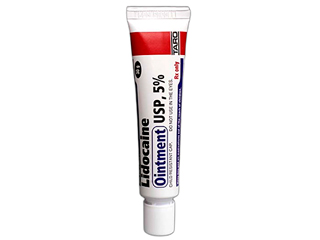
Xylocaine (Lidocaine) — Patient Information (Australia)
Xylocaine is a brand of lidocaine, a local anaesthetic (numbing medicine) used to reduce pain in specific areas of the body or to help with medical and dental procedures. Depending on the product form (such as gel, spray, ointment/cream, or injection), lidocaine can numb the skin or mucous membranes and temporarily block nerve signals that carry pain.
This guide is written to help you understand what Xylocaine is, how it works, how it is used, and what to consider for safe use in everyday life in Australia. Always follow the instructions provided with your product and consult a healthcare professional if you’re unsure which form is appropriate for your situation.
1) Basic product information
| Feature | What you should know |
|---|---|
| Generic name | Lidocaine |
| Brand | Xylocaine |
| Medicine class | Local anaesthetic (also used as an anti-arrhythmic in some settings) |
| Common dosage forms (examples) | Topical gel, spray, cream/ointment, and injection (varies by product and purpose) |
| Where it works | Primarily at the site of application (skin or mucous membranes) |
| Typical effect | Numbs pain by blocking nerve signals |
Product strengths and approved uses vary by the exact Xylocaine form and concentration. For the most accurate information, check your specific product label and packaging.
2) Mechanism of action (how lidocaine works)
Lidocaine works by blocking sodium channels in nerve cell membranes. When these channels are blocked, nerve impulses cannot be generated and transmitted effectively. This interrupts the pain signals from the area where it is applied.
In simple terms: lidocaine helps by “switching off” the ability of local nerves to send pain messages for a limited time. The onset, intensity, and duration depend on:
- The product type (gel/spray/cream vs injection)
- The concentration and the amount applied
- The location of application (thicker skin vs sensitive mucosa)
- Whether skin is intact or broken
- How quickly and how thoroughly it is distributed
3) Pharmacokinetics (how the body handles lidocaine)
With topical use, most lidocaine is intended to act locally. However, some may be absorbed into the bloodstream, especially when used on mucous membranes, large areas, or damaged skin. Absorption can also be higher with repeated use or under conditions that increase penetration.
Absorption
- Local application usually results in low systemic exposure compared with injection.
- Mucosal surfaces (e.g., in the mouth or other moist areas) generally allow faster absorption than intact skin.
- Damaged or inflamed tissue can increase uptake.
Distribution
Once absorbed, lidocaine binds to plasma proteins and distributes to tissues. The highest concentrations are typically in organs with good blood flow.
Metabolism
Lidocaine is primarily metabolised in the liver. Liver function can therefore affect how quickly it is cleared from the body.
Elimination
Metabolites and a small amount of unchanged lidocaine are eliminated mainly through the kidneys (urine).
Systemic effects to know
Although most people experience only local numbness, excessive dosing or increased absorption can raise the risk of lidocaine toxicity (described in the safety section).
4) Typical uses in practice
Xylocaine (lidocaine) is used to reduce pain and discomfort. Common uses depend on the dosage form.
Topical uses (examples)
- Temporary relief of pain or discomfort on the skin or near the surface
- Relief for painful procedures involving localised areas
- Numbing of mucous membranes for minor interventions or to reduce pain from certain conditions (as directed on your specific product)
Professional use (injection forms)
Injection forms of lidocaine are frequently used by healthcare professionals for:
- Numbing a specific region for procedures
- Local or regional anaesthesia in controlled medical settings
5) Timing: when it starts to work and how long it lasts
The timing depends strongly on the form and where it is used. As a general patient guide:
- Onset: topical lidocaine may begin working within minutes.
- Peak effect: the strongest numbness often occurs shortly after onset.
- Duration: the effect typically lasts for a limited period (commonly from under an hour for some topical products, to longer for others depending on formulation and location).
For the most accurate timing, follow the product label. Avoid reapplying more frequently than directed, because repeated dosing can increase absorption and the risk of side effects.
6) Food interactions
Lidocaine is generally used topically or via injection in medical settings. Because it acts locally, it does not usually have meaningful interactions with food for typical topical use.
However, if you are using a lidocaine product in or around the mouth (e.g., for mouth sores or minor numbing), be careful with eating and drinking because numbness may reduce your ability to feel heat or injury risk.
- Avoid very hot foods and drinks until sensation returns.
- Be cautious with chewing to avoid biting the numb area.
7) Alcohol and medicine interactions
Lidocaine’s local use typically involves low systemic exposure, but interactions can matter in certain situations—particularly if high doses are used, if the product is applied to large areas, or if absorption is increased.
Alcohol
There is no single universal rule for all lidocaine products, but alcohol may increase dizziness or drowsiness in some people and can complicate recognition of early toxicity symptoms (such as lightheadedness, ringing in the ears, or unusual sleepiness).
- If you feel unwell after using lidocaine, avoid alcohol and seek advice.
Medicine interactions
Lidocaine is metabolised in the liver. Medicines that affect liver enzymes can alter lidocaine levels. Some medicines may increase the risk of side effects if combined with higher systemic lidocaine exposure.
Tell a healthcare professional if you take medicines such as:
- Other local anaesthetics (including those used in dental or surgical settings)
- Antiarrhythmic medicines (particularly relevant for injection use, but important to mention)
- Medications that influence liver enzymes (some antibiotics and anti-seizure medicines can affect metabolism)
- Certain beta-blockers (may affect lidocaine handling)
If you are unsure, check with your pharmacist, especially if you have liver disease, take multiple medicines, or use lidocaine frequently.
8) Indications (when Xylocaine is used)
“Indication” means the reason a medicine is used. For Xylocaine, indications are determined by the product form and strength. In general, lidocaine is used to:
- Provide local pain relief by numbing nerves
- Reduce discomfort related to minor procedures when topical anaesthesia is suitable
- Support procedures under local anaesthesia (especially injection forms used by clinicians)
Always use the correct product form for your intended purpose. Do not substitute one lidocaine product for another without checking the label, strength, and instructions.
9) Dosing: how much and how often (general guidance)
Dosing varies by product and the site of application. Follow your specific Xylocaine packaging or clinician instructions exactly. This website information cannot replace the label.
Key dosing principles
- Use the smallest effective amount to achieve the desired numbness.
- Do not exceed the maximum frequency listed on your product.
- Limit the area of application to the region indicated.
- If using on broken skin or mucosa, absorption can be higher—use extra caution and follow directions closely.
Example timing patterns (illustrative only)
Some topical products may be applied in small amounts and repeated only if needed, typically with several hours between applications—however, the exact interval and number of daily applications differ by product strength.
Important: If you miss a dose, do not apply additional product to “catch up.” Use only as directed.
Children and special populations
Children may be more sensitive to local anaesthetic medicines. Use only if the product label specifically allows it for the child’s age and weight, and seek pharmacist advice for dosing questions.
- Children: extra caution with dosing and frequency.
- Elderly: often require careful dosing due to changes in metabolism and sensitivity.
- Liver impairment: may require lower dosing and longer intervals due to reduced clearance.
10) Safety profile: side effects and when to seek help
Most people tolerate lidocaine products well when used as directed. However, side effects can occur—especially if too much is used, if it’s applied too often, or if it spreads beyond the target area.
Common local effects
- Temporary numbness
- Mild burning or tingling on application
- Temporary redness
Less common but important side effects
- Swelling or irritation at the application site
- Allergic reactions (rare)
Signs of systemic toxicity (seek urgent medical advice)
Systemic lidocaine toxicity is uncommon with correct topical dosing, but it can occur with excessive absorption. Seek medical help urgently if you notice symptoms such as:
- Dizziness, lightheadedness, or confusion
- Tingling around the mouth, unusual numbness beyond the target area
- Ringing in the ears
- Blurred vision
- Severe drowsiness or difficulty staying awake
- Shaking, tremor, seizures
- Slow or irregular heartbeat, fainting
- Breathing problems
Allergy warning
Stop using the product and seek advice if you develop signs of an allergic reaction, such as hives, facial swelling, wheezing, or difficulty breathing.
Who should take extra care
- People with liver disease
- People with a history of sensitivity to local anaesthetics
- Those using other medicines that may affect metabolism
- People applying to large areas, using under occlusion (covered skin), or on damaged skin
11) Practical use tips (how to use Xylocaine safely at home)
Good technique can improve comfort while reducing risk. These tips apply generally to topical lidocaine products.
- Read the label carefully for the correct amount and maximum frequency.
- Wash hands before and after application unless the product is a single-use application method.
- Apply only to the intended area; avoid eyes and inside the ear/nose unless the product is specifically for that use.
- Let it work before touching: numbness reduces protective sensation, so be mindful of heat, sharp objects, and biting.
- Do not apply to deep wounds unless directed by a clinician.
- Avoid covering with tight dressings unless instructed (coverage can increase absorption).
- Do not share the product with others.
- Keep track of total daily amount if you use it more than once.
If using in the mouth
- Avoid eating or drinking immediately after applying.
- Choose lukewarm foods first.
- Check for accidental cheek or tongue biting as sensation returns.
If using on skin
- Remove excess residue if the product is too sticky or spreads.
- Be careful around shaving, hot water, or exercise until sensation returns.
12) Alternative options
Depending on the reason you need pain relief, there may be other local or systemic options. Alternatives vary by the exact condition and location.
Local pain-relief alternatives
- Other local anaesthetics (different active ingredients or brands, available in various forms)
- Non-anaesthetic topical pain relievers (such as anti-inflammatory gels/creams, depending on your symptoms)
- Cold therapy (ice packs wrapped in cloth) for some minor injuries or swelling
When to consider professional review
- If pain is severe, persistent, or worsening
- If there is infection (increasing redness, pus, fever)
- If you need repeated numbing for the same problem
A pharmacist can help you choose an appropriate option based on your symptoms and the product form you’re considering.
13) Australia: market and legal context, including recent guidance
In Australia, medicines are regulated through the Australian Therapeutic Goods Administration (TGA). Access to lidocaine products depends on their classification and intended use. Some lidocaine-containing items are available through pharmacies, while certain higher-strength or injection forms are typically used in clinical settings.
Recent guidance to be aware of
Regulatory updates can occur, and product availability can change based on supply, formulation, and classification. As guidance commonly emphasises:
- Using local anaesthetics only as directed for the specified indication and form
- Respecting maximum daily dosing and safe application area
- Special caution for children and for products applied to mucosal surfaces
If you are unsure whether a specific Xylocaine product is appropriate for your condition or how it fits within current local access rules, please ask a pharmacist.
Note: Always check the TGA and local pharmacy guidance for the most up-to-date information and the exact product you are purchasing.
14) Delivery, availability, and what to expect when ordering
Availability may vary by product form and concentration. When you order online, delivery typically depends on stock levels and the shipping service used.
What to check before ordering
- Confirm the exact product form (gel, spray, cream, or injection where applicable)
- Confirm the strength/concentration
- Check the expiry date on the carton or label
- Review storage instructions (some products require specific temperature conditions)
Delivery expectations
- Orders are usually processed on business days
- Tracking information may be provided
- Delivery times can vary by state and postcode
If you need the product by a certain date (e.g., for a scheduled procedure), allow extra time for dispatch and delivery.
15) FAQ about Xylocaine (lidocaine)
Q1. Is Xylocaine the same as lidocaine?
Yes. Xylocaine is a brand name; the active ingredient is lidocaine. Different Xylocaine products may come in different forms and strengths.
Q2. How quickly does Xylocaine work?
Onset can be within minutes for many topical products, but it depends on the form, site, and amount used. Refer to the product label for the most accurate timing.
Q3. How long does the numbness last?
Duration varies. Some topical forms provide shorter relief, while others may last longer. Again, check the product instructions for expected duration.
Q4. Can I use Xylocaine more than once in a day?
You may be able to repeat use, but only if your specific product label allows it. Do not exceed the maximum frequency or total amount stated on the packaging.
Q5. What should I avoid while the area is numb?
- Avoid hot foods and drinks until sensation returns (especially if used in the mouth).
- Avoid biting, scratching, or rubbing the numb area.
- Be cautious with shaving or exposure to heat or sharp objects.
Q6. Can I use Xylocaine on broken skin?
Some products may have specific instructions for use on inflamed or broken skin. Because absorption can increase, you should follow the label and seek pharmacist advice if you’re unsure.
Q7. What happens if I accidentally use too much?
Using too much can increase the risk of side effects, including systemic toxicity. If you’re concerned you used excessive amounts or the person is showing symptoms like dizziness, ringing in the ears, confusion, or breathing difficulties, seek urgent medical advice.
Q8. Are there interactions with other medicines?
Possible interactions mainly relate to how lidocaine is metabolised and whether you are using other local anaesthetics. If you take multiple medicines, or have liver problems, ask a pharmacist for advice.
Q9. Can I drink alcohol after using Xylocaine?
For typical topical use, alcohol interactions are not usually a major concern, but alcohol may make it harder to notice early symptoms of side effects. If you feel unwell, avoid alcohol and seek advice.
Q10. Who should not use Xylocaine?
People with known hypersensitivity to lidocaine or other ingredients in the product should avoid it. Extra caution is needed for children, people with liver impairment, and anyone using multiple local anaesthetic products. If in doubt, check with a pharmacist.
Q11. Is Xylocaine suitable for children?
It depends on the product and the child’s age and weight. Use only products and dosing instructions that are specifically intended for paediatric use and follow the label carefully. If you’re unsure, ask a pharmacist.
Q12. What are safer next steps if my pain doesn’t improve?
If pain persists, worsens, or you notice signs of infection, it’s important to get appropriate medical advice rather than increasing numbness repeatedly.
16) Summary
Xylocaine (lidocaine) is a local anaesthetic designed to numb pain signals by blocking nerve pathways. When used correctly, it can provide temporary comfort for targeted skin or mucosal discomfort. As with all local anaesthetic medicines, safety depends on correct selection of product form, correct dosing, and avoiding excessive application—especially on sensitive tissues or large areas.
If you have questions about the best Xylocaine product for your needs, how to use it safely, or how it may interact with your other medicines, consult a pharmacist for tailored guidance.