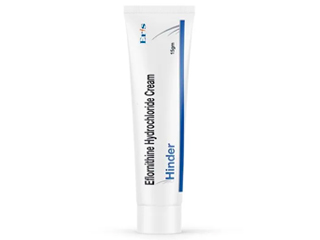
Vaniqa (Eflornithine) – Treatment for Unwanted Facial Hair in Women
Vaniqa contains eflornithine, a medicine used to reduce the growth of unwanted facial hair in women. It works by slowing the biological processes that allow hair follicles to produce hair more rapidly. Unlike shaving, waxing, or depilatories, Vaniqa is designed to reduce regrowth over time when used consistently.
This page provides clear, practical information about how Vaniqa works, how to use it effectively, what to expect, potential interactions, and safety considerations for people in Australia.
Quick Product Overview
- Medicine: Vaniqa (eflornithine)
- Active ingredient: Eflornithine
- Form: Cream
- Common use: Reduction of unwanted facial hair in women (e.g., over the upper lip, chin)
- How it works: Slows hair growth at the follicle by inhibiting a key enzyme
- Typical schedule: Applied to affected areas twice daily
- Time to see results: Often requires consistent use for several weeks
What is Vaniqa?
Vaniqa is a topical (applied to the skin) cream containing eflornithine. It is specifically used to reduce the rate of unwanted facial hair growth. The medication is intended for ongoing management rather than immediate hair removal.
Important: Vaniqa is not a hair removal method like shaving. It reduces regrowth, so hair may still be visible while treatment is building effect.
Mechanism of Action (How Vaniqa Works)
Eflornithine is an inhibitor of ornithine decarboxylase (ODC), an enzyme involved in the production of polyamines that are necessary for cell growth and hair follicle activity.
- By inhibiting ODC, Vaniqa helps slow hair growth.
- It acts locally in the skin, targeting hair follicles in the treated area.
- Because hair growth cycles take time, visible improvement generally develops gradually.
Typical Use and Indications
In everyday terms, Vaniqa is used when unwanted facial hair is causing concern and you want slower regrowth.
Indications (Common Approved/Recognised Use)
- Reduction of unwanted facial hair in women (commonly the upper lip, chin, and similar facial areas).
Not intended for:
- All areas of the body (use is intended for facial hair as directed for Vaniqa)
- Sudden hair removal
Dosing and How to Apply Vaniqa
Your dosing should follow the directions provided for your product and the advice of your healthcare professional. Below is a general guide.
Typical Adult Dosing (General Guidance)
- Apply a thin layer of cream to the affected facial hair areas.
- Twice daily application is commonly used.
- Allow to dry on the skin before applying other products.
- Wash hands after application (unless treating hands).
When to use: Choose a routine that fits your day (for example, morning and evening). Consistency is important for best results.
Timing for Best Results
- Initial phase: Expect gradual change; some people notice differences after a few weeks.
- Maintenance phase: If it helps, continued use may be necessary to maintain reduced growth.
- Hair removal methods: You may still shave or use other non-medical hair removal methods if needed while treatment takes effect.
Practical tip: If you shave, it is helpful to apply Vaniqa to clean, dry skin after shaving and to avoid applying to freshly irritated skin.
Pharmacokinetics (Absorption, Distribution, and Elimination)
Because Vaniqa is a topical medicine, most of its action occurs on the skin surface and within superficial skin layers.
- Absorption: Eflornithine is absorbed through the skin to some extent, but typically systemic exposure is low when used as directed.
- Distribution: Any absorbed drug distributes within the body to varying extents.
- Elimination: The drug is eliminated primarily via renal excretion (kidneys).
Clinical relevance: Because absorption is limited, many people tolerate Vaniqa well. However, applying to large areas, using more frequently than directed, or using under occlusion (covered skin) can increase absorption and side effects.
Food Interactions
Since Vaniqa is a topical product, food interactions are not a major concern. The medicine does not rely on swallowing or gastrointestinal absorption.
- No specific dietary restrictions are typically required.
- If you experience skin irritation after applying Vaniqa, consider whether you are using other products on the same area rather than focusing on food.
Alcohol and Medicine Interactions
Alcohol
Because Vaniqa acts on the skin, direct alcohol interactions are unlikely. However:
- Alcohol may irritate skin when applied indirectly through alcohol-containing skincare products (e.g., some toners or aftershaves).
- If you use alcohol-containing products near the treated area, it may worsen dryness or burning.
General skin-care advice: Avoid applying harsh alcohol-based products to the same facial area at the same time as Vaniqa unless you’ve confirmed they are compatible.
Other Medicines (Interactions)
Systemic drug interactions are generally limited due to low absorption. Still, interactions can occur indirectly through:
- Skin irritation: Using multiple topical agents (e.g., strong acids, retinoids, abrasive exfoliants) can increase redness or dryness.
- Barrier disruption: Applying Vaniqa on broken skin may change absorption and increase side effects.
Tell your pharmacist or healthcare professional about all medicines and skincare products you use, including topical treatments, to minimise the chance of irritation.
Safety Profile and Common Side Effects
Most people experience mild effects localized to the skin. Side effects can depend on how sensitive your skin is, how much you apply, and whether you use additional potentially irritating products.
Common (Local) Side Effects
- Skin irritation (burning, redness, stinging)
- Dryness or flaking
- Itching
- Acne-like bumps in some cases
Serious or Concerning Reactions (Seek Advice Promptly)
- Severe swelling or worsening rash
- Blistering, intense burning, or signs of infection
- Eye exposure causing significant discomfort
Note: If you develop severe skin reactions, stop using Vaniqa and seek medical advice.
Who Should Use Caution?
- People with very sensitive skin
- People using other active skincare ingredients (e.g., strong exfoliants)
- People with a history of significant skin reactions to topical products
Practical Use Tips (What to Do for Best Results)
- Apply only to the affected areas (don’t spread onto large regions).
- Use a thin layer—more is not better and may increase irritation.
- Keep the routine consistent—missing doses can reduce effectiveness.
- Let it dry before applying moisturiser or makeup (unless your clinician advises otherwise).
- Avoid the eyes, eyelids, and lips. If accidental contact occurs, rinse thoroughly with water.
- Be gentle with skin care: avoid scrubs, harsh exfoliants, and strong alcohol-based toners on the treated area.
- Don’t apply to broken or irritated skin (e.g., after sunburn or active cuts).
Can I shave while using Vaniqa?
Many people continue shaving or using other gentle hair removal methods while Vaniqa works. This can help with appearance while growth slows. If your skin becomes irritated, pause hair removal methods that worsen redness and ask a professional for tailored guidance.
How to manage mild irritation
- Reduce exposure to other irritating products (e.g., strong acids).
- Use a gentle moisturiser on surrounding skin (not immediately on freshly irritated areas, if that’s advised by your clinician).
- Seek advice if irritation persists or worsens.
Alternative Options (If Vaniqa Isn’t Right for You)
There are several approaches to managing unwanted facial hair. Your best option depends on the underlying cause, hair growth pattern, skin sensitivity, and personal preference.
Non-medicine hair reduction
- Shaving (quick; doesn’t prevent regrowth)
- Waxing/sugaring (temporary; may irritate)
- Depilatory creams (can cause irritation for some)
- Laser hair reduction (longer-lasting for suitable skin/hair types)
- Electrolysis (can be effective for individual hairs)
Medicine-based alternatives
- Topical hair-growth suppressing options may be considered by a healthcare professional depending on your situation.
- If facial hair is due to an underlying hormonal condition, addressing that cause may improve hair growth over time.
Tip: If facial hair is new, rapidly increasing, or accompanied by other symptoms (e.g., irregular periods, acne, scalp hair thinning), consider seeking clinical advice to rule out underlying causes.
Market & Legal Context in Australia
Vaniqa is an established medicine used in Australia for reduction of unwanted facial hair in women. As with all medicines, availability and supply may vary depending on packaging, manufacturer supply, and product listings.
Australia-specific considerations:
- Medicines are regulated by TGA (Therapeutic Goods Administration).
- Online pharmacies in Australia must comply with relevant state/territory laws and privacy requirements.
- Always verify you are purchasing from a legitimate Australian pharmacy listing and that the product matches the label details.
Recent guidance: Keep in mind that medicine availability, product instructions, and professional guidance can be updated. Always check the latest consumer medicine information and follow the directions on the pack or as advised by a qualified healthcare professional.
Delivery, Availability, and Customer Service
We aim to make Vaniqa delivery in Australia straightforward. Availability depends on stock levels from suppliers and distribution centres.
- Dispatch: Orders are typically dispatched within business hours once payment and verification steps are completed.
- Delivery time: Delivery speeds vary by location (metropolitan vs regional/remote areas).
- Packaging: Medicines are shipped in protective packaging to reduce the chance of damage.
- Tracking: Many orders include tracking details.
If the product is temporarily unavailable, we may provide alternatives (such as comparable stock from the same manufacturer) or notify you of restocking timeframes.
Important Safety Information (Read Before Use)
- Use only on the skin areas directed.
- Do not apply to eyes, eyelids, lips, or inside the nose or mouth.
- Avoid broken skin (cuts, abrasions, sunburn).
- Stop and seek advice if you develop severe or worsening reactions.
- Keep out of reach of children.
If you are pregnant, trying to conceive, breastfeeding, or have kidney disease, it’s especially important to seek individual advice before using any medicine.
FAQ – Vaniqa (Eflornithine)
How long does it take for Vaniqa to work?
Results are gradual. Many people notice improvement after several weeks of consistent twice-daily use. If you stop early, hair growth may return toward baseline over time.
Will Vaniqa remove hair permanently?
Vaniqa is designed to reduce regrowth and slow hair growth while you keep using it. It is not typically considered permanent hair removal.
Can I use makeup over Vaniqa?
Yes, once Vaniqa has fully dried. Apply makeup gently to avoid rubbing the cream off and to reduce irritation.
Should I shave or wax while using Vaniqa?
Many people shave while using Vaniqa. However, if waxing or other methods make your skin red or sore, consider switching to gentler methods until irritation settles.
What if I miss an application?
Apply at the next scheduled time. Do not double up to catch up, as using extra cream can increase irritation.
Can Vaniqa be used on all parts of the face?
Vaniqa is intended for unwanted facial hair areas as directed for Vaniqa. Avoid eyes, eyelids, and lips.
Does Vaniqa interact with other skincare products?
The main practical issue is skin irritation. Using strong exfoliants, retinoids, or alcohol-heavy products on the same area may increase redness or burning. If you use other actives, introduce them carefully and consider spacing them out.
Is it safe with alcohol?
No specific systemic alcohol interaction is expected, but alcohol-containing skincare products may irritate the skin. If your routine includes toners/aftershaves with alcohol, avoid applying them to the treated area at the same time.
What should I do if I get burning or redness?
Stop using the cream and seek advice. Mild irritation may settle, but persistent burning, swelling, blistering, or a spreading rash needs professional assessment.
Can I use Vaniqa if I have sensitive skin?
Some people tolerate it well, while others may experience irritation. If you have sensitive skin, start carefully, apply a thin layer, avoid other irritants, and seek advice if reactions occur.
Summary
Vaniqa (eflornithine) is a topical medicine used to reduce the rate of unwanted facial hair growth in women. It works by slowing hair growth at the skin level through inhibition of an enzyme involved in hair follicle activity. When used consistently, it can help reduce regrowth over time.
- Use twice daily on affected facial areas.
- Expect gradual results over weeks.
- Avoid irritation by using a thin layer and limiting harsh skincare actives on treated areas.
- Seek advice if irritation is severe or persists.
For best results, follow the product directions and consult your healthcare professional or pharmacist if you have questions about your skin type, other medicines, or any underlying hormonal concerns.