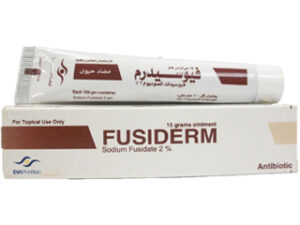
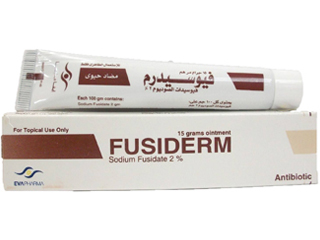
Fusiderm B (Betamethasone + Fusidic Acid) Cream
Fusiderm B is a combination topical medicine used on the skin that contains betamethasone (a corticosteroid) and fusidic acid (a topical antibiotic). It is designed for skin conditions where there is both inflammation and suspected or confirmed bacterial infection.
This page explains how Fusiderm B works, when it’s used, how to apply it safely, and important interaction and safety information relevant to people in Australia.
Quick facts
- Active ingredients: Betamethasone + Fusidic Acid
- Medicine type: Topical antibiotic + steroid combination
- Common form: Cream (availability may vary by brand/pack size)
- Use: Skin inflammation with bacterial infection
- Key benefits: Reduces redness/itching (steroid) and treats susceptible bacteria (antibiotic)
Important: Fusiderm B is for skin use only. Do not use in the eyes, inside the mouth, or on broken/large areas unless advised.
How Fusiderm B works (mechanism of action)
Fusiderm B combines two complementary medicines:
-
Fusidic acid (antibiotic):
- Helps stop the growth of certain bacteria by interfering with bacterial protein production.
- Most commonly used against bacteria such as Staphylococcus species that cause infected skin lesions.
-
Betamethasone (corticosteroid):
- Reduces inflammation, swelling, and redness.
- Helps relieve symptoms such as itching and discomfort.
By treating both infection and inflammation, Fusiderm B may improve symptoms faster than an anti-inflammatory alone. It’s typically used for short courses and only on appropriate skin areas.
Pharmacokinetics (how the body handles it)
When applied to the skin, only a small amount of the ingredients usually enters the bloodstream, especially if used as directed. Absorption can increase if:
- Applied to large areas
- Used on broken skin or inflamed areas
- Applied under occlusion (airtight covering)
- Used for longer than recommended
After absorption, the steroid component can behave like other topical corticosteroids: it may undergo metabolism in the liver and be eliminated mainly through the kidneys. Fusidic acid is metabolised in the body and eliminated through typical pathways.
In most people using it correctly for the recommended duration, systemic effects are unlikely. However, higher absorption raises the risk of steroid-related side effects.
What Fusiderm B is typically used for (indications)
Fusiderm B is used for certain skin infections where inflammation is also present. It is often considered when bacterial infection contributes to redness, swelling, and irritation.
Common scenarios in clinical practice include infected or inflamed dermatologic conditions where a bacterial component is suspected, such as:
- Infected eczema-like patches (where infection is present or strongly suspected)
- Infected dermatitis with inflammation (as advised by a clinician)
- Small localised areas where both antibiotic and anti-inflammatory treatment are appropriate
Not for everything: Fusiderm B is not suitable for all causes of infected skin. For example, it is not the right treatment for infections such as fungal skin conditions or viral infections (unless specifically directed).
When to apply (timing and routine)
Typical application patterns depend on the condition and prescriber advice, but a common approach is:
- Apply a thin layer to the affected skin area
- Usually once or twice daily (follow the directions on your product pack)
- Continue for the shortest time needed
For best results:
- Wash and dry the skin before applying
- Wash your hands after use (unless the hands are the treatment area)
- Do not cover with tight or airtight dressings unless your clinician advises it
Dosing (how much to use)
Dosing is based on the size of the affected area. A common practical guide is:
- Use enough cream to form a thin layer over the affected area.
- Avoid spreading it onto unaffected skin beyond what’s needed.
- If the lesion is near delicate areas, such as the face or skin folds, extra caution is needed—consider medical advice.
Do not use longer than recommended on the pack or by a clinician. If symptoms do not improve quickly, stop and seek appropriate advice rather than continuing indefinitely.
Food interactions
Fusiderm B is a topical medicine. It is not taken by mouth, and significant food interactions are unlikely. Systemic absorption is usually low when applied correctly.
However, if you are pregnant, breastfeeding, have extensive skin disease, or need prolonged use, talk to a healthcare professional for individual guidance.
Alcohol and medicine interactions
There are no well-established direct interactions between topical Fusiderm B and alcohol. Because systemic absorption is generally limited, effects are expected to be minimal.
That said, steroid-containing medicines can have broader effects in some situations if absorbed more than expected. It’s important to consider:
- Other corticosteroids you may be using (topical or oral)—using multiple products increases total steroid exposure.
- Other antibiotics—avoid combining without advice if infection is not improving.
- Immunosuppressive medicines—people on these may be at higher risk of complications from infections.
If you’re using other topical creams on the same area, ask a pharmacist or clinician about how to space products. In many cases, applying one product at a time is safer.
Safety profile: side effects and precautions
Like all medicines, Fusiderm B can cause side effects. Most are related to skin irritation or steroid effects when used incorrectly or too long.
Common side effects
- Burning or stinging
- Itching
- Redness
- Dry skin or peeling
Less common but important risks
- Allergic contact dermatitis (increased itching, rash spreading beyond the treated area)
- Skin thinning with prolonged use, especially on face or skin folds
- Stretch marks or visible blood vessels after long-term use
- Worsening infection if the cause is not bacterial or if treatment is continued when it’s not working
- Resistance risk if antibiotics are used too long or inappropriately
Get medical help urgently if
- The treated area rapidly worsens, spreads quickly, or becomes very painful
- You develop signs of a serious infection (fever, pus, rapidly increasing redness)
- You experience facial swelling, difficulty breathing, or widespread hives (possible allergy)
- Symptoms continue beyond the recommended short course
Who should be extra cautious?
- Children (greater absorption risk due to larger skin surface area relative to body weight)
- Pregnancy and breastfeeding (use only as advised; avoid large areas)
- Older adults with fragile skin
- Anyone using multiple steroid-containing products
- People with extensive or broken skin areas
Avoid occlusion: Covering the area with airtight dressings can increase absorption and steroid side effects. If a dressing is required for another reason, ask a pharmacist about safe options.
Practical use tips (getting the best outcome)
- Apply thinly: A thin layer is usually more appropriate than thick coating.
- Clean first: Gently cleanse and pat dry before applying.
- Follow duration closely: Antibiotic/steroid combinations are generally meant for short-term use.
- Don’t share: Use only for your own diagnosed condition.
- Monitor improvement: If there’s no improvement after a short period (as per local guidance or pack directions), reassess.
- Wash hands: Particularly important if treating areas near eyes or other sensitive skin.
If you are treating a contagious skin infection, practise good hygiene: wash towels/clothing regularly and avoid sharing personal items.
Alternative options
The best alternative depends on the underlying skin cause. If the issue is purely inflammatory without infection, a steroid-only product may be considered. If the cause is fungal or viral, a different treatment is needed.
Possible alternative approaches include:
- Antibiotic-only topical therapy (for bacterial infection without significant inflammation)
- Antifungal creams (for fungal causes—e.g., athlete’s foot, ringworm)
- Moisturisers/emollients and non-steroid anti-inflammatory skin care (for eczema flares without infection)
- Other steroid strengths or non-steroid anti-inflammatory options, depending on location and severity
- Systemic treatment for widespread or severe infection (only with medical assessment)
Because skin conditions can look similar, switching alternatives without confirming the cause can delay effective treatment. If symptoms are unclear or persistent, consider professional advice.
Market and legal context in Australia (overview)
In Australia, topical products containing corticosteroids and antibiotics are regulated as medicines. Availability can depend on concentration, pack size, and classification, and may vary between brands.
Many antibiotic/steroid combination products are intended for appropriate short-term use and may not be suitable for self-treatment of all skin problems. Local pharmacy services can provide guidance on correct use and whether the condition needs further assessment.
If you’re unable to find your product or want current availability details, your local pharmacy can confirm the latest stock and product variations.
Recent guidance (what clinicians and pharmacists emphasise)
Across Australia, current best practice for skin infections typically focuses on:
- Using antibiotics only when bacterial infection is likely (to reduce unnecessary antibiotic use).
- Short courses and reviewing response early.
- Avoiding prolonged steroid use, especially on the face, in skin folds, or in children.
- Reassessing if not improving or if symptoms worsen—because the diagnosis may be different (e.g., fungal infection).
- Adherence to hygiene measures to prevent spread and recurrence.
If you have a history of recurrent infections or treatment failure, a clinician may investigate the cause and consider other strategies.
Delivery and availability in Australia
Many online pharmacies in Australia provide delivery to metro and regional areas. Availability depends on whether the product is currently stocked and the exact pack size you select.
What to expect
- Stock confirmation: Orders may be processed within standard dispatch timeframes.
- Delivery options: Standard and express options may be available depending on location.
- Packaging: Medicines are typically shipped in tamper-evident packaging.
Always check the product label for the exact formulation, directions, and expiry date.
Practical dosing example (how it might fit into a day)
If your pack directions or your healthcare professional recommend twice-daily use, a simple routine could be:
- Morning: Wash and dry the area, apply a thin layer, then wash hands.
- Evening: Repeat after cleaning the area (avoid applying over freshly occluded dressings unless advised).
If once-daily is advised, choose a consistent time and avoid doubling up if you miss a dose.
FAQ
1) Is Fusiderm B safe for children?
Children may absorb topical steroids more readily than adults. Use in children should be guided by a healthcare professional or the pack directions. Do not use on large areas, under occlusion, or for long periods.
2) Can I use Fusiderm B on my face?
The face is more sensitive to steroid side effects such as thinning of skin. If your clinician recommends it for facial lesions, use for the shortest duration possible and avoid getting the cream near the eyes.
3) What if my symptoms get worse after starting?
Worsening redness, pain, swelling, pus, fever, or rapid spread are reasons to stop and seek medical advice promptly. A different diagnosis (such as fungal infection) may be present.
4) How long should I use it?
Fusiderm B is generally used for a short course. Follow the pack directions or your healthcare professional’s advice. If there is no improvement in the expected timeframe, don’t continue—seek review.
5) Can I apply moisturiser at the same time?
If you use moisturiser on the same area, allow enough time between applications. As a general practice, apply Fusiderm B first to the affected area, then moisturise only if recommended and not directly mixed together unless your clinician advises.
6) Can I cover the area with a dressing?
Avoid airtight occlusion unless specifically advised. If you need a covering to protect the area, choose breathable options and discuss with a pharmacist if unsure.
7) Does it interact with alcohol?
No specific interaction with alcohol is commonly expected for topical Fusiderm B. If you have concerns due to other medicines or health conditions, discuss them with a pharmacist or clinician.
8) Will it help if the cause is fungal?
Fusiderm B contains an antibiotic and a steroid—not an antifungal. Fungal infections may worsen with steroids, so accurate diagnosis matters. If you suspect ringworm, athlete’s foot, or similar conditions, seek advice for the correct treatment.
9) What should I do if I miss a dose?
Apply it when you remember, unless it’s close to the next scheduled dose. Do not double up.
10) When should I stop using it?
Stop if you experience signs of an allergic reaction, severe irritation, or worsening infection. Also stop after the recommended course if symptoms have resolved, or seek review if they have not.
Summary
Fusiderm B (betamethasone + fusidic acid) is a topical combination medicine for skin conditions where inflammation and bacterial infection may be present together. Apply a thin layer for a short duration, monitor your response, and seek advice if symptoms don’t improve or worsen. This approach supports effective treatment while reducing the risks associated with prolonged steroid and antibiotic use.