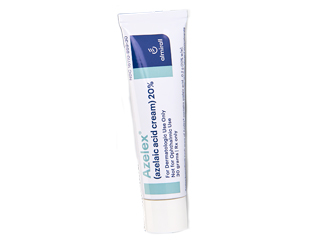
Azelex (Azelaic Acid) — Patient-Friendly Medicine Information (Australia)
Azelex is a topical medicine that contains azelaic acid. It is used to improve the appearance of acne and other skin concerns related to clogged pores and uneven skin. This information is written for patients and carers in Australia to help you understand how Azelex works, how to use it safely, and what to expect.
Key Product Information
- Medicine name: Azelex (azelaic acid)
- Where it’s used: On the skin (topical application)
- Common strengths: Typically 20% azelaic acid cream or gel (product availability may vary)
- Common skin concerns: Acne (including inflammatory and non-inflammatory lesions), blemishes, and some pigment-related conditions
- How it’s supplied: Available through pharmacies and pharmacy supply channels in Australia depending on brand/formulation
Note: Always check the exact strength and formulation on your specific product packaging.
How Azelex Works (Mechanism of Action)
Azelaic acid works in several ways. This helps explain why it may improve acne and certain pigment conditions:
- Helps normalise skin cell shedding: Azelaic acid can reduce abnormal keratinisation (sticky skin cells clogging pores), helping to keep pores clear.
- Reduces inflammation: It has anti-inflammatory effects, which can lessen redness and swelling from acne.
- Antimicrobial activity: It can reduce growth of acne-related bacteria on the skin, helping to lower new breakouts.
- Improves abnormal pigmentation: Azelaic acid can reduce the transfer/production of melanin in certain pigment disorders. This is one reason it is used for conditions such as melasma and post-inflammatory hyperpigmentation (depending on your clinician’s assessment and product indications).
- May reduce comedone formation: By targeting microcomedones and clogged pores, it can help prevent new acne lesions.
What this means for you: Azelex is not usually an “instant fix.” Improvement often builds gradually as skin processes clear pores and inflammation settles.
Pharmacokinetics (How the Body Handles Azelaic Acid)
Because Azelex is applied to the skin, absorption is generally limited. The small amount that may enter the bloodstream is handled by the body and mostly eliminated through the kidneys.
- Skin absorption: Typically low to moderate, depending on skin condition (e.g., irritated or inflamed skin may absorb more).
- Systemic distribution: The absorbed fraction distributes in the body to a limited extent.
- Metabolism: Azelaic acid is metabolised into naturally occurring dicarboxylic acids.
- Excretion: Metabolites are primarily eliminated in urine.
Clinical takeaway: Systemic side effects are uncommon with topical use. Still, you should use the correct amount and avoid unnecessary application over large or broken skin areas.
Typical Uses in Australia
Azelex is commonly used for:
- Acne vulgaris (including papules, pustules, and sometimes comedones, depending on the formulation and local guidance)
- Post-inflammatory hyperpigmentation (dark marks after acne or irritation) and related pigmentation concerns
- Melasma and other pigment irregularities in selected patients (often as part of a broader skin-care plan, including strict sun protection)
- Skin discolouration associated with inflammatory conditions (where azelaic acid is appropriate)
Important: The exact indication depends on the product form, strength, and local label. Your pharmacist or doctor can confirm the most appropriate use for your specific condition.
When to Use It (Timing & Routine)
Azelex is usually applied once or twice daily, depending on your treatment plan and skin tolerance.
- Morning (AM): Apply after gentle cleansing and fully drying your skin. Consider applying sunscreen after the product has absorbed.
- Evening (PM): Apply after washing and drying the skin before bed.
Start slowly if you’re prone to irritation:
- Week 1: once daily or every second night
- Week 2+: increase to the prescribed schedule if your skin tolerates it
How long it takes: Many people notice changes gradually. Typical timelines are:
- 2–4 weeks: Some reduction in new blemishes or redness may occur
- 6–12 weeks: More consistent improvement in acne marks and texture
- Ongoing use: Helps maintain results and reduce recurrence
How to Apply Azelex (Practical Use)
For best results, gentle and consistent application matters.
- Cleanse: Use a mild cleanser. Avoid scrubbing or harsh exfoliants at the start.
- Dry completely: Apply only to dry skin to reduce stinging and irritation.
- Use a thin layer: Apply enough to cover affected areas (not thickly).
- Wash hands: After applying, wash your hands.
- Avoid sensitive areas: Keep away from eyes, lips, inside the nostrils, and corners of the mouth unless advised otherwise.
If you miss a dose: Apply when you remember unless it’s close to your next dose. Do not double up.
Food Interactions
Topical azelaic acid is not generally expected to have food interactions because it is applied to the skin and systemic absorption is limited.
However, overall skin comfort can be influenced by lifestyle factors. If you notice breakouts or irritation worsen with certain foods or drinks, consider tracking patterns. This is not a typical “drug interaction,” but may help identify triggers for you personally.
Alcohol and Medicine Interactions
Alcohol interactions: There are generally no direct alcohol–azelaic acid interactions expected with topical use.
Skin sensitivity note: Alcohol in skincare products (e.g., some toners) may increase dryness and irritation, which can make Azelex feel more uncomfortable. If you use alcohol-containing skin products, consider avoiding them or using them less frequently.
Other medicines on the skin: Using Azelex together with other topical actives may increase irritation. Common examples include:
- Topical retinoids
- Strong exfoliants (e.g., high-strength acids, peels)
- Other keratolytics
- Products containing benzoyl peroxide (can be combined in some regimens, but may require careful spacing)
If you use multiple actives, it can help to “stagger” applications (e.g., one active in the morning and another at night) to reduce irritation.
Dosing (Typical Schedules)
General dosing approach: Follow the instructions on your product packaging or the advice provided by your pharmacist or doctor.
Common regimen:
- Adults: Apply a thin layer to affected areas once or twice daily
- Starting phase: If you have sensitive skin, start once daily or every second night and increase as tolerated
How much to use: Use enough to lightly cover the areas. More is not better—thicker application may increase dryness and irritation without improving outcomes.
Children: Azelaic acid is sometimes used in younger patients depending on condition and specialist guidance. Check local product directions and consult a healthcare professional if treating a child.
Safety Profile & Side Effects
Most people tolerate topical azelaic acid well. Because it can cause mild irritation, it’s helpful to know what’s common and what requires medical advice.
Common side effects
- Skin irritation (burning, stinging, redness)
- Dryness or peeling
- Itching
- Skin discomfort especially early in treatment
Less common or warning signs
- Severe swelling or intense redness
- Blistering, rash spreading beyond the treated area
- Severe allergic reaction symptoms (e.g., facial swelling, difficulty breathing—seek emergency help)
What to do if you get irritation
- Short-term: reduce frequency (e.g., every second night)
- Use a bland moisturiser (as tolerated) to improve comfort
- Avoid other irritating products (scrubs, strong acids) temporarily
- If symptoms are severe or persist, seek advice
Eye and mouth safety: Avoid contact with eyes, eyelids, and mucous membranes. If accidental contact occurs, rinse thoroughly with water.
Safety in Pregnancy & Breastfeeding
If you are pregnant or breastfeeding, it’s important to discuss any medicine with a healthcare professional. With topical therapy, systemic exposure is usually low, but individual guidance is still recommended.
General practical advice:
- Use the smallest effective amount
- Avoid applying to large areas
- Avoid applying to cracked or broken skin
- Do not apply to the breast area if breastfeeding unless specifically advised
Practical Use Tips for Better Results
- Be consistent: Skipping or irregular use often delays improvement.
- Moisturise strategically: A gentle, non-comedogenic moisturiser can reduce dryness and help you stay on treatment.
- Use sunscreen daily: For acne marks and pigment concerns, sun protection is essential. Sun exposure can worsen dark marks.
- Choose gentle cleansers: Avoid harsh cleansers, alcohol-based toners, and vigorous scrubbing.
- Avoid overlapping irritants early: When starting Azelex, pause or limit other strong actives until your skin adapts.
- Give it time: Azelaic acid typically works over weeks, not days.
- Watch product layering: If you use multiple skincare layers, apply Azelex as directed and allow it to absorb before moisturiser or makeup.
Alternative Options (If You Need a Different Approach)
Depending on your skin condition, you may consider alternatives. Your best option depends on your acne type, skin sensitivity, and goals (e.g., marks vs. active acne).
Common alternatives for acne and pigment concerns
- Topical benzoyl peroxide: Helps reduce acne bacteria and inflammation; can be drying.
- Topical retinoids (e.g., adapalene, tretinoin where available): Helps with clogged pores and prevention of new acne.
- Topical antibiotics (where appropriate): Often used short-term as part of a combination strategy.
- Salicylic acid (BHA) or other mild exfoliants: May help with clogged pores; can still irritate.
- For pigmentation: Sunscreen and pigment-targeted routines are key; other actives may be used depending on clinician advice.
Note: Combining multiple actives increases the risk of irritation. A stepwise approach is usually more comfortable.
Australia Market & Legal Context (General Information)
In Australia, medicines are regulated by the Therapeutic Goods Administration (TGA). Availability, brand presentation, and indications are managed through the Australian regulatory system.
For topical skincare-style medicines, classification and supply may vary. Some azelaic acid products may be supplied through pharmacies, and availability can depend on the formulation and TGA status.
Safety and quality expectations:
- Only use products purchased from reputable suppliers in Australia.
- Store as directed on the pack.
- Check the exact strength and expiry date.
Recent guidance (general clinical trend): Dermatology practice continues to emphasise patient tolerance, gradual introduction of actives, and strict sun protection for pigment conditions. Many clinicians recommend moisturising routines and avoidance of unnecessary harsh products to improve adherence.
Delivery & Availability (Online Pharmacy)
Availability of Azelex may vary by formulation (cream vs gel) and strength. When ordering online in Australia, you can typically expect:
- Pharmacy dispatch: Usually within standard business days, depending on stock levels.
- Delivery: Sent via courier to residential addresses (timelines vary by location and service level).
- Cold chain: Not typically required for azelaic acid topical products.
- Packaging: Supplied in original manufacturer packaging with instructions and batch details.
Tip: If you’re trying to match an older tube, check the strength and formulation before purchasing (cream vs gel can feel different on the skin).
FAQ (Frequently Asked Questions)
1) When will I see results with Azelex?
Many people notice early changes within 2–4 weeks, but more consistent improvement often takes 6–12 weeks. Pigment-related changes can take longer, especially if sun exposure is frequent.
2) Can I use Azelex with other acne treatments?
Often, yes—however, using multiple active ingredients at the same time can irritate skin. A cautious approach is to stagger products (for example, one in the morning and one at night) and introduce changes one at a time.
3) Will Azelex bleach my skin?
Azelex is not a “bleaching” agent. It works to help reduce abnormal pigment activity in certain conditions. Results are typically gradual and unevenness should improve over time with consistent use and sun protection.
4) Is Azelex safe for sensitive skin?
It can be, but irritation is a common early side effect. Start slowly (once daily or every second night), use a bland moisturiser, and avoid other irritating skincare products until your skin adapts.
5) Can I apply Azelex after shaving or waxing?
It’s usually best to avoid applying to freshly shaved or waxed skin if it is tender or irritated. Wait until the skin has settled, then resume gently.
6) What should I do if it stings?
Mild stinging can occur, especially when starting. If it’s tolerable, reduce the frequency and apply to completely dry skin. If burning becomes severe, stop and seek professional advice.
7) Do I need sunscreen?
If you use Azelex for acne marks or pigment concerns, sunscreen is strongly recommended. Sun can darken marks and make pigment conditions harder to treat.
8) Can I wear makeup while using Azelex?
Yes, but apply Azelex first and allow it to absorb. Choose non-comedogenic products and remove makeup gently.
9) Can I drink alcohol while using Azelex?
There’s generally no direct alcohol interaction with topical azelaic acid. However, if alcohol-containing skincare products irritate you, avoid them.
10) What if I forget to use it?
Use it when you remember unless it’s near the time for your next application. Don’t apply extra to make up for a missed dose.
Summary
Azelex (azelaic acid) is a topical medicine used for acne and certain skin concerns involving clogged pores, inflammation, and uneven pigmentation. It works by normalising skin cell turnover, reducing inflammation and bacterial activity, and helping improve abnormal pigmentation. Improvement typically develops gradually over weeks, so consistency matters.
To get the best results while staying comfortable, start slowly, apply a thin layer to dry skin, moisturise if needed, and use sunscreen—especially for pigment-related goals.
Product Information Table (Quick Reference)
| Category | What to know |
|---|---|
| Active ingredient | Azelaic acid |
| Form | Cream or gel (depends on product) |
| How it’s used | Apply to affected skin in a thin layer |
| Typical frequency | Once or twice daily (follow pack instructions) |
| Key benefit | Improves acne and can help with pigment-related marks |
| When to expect change | Often 2–4 weeks for early improvement; 6–12 weeks for more noticeable results |
| Common side effects | Dryness, redness, stinging/irritation (especially early) |
| Food interactions | Not expected with topical use |
| Alcohol interactions | No direct interaction expected; avoid alcohol-containing skincare if irritating |