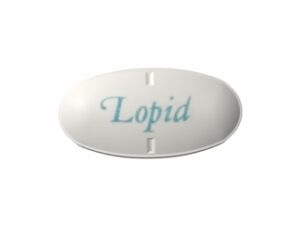
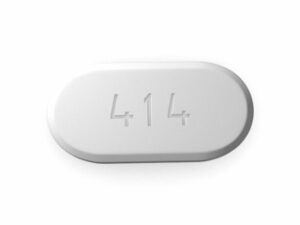
Tricor (Fenofibrate) — Patient Guide (Australia)
Tricor is a brand of fenofibrate, a medicine used to help improve certain blood fat levels (lipids), particularly triglycerides and HDL cholesterol, and to support a broader cardiovascular risk management plan. This page explains how Tricor works, how it is used, and important safety information in clear, practical terms for people in Australia.
| Medicine | Tricor |
|---|---|
| Active ingredient | Fenofibrate |
| Common use | Helps lower high triglycerides; may raise HDL |
| Typical dosing | Varies by product strength and prescriber plan |
| How to take | Usually once daily (or as directed); follow product instructions |
| Key safety focus | Liver function, muscle symptoms, kidney function |
Basic product information
What is Tricor?
Tricor contains fenofibrate, a medicine from the fibrate family. It is designed to improve lipid levels when diet and lifestyle measures alone are not enough.
What is it used for?
It is commonly used to treat high triglycerides and mixed lipid disorders in situations where lipid management is important for long-term health and to reduce the risk of complications associated with very high triglyceride levels.
Where it fits in overall care
Tricor is usually part of a broader plan that may include dietary changes, weight management, increased physical activity, reduced alcohol intake, and—depending on your cholesterol profile and risk factors—other lipid-lowering medicines.
How fenofibrate works (mechanism of action)
Fenofibrate works mainly by activating a cellular regulator called PPAR-α (peroxisome proliferator-activated receptor alpha). When activated, it influences several processes that control how the body handles fats:
- Increases breakdown of triglycerides by enhancing the activity of enzymes involved in lipid metabolism.
- Reduces triglyceride levels in the blood.
- May improve HDL cholesterol (often raising HDL modestly).
- Can affect LDL cholesterol—for some people with mixed dyslipidaemia, LDL may also fall, but responses vary depending on baseline lipid pattern.
Why triglycerides matter: Very high triglycerides can increase the risk of pancreatitis. Lowering triglycerides can help reduce that risk, alongside lifestyle management.
Pharmacokinetics (how the body processes Tricor)
Understanding pharmacokinetics can help you take your medicine more effectively.
- Absorption: Fenofibrate absorption can be influenced by food. Many formulations are designed for better absorption when taken with food, which may improve consistency of effect.
- Conversion/metabolism: Fenofibrate is metabolised in the body to an active form (commonly referred to as fenofibric acid in clinical materials).
- Distribution: The active metabolites distribute through the body and act on lipid metabolism pathways.
- Elimination: Excretion primarily occurs via the kidneys. This is why kidney function matters for safe use.
- Steady effect: Lipid improvements are typically assessed over several weeks after starting, because blood fat levels respond gradually.
Important note: Specific pharmacokinetic details can vary slightly across product strengths and formulations. Always follow the instructions provided with your Tricor pack.
Typical uses in Australia
Tricor (fenofibrate) is used to manage lipid disorders, particularly:
- High triglycerides (including very high triglyceride levels where reducing risk of pancreatitis is a priority).
- Mixed dyslipidaemia in selected patients—especially when triglycerides are significantly elevated and/or HDL is low.
- Hyperlipidaemias where clinician assessment indicates a fibrate is appropriate alongside diet and lifestyle measures.
Not a replacement for lifestyle changes: Medication works best when paired with targeted changes such as reducing saturated fats, limiting refined carbohydrates (especially for triglyceride control), and addressing weight, activity, and alcohol intake.
Indications (when it may be recommended)
In clinical practice, Tricor may be recommended for adults when:
- Triglycerides are high despite initial lifestyle efforts; and/or
- There is a need to reduce the risk associated with very high triglycerides; and/or
- Your lipid profile indicates a pattern where fenofibrate is expected to help (as determined by a clinician and supported by follow-up blood tests).
Doctor/clinician review is essential because the choice of therapy depends on your lipid pattern, cardiovascular risk, kidney and liver function, and potential interactions with other medicines.
Dosing: how much and how often
Always follow the dosing instructions on your Tricor pack or provided by your healthcare professional. Dosage can vary based on the specific strength, formulation, and your kidney function.
General guidance (patient-friendly)
- Common schedule: Many people take fenofibrate once daily.
- Timing: Choose a consistent time each day to maintain steady blood levels.
- Kidney function matters: If you have reduced kidney function, your clinician may adjust the dose or choose an alternative approach.
- Liver function monitoring: Blood tests may be used to ensure your liver is tolerating the medicine.
What to do if you miss a dose
- If you miss a dose, take it when you remember if it’s still close to your usual time.
- If it’s almost time for the next dose, skip the missed dose.
Ask your pharmacist for advice specific to your dosing schedule.
When it starts working and timing with meals
How quickly you may notice benefits
Because triglycerides and other lipids reflect ongoing metabolism, improvements are usually assessed with blood tests rather than felt directly.
- Some lipid changes can begin within days to weeks.
- Your clinician typically checks lipid levels after a suitable interval to confirm response (often within a few weeks, depending on the plan).
Food timing and absorption
Fenofibrate absorption can be influenced by food. For many patients, taking Tricor with food improves and stabilises absorption.
- Take it with a meal if your instructions say so.
- Try to take it the same way each day (for example, with your main meal).
- If you have a stomach upset after taking it, speak with your pharmacist—timing changes may help.
Tip: If you’ve been told to take it with food, avoid taking it on an empty stomach unless your product instructions clearly state otherwise.
Alcohol and medicine interactions
Alcohol can affect triglyceride levels and can also add strain to the liver. Combining alcohol with medicines that require liver monitoring may increase risk.
Alcohol and triglycerides
- Alcohol—especially in higher amounts—can increase triglycerides.
- When triglycerides are already high, limiting or avoiding alcohol may be strongly beneficial.
Practical approach
- If you drink alcohol, consider discussing a safe amount with your clinician.
- For very high triglycerides, many people are advised to minimise or avoid alcohol.
Other medicine interactions (general)
Fenofibrate interacts with certain medicines by affecting metabolism pathways or increasing the risk of side effects, particularly involving muscles and liver. Always tell your pharmacist or clinician about all medicines, supplements, and herbal products.
- Statins (cholesterol-lowering medicines): Combining fenofibrate with statins may increase the risk of muscle-related side effects in some people. If your clinician prescribes both, monitoring is important and you should report muscle pain or weakness promptly.
- Blood thinners (warfarin): Fenofibrate may enhance the effect of warfarin, potentially increasing bleeding risk. Clinicians often monitor INR more closely.
- Diabetes medicines: If you have diabetes, your clinician may monitor blood glucose and adjust diabetes therapy if needed (lipid changes and weight changes can affect overall control).
- Bile acid sequestrants or other lipid medicines: Some lipid medicines affect absorption of others. Your pharmacist may advise spacing doses.
Essential: Interaction risk depends on your exact regimen. Your pharmacist can review your medicines for safety.
Food interactions and what to watch for
Beyond timing with meals, fenofibrate does not have many “specific foods” that are strictly forbidden. However, dietary patterns influence triglycerides.
- High sugar/refined carbohydrate intake can raise triglycerides; reducing these foods can improve results.
- High alcohol intake can worsen triglycerides and may affect liver health.
- Very fatty meals may not be ideal if triglycerides are high—consider a heart-healthy diet plan.
Takeaway: Use food changes to support the medication’s effect rather than relying on medication alone.
Safety profile: common and serious side effects
Most people tolerate Tricor well, but like all medicines it can cause side effects. Knowing what to watch for helps you seek help early.
Commonly reported effects
- Stomach-related symptoms (e.g., indigestion, nausea, mild abdominal discomfort)
- Headache
- Changes in blood test results (e.g., liver function or other lab values may shift)
Serious side effects — seek urgent advice
Contact your healthcare professional urgently or seek emergency help if you experience symptoms that may signal serious problems:
- Muscle pain, tenderness, weakness, or dark-coloured urine (possible muscle injury). This is especially important if you’re also taking a statin.
- Symptoms of liver problems such as yellowing of the skin/eyes (jaundice), dark urine, severe fatigue, persistent nausea/vomiting, or upper right abdominal pain.
- Allergic reactions such as facial swelling, breathing difficulty, or widespread rash.
- Significant abdominal pain (particularly if severe and persistent), which may relate to pancreatitis or other conditions—especially in the context of very high triglycerides.
Who needs extra caution?
- People with kidney disease (dose and monitoring may be needed).
- People with liver disease or abnormal liver blood tests.
- Older adults may have higher sensitivity to side effects and may need closer monitoring.
- People taking multiple lipid-lowering medicines or those with complex medicine regimens.
- People with a history of muscle problems related to lipid medicines.
Practical tips for safe and effective use
- Keep up with blood tests: Your clinician may monitor lipid levels and also kidney and liver function.
- Report muscle symptoms early: Don’t “wait and see” if you develop unusual muscle pain or weakness—especially if you’re also on a statin.
- Stay consistent with meal timing: If your instructions say to take with food, do so daily.
- Support medication with diet: Focus on reducing refined carbs and alcohol, and choosing unsaturated fats (e.g., olive oil, nuts, fish where appropriate).
- Hydration helps kidney health: Particularly if you’re active, in warm weather, or prone to dehydration.
- Review supplements and herbal products: Some may affect liver function or interact with medicines.
- Don’t stop suddenly without advice: If Tricor is prescribed for a lipid plan, stopping can allow triglycerides to rise again. Discuss changes with your clinician.
Alternative options to consider
Depending on your lipid pattern and overall risk, clinicians may consider alternatives to fenofibrate or different combinations.
Common alternatives
- Statins (e.g., for primarily LDL cholesterol lowering and cardiovascular risk reduction).
- Omega-3 fatty acids (often used for triglyceride reduction in some patients; dosing and product quality vary).
- Other fibrates (some regions use different fibrates; availability may differ).
- Newer triglyceride-focused therapies (depending on eligibility and clinical guidance).
Lifestyle-focused options that often work well
- Weight management if overweight
- Reducing sugar and refined carbohydrates
- Limiting alcohol
- Regular physical activity
- Smoking cessation (if applicable) for overall cardiovascular risk
Note: The best alternative depends on whether your priority is triglyceride lowering, LDL reduction, or overall cardiovascular risk management.
Market and legal context in Australia
Tricor (fenofibrate) is an established lipid-lowering medicine. Availability and product listings are managed under Australian regulatory and medicines scheduling frameworks.
- Quality and manufacturing: Medicines distributed in Australia must meet Australian regulatory standards.
- Safety monitoring: Healthcare systems in Australia commonly use medicine information resources and blood-test monitoring recommendations for medicines like fenofibrate.
- Ongoing guidance: Clinical recommendations may evolve as new evidence emerges.
Important: Always rely on the dosing and monitoring guidance provided with your specific Tricor product pack, and seek advice from qualified healthcare professionals for personal suitability.
Recent guidance and monitoring considerations
Lipid management guidance in Australia is influenced by cardiovascular risk research and safety monitoring data. Key themes that remain consistent include:
- Individualised treatment targets based on lipid profile and cardiovascular risk.
- Triglyceride-focused strategies for very high levels, often including reducing alcohol, refined carbohydrates, and addressing secondary causes (such as poorly controlled diabetes or thyroid problems).
- Kidney and liver monitoring with fibrates, particularly if you have risk factors for impairment.
- Caution with combination therapy—especially statin + fibrate—due to muscle-related risk.
Because clinical guidance can update, it’s wise to keep appointments for review and blood tests after starting or changing therapy.
Delivery and availability (online pharmacy)
Tricor availability can vary by stock levels and the specific strength/formulation you need. Many online pharmacies in Australia can offer:
- Home delivery within metropolitan and regional areas (delivery times vary by location).
- Secure packaging to protect tablets and labels.
- Customer support to clarify product availability and expected dispatch times.
Delivery tip: If you’re running low, consider ordering with enough time for dispatch and transit, especially if you have regular monitoring schedules.
FAQ about Tricor (fenofibrate)
1) What does Tricor help with?
Tricor (fenofibrate) helps lower triglycerides and can improve lipid patterns such as HDL and, in some cases, LDL, depending on your baseline levels and overall risk profile.
2) How long will I need to take it?
Many people take lipid medicines long-term as part of ongoing risk management. The duration depends on your lipid levels, response, and any side effects. Your clinician will review blood test results to guide ongoing use.
3) Should I take Tricor with food?
For many fenofibrate formulations, absorption may be better with food. Follow the instructions on your specific product label. If you are unsure, ask your pharmacist.
4) Can I drink alcohol while on Tricor?
Alcohol can increase triglycerides and may affect liver health. If you drink, keep it limited and discuss a safe approach with your clinician—especially if your triglycerides were very high at baseline.
5) Are there foods I should avoid?
There are no universal “banned foods,” but triglyceride control is often improved by reducing refined carbohydrates and limiting alcohol. A heart-healthy diet supports the medicine’s effect.
6) What blood tests are usually monitored?
Clinicians commonly monitor lipid levels and may check kidney function and liver function. The exact schedule depends on your health status and treatment plan.
7) What should I do if I get muscle pain or weakness?
Contact your healthcare professional promptly. Muscle pain with weakness, tenderness, or dark urine can be a sign of serious muscle injury, particularly in higher-risk combinations.
8) Can Tricor be taken with a statin?
Some people are prescribed combination therapy under clinician supervision. However, combining can increase the risk of muscle-related side effects. If you take both, be alert for symptoms and attend recommended monitoring.
9) What if I have kidney problems?
Kidney function affects fenofibrate elimination. You may need dose adjustment and closer monitoring. Tell your clinician about any kidney disease or past abnormal kidney blood tests.
10) Is Tricor suitable for everyone?
Not necessarily. Suitability depends on medical history, current medications, kidney and liver health, and your lipid profile. Your pharmacist can help review general information, and your clinician can confirm whether it’s appropriate for you.
11) What should I do if I miss a dose?
Take it when you remember if it’s near your usual time. If it’s close to the next scheduled dose, skip the missed dose. Don’t double up.
12) Can I stop Tricor if my blood tests improve?
Improvement doesn’t always mean the underlying risk has resolved. Stopping can cause triglycerides to rise again. Discuss any changes with your clinician before stopping.
When to seek help
Seek medical advice promptly if you develop symptoms that could indicate serious side effects (such as muscle pain/weakness, yellowing of the skin/eyes, or severe persistent abdominal pain), or if you have new or worsening symptoms after starting Tricor.
Remember: For personal advice on suitability, dose, monitoring schedule, and interactions, speak with a qualified healthcare professional or your pharmacist.