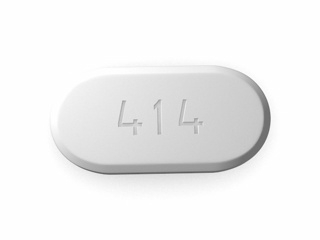
Zetia (Ezetimibe) – Patient Information for Australia
Zetia is a cholesterol-lowering medicine containing ezetimibe. It is used as part of a broader plan to improve blood fat levels and lower cardiovascular risk in people with high cholesterol or certain inherited lipid disorders. This guide explains how Zetia works, how it is typically used, important safety information, and practical tips for everyday use in Australia.
Key product details
| Information | What it means for you |
|---|---|
| Medicine name | Zetia (Ezetimibe) |
| What it is | A lipid-lowering medicine that reduces cholesterol absorption |
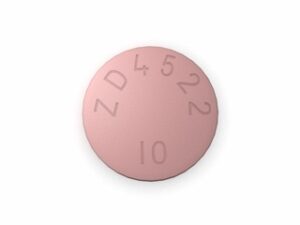
| Common strengths | Typically 10 mg tablets (confirm your pack for exact strength) |
| How it is taken | Usually once daily, with or without food |
| Where it works | In the gut (small intestine), reducing cholesterol absorption |
| Used for | High LDL (“bad”) cholesterol, mixed dyslipidaemia, and certain genetic disorders |
| Best used with | Lifestyle changes; often combined with a statin or other cholesterol treatments |
How Zetia works (mechanism of action)
Ezetimibe belongs to a class of medicines that reduce cholesterol absorption in the intestine. It targets a specific transporter known as NPC1L1 (Niemann-Pick C1-Like 1), which helps move cholesterol from the small intestine into the bloodstream.
- Reduces cholesterol uptake from food and bile in the gut.
- Helps lower LDL-cholesterol levels in the blood.
- Often complements statins: statins mainly reduce cholesterol production in the liver, while ezetimibe reduces intestinal absorption.
In combination therapy, this “two-pronged” approach can produce additional LDL lowering compared with either strategy alone.
Pharmacokinetics (how the body handles Zetia)
Understanding how ezetimibe is processed can help you take it correctly and recognise why certain interactions matter. After you swallow Zetia, the medicine is absorbed and then converted to its active form.
- Absorption: Ezetimibe is absorbed from the gastrointestinal tract, then converted in the intestinal wall and liver.
- Active metabolite: The active compound (ezetimibe) circulates primarily as ezetimibe and its glucuronide conjugate (major metabolic pathway).
- Time to peak effect: Blood levels rise after dosing; the exact timing can vary by person and with food.
- Elimination: Excretion occurs primarily via the bile and faeces pathway.
- Half-life: The medicine’s effect persists long enough for once-daily dosing in most people.
Because ezetimibe acts mainly in the gut and is processed through hepatic pathways, liver function monitoring may be considered for some patients—especially when used with other lipid medicines.
What Zetia is typically used for (indications)
Zetia is used to improve lipid levels, particularly low-density lipoprotein (LDL) cholesterol, and to manage other cholesterol-related conditions.
- Primary (non-inherited) hypercholesterolaemia: to lower LDL cholesterol, often as an addition to diet and other therapy.
- Mixed dyslipidaemia: when both LDL and triglycerides are elevated.
- Homozygous familial hypercholesterolaemia (HoFH): in combination with other lipid-lowering treatments (such as statins and/or other therapies), based on local clinical practice.
- Heterozygous familial hypercholesterolaemia (HeFH): in combination therapy or as indicated by a clinician, particularly when LDL levels remain high despite lifestyle changes and/or statin therapy.
Your exact treatment plan depends on your lipid results, overall cardiovascular risk, personal medical history, and the medicines you are already taking.
How to take Zetia (dosing and timing)
For most adults, Zetia is taken as a once-daily dose, typically 10 mg. Tablets are usually swallowed with water. Your pharmacy label and prescriber instructions should guide the exact dose and schedule.
Typical dosing approach
- Adults: commonly 10 mg once daily.
- With other lipid medicines: Zetia is often combined with a statin for greater LDL lowering.
- If medication changes occur: continue taking Zetia as directed during transitions, and re-check lipids at intervals recommended by your clinician.
Timing
Ezetimibe can generally be taken at any time of day. Choose a time that suits your routine to help you remember:
- Consistency is helpful: take it around the same time each day.
- No special “on an empty stomach” requirement: it may be taken with or without food.
Food interactions
Food generally does not require special timing for ezetimibe. Many people can take Zetia with meals without reducing effectiveness.
- With or without food: usually acceptable.
- Food high in fat: may affect absorption of some lipid-lowering medicines; if you notice differences in how you feel or if you are advised to take a medicine with specific meals, follow that guidance.
If your regimen includes other lipid medicines (for example, bile acid sequestrants), your pharmacist may advise specific spacing because some medicines can reduce absorption of other tablets.
Alcohol and medicine interactions
Alcohol
Moderate alcohol may be compatible with ezetimibe for many people. However, alcohol can affect liver health and may increase side effects for some individuals—particularly if you also take other cholesterol medicines. If you have liver disease or past abnormal liver function tests, discuss alcohol use with your healthcare professional.
- Avoid excess alcohol: heavy drinking can increase liver strain.
- Be alert to symptoms: if you develop unusual fatigue, dark urine, or yellowing of the skin/eyes, seek medical advice promptly.
Interactions with other medicines
Zetia can interact with certain medicines and supplements. Tell your pharmacist or clinician about everything you take, including non-prescription medicines and herbal products.
- Statins (e.g., atorvastatin, simvastatin, rosuvastatin): co-administration is common and often effective, but combined therapy may increase the need to monitor for muscle-related side effects (see Safety section).
- Bile acid sequestrants (e.g., cholestyramine, colestipol): these can reduce absorption of some medicines. Your pharmacist may recommend separating doses by several hours.
- Fibrates (e.g., fenofibrate, gemfibrozil): used for specific lipid patterns; combination therapy may require extra attention to safety and monitoring plans.
- Cholesterol absorption inhibitors: avoid duplicate therapies unless specifically planned by your clinician.
- Anticoagulants (e.g., warfarin): if you take warfarin, your international normalised ratio (INR) and bleeding risk should be monitored, as interactions can affect clotting control.
- Other medicines metabolised through liver pathways: not all interactions are significant, but it’s important to review your full medication list.
Practical tip: Keep a medication list (including doses) and bring it to your next review. If you start or stop any medicine, check for interaction advice before making changes.
Safety profile (important considerations)
Like all medicines, Zetia can cause side effects in some people. Many are mild and temporary, while serious reactions are uncommon. If you experience troubling symptoms, contact a healthcare professional promptly.
Common or mild side effects
- Headache
- Gastrointestinal symptoms (e.g., abdominal discomfort, diarrhoea)
- Fatigue or general unwell feeling
- Muscle aches may occur, particularly when combined with other lipid medicines (see below)
Serious side effects—seek urgent medical advice
Serious effects are uncommon, but it’s important to know what to look for.
- Allergic reactions: swelling of the face/lips, difficulty breathing, severe rash or hives.
- Severe liver problems: yellowing of the skin/eyes (jaundice), dark urine, severe upper abdominal pain, or persistent nausea/vomiting.
- Muscle injury (rare but important): unexplained muscle pain, tenderness, weakness, or dark urine—especially if severe or accompanied by fever or feeling very unwell.
Muscle symptoms (when used with statins)
Muscle-related symptoms are more likely when ezetimibe is used alongside statins, although many people tolerate therapy well. If you develop muscle pain that is new, severe, or persistent, stop and seek advice—your clinician may check a blood test (often creatine kinase) and review your regimen.
Who should take extra care
- Liver disease or past abnormal liver function tests: follow monitoring recommendations.
- History of muscle problems with cholesterol medicines: discuss risk and monitoring options.
- Pregnancy or breastfeeding: suitability depends on individual circumstances—seek medical advice.
- Older adults: usually can take Zetia, but review all medications for interactions.
Practical use tips (to get the best results)
- Take consistently: lipid medicines often work over weeks. Don’t stop early because you feel “fine”—cholesterol control is ongoing.
- Pair with lifestyle changes: diet, weight management, physical activity, and smoking cessation significantly influence long-term outcomes.
- Know your target: ask what LDL goal (or treatment target) applies to you.
- Check labs as advised: follow lipid and liver-related monitoring schedules provided by your clinician.
- Use a pill organiser: helpful for once-daily regimens.
- If you miss a dose: take it when you remember on the same day. If it is close to the next dose, skip the missed tablet—do not double up. If unsure, ask your pharmacist.
Alternative options for cholesterol lowering
If Zetia isn’t suitable or you’re looking for other ways to lower cholesterol, there are several options. The best choice depends on your lipid pattern, cardiovascular risk, and what you already take.
Other medicines (common categories)
- Statins: e.g., atorvastatin, rosuvastatin, simvastatin—main medicines for LDL reduction.
- PCSK9 inhibitors: injectable medicines for certain high-risk or familial cases.
- Bempedoic acid: an oral non-statin option in some settings.
- Fibrates: primarily for high triglycerides.
- Bile acid sequestrants: used selectively; may require dose spacing.
- Omega-3 fatty acids (for triglycerides): may be used in selected patients.
Non-medicine alternatives and supportive steps
- Dietary changes: reducing saturated fats and refined carbohydrates; increasing soluble fibre.
- Physical activity: helps improve lipid profile and overall cardiovascular health.
- Weight management: can lower LDL and triglycerides and improve insulin sensitivity.
- Smoking cessation: reduces cardiovascular risk significantly.
Don’t change therapy without medical advice. Switching or combining medicines should be guided by your results and safety considerations.
Market and legal context in Australia
In Australia, access to prescription medicines is regulated under national healthcare rules and state/territory pharmacy requirements. Availability may vary by formulation and brand, and some products may be restricted to dispensing by licensed pharmacies.
- Quality and regulation: medicines supplied in Australia are subject to quality and safety standards.
- Pharmacist support: pharmacists can help check interactions, advise on how to take the medicine, and discuss monitoring needs.
- Continuity of care: regular reviews help ensure treatment remains appropriate and safe as your health status changes.
If you are unsure about eligibility, required documentation, or local dispensing rules, speak with your Australian pharmacy team before placing an order.
Recent guidance and clinical practice considerations
Cholesterol management guidance continues to emphasise a combination of lifestyle measures and evidence-based medicines tailored to cardiovascular risk. Ezetimibe is widely used as:
- Adjunct therapy when LDL targets are not reached with lifestyle changes alone.
- Add-on to statins to achieve further LDL lowering with improved risk reduction.
- Part of combination therapy in selected inherited lipid disorders and high-risk groups.
Clinical decisions should follow up-to-date local recommendations and consider your laboratory results, tolerance to medicines, and overall risk profile.
Delivery and availability (online pharmacy)
Zetia may be available through licensed online pharmacies in Australia, subject to local requirements and your dispensing status. Delivery times depend on stock availability and your location.
- Stock availability: some medicines may be subject to short-term supply fluctuations.
- Packaging: medicines are typically supplied in manufacturer-approved packaging.
- Delivery: tracking and estimated delivery windows are commonly provided.
- Storage: store tablets in a cool, dry place and protect from moisture; keep out of reach of children.
For the most accurate information on delivery fees, timelines, and stock, check the pharmacy’s product page and checkout details.
FAQ about Zetia (Ezetimibe)
1) What does Zetia do?
Zetia (ezetimibe) lowers LDL (“bad”) cholesterol by reducing the amount of cholesterol absorbed from the intestine.
2) How quickly will my cholesterol improve?
Cholesterol changes typically occur over several weeks. Lipid tests are commonly repeated after a period of consistent treatment to assess response and guide next steps.
3) Can I take Zetia with food?
Yes. Zetia is generally taken with or without food.
4) Is Zetia a statin?
No. Zetia is not a statin. It works differently by targeting cholesterol absorption in the gut. It is often used together with statins for greater LDL lowering.
5) What should I do if I miss a dose?
Take it when you remember on the same day. If it’s nearly time for the next dose, skip the missed tablet. Do not take a double dose. If you’re unsure, ask your pharmacist.
6) What side effects are common?
Possible side effects include headache and gastrointestinal symptoms such as abdominal discomfort or diarrhoea. When combined with statins, muscle aches may occur in some people—report severe or persistent symptoms promptly.
7) Does Zetia affect the liver?
Serious liver problems are uncommon, but liver-related tests may be monitored, especially with combination lipid therapy. Seek advice if you develop symptoms such as yellowing of the skin/eyes or dark urine.
8) Can I drink alcohol while taking Zetia?
Moderate alcohol may be acceptable for many people. However, because cholesterol medicines can be related to liver health and because alcohol affects the body differently in different individuals, avoid excess alcohol and discuss your situation with a healthcare professional if you have liver disease or abnormal liver tests.
9) Are there any medicine interactions I should know about?
Interactions can occur with certain medicines, including anticoagulants (such as warfarin), bile acid sequestrants, fibrates, and statins. Always review your full medication list with a pharmacist to reduce the risk of interactions.
10) What are the alternatives to Zetia?
Alternatives include statins, PCSK9 inhibitors, bile acid sequestrants, fibrates (mainly for triglycerides), and other cholesterol-lowering therapies. Your best option depends on your lipid profile and cardiovascular risk.
Summary
Zetia (ezetimibe) helps lower cholesterol by reducing cholesterol absorption in the intestine. It is commonly used as an add-on to lifestyle changes and often combined with statins to achieve stronger LDL reduction. Most people tolerate it well, but it’s important to remain alert to symptoms that could suggest liver problems or significant muscle injury—particularly if used alongside statins. For the safest and most effective treatment, follow your pharmacist’s and healthcare professional’s instructions and keep up with recommended monitoring.