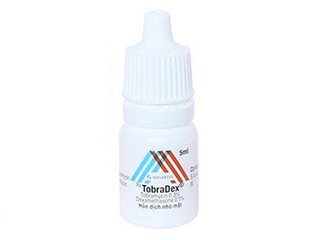
Tobradex (Obramycin / Dexamethasone) Eye Ointment & Eye Drops — Patient Information (Australia)
Tobradex is a medicine used to treat certain eye infections and inflammation. It contains two active ingredients:
- Obramycin (an antibiotic, sometimes referred to as an aminoglycoside)
- Dexamethasone (a corticosteroid that helps reduce inflammation)
This combination is designed to control both infection (with obramycin) and inflammation (with dexamethasone). Depending on the exact product presentation you are given (ointment or drops), the dosing and comfort can vary.
| Product | Active ingredients | Common forms | Key purpose |
|---|---|---|---|
| Tobradex | Obramycin + Dexamethasone | Eye drops and/or eye ointment | Treat infection with anti-inflammatory support |
How Tobradex works (Mechanism of Action)
Obramycin (antibiotic): Obramycin helps stop the growth of susceptible bacteria. It works by interfering with bacterial protein synthesis, which bacteria need to multiply and survive.
Dexamethasone (corticosteroid): Dexamethasone reduces inflammation by decreasing the release of inflammatory chemicals and by suppressing aspects of the immune response in the eye. This can lower redness, swelling, discomfort, and certain inflammatory signs.
Why the combination matters: Eye problems can involve both bacteria and inflammation. Tobradex aims to address both components at the same time—often used when inflammation is significant alongside infection.
Pharmacokinetics (What the body does with the medicine)
Because Tobradex is used in the eye, much of the medicine acts locally (in the eye tissues). After eye application:
- Local drug exposure: Obramycin and dexamethasone reach ocular tissues to exert antibacterial and anti-inflammatory effects.
- Systemic absorption: Some medicine may drain through the eye’s tear drainage system into the nose and be swallowed, leading to limited systemic absorption.
- Ocular elimination: The eye clears medicine through natural drainage and tear turnover.
- Metabolism & clearance: Systemically absorbed dexamethasone is metabolised by the liver and eliminated mainly through the kidneys. The overall systemic exposure from typical eye use is usually low.
Important practical point: While systemic absorption is generally limited, certain people (e.g., children, those requiring prolonged use, or those using multiple steroid-containing medicines) may be more sensitive to steroid-related effects.
Typical uses (Indications)
Tobradex is commonly used for conditions where a bacterial infection and inflammation occur together in the eye. Indications may include:
- Bacterial conjunctivitis with accompanying inflammation
- Inflammation following infection where bacterial involvement is suspected or confirmed
- Other ophthalmic infections where the prescriber considers both antibiotic coverage and anti-inflammatory treatment appropriate
Not for all eye redness: Eye redness may be caused by viral infections, allergies, irritation, dry eye, or other conditions. Because Tobradex contains a steroid, it is not suitable for every cause of red, painful, or watery eyes.
When to use Tobradex (Timing and duration)
The most appropriate schedule depends on your specific product and your healthcare advice. In general:
- Start as directed: Use at the times recommended, often several times daily early in treatment.
- Keep consistent intervals: Try to space doses evenly (for example, morning, midday, evening, and at bedtime) to maintain steady coverage.
- Do not stop early if symptoms improve: Unless advised, finish the intended course so the infection is properly controlled.
- Mind the steroid duration: Steroids in the eye can increase the risk of raised eye pressure and other complications when used too long. Use only for the intended length of time.
If symptoms do not improve or get worse after a few days of treatment, seek urgent ophthalmic advice. Persistent or severe symptoms may indicate an incorrect diagnosis or a resistant organism.
Dosing (General information)
Dosing must be individualised. The information below is general and intended to help you understand what typical regimens look like.
| Form | Typical dosing pattern (general) | How to apply |
|---|---|---|
| Eye drops | Often multiple times daily, especially at the start | 1 drop into the affected eye(s) |
| Eye ointment | Often at fewer times daily; may be used at night for comfort | A small ribbon/amount into the lower eyelid |
Practical tip: If you are using both an ointment and drops, they should be spaced to avoid washing out the ointment. Ask your pharmacist or clinician for a clear schedule.
Missed dose: If you miss a dose, apply it when you remember unless it is close to the next dose. Do not double up.
Food interactions
Food interactions are unlikely with Tobradex because it is applied to the eye and primarily acts locally. However, some medicine may drain into the throat and be swallowed. If you experience stomach upset, nausea, or other unusual symptoms, speak with your pharmacist.
If you have dietary restrictions (for example, due to other medications), Tobradex usually does not require changes.
Alcohol interactions
There is no well-established direct alcohol interaction with Tobradex used as prescribed. However:
- Alcohol can worsen certain side effects such as dizziness or blurred vision for some people (especially if you are already unwell).
- Because eye inflammation can impair vision, it’s wise to avoid alcohol if your eyesight is affected.
If you are taking other medicines that interact with alcohol (e.g., sedatives), follow the advice for those medicines.
Medicine interactions
Tobradex may interact with other eye medicines, mainly through combined effects or additive side effects. Tell your healthcare professional about all medicines you use, including:
- Other eye drops or ointments
- Eye pressure medicines (glaucoma drops)
- Other steroid-containing products (eye drops, tablets, inhalers, creams)
- Antibiotics or antivirals you are already using
Using more than one eye product:
- Leave a gap of about 5–15 minutes between different eye drops, unless your clinician instructs otherwise.
- Ointments are usually applied last, because ointment can interfere with absorption of drops.
Contact lenses: You should generally avoid contact lenses while you have an eye infection or inflammation unless specifically advised otherwise.
Safety profile and important precautions
Most people tolerate Tobradex well when used for the intended period. However, it contains a steroid, so careful use is important.
Common side effects
- Temporary burning, stinging, or irritation after application
- Redness or mild discomfort
- Blurred vision temporarily (more likely with ointment)
- Watery eyes or mild dryness
Less common but important risks (especially due to the steroid component)
- Raised intraocular pressure (risk of glaucoma-like changes)
- Posterior subcapsular cataracts with longer-term steroid use
- Delayed healing of eye injuries
- Increased risk of fungal or viral eye infections if the underlying cause is not bacterial
Seek urgent medical attention if you develop:
- Worsening pain, significant light sensitivity, or rapidly increasing redness
- Vision changes that do not quickly settle after instillation
- Severe discharge or swelling
- Symptoms suggesting a corneal problem (especially if you wear contact lenses)
Who should take extra care
- People with glaucoma or a history of raised eye pressure
- People with cataracts
- Those with viral eye disease (for example, known herpes simplex infection)
- People with fungal eye infections or those at high risk
- Children (use only under healthcare guidance and with appropriate monitoring)
Practical use tips (How to apply Tobradex safely)
Correct technique improves effectiveness and reduces contamination risk.
- Wash your hands thoroughly.
- Check the tip of the bottle/tube—ensure it is not cracked or contaminated.
- For drops: tilt your head back, pull down the lower eyelid to form a small pocket, and apply 1 drop without touching the eye.
- For ointment: pull down the lower eyelid and apply a small ribbon of ointment into the pocket. Avoid touching the tube tip to the eye.
- Close the eye gently for 1–2 minutes. Try not to blink excessively.
- Nasolacrimal occlusion (optional but helpful): after applying, gently press the inner corner of the eye (near the nose) for about 1 minute. This may reduce drainage into the throat.
- Wipe away excess with a clean tissue.
- Replace the cap immediately and store as directed.
Contact lenses: remove lenses before application. Wait for advice before reusing them. Many people are advised to avoid lenses until symptoms have fully resolved.
Driving and machinery: if vision becomes blurred, wait until it clears before driving or operating machinery.
Recent guidance and clinical considerations in Australia
In Australia, management of eye infections focuses on:
- Confirming the cause of redness and discharge (bacterial vs viral vs allergic vs irritation).
- Judicious steroid use because steroids can mask or worsen infections like herpes simplex or fungal keratitis and can increase intraocular pressure.
- Monitoring when steroid-containing drops/ointment are used, especially for longer courses or in people at risk of glaucoma or cataracts.
Eye symptoms that are severe, painful, associated with reduced vision, or involve contact lens wear should be assessed promptly by a clinician to reduce the risk of corneal complications.
Alternative options (Depending on the cause)
If Tobradex is not suitable (for example, if inflammation is not driven by bacterial infection), other treatment approaches may be considered:
- Antibiotic-only drops or ointment (for suspected bacterial infection without a need for steroid suppression)
- Lubricating eye drops for irritation or dry eye (not an antibiotic)
- Anti-allergy eye drops if the redness is due to allergy
- Antiviral treatment if herpes simplex is suspected or confirmed
- Non-steroid anti-inflammatory options in selected cases (depending on clinical assessment)
Important: Alternatives depend strongly on the underlying diagnosis. If you are unsure whether your condition is bacterial, avoid steroid-containing drops unless directed by a clinician.
Delivery and availability in Australia
Tobradex eye drops and Tobradex eye ointment are generally available through pharmacy supply channels in Australia. Availability can vary by formulation and pack size.
- Online ordering: you can usually order delivery to Australian addresses.
- Delivery times: standard delivery timelines depend on your location and courier service.
- Stock availability: products may occasionally sell out; replacement options or restocking notifications may be offered.
- Cold-chain: Tobradex typically does not require special cold storage; always follow the package instructions.
To ensure you receive the correct strength and form, check the label details carefully (eye drops vs eye ointment, and the active ingredient strengths).
Market and legal context (Australia)
Eye medicines in Australia are regulated under the Australian Therapeutic Goods framework. The exact supply category and prescribing/dispensing requirements depend on product classification, formulation, and current regulations.
Pharmacy products sold through legitimate Australian channels must meet quality and safety standards set by the relevant authorities. Always purchase from reputable suppliers and use the product in accordance with the instructions on the packaging or provided by your pharmacist/healthcare professional.
FAQ (Frequently asked questions)
1) What is Tobradex used for?
Tobradex is used to treat certain eye conditions where there is both bacterial infection and inflammation. It combines an antibiotic (obramycin) with a corticosteroid (dexamethasone).
2) Can I use Tobradex for all cases of red eyes?
No. Red eyes can be caused by viruses, allergies, irritation, dry eye, or other problems. Because Tobradex contains a steroid, it is not appropriate for every cause of redness—especially if herpes simplex or fungal infection is possible.
3) How quickly should I feel better?
Some improvement may occur within 1–3 days for mild bacterial infections. If symptoms are not improving after a few days, or if they worsen at any time, you should seek prompt eye assessment.
4) What if I wear contact lenses?
In many eye infections/inflammations, contact lenses should be avoided until the eye is fully better and a clinician/pharmacist says it is safe to resume. Contact lens wear can increase the risk of serious corneal complications.
5) Can I stop Tobradex once my eye looks better?
Do not stop early unless advised. Completing the intended course helps reduce the chance of incomplete eradication of infection. Steroid-related risks also increase with prolonged use, so follow the recommended duration.
6) Are there interactions with other eye drops?
Yes, primarily in terms of scheduling and combined effects. If you use other eye drops, separate them by 5–15 minutes and usually use ointment last. Tell your pharmacist about all products you are using.
7) Does Tobradex interact with food or alcohol?
Food interactions are generally unlikely. There is no well-known direct alcohol interaction, but alcohol may worsen overall symptoms such as irritation or blurry vision for some people.
8) Can Tobradex increase eye pressure?
Yes. Corticosteroids can raise intraocular pressure in susceptible individuals. If you have glaucoma risk or you are using Tobradex for more than a short period, eye pressure monitoring may be needed.
9) What side effects should worry me?
Contact urgent care or seek ophthalmic advice if you experience severe pain, rapidly worsening redness, light sensitivity, or vision changes. Also seek help if you suspect a corneal problem.
10) How do I store Tobradex?
Store according to the label instructions (commonly at room temperature, with cap tightly closed). Check expiry date and discard according to package guidance—especially for opened eye products.
Summary
Tobradex combines obramycin (to combat susceptible bacteria) and dexamethasone (to reduce inflammation). It is typically used for eye conditions where infection and inflammation occur together. Because the steroid component can carry risks—such as increased eye pressure and potential worsening of certain infections—Tobradex should be used correctly, for the intended duration, and with appropriate caution in people at risk.
If you have severe symptoms, contact lens–related eye concerns, or no improvement after a short period, it is important to seek timely eye care.