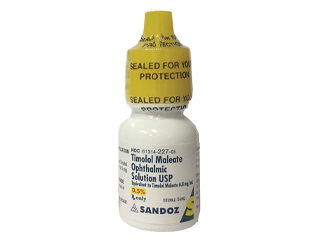
Timoptic (Timolol Maleate) Eye Drops – Patient Information (Australia)
Timoptic is an eye medicine containing timolol maleate, a type of medicine known as a beta-blocker. It is used to help lower eye pressure in certain eye conditions, including glaucoma and ocular hypertension. This patient-friendly guide explains how Timoptic works, how to use it properly, what to expect, and key safety information.
Product name: Timoptic (timolol maleate)
Medicine type: Beta-blocker (topical ophthalmic)
Route: Eye drops
Common purpose: Lowering intraocular pressure (IOP)
How Timoptic works (Mechanism of Action)
Timolol belongs to the group of medicines called beta-adrenergic receptor blockers. When applied to the eye, it helps reduce the production of fluid inside the eye (the aqueous humour). By decreasing this fluid production, Timoptic can help lower the intraocular pressure (IOP).
Lower IOP helps reduce risk of progression of glaucoma-related damage to the optic nerve and supports long-term vision preservation.
What conditions is Timoptic used for (Indications)
Timoptic is used to treat conditions where reducing eye pressure is important, including:
- Open-angle glaucoma
- Ocular hypertension (elevated eye pressure without established glaucoma)
- Some cases of other glaucomas where an ophthalmologist recommends a beta-blocker and a target IOP is required
Your eye specialist will decide whether Timoptic is appropriate based on your eye examination, eye pressure readings, and overall risk of optic nerve damage.
Pharmacokinetics (How the body handles timolol)
Timolol is applied to the eye, and part of the dose may enter the bloodstream through the tissues around the eye and the nose (this is because eye drops can drain through the tear drainage system into the nasal passages). Understanding this helps explain why some systemic (whole-body) side effects can occur in a small number of people.
- Absorption: Absorbs through the eye surface; some systemic absorption may occur.
- Distribution: Systemic timolol can reach the heart and lungs and may affect receptors elsewhere in the body.
- Metabolism: Primarily metabolised in the liver.
- Elimination: Excreted mainly via the kidneys.
- Onset: Eye pressure can begin to lower within hours of dosing; full effect may take ongoing use.
Because systemic absorption is possible, people with certain heart or lung conditions should use Timoptic with extra caution.
Typical dosing and timing
Dosing schedules can vary depending on your condition and how your eye pressure responds. Always follow the exact instructions provided by your healthcare professional and the product label.
Common adult dosing pattern
- Often: One drop into the affected eye(s), once or twice daily depending on the formulation and the treatment plan.
- Consistency matters: Try to use Timoptic at roughly the same times each day.
Timing tips
- Choose a routine: For example, morning and evening.
- If using more than one eye medicine: Use them in the correct order and allow appropriate spacing (often 5–10 minutes between different drops, unless your clinician advises otherwise).
- If you miss a dose: Use it when you remember unless it is close to the next dose. Skip the missed dose to avoid double dosing.
If you are unsure about your specific timetable, ask your pharmacist for help aligning it with your other eye drops.
How to use Timoptic correctly (Practical use tips)
Before you start
- Wash your hands.
- Check the bottle for expiry date and ensure the solution looks normal (do not use if visibly contaminated or changed).
- If using contact lenses, check your eye doctor’s instructions; many people are advised to remove lenses before using medicated drops and wait before reinserting.
Step-by-step application
- Prepare: Sit or stand in a comfortable position and look slightly upward.
- Open the bottle: Avoid touching the tip to your eye or surrounding skin.
- Place one drop: Gently pull down the lower eyelid to create a small “pocket”. Instil one drop into the affected eye.
- Avoid spreading: Close your eye gently.
- Nasolacrimal occlusion (recommended): Press a finger gently at the inner corner of your eye (near the nose) for about 1–2 minutes. This reduces drainage into the nose and may reduce systemic absorption.
- Wipe excess: If a drop spills onto the face, wipe carefully.
- Wait before other drops: Allow a gap (commonly 5–10 minutes) before using another eye medication.
After using Timoptic
- Keep your eyes closed gently; avoid rubbing.
- Replace the cap firmly.
- Wash your hands again.
Food interactions
Timoptic is used as an eye drop, so it is unlikely that food directly affects its action. However, as with any medicine, if you experience dizziness, tiredness, or changes in pulse rate (uncommon), consider how your overall health, hydration, and meals may be contributing.
No specific food restrictions are generally required for timolol eye drops.
Alcohol and medicine interactions
Alcohol
There is no specific alcohol “interaction” unique to timolol eye drops. That said, if Timoptic causes dizziness, tiredness, or low blood pressure in some people, alcohol could worsen these effects. Use alcohol cautiously, particularly when starting treatment or increasing the dose.
Interactions with other medicines
Even though Timoptic is applied locally, some systemic absorption can occur. Therefore, interactions may be possible. Inform your doctor or pharmacist about all medicines you use, including:
- Other beta-blockers (eye or oral) to avoid excessive beta-blockade effects.
- Medicines that affect heart rhythm or rate, such as certain antiarrhythmics.
- Medicines for blood pressure or the heart that can also lower pulse or blood pressure.
- Diabetes medicines: beta-blockers may mask some signs of low blood sugar (such as tremor or palpitations).
- Medicines for asthma or chronic lung disease: Timolol may worsen breathing symptoms in susceptible individuals.
- Some glaucoma medicines used in combination; timing and selection are often important.
If you are taking medicines for heart conditions, asthma, or diabetes, seek personalised advice from a pharmacist or doctor.
Safety profile and side effects
Most common eye-related effects
- Stinging or burning when instilled
- Dryness or mild irritation
- Redness of the eye
- Watery eyes
- Blurred vision for a short time after application
Possible systemic (whole-body) effects
Systemic side effects are uncommon but may occur due to absorption through the tear drainage system. These include:
- Slow heart rate (bradycardia)
- Low blood pressure or dizziness
- Shortness of breath or worsening of breathing symptoms (particularly in people with asthma or certain lung diseases)
- Tiredness
Serious warning signs – seek urgent medical help
Contact urgent medical services or seek immediate advice if you experience any of the following:
- Wheezing, severe breathlessness, or an asthma attack
- Fainting, severe dizziness, or a very slow pulse
- Chest pain or severe palpitations
- Severe eye pain, marked vision changes, or symptoms of eye infection
Who should use Timoptic with extra caution
- Asthma or chronic obstructive pulmonary disease (COPD)
- Heart rhythm problems or slow heart rate
- Low blood pressure or a history of fainting
- Diabetes (beta-blockers can mask some hypoglycaemia symptoms)
- People with a history of severe allergic reactions
If you have any of the above conditions, discuss risk–benefit with your eye doctor.
Safety considerations for driving and machinery
Some people experience blurred vision shortly after instilling eye drops. If your vision is blurred, avoid driving, operating machinery, or performing tasks that require clear vision until your eyesight is normal again.
Dosing adjustments and special populations
Dosing is generally guided by clinical response and the specific formulation. Special populations may require closer review:
- Older adults: Often use the same adult dosing, but clinicians monitor for dizziness or slow pulse.
- Children: Use depends on clinical judgement; not all formulations are routinely recommended for every age group.
- Kidney or liver impairment: Systemic absorption is possible but generally limited; your clinician will consider overall health.
When Timoptic is most effective (How to get the best results)
- Use regularly: Timoptic is typically a long-term treatment to help maintain target IOP.
- Don’t stop suddenly: Stopping can allow eye pressure to rise again.
- Keep appointments: Regular eye checks are essential to monitor optic nerve health and pressure.
- Correct drop technique: Proper instillation and nasolacrimal occlusion can improve tolerability.
Alternative options to Timoptic (Other glaucoma medicines)
If Timoptic is not suitable, does not achieve target pressure, or causes side effects, your eye doctor may consider alternatives. Common glaucoma medicine options include:
| Option type | Examples (general) | How they work (simplified) | Notes |
|---|---|---|---|
| Prostaglandin analogs | Latanoprost, travoprost (examples) | Increase fluid outflow to lower IOP | Often used once daily; may cause eyelash growth or iris colour change in some people |
| Carbonic anhydrase inhibitors | Dorzolamide, brinzolamide | Reduce aqueous humour production | May require multiple daily dosing |
| Alpha-agonists | Brimonidine | Reduce fluid production and increase outflow | May cause dryness or redness |
| Other beta-blockers | Alternative beta-blocker eye drops | Also reduce aqueous humour production | May differ in tolerability or dosing schedule |
| Combination drops | Two medicines in one bottle (examples) | Targets more than one pathway | May improve convenience; depends on individual treatment targets |
The “best” alternative depends on your eye pressure goals, side effects, other health conditions, and how you respond over time.
Market and legal context for Australia
In Australia, medicines are regulated through the Therapeutic Goods Administration (TGA). Eye drops for glaucoma and ocular hypertension are typically managed under Australian prescribing and dispensing rules. Your local pharmacy will follow applicable regulations for supply, labelling, and patient counselling.
Availability may vary depending on stock levels and supplier arrangements. Timoptic may be supplied as an authorised product that meets Australian regulatory requirements.
Recent guidance and monitoring (what to expect in practice)
Clinical guidance for glaucoma typically emphasises:
- Regular monitoring of intraocular pressure and optic nerve health
- Adherence to daily treatment to maintain target pressure
- Review of tolerability, including heart rate and breathing symptoms for beta-blocker eye drops
- Consideration of individual risk factors (e.g., age, comorbidities, other medicines)
Because beta-blockers can have systemic effects in some people, ongoing review with your eye care team is important—especially if you notice new symptoms after starting Timoptic.
Delivery and availability (Online pharmacy in Australia)
Timoptic may be available online through participating pharmacies in Australia, subject to stock and supply conditions. Delivery options typically depend on your location and the pharmacy’s distribution network.
- Checking availability: The product page should show current stock status and estimated dispatch times.
- Packaging: Medicines are usually packed to protect bottles from damage during transit.
- Storage: Follow the storage instructions on the label (commonly keep at or below room temperature and protect from light as directed).
If you are planning to start or switch treatment, allow time for delivery so you do not run out.
Storage instructions
- Store the bottle as directed on the pack.
- Keep the cap closed tightly after use.
- Keep out of sight and reach of children.
- Check expiry date; do not use after the marked expiry.
Frequently Asked Questions (FAQ)
1) Is Timoptic the same as timolol?
Timoptic is a brand name that contains timolol maleate. Timolol is the active ingredient; Timoptic is one way it may be supplied.
2) How long does it take to work?
Eye pressure may start to decrease within hours, but the full effect is usually assessed over ongoing days and during follow-up visits. Continue using it as directed to achieve and maintain target IOP.
3) What if my vision blurs after using Timoptic?
Blurred vision can occur temporarily. Wait until your vision clears before driving or using machinery. If blurring persists or worsens, contact your eye doctor.
4) Can I wear contact lenses with Timoptic?
Some people may be advised to remove contact lenses before instilling drops and wait before reinserting. Follow your eye doctor’s advice and the product instructions for your specific formulation.
5) Will Timoptic affect my heart rate or breathing?
In some individuals, especially those with asthma, COPD, or certain heart conditions, beta-blocker eye drops may cause systemic effects such as slow pulse or breathing difficulty. If you experience wheezing, shortness of breath, faintness, or a very slow pulse, seek medical advice promptly.
6) Can I use Timoptic with other eye drops?
Many glaucoma regimens use multiple eye medicines. Use Timoptic as instructed, and space different drops by about 5–10 minutes unless your clinician specifies otherwise. This helps reduce “wash-out” of one medicine by another.
7) What should I do if I miss a dose?
Use the missed dose when you remember unless it is close to the next scheduled dose. Do not take extra doses to make up for the missed one.
8) Is there any interaction with other medicines I take?
Because some systemic absorption is possible, interactions can occur—particularly with other beta-blockers, blood pressure/heart medicines, asthma medicines, and diabetes medicines. Tell your pharmacist about your current medicines to check for potential issues.
9) Does Timoptic have any effect with alcohol?
There is no specific direct alcohol interaction with timolol eye drops. However, if you experience dizziness or low blood pressure, alcohol could worsen these effects. Use caution.
10) What are common side effects?
Common side effects are usually mild and include eye stinging, redness, dryness, watery eyes, or temporary blur. Seek advice if symptoms are severe, persistent, or associated with breathing or heart symptoms.
Key takeaways
- Timoptic (timolol maleate) is used to help lower intraocular pressure in glaucoma and ocular hypertension.
- It works by reducing aqueous humour production.
- Use it consistently and correctly; consider nasolacrimal occlusion to improve tolerability.
- Be cautious if you have asthma, COPD, or heart rhythm/slow pulse problems.
- Monitor for side effects and seek urgent help for serious symptoms like severe breathlessness or fainting.
If you have questions about Timoptic or how to fit it into your eye drop routine, a pharmacist or your eye care team can provide individual advice based on your health history and other medicines.