Ciloxan (Ciprofloxacin) – Patient Guide (Australia)
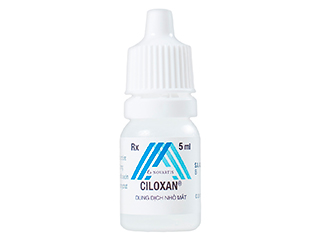
Ciloxan is a brand of ciprofloxacin, an antibiotic medicine used to treat certain bacterial infections. It is commonly available as an eye ointment and/or eye drops, and it may also be available for other local uses depending on product registration in Australia. This guide explains what Ciloxan is, how it works, when it’s typically used, how to use it safely, and what to watch for.
Important: Use this information as general guidance. Always follow the instructions on your product packaging and the advice of a healthcare professional.
1. Basic product information
- Active ingredient: Ciprofloxacin
- Brand: Ciloxan
- Medicine type: Antibiotic (fluoroquinolone)
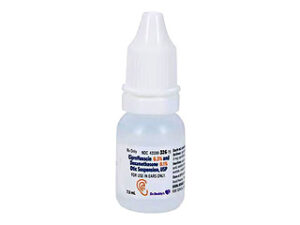
- Common forms (Australia): Eye drops and/or eye ointment (availability can vary)
- Where it’s used: Local treatment for selected bacterial eye infections and related conditions
Because formulations and strengths can differ, check your specific product label (e.g., concentration for eye drops or ointment strength) before use.
2. How Ciloxan works (mechanism of action)
Ciloxan contains ciprofloxacin, a fluoroquinolone antibiotic. It works by targeting bacterial DNA processes:
- Inhibits DNA gyrase (topoisomerase II) and topoisomerase IV
- Prevents bacteria from properly copying and repairing their DNA
- Leads to bacterial death or stopping of bacterial growth
Ciprofloxacin is designed to be active against many common bacteria that can cause eye infections. It does not treat infections caused by viruses (e.g., some forms of conjunctivitis) or allergies.
3. Pharmacokinetics (how the body handles it)
For locally applied eye medicines, overall systemic absorption is usually low. Pharmacokinetics can vary depending on formulation and the condition of the eye (for example, whether the surface is inflamed).
- Absorption: After eye application, some medication may enter tissues and, at a smaller extent, the bloodstream.
- Distribution: Most action occurs locally in the eye.
- Metabolism: Ciprofloxacin may be metabolised in the body.
- Excretion: Any absorbed fraction is eliminated mainly via the kidneys.
Although systemic exposure is typically limited with eye use, it’s still important to follow the dosing schedule and avoid using more than directed.
4. Typical use and timing
Ciloxan is commonly used for suspected or confirmed bacterial eye infections where ciprofloxacin is appropriate. Common examples include infections such as infective conjunctivitis (bacterial), blepharitis with bacterial involvement, and other bacterial eye conditions as determined by a clinician.
Timing tips:
- Use at evenly spaced times to keep antibacterial coverage steady.
- If you miss a dose, apply it as soon as you remember unless it’s nearly time for the next dose—then continue as scheduled.
- Complete the course as directed, even if symptoms improve quickly.
How soon to expect improvement: Many bacterial eye infections improve within 24–48 hours. If there is no improvement after 2 days (or symptoms worsen), seek medical advice promptly.
5. Food interactions
With eye preparations, food interactions are generally not a major concern because ciprofloxacin is applied locally. However, for completeness: there are no common clinically significant food interactions expected with topical eye use.
If you are taking ciprofloxacin tablets or other fluoroquinolones systemically (not Ciloxan eye medicine), food and mineral supplements can affect absorption of oral doses.
6. Alcohol and medicine interactions
Alcohol: There is typically no direct alcohol interaction expected with ciprofloxacin eye medicines because systemic absorption is limited. Still, avoid excessive alcohol if you are feeling unwell.
Interactions with other medicines:
- Topical eye products: If using other eye drops/ointments (e.g., lubricants), separate doses by a suitable interval (often 5–10 minutes) unless your pharmacist or clinician advises otherwise.
- Contact lenses: Do not wear contact lenses if you have an eye infection unless your clinician specifically instructs you to. Follow contact lens safety guidance (see practical tips).
- Systemic antibiotics/medicines: If you’re taking ciprofloxacin tablets or other fluoroquinolones, inform your healthcare professional about all medications and supplements. Systemic fluoroquinolones can have broader interaction potential than topical eye use.
Tell your healthcare professional about any medicines you use, including eye drops, ointments, and supplements.
7. Indications (what Ciloxan is used for)
Ciloxan is intended to treat bacterial eye infections. Use may vary by product registration and clinical assessment in Australia. Potential indications include:
- Bacterial conjunctivitis (infective inflammation of the conjunctiva)
- Infective blepharitis (eyelid margin infection)
- Corneal infections where appropriate and under clinical direction
- Other local bacterial eye infections as advised by a healthcare professional
Not for non-bacterial causes: Ciloxan will not treat viral infections or allergic conjunctivitis. If you suspect allergy (itching, watery discharge, known triggers), seek advice on the appropriate treatment.
8. Dosing (typical guidance)
Dosing depends on the specific product (eye drops vs ointment), strength, age of the patient, and the infection severity. Always follow the dosing schedule on the pack or clinician instructions.
Common practical dosing approach (example)
Many ciprofloxacin eye regimens for bacterial eye infections involve repeating doses over several days. A commonly used pattern for adult bacterial eye infections may include:
- Often: every 2–4 hours initially, then reducing frequency as symptoms improve
- Common duration: typically a total of several days (often around 5–7 days, depending on response and the specific condition)
Why dosing may change: Severe infections or corneal involvement may require more intensive treatment. Mild cases may require a shorter or less frequent schedule.
Children and special populations
Children may require different schedules and close guidance. For paediatric use, dosing should be determined by a healthcare professional based on the child’s age, symptoms, and diagnosis.
Correct technique for eye drops
- Wash and dry your hands.
- Shake if instructed by the label (some drops need shaking).
- Use a mirror if helpful.
- Pull down the lower eyelid to form a small pocket.
- Hold the dropper close to the eye without touching it.
- Place the prescribed number of drops into the pocket.
- Release the eyelid, close the eye gently, and keep it closed for about 1 minute.
- If needed, blot excess with clean tissue.
Correct technique for eye ointment
- Wash and dry your hands.
- Pull down the lower eyelid.
- Squeeze a small strip of ointment into the lower eyelid pocket (length as specified).
- Close the eye gently.
- Press lightly on the inner corner of the eye for 30–60 seconds to reduce drainage (optional but may help reduce taste/systemic absorption).
Contact lenses: If you use contact lenses, remove them before applying the medicine. Do not reinsert lenses until symptoms have resolved and your clinician/pharmacist confirms it is safe.
9. Safety profile (what to expect and when to get help)
Most people tolerate ciprofloxacin eye medicines well. However, like all medicines, Ciloxan can cause side effects. The majority are local and mild.
Common side effects
- Temporary stinging or burning after application
- Redness or irritation
- Watery eyes
- Itching or mild discomfort
- Temporary blurred vision (more likely with ointment)
Less common but important reactions
- Allergic reactions (e.g., swelling, worsening redness, hives)
- Severe pain, increasing light sensitivity, or vision changes
- Persistent symptoms despite treatment
Seek urgent medical attention if
- You have severe eye pain
- You develop marked light sensitivity or rapidly worsening symptoms
- Your vision changes significantly
- You suspect a corneal ulcer (often intense pain and photophobia)
- You wear contact lenses and symptoms are significant or worsening
Stop using the medicine and seek advice if you experience signs of a significant allergic reaction or severe worsening.
10. Practical use tips (for best results)
- Don’t touch the tip to the eye: This helps prevent contamination.
- Maintain hygiene: Wash hands before and after use.
- Remove contact lenses: Most eye infections and antibiotic courses should be done without lenses unless advised.
- Separate eye products: If using more than one eye medicine, separate by about 5–10 minutes.
- Prevent spread: Bacterial conjunctivitis can spread—avoid sharing towels, wash hands often, and consider avoiding contact with others until improved.
- Finish the course: Even if symptoms improve, continue for the full duration recommended.
- Storage: Store according to the label (commonly at room temperature, protect from heat, keep cap tightly closed).
Managing blurred vision: Eye ointments can blur vision for a short time. Avoid driving or operating machinery until your vision clears.
11. Alternative options
Alternative treatments depend on the cause of the eye problem and the bacteria suspected. Options may include other topical antibiotics or supportive care.
Supportive measures (often helpful)
- Warm or cool compresses (depending on comfort and clinician advice)
- Artificial tears for comfort (separate from antibiotic dosing by several minutes)
- Gentle eyelid hygiene for blepharitis (when appropriate)
Other antibiotic choices
Your clinician may choose a different antibiotic based on local resistance patterns, the likely bacteria, allergy history, and severity. Alternatives may include different classes of antibiotics (for example, other fluoroquinolones or non-fluoroquinolone options), but selection should be individual.
If symptoms persist or worsen, reassessment may be needed, including checking for conditions that mimic infection (e.g., viral conjunctivitis, dry eye, allergic eye disease, or corneal problems).
12. Market and legal context for Australia
Medicines in Australia must be supplied in accordance with Australian regulatory requirements. Ciloxan (ciprofloxacin) eye preparations are regulated under Australian medicine frameworks and are available through authorised pharmacy channels.
- Pharmacy supply: Availability can depend on the specific product presentation and schedule requirements.
- Label instructions: Product packaging and consumer medicine information provide essential safety information.
- Antibiotic stewardship: In Australia, prudent antibiotic use is encouraged to help reduce unnecessary exposure and antimicrobial resistance.
As product rules can change, it’s important to rely on the current details on the product label or your pharmacist’s advice.
13. Recent guidance and important considerations
Eye infections are often diagnosed based on symptoms and clinical appearance. Current best practice emphasises:
- Correct diagnosis: Not all conjunctivitis is bacterial; antibiotics are for bacterial infections.
- Contact lens caution: Contact lens wearers with painful or worsening eye symptoms should be reviewed promptly due to increased risk of serious corneal infections.
- Timely reassessment: If there is no improvement within 48 hours, seek medical advice.
- Adherence: Using the correct dose and duration improves outcomes and reduces recurrence.
Resistance awareness: Overuse of antibiotics can contribute to antimicrobial resistance. Use Ciloxan only when it is appropriate for the suspected or confirmed bacterial infection, as advised.
14. Delivery and availability (online pharmacy information)
Availability of Ciloxan eye products may vary by brand lines and pack sizes. Online pharmacies in Australia typically provide:
- Product listings with strengths and form (drops vs ointment)
- Estimated delivery times at checkout
- Secure dispatch and tracking options (where available)
Check before ordering:
- Confirm the exact product form (drops or ointment)
- Check the concentration/strength printed on the label
- Look for expiry date information and storage instructions
If you have urgent symptoms (especially pain, light sensitivity, or vision changes), consider seeking in-person medical assessment rather than waiting for delivery.
15. FAQ (Frequently Asked Questions)
1) What is Ciloxan used for?
Ciloxan (ciprofloxacin) is used to treat certain bacterial eye infections. It should not be used for viral or allergic eye conditions unless advised by a healthcare professional.
2) How quickly should I feel better?
Many people notice improvement within 24–48 hours. If symptoms don’t improve after 2 days or they worsen, seek medical advice promptly.
3) Can I wear contact lenses while using Ciloxan?
It’s generally recommended to avoid contact lenses during an eye infection and antibiotic treatment unless a clinician advises otherwise. Contact lenses can worsen irritation and increase the risk of serious infection.
4) Can I use Ciloxan if my eye problem started after an allergy?
If the symptoms suggest allergy (especially intense itching and watery discharge), Ciloxan may not help. Seek advice for appropriate treatment.
5) What should I do if I miss a dose?
Apply it as soon as you remember, then continue at the next scheduled time. If it’s nearly time for the next dose, skip the missed one—don’t double up.
6) Is Ciloxan safe for children?
Paediatric use depends on the child’s age and the diagnosis. Follow the product label and professional guidance for dosing and duration.
7) Can I drive after using Ciloxan?
Eye ointment can cause temporary blur. Avoid driving until your vision is clear. If drops also blur your vision, wait until it resolves.
8) Will Ciloxan interact with other eye drops?
Yes, it’s possible. Use separate timing for different eye products (often 5–10 minutes). Ask your pharmacist if you are using multiple eye medicines.
9) Can I drink alcohol while using Ciloxan?
There is typically no direct alcohol interaction with ciprofloxacin eye preparations. If you’re unwell, alcohol may worsen dehydration or recovery—moderation is sensible.
10) What side effects are most common?
Common side effects include temporary stinging, redness, and mild irritation. Seek urgent help if you have severe pain, worsening symptoms, light sensitivity, or vision changes.
Summary
Ciloxan (ciprofloxacin) is a topical antibiotic used to treat bacterial eye infections. It works by disrupting bacterial DNA processes. For best results, use it correctly, maintain hygiene, avoid contact lenses during infection, and reassess if there is no improvement within 48 hours. If you experience severe pain, light sensitivity, or vision changes, seek urgent medical care.
Always read the product label and follow the instructions provided for your specific Ciloxan formulation.