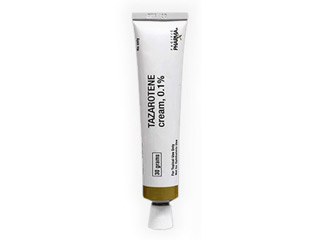
Tazorac (Tazarotene) – Patient Guide (Australia)
Tazorac is a topical medicine containing tazarotene, a retinoid used to treat certain skin conditions. It works by improving the way skin cells develop and behave, helping to reduce inflammation and visible signs of disease over time.
This guide explains how Tazorac works, how to use it safely and effectively, what to expect, common side effects, and important interactions (including with other medicines and alcohol). It also includes general information about availability and relevant Australia-specific context.
Basic product information
| Feature | Information |
|---|---|
| Active ingredient | Tazarotene |
| Medicine type | Topical retinoid (vitamin A derivative) |
| Common strengths | Often supplied as 0.05%, 0.1%, and 0.045% formulations (varies by product) |
| Common forms | Cream or gel (brand presentation may vary) |
| How it is applied | Once daily to affected areas (as directed by your healthcare professional) |
| Where it is used | Skin (face, trunk, or affected body areas, depending on indication) |
Always check the pack for the exact strength and formulation you receive. Your prescriber and pharmacist will confirm how to use your specific product.
How tazarotene works (mechanism of action)
Tazarotene is a prodrug (it is converted in the skin to its active metabolite, mainly tazarotenic acid). The active metabolite binds to retinoid receptors in skin cells, which helps regulate:
- Cell turnover: reduces abnormal cell growth patterns.
- Skin inflammation: helps calm inflammatory processes linked with certain conditions.
- Keratinisation: improves how skin forms and sheds surface cells.
- Comedone and lesion formation: can reduce the appearance of plugged pores and certain lesions.
Because it changes skin cell behaviour, results are typically gradual rather than immediate. Early improvement may be subtle; full benefit often takes weeks.
Pharmacokinetics (what happens in the body)
With topical use, only small amounts are generally absorbed through intact skin. Key points:
- Absorption: Most medication remains in the skin where it is needed; systemic absorption is typically low.
- Activation: Tazarotene is converted to its active metabolite in the skin.
- Distribution: Active metabolite may circulate at low levels after absorption.
- Metabolism and elimination: Metabolites are processed by the liver and removed primarily via the kidneys and/or bile routes.
Factors that may increase absorption include applying to broken skin, using larger amounts than recommended, applying under occlusion, or treating larger areas than directed.
Typical uses and indications
Tazorac is used for a range of skin conditions. Depending on the product strength and local indications, it may be used to treat:
- Acne vulgaris (including comedonal and inflammatory acne, often as part of a regimen)
- Plaque psoriasis (mild to moderate cases, depending on area and severity)
- Other retinoid-responsive dermatological conditions as directed by a healthcare professional
Your treatment plan will depend on your diagnosis, skin type, and tolerance. Some people may need gradual introduction to reduce irritation.
When to apply: timing and how often
In many regimens, tazarotene is used as a once-daily topical treatment. Common timing recommendations include:
- Usually at night: Many people apply it in the evening to reduce exposure to sunlight and because the skin may be more comfortable without daytime rubbing.
- Consistency matters: Apply at the same time each day if possible.
- Start slowly if sensitive: “Start low and go slow” is often used to improve tolerance (for example, every other night initially).
If you miss a dose, apply it when you remember unless it is close to your next scheduled application. Do not apply extra amounts to “catch up.”
Food interactions
Because Tazorac is applied to the skin, food interactions are not typically expected. Systemic exposure is generally low, so typical dietary concerns are usually unnecessary.
However, if you are taking other medicines that have oral absorption effects, ask your pharmacist to review your overall medicine plan. For topical tazarotene itself, dietary restrictions are not commonly required.
Alcohol and medicine interactions
Alcohol
Tazarotene is a topical medicine. Direct alcohol interactions are not commonly expected. That said, some people experience increased skin dryness or irritation when using skincare products alongside alcohol-containing products (for example, certain toners or aftershaves). Avoid applying the medicine to skin that has been recently irritated by alcohol-based products.
Interactions with other medicines (topical and skincare)
Tazarotene may increase irritation when used together with other products that can be drying or exfoliating. To reduce the risk of redness, burning, and peeling:
- Avoid using other strong retinoids at the same time on the same area.
- Use caution with benzoyl peroxide and salicylic acid products, especially at the start (they can be used by some regimens, but timing may need adjustment).
- Be cautious with alpha hydroxy acids (AHAs), beta hydroxy acids (BHAs), or strong scrubs.
- Avoid applying on skin already inflamed, sunburnt, or freshly waxed/shaved.
If your pharmacist or prescriber has recommended combination therapy, it is usually best to introduce products gradually and use a bland moisturiser to maintain skin barrier function.
Interactions with systemic medicines
Because systemic absorption is generally low, clinically significant interactions with oral medicines are unlikely. Still, it is important to inform healthcare professionals of all medicines and supplements you use.
Safety profile and important precautions
Like other retinoids, Tazorac can cause skin irritation, especially during the first few weeks. Most issues can be managed with correct application and moisturising, but some symptoms warrant stopping and seeking advice.
Common side effects
- Dryness
- Redness
- Burning or stinging
- Peeling
- Itching
- Skin tenderness
Less common but important effects
- Severe irritation or blistering (stop and seek advice)
- Changes in skin colour at treated sites (temporary pigment changes can occur)
- Worsening inflammation initially in some acne regimens (“retinoid flare” can happen)
Who should use caution
- Pregnancy: Retinoids can be harmful to an unborn baby. Tazarotene is a retinoid and requires careful avoidance in pregnancy. Discuss your situation promptly with a healthcare professional.
- Breastfeeding: Discuss with a healthcare professional before use. Avoid applying to the breast/nipple area.
- Children: Use depends on age and indication; follow age-specific guidance from your healthcare professional and the product information.
- Eczema or sensitive skin conditions: May need additional barrier support and slower introduction.
- Photosensitivity risk: Retinoids can make skin more reactive to sunlight.
Sun and weather precautions (very important)
- Use daily broad-spectrum sunscreen (SPF 30+ or as recommended).
- Wear protective clothing and limit midday sun.
- Avoid sunbeds.
- If your skin becomes very red or burns easily, reduce frequency and seek advice.
Practical tips for using Tazorac effectively
Correct technique significantly reduces irritation and improves results. Consider the following:
1) Prepare the skin
- Apply to clean, dry skin.
- Wait about 15–30 minutes after washing before applying (especially in winter or if your skin stings).
- Use a gentle cleanser—avoid harsh scrubbing.
2) Use the right amount
- Use a thin layer over the affected area.
- A small amount is usually enough; more is not better and can increase irritation.
3) Avoid sensitive areas
- Avoid the corners of the nose, mouth, and eyelids.
- Avoid broken or inflamed skin.
- If accidental contact occurs, rinse with water immediately.
4) Moisturise to reduce irritation
- Use a bland moisturiser before and/or after Tazorac (depending on what feels comfortable).
- Some people benefit from the “sandwich method”: moisturiser → Tazorac → moisturiser.
5) Introduce gradually
- If you are sensitive, start with every other night for 1–2 weeks, then increase to daily if tolerated.
- If irritation becomes significant, reduce frequency and reassess.
6) What to do if irritation happens
- Temporarily reduce application frequency.
- Increase moisturising and avoid other potentially irritating skincare products.
- If you develop severe swelling, blistering, or worsening symptoms, discontinue and seek medical advice.
Dosing guidance (general)
Dosage depends on your skin condition, the strength of your product, and how your skin responds. Below is general guidance commonly used for topical retinoids; your prescriber and product label should be followed.
- Frequency: Usually once daily.
- Amount: A thin layer to affected areas only.
- Acne: Start with a low-frequency schedule if sensitive; apply to acne-prone areas.
- Psoriasis: Apply to plaques as directed; avoid unnecessary surrounding skin.
If you are switching strengths (for example, from 0.05% to 0.1%), consider a gradual change to reduce irritation.
Expected results and timing
Visible improvements usually take time. Typical timelines:
- Early changes: Often within 2–4 weeks (sometimes as less redness or fewer new lesions).
- More noticeable improvement: Around 6–12 weeks.
- Full benefit: Can take up to several months depending on the condition and severity.
It is common to experience a period of dryness or redness early on. This is not always a sign that the medicine is failing. However, severe irritation is a sign to adjust or stop and seek advice.
Alcohol-containing skincare and household products
While dietary alcohol is not usually relevant, topical products that contain alcohol can worsen dryness and irritation. If you use toners, aftershaves, or acne cleansers with alcohol, consider switching to gentler, fragrance-free options during treatment.
Alternative options (what else may help)
Alternatives depend on the condition being treated and your skin sensitivity. Common options include:
For acne
- Topical benzoyl peroxide
- Topical salicylic acid (BHA)
- Topical antibiotics in selected regimens (short-term and guided by clinician)
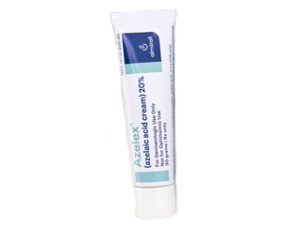
- Azelaic acid
- Oral treatments for moderate-to-severe acne (case dependent)
For psoriasis
- Topical corticosteroids (strength and duration guided by clinician)
- Vitamin D analogues (e.g., calcipotriol/calcipotriene)
- Emollients and moisturising regimens
- Phototherapy or systemic therapies for more extensive disease (specialist-led)
If Tazorac causes intolerable irritation, discuss alternatives with a healthcare professional. Sometimes adjusting frequency or switching to a different formulation can improve tolerability.
Market and legal context for Australia (general)
In Australia, medicine access can depend on how a product is classified, including whether it is prescription-only or listed under another category within the Pharmaceutical Benefits Scheme (PBS) or Australian Register of Therapeutic Goods (ARTG). Availability and requirements can also vary by strength and formulation.
When purchasing online, reputable pharmacies follow Australian regulations for supply, including identity checks (where required), correct product dispensing, and appropriate labelling. Your pharmacist should be able to confirm:
- Whether the product is available in your area
- The exact strength and formulation you are receiving
- How it should be used for your condition
- Any safety considerations based on your personal circumstances
Always check the product packaging and the consumer medicine information (CMI) provided with your medicine for the most accurate details.
Recent guidance and best-practice considerations
Retinoid use guidance commonly emphasises barrier-friendly routines and gradual introduction to minimise irritation. In clinical practice across dermatology, common “best-practice” themes include:
- Start low, go slow to reduce dryness and redness
- Protect from sun with broad-spectrum sunscreen
- Use moisturisers and gentle cleansers to support skin barrier function
- Avoid combining multiple irritant actives at the beginning unless specifically advised
- Reassess if irritation is severe rather than pushing through
Guidance may evolve as new formulations and studies appear. If you experience unexpected reactions, consult your healthcare professional.
Delivery, availability, and how to get your medicine
Online pharmacies in Australia typically offer delivery to eligible addresses across most states and territories. Availability can vary by:
- Strength and formulation (cream vs gel)
- Product stock levels
- Prescriber-specific requirements (if applicable)
To support smooth delivery:
- Ensure your delivery address is correct (including postcode).
- Check expected dispatch times displayed at checkout.
- Store your medicine according to the label (commonly at room temperature and away from direct sunlight).
Storage and handling
- Keep the tube/jar closed tightly.
- Keep out of reach of children.
- Avoid heat and excessive humidity unless the label specifies otherwise.
- Do not use after the expiry date on the package.
FAQ
1) Can I use Tazorac on my whole face?
It depends on your diagnosis and the area affected. Many people apply a thin layer to the areas where it is needed rather than the entire face if only specific zones are involved. If you’re unsure, ask your pharmacist to advise on the pattern of use.
2) Is it normal for my skin to get dry or peel at first?
Mild-to-moderate dryness, redness, and peeling are common when starting retinoids. The key is to manage symptoms—usually with moisturiser and gradual frequency. Stop and seek medical advice if irritation becomes severe, blistering occurs, or you feel unwell.
3) How long until I see results?
Acne or psoriasis improvements often take weeks. Many people notice early changes in 2–4 weeks and more consistent results by 6–12 weeks. Full benefit may take longer depending on severity and adherence.
4) What should I do if my skin burns?
If burning is mild, you may reduce frequency (for example, every other night) and increase moisturising. If burning is intense, persistent, or you develop swelling or blisters, discontinue and seek medical advice promptly.
5) Can I use moisturiser with Tazorac?
Yes—moisturiser is often encouraged to improve comfort and reduce irritation. You can moisturise before and/or after Tazorac; some people use the sandwich method (moisturiser → tazarotene → moisturiser).
6) Can I use other acne or skincare products at the same time?
Some combinations can work, but others can increase irritation. Be cautious with exfoliating acids, scrubs, and strong actives. If your routine includes benzoyl peroxide, salicylic acid, or AHAs/BHAs, consider spacing them out or asking a pharmacist for a plan that suits your skin.
7) Does Tazorac stain clothes or furniture?
It usually should not stain significantly, but retinoid products can transfer to fabrics if not fully absorbed. Let it dry before dressing or going to bed, and consider using a fresh pillowcase.
8) Can I use sunscreen?
Yes, sunscreen is strongly recommended during retinoid therapy. Choose a broad-spectrum product and apply it every morning. If you get more irritated, ask for a gentler or mineral-based formula.
9) What if I accidentally get it in my eyes or on broken skin?
Rinse thoroughly with water immediately. If irritation persists or you have eye symptoms, seek medical advice.
10) Can I drink alcohol while using Tazorac?
There is generally no direct interaction with alcohol for topical tazarotene. However, avoid alcohol-based skincare products on treated skin if they worsen dryness or irritation. If you have concerns about other medicines you take, ask your pharmacist.
Important: This information is designed to help you use Tazorac safely and effectively. Always read the package information and follow advice from your healthcare professional for your individual situation.