Tazarotene (Topical) — Patient-Friendly Guide (Australia)
Tazarotene is a prescription-strength topical retinoid used to treat certain skin conditions. It works by helping normalise skin-cell turnover and reducing inflammation, which can improve the appearance of affected skin over time.
This guide explains what tazarotene is, how it works, how it’s used, what to expect, and important safety and interaction information. Always follow the directions given with your product and consult a clinician if you are unsure.
Quick Product Overview
| Category | Topical retinoid (vitamin A derivative) |
|---|---|
| Common uses | Psoriasis (including plaque psoriasis), acne, and related conditions depending on product strength/formulation |
| How it’s applied | Once daily, usually in the evening; thin layer to affected areas (and sometimes surrounding skin as directed) |
| Typical onset | Improvement may begin in a few weeks; fuller results often take 8–12 weeks (or longer depending on condition) |
| Availability | In Australia, tazarotene is typically supplied under prescription pathways for eligible indications |
| Key side effects | Skin dryness, redness, peeling, burning/stinging, and irritation (especially early in treatment) |
What Is Tazarotene?
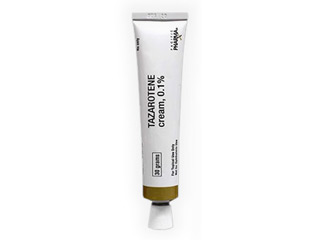
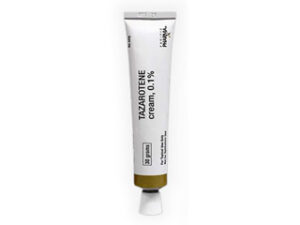
Tazarotene is a topical medication from the retinoid family. Retinoids are derived from vitamin A and are widely used in dermatology. Tazarotene is formulated as a cream or gel (depending on the product). It is designed to be applied directly to the skin areas where treatment is needed.
In Australia, tazarotene products may be offered for specific dermatologic conditions and strengths. The exact indication and strength can vary by product.
Mechanism of Action (How It Works)
Tazarotene helps treat skin conditions by acting on cellular pathways involved in skin growth and inflammation.
- Normalises skin-cell turnover: It influences keratinocyte differentiation and proliferation, helping reduce abnormal scaling and thickness in conditions like plaque psoriasis.
- Reduces inflammatory signals: It can decrease inflammatory activity in the skin, which contributes to redness and irritation.
- Improves keratinisation and texture: By affecting how skin cells mature and shed, it can improve overall skin surface appearance.
Important: Because it changes how skin cells behave, improvement is gradual. Initial irritation is common, especially when starting treatment or increasing the frequency.
Pharmacokinetics (What the Body Does With It)
When applied to skin, only a small amount of tazarotene is typically absorbed into the bloodstream, but absorption can vary based on factors like skin condition, the amount applied, and whether the skin barrier is damaged.
- Absorption: Generally low through intact skin; increased absorption may occur on inflamed or irritated skin.
- Metabolism: Tazarotene is rapidly converted in the body to its active metabolite(s).
- Elimination: Metabolites are removed primarily through normal body clearance pathways (e.g., renal and other routes).
Because systemic exposure is usually limited, side effects are most often local (skin-related). However, precautions are still important for sensitive groups.
Typical Uses and Indications
The appropriate use of tazarotene depends on the product formulation and strength available in Australia, as well as clinical assessment. Common dermatologic indications include:
- Plaque psoriasis: To help reduce thickness, scaling, and redness of plaques on eligible body areas.
- Acne vulgaris: In some formulations and strengths, to improve the appearance of acne by influencing follicular skin-cell behaviour.
- Other keratinisation disorders may be considered where appropriate under clinical guidance.
Note: Not all tazarotene products are indicated for every condition. Always confirm the intended use for your specific product.
Dosing and How to Apply
Follow the specific instructions provided with your product. Dosing may differ depending on the condition being treated and the area of skin involved.
Typical dosing approach (general)
- Frequency: Usually once daily (commonly in the evening).
- Amount: Apply a thin layer—often described as enough to cover the affected area lightly.
- Start low: Many patients begin with every other night to reduce irritation, then increase to daily if tolerated.
Step-by-step practical application tips
- Wash and dry the skin gently. Allow skin to be completely dry before applying.
- Use a pea-sized amount (or the amount advised by your clinician) for small areas; adjust as directed.
- Apply thinly to the affected area and avoid excessive rubbing.
- Avoid sensitive zones: Try to prevent contact with eyes, lips, corners of the nose, and open wounds.
- Wash your hands after application.
- Moisturise strategically: Use a gentle moisturiser. Some people apply moisturiser before and/or after tazarotene to reduce irritation (your clinician or product instructions can guide you).
If irritation is significant: Reduce frequency (for example, every 2–3 nights) and prioritise moisturising and sun protection until your skin settles.
Timing: When to Expect Results
Results typically develop gradually because tazarotene works by changing skin-cell behaviour.
- First 1–2 weeks: You may notice dryness, mild redness, or a “tight” feeling. Improvement may be subtle.
- Weeks 3–6: Some people begin to see reductions in scaling or acne lesions; continued irritation can still occur.
- Weeks 8–12: More visible improvement is often seen, especially for acne. Psoriasis and other conditions may take longer.
Consistency matters: Using tazarotene regularly as directed generally produces better outcomes than sporadic application.
Food Interactions
Food interactions are not typically expected with topical tazarotene because systemic absorption is generally low. However, if you have other health conditions or take medicines that affect skin or immune function, it’s still wise to review your full medication list with a clinician.
Alcohol and Medicine Interactions
Alcohol: There are no well-established direct interactions between topical tazarotene and alcohol. However, alcohol may indirectly affect skin dryness or inflammation in some people, and it can worsen dryness for conditions like eczema.
Other medicines: Avoid combining tazarotene with other strong skin-irritating products on the same area unless advised. Potential interaction concerns are mainly local irritation:
- Other topical retinoids or strong keratolytics: Combining may increase irritation.
- Topical acids (e.g., glycolic/salicylic) and exfoliants: Use caution—may cause increased burning or peeling.
- Resurfacing products: Increased photosensitivity and irritation risk.
- Topical benzoyl peroxide: Some regimens may be used together, but timing and formulation matter to reduce irritation. If using both, consider applying them at different times (e.g., benzoyl peroxide in the morning and tazarotene at night) if recommended by your clinician.
Sunscreen is important: Because retinoids can increase sensitivity to sunlight, daily sun protection is strongly recommended.
Safety Profile and Side Effects
Like other retinoids, tazarotene can cause skin irritation, especially at the start of treatment. Most side effects are local.
Common side effects
- Dryness
- Redness (erythema)
- Peeling or flaking
- Burning, stinging, or itching
- Sensitivity to sun
Less common but important considerations
- Severe irritation: Persistent burning, significant swelling, blistering, or oozing may require stopping and seeking medical advice.
- Skin discolouration: Post-inflammatory hyperpigmentation or hypopigmentation can occur, particularly with irritation.
- Allergic reactions: Rare, but seek help if you experience rash beyond the application site, widespread hives, or breathing difficulty.
When to stop and seek advice
- If you develop severe or worsening skin pain
- If blistering, severe swelling, or open sores occur
- If you suspect an allergic reaction
Practical Use Tips to Reduce Irritation
Many users discontinue early due to discomfort. The following strategies can improve tolerance:
- Use the “start slow” method: Begin every other night for 1–2 weeks, then increase to nightly if tolerated.
- Moisturise consistently: Apply a gentle moisturiser. Consider “sandwiching” (moisturiser → tazarotene → moisturiser) if advised or if your skin is very dry.
- Avoid harsh cleansers: Use mild, fragrance-free cleansers.
- Keep application limited: Apply only to affected areas; avoid wider exposure to healthy skin.
- Protect from sun: Use broad-spectrum sunscreen and protective clothing. Retinoids can increase sun sensitivity.
- Don’t apply on broken skin: This increases irritation and absorption.
- Be cautious during weather changes: Cold, dry weather can worsen dryness—adjust moisturising accordingly.
Who Should Be Extra Careful?
Certain groups require heightened caution when using topical retinoids. Discuss your situation with a clinician if you are:
- Pregnant or trying to conceive (retinoids are generally avoided during pregnancy due to known risks for retinoid exposure).
- Breastfeeding (seek professional advice about whether it’s appropriate for your circumstances).
- Using other skin-active therapies (e.g., strong exfoliants or multiple topical acne/psoriasis agents).
- Highly sensitive skin or prone to eczema flare-ups.
Always follow local product guidance and the advice provided when receiving tazarotene in Australia.
Alcohol and Lifestyle Considerations
While alcohol does not usually interact directly with topical tazarotene, consider the following lifestyle factors:
- Hydration and skincare routine: Alcohol may contribute to dehydration in some people, potentially worsening dryness.
- Sun exposure: Any lifestyle that increases sun exposure can heighten retinoid-related sensitivity—use sun protection consistently.
If you notice skin flare-ups after lifestyle changes (e.g., alcohol, intense workouts, sun exposure), consider adjusting your routine and discussing symptoms with a clinician.
Alternative Treatment Options (Discuss With a Clinician)
Depending on your diagnosis and severity, alternatives may include:
- Other topical retinoids (e.g., adapalene or tretinoin) where appropriate for your condition
- Topical corticosteroids for inflammatory control in psoriasis or flare management
- Vitamin D analogues (commonly used in psoriasis)
- Salicylic acid or urea moisturisers/keratolytics for scale and roughness
- For acne: benzoyl peroxide, topical antibiotics, or other non-retinoid therapies depending on severity
- For moderate-to-severe disease: phototherapy or systemic options may be considered by specialist care
Your best alternative depends on your skin type, the condition being treated, and how well your skin tolerates retinoid therapy.
Market & Legal Context for Australia
In Australia, access to tazarotene-containing products generally aligns with the nation’s medicines regulatory framework. Topical retinoids like tazarotene are often supplied via prescription pathways and require appropriate clinical assessment for the intended use, dosage, and safety counselling.
Pharmacies and suppliers aim to ensure:
- Correct product strength and formulation for the intended condition
- Appropriate patient screening and counselling
- Safe supply practices and accurate labelling
- Clear guidance on how to reduce irritation and when to seek medical advice
Product availability can vary depending on formulation, brand, supply chain, and regulatory status at the time of ordering.
Recent Guidance and Practical Treatment Expectations
In dermatology practice, recent guidance trends emphasise better tolerance and adherence. Common “best practice” points include:
- Start slowly to minimise irritation
- Pair with moisturiser and gentle skincare to support the skin barrier
- Prioritise sun protection to reduce retinoid-related sensitivity
- Reassess if severe irritation occurs rather than pushing through significant side effects
If your skin is not improving after the expected timeframe, or if side effects are limiting treatment, discuss adjustments rather than stopping abruptly without guidance.
Delivery and Availability (Australia)
Online pharmacies in Australia may offer tazarotene products subject to eligibility checks, appropriate documentation, and compliance with applicable regulations.
- Dispatch times: Vary by supplier and stock availability.
- Shipping: Typically standard or express options may be available.
- Packaging: Products are generally supplied in original manufacturer packaging for safe storage and identification.
- Storage: Store as directed on the pack (often at controlled room temperature, away from heat and moisture).
Availability can vary by strength and formulation (cream vs gel). If your preferred product is temporarily unavailable, a clinician may advise an alternative option.
FAQ — Tazarotene for Skin Conditions
1) How long does tazarotene take to work?
Many people notice changes within 3–6 weeks, with more meaningful improvement often around 8–12 weeks. Psoriasis may take longer depending on severity and body area.
2) Can I use moisturiser with tazarotene?
Yes. Moisturising is often helpful and may reduce dryness and irritation. If your skin is very sensitive, you can ask about applying moisturiser before and/or after tazarotene.
3) Will tazarotene make my skin more sensitive to the sun?
Yes, topical retinoids can increase sensitivity. Use daily broad-spectrum sunscreen and consider protective clothing, especially during the first weeks of treatment.
4) What should I do if my skin burns or peels a lot?
Reduce how often you apply it (for example, every other night), moisturise more consistently, and avoid other irritating products. Seek medical advice if irritation is severe, blistering occurs, or symptoms worsen.
5) Can I apply tazarotene on my whole face/body?
Apply only to the areas directed for your condition. Over-applying on healthy skin increases irritation risk. Follow your product instructions or clinician’s direction.
6) Is there any interaction with food?
Food interactions are not typically expected with topical tazarotene because systemic absorption is generally low.
7) Can I drink alcohol while using tazarotene?
There is usually no direct interaction. However, alcohol may worsen dryness or affect skin inflammation in some individuals—use sun protection and moisturise as needed.
8) Can I combine tazarotene with acne products like benzoyl peroxide?
Some combinations can be used, but they may also increase irritation. If combining products, separate timing (e.g., morning vs night) and start slowly. Discuss with a clinician if you’re unsure.
9) Is tazarotene safe for long-term use?
Many retinoid therapies can be used long-term under supervision. The key is monitoring tolerance, managing dryness, and reviewing effectiveness. Do not continue if side effects become severe.
10) Who should avoid tazarotene?
People who are pregnant, trying to conceive, or breastfeeding should seek professional advice before using retinoids, as risks may differ by individual circumstances.
Summary
Tazarotene is a topical retinoid that helps treat conditions such as plaque psoriasis and certain acne presentations by improving how skin cells grow, differentiate, and manage inflammation. It’s typically applied once daily (often in the evening) in a thin layer, with improvement usually becoming noticeable over several weeks.
Because it can cause dryness, redness, and peeling—especially early on—successful treatment often depends on good skincare habits: gentle cleansing, consistent moisturising, sun protection, and a slow start if your skin is sensitive.
If you have questions about suitability, side effects, or how to fit tazarotene into your routine, consult a clinician or pharmacist for personalised advice.