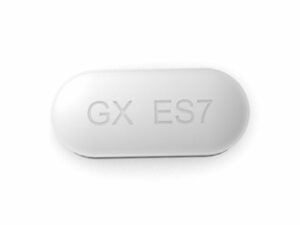

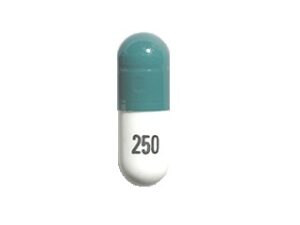
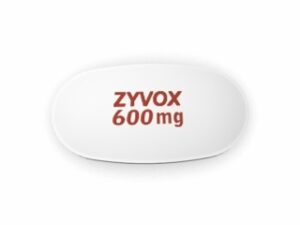
Sumycin (Tetracycline) – Patient Information
Sumycin is the brand name for tetracycline, an antibiotic medicine used to treat certain bacterial infections. This page explains how Sumycin works, how it’s typically taken, and important safety information to help you use it confidently and safely in Australia.
Key Product Information
| Product | Sumycin |
|---|---|
| Active ingredient | Tetracycline |
| Medicine class | Tetracycline antibiotic (broad-spectrum) |
| Common dosage forms | Tablets/capsules (strengths vary by product presentation) |
| How it works | Stops bacteria from making essential proteins |
| Where it’s used | Selected infections where tetracycline is appropriate |
Note: Strengths and formulations can vary between brands and generics. Always check the specific pack label for your dose and directions.
How Sumycin Works (Mechanism of Action)
Tetracycline works by interfering with how bacteria build proteins. It binds to the 30S ribosomal subunit inside susceptible bacteria, blocking the attachment of transfer RNA (tRNA) during protein synthesis. Without the ability to produce proteins, bacteria cannot grow and multiply effectively, allowing your immune system to clear the infection.
- Primary effect: inhibits bacterial protein synthesis
- Typical activity: against many gram-positive and gram-negative bacteria
- Resistance: some bacteria have developed mechanisms to avoid tetracycline’s effects
Pharmacokinetics (How Your Body Handles It)
Understanding how tetracycline behaves in the body can help you take it at the right time and avoid common interactions.
- Absorption: Tetracycline is absorbed from the gastrointestinal tract, but absorption can be significantly reduced by certain foods and minerals (notably calcium, magnesium, iron, and aluminium).
- Distribution: It spreads through body tissues and fluids. It can also bind to calcium-rich areas in the body, which is one reason it requires special caution in pregnancy and young children.
- Metabolism: It undergoes limited metabolism.
- Excretion: Mostly excreted via urine and bile; clearance may be reduced in severe kidney problems, requiring extra caution.
Practical takeaway: If tetracycline absorption is reduced, the antibiotic may not reach effective levels in the bloodstream and may work less well.
What Sumycin Is Used For (Indications)
Sumycin (tetracycline) is used for selected bacterial infections where tetracycline is an appropriate treatment option. The exact choice depends on the infection type, local resistance patterns, and your medical history.
Common examples where tetracycline antibiotics may be considered include:
- Some skin and soft tissue infections caused by susceptible bacteria
- Acne in specific circumstances (often other agents are preferred, depending on the case)
- Respiratory infections due to susceptible organisms
- Certain sexually transmitted infections and other specific infections caused by susceptible bacteria (management may involve specific regimens and partner considerations)
Important: Tetracycline is not effective for viral infections such as colds or influenza.
Typical Timing and How to Take Sumycin
Correct timing helps the medicine work properly and reduces side effects.
When to take it
- Many tetracyclines are taken on an empty stomach for best absorption, unless your clinician instructs otherwise.
- If your stomach is sensitive, taking it with a small snack may be considered, but absorption can still be affected by dairy and minerals.
Spacing from minerals and certain foods
To avoid reduced absorption, keep a gap between Sumycin and products that contain:
- Calcium (including dairy products and some supplements)
- Magnesium (including some antacids)
- Iron supplements
- Aluminium (e.g., antacids)
- Zinc supplements
General rule of thumb: separate by at least a few hours. Your specific product instructions or healthcare advice should be followed for the safest spacing.
How to take it safely
- Take with a full glass of water.
- Try to stay upright for 30 minutes after swallowing (this may reduce the risk of throat or oesophagus irritation).
- Keep the dosing schedule consistent.
Missed dose: If you miss a dose, take it when you remember unless it’s close to the next dose. Do not double up.
Food Interactions (What to Watch)
Some foods can interfere with tetracycline absorption.
- Dairy products: milk, yoghurt, cheese, and calcium-fortified drinks can reduce absorption.
- Mineral-rich foods: very high intake of calcium, magnesium, or iron may contribute to reduced absorption.
- Iron-containing supplements or multivitamins: should be spaced away from tetracycline.
Tips:
- Plan your dose away from breakfast/dinner if those meals include dairy or mineral supplements.
- If you regularly take antacids, ask your pharmacist to help schedule doses safely.
Alcohol and Medication Interactions
Alcohol
Moderate alcohol consumption may increase the risk of stomach upset and can worsen side effects such as nausea. Heavy alcohol intake may also affect liver health. When taking antibiotics, it’s generally wise to limit alcohol and stop drinking if you notice increased symptoms.
Medication interactions (common examples)
Tell your healthcare professional about all medicines and supplements you use. Some interactions include:
- Antacids and mineral supplements: aluminium, calcium, iron, magnesium, and zinc can reduce absorption.
- Warfarin and other blood thinners: antibiotic use can affect bleeding risk in some patients. Monitoring may be needed.
- Oral contraceptives: some antibiotics may reduce effectiveness in certain situations. If you rely on oral contraception, consider extra protection while taking antibiotics and consult your pharmacist for tailored advice.
- Isotretinoin or other acne medicines: combination may increase the risk of certain rare side effects affecting pressure inside the skull.
- Retinoids: may increase risk of headaches or related adverse effects in some people.
Practical tip: Bring a list (or photos) of your medications to your pharmacist when starting Sumycin.
Dosing Information (General Guidance)
Dosing depends on the infection, your age, kidney function, and the specific product strength. Follow the directions on your product label or those provided by a healthcare professional.
Common dosing principles for tetracycline antibiotics
- Doses are often taken multiple times per day to maintain effective antibiotic levels.
- The full course should be completed even if you start to feel better.
- Dosing adjustments may be required for people with kidney impairment.
Duration of treatment
Different infections require different durations. Finishing the prescribed/indicated course helps prevent relapse and reduces the risk of resistant bacteria.
If you’re unsure: check the package instructions or ask your pharmacist for clarity on dose timing, missed doses, and what to do if you experience side effects.
Safety Profile and Side Effects
Most people tolerate tetracycline well, but side effects can occur. Seek urgent medical help if you develop signs of a serious allergic reaction.
Common side effects
- Nausea or stomach upset
- Diarrhoea or looser stools
- Heartburn or indigestion
- Headache
- Vaginal yeast symptoms (in some people)
Less common but important effects
- Photosensitivity: tetracyclines can make skin more sensitive to sunlight, increasing sunburn risk.
- Esophagitis/oesophagus irritation: especially if taken without enough water or before lying down.
- Changes to gut flora: can occasionally lead to overgrowth of non-susceptible organisms.
Seek urgent help if you experience
- Allergic reaction: swelling of face/lips, difficulty breathing, rash with blistering or widespread hives
- Severe or persistent diarrhoea, especially with fever or blood/mucus
- Severe abdominal pain or persistent vomiting
- Severe headache with vision changes (rare but important)
Who needs extra caution
- Children: tetracyclines are generally avoided in young children due to effects on teeth and bone development.
- Pregnancy: tetracyclines are typically avoided unless specifically recommended, due to potential effects on the developing foetus.
- Breastfeeding: may require caution; advice should be individualised.
- Kidney or liver impairment: may require monitoring or dose adjustment.
Practical Use Tips (Get the Best Results)
- Take with water and avoid lying down: sit or stand for at least 30 minutes after taking.
- Plan your meals: avoid taking with dairy or mineral supplements.
- Use sunscreen: minimise sun exposure and wear protective clothing.
- Complete the course: stopping early increases the chance of infection returning.
- Track side effects: if you develop significant diarrhoea, rash, or severe stomach pain, contact a clinician promptly.
Hydration matters: staying well-hydrated can help reduce irritation effects.
Alternative Options
Depending on the infection, your medical history, and local resistance patterns, alternative antibiotics or treatments may be used instead of tetracycline.
Possible alternatives (examples)
- Other tetracycline-class antibiotics (for instance, doxycycline) may be preferred in some infections due to better tolerability or dosing convenience.
- Antibiotics in other classes may be selected if tetracycline isn’t suitable (for example, based on the bacteria involved and antibiotic susceptibility testing).
- For acne, dermatology-based regimens may include topical therapies and non-antibiotic options as appropriate.
Why alternatives exist: different antibiotics have different absorption patterns, side-effect profiles, and coverage. Your pharmacist can help explain why a specific option may be chosen for your situation.
Australia Market & Legal / Availability Context
In Australia, antibiotic medicines are regulated to support safe and effective use. Product availability can vary by presentation and supply arrangements. Dispensing systems are designed to ensure that antibiotic use is appropriate and that consumers receive correct dosing information and safety advice.
What this means for you:
- Always check that the product you receive matches the intended ingredient and strength.
- Follow the directions on the packaging and any accompanying patient information.
- For antibiotics, use only for the condition they are intended to treat, and do not share with others.
Resistance awareness: using antibiotics when they’re not needed (e.g., viral infections) increases the risk of resistance and reduces effectiveness for future infections.
Recent Guidance (General Antibiotic Stewardship)
Across Australia, clinical guidance commonly emphasizes:
- Antibiotic stewardship: prescribing antibiotics only when there is a likely bacterial infection and using the most appropriate agent.
- Full course adherence: completing the recommended duration to reduce relapse and resistance.
- Individualised selection: considering allergy history, pregnancy status, age, kidney/liver function, and drug interactions.
- Monitoring for side effects: especially severe diarrhoea or allergic reactions.
If you have concerns about whether tetracycline is appropriate for your infection, speaking with a pharmacist can help you understand how your specific situation was considered.
Delivery and Availability (Online Pharmacy)
Sumycin availability can depend on stock levels, supplier ordering cycles, and the specific strength/form. When you place an order online, our pharmacy team focuses on:
- Availability checks: confirming stock for your selected product presentation
- Safe dispatch: medicines are packaged securely for transit
- Tracking (where available): allowing you to monitor delivery progress
Delivery timing: shipping times can vary depending on location across Australia and courier schedules. During busy periods, delivery may take longer.
Cold chain: tetracycline products typically do not require refrigeration unless stated on the pack. Always follow the storage instructions on the label.
Need help before ordering? Contact our customer support team to confirm your product strength, expected dispatch time, and ordering details.
Storage Instructions
- Store below the temperature stated on the pack (commonly below 25°C unless otherwise specified).
- Keep in the original packaging to protect from light and moisture.
- Store out of reach of children.
- Do not use after the expiry date on the pack.
FAQ – Sumycin (Tetracycline)
1) Can I take Sumycin with milk or yoghurt?
It’s generally best to avoid taking tetracycline with dairy products because calcium can reduce absorption. If you need to take it with food to reduce stomach upset, choose a low-dairy option and ask a pharmacist for guidance on timing.
2) What happens if I miss a dose?
Take it when you remember unless it is close to the next scheduled dose. Do not take two doses at once. If you frequently miss doses, ask your pharmacist for strategies to improve adherence.
3) Does tetracycline make me sun-sensitive?
Yes. Tetracycline can increase the risk of sunburn. Use sunscreen, wear protective clothing, and avoid prolonged sun exposure while taking the medicine.
4) Can I drink alcohol while taking Sumycin?
Limit alcohol while on antibiotics. Alcohol can worsen nausea or stomach upset and may affect how well you tolerate the treatment. Seek advice if you experience significant side effects.
5) What medicines should not be taken at the same time?
Avoid taking Sumycin close together with antacids containing aluminium/magnesium, and supplements containing iron, zinc, or calcium. Spacing is important. Also discuss interactions with blood thinners (e.g., warfarin) and hormonal contraception.
6) How long does it take to start working?
Many people begin to notice improvement within 24–72 hours, depending on the infection. However, you should complete the full treatment course even if you feel better.
7) Is Sumycin suitable for children?
Tetracycline antibiotics require extra caution in children and are usually avoided in young children due to potential effects on teeth and bone development. The best option should be chosen based on age and infection type.
8) What should I do if I get severe diarrhoea?
Contact a clinician promptly, especially if diarrhoea is severe, persistent, or includes fever or blood/mucus. Some infections can worsen during antibiotic treatment and may require specific management.
9) Can I take Sumycin if I have kidney problems?
People with significant kidney impairment may need extra monitoring or dose adjustment. Discuss your kidney function and any history of kidney disease with your pharmacist or clinician.
10) Are there alternatives if tetracycline isn’t suitable?
Yes. Depending on the infection, other antibiotics or treatment approaches may be appropriate. If you experienced side effects or have interactions, ask a pharmacist about alternative options.
Disclaimer: This information is intended to help you understand Sumycin (tetracycline). It does not replace personalised medical advice. If you have questions about your specific situation, interactions, or suitability, speak to a qualified healthcare professional or pharmacist.