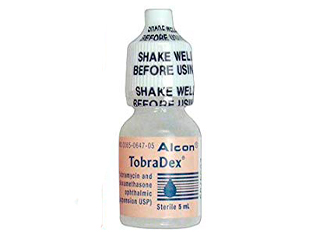
Tobramycin and Dexamethasone
Tobramycin and dexamethasone is a medicine used to treat certain eye or ear conditions where there is both bacterial infection and inflammation. It combines an antibiotic (tobramycin) with a corticosteroid (dexamethasone) to help reduce symptoms such as redness, swelling, pain, and discharge.
This page explains how the medicine works, when it is used, typical dosing and timing, key safety information, interactions (including alcohol and other medicines), practical tips for use, and frequently asked questions relevant to people in Australia. Always follow the instructions provided with your product and any advice from your healthcare professional.
Basic product information
- Active ingredients: tobramycin + dexamethasone
- Common formulation: eye drops or eye ointment; some products are formulated for ear use depending on brand
- Medicinal type: antibiotic + corticosteroid combination
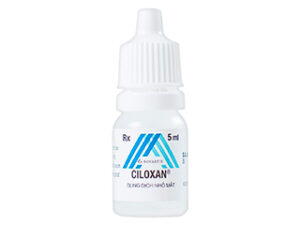
- Typical appearance: clear solution or ointment (varies by product)
- Who it is for: people with appropriate bacterial infection and inflammation in the treated eye/ear
Brand names and strengths vary between products. If you are unsure which product you have, check the label for the strength (e.g., mg/mL) and whether it is an eye or ear preparation.
How it works (mechanism of action)
This medicine works in two complementary ways:
- Tobramycin (antibiotic): Tobramycin is an aminoglycoside antibiotic. It works by interfering with bacterial protein synthesis, which ultimately helps stop bacterial growth and can kill susceptible bacteria.
- Dexamethasone (corticosteroid): Dexamethasone is a corticosteroid that reduces inflammation by decreasing the release of inflammatory substances and suppressing certain immune responses. This can lower swelling, redness, and discomfort.
When used together appropriately, the antibiotic targets infection while the steroid improves inflammatory symptoms. However, steroids can also mask worsening infection or delay healing in some situations—so proper diagnosis and correct use are important.
Pharmacokinetics (absorption, distribution, metabolism, elimination)
Pharmacokinetics can differ depending on the route (eye vs ear) and the condition of the tissue. For topical use, systemic absorption is often low, but it may increase if the treated tissues are inflamed or damaged.
- Eye use: After topical administration, some medicine may drain through the tear ducts and be absorbed systemically at low levels. Absorption may increase when the eye is severely inflamed.
- Ear use: Absorption through the ear canal may be higher if the eardrum is perforated or if there is significant inflammation.
- Elimination: Systemically absorbed drug is generally cleared by the kidneys (especially for aminoglycoside antibiotics like tobramycin). For topical use with minimal absorption, clinically significant systemic levels are less common.
- Metabolism: Corticosteroids may be metabolised in the body, but the extent depends on systemic exposure.
If you experience unusual side effects, worsening symptoms, or no improvement within the expected timeframe, contact your healthcare professional promptly.
Typical use and timing
This combination is typically used when a clinician suspects or confirms a bacterial infection accompanied by significant inflammation in the eye or ear. It is not an all-purpose treatment and is not used for viral infections such as many cases of cold sores or viral conjunctivitis.
Timing guidance (general):
- Follow the specific schedule on your label or as advised by your healthcare professional.
- Use at consistent times each day to maintain effect.
- Do not stop early if symptoms improve unless directed to do so—finishing the planned course helps prevent relapse (but duration should remain within what your clinician prescribed).
Common practical timing example (may vary by product): Many topical regimens are started multiple times daily and then reduced as improvement occurs. Always check the exact instructions for your brand.
Food interactions
Because tobramycin and dexamethasone are typically used topically (eye/ear), food interactions are usually not expected. There is minimal direct involvement of the digestive system.
- Eating and drinking: generally does not change the effect of topical use.
- Hydration: may support comfort, especially if you have eye irritation or dry eyes, but it is not a drug interaction.
Alcohol and medicine interactions
With topical eye/ear use, alcohol interactions are unlikely in most people because systemic absorption is typically low. However, if you have conditions affecting absorption (e.g., severe inflammation) or you are using other medications, it is still wise to discuss your overall medicines with your clinician or pharmacist.
Potential medicine interactions (important):
- Other aminoglycosides: Using additional aminoglycoside medicines at the same time can increase the risk of certain side effects (though this is less likely with topical use).
- Medicines that affect kidney function: If systemic absorption is higher or if you have kidney problems, your risk may be greater for aminoglycoside-related adverse effects.
- Other corticosteroids: Concurrent use of systemic steroids (e.g., tablets) may add to overall steroid exposure.
- Contact lens solutions: Not a drug interaction, but some disinfecting solutions or lens hygiene steps can affect comfort—follow lens guidance carefully (see below).
Keep a list of all medicines you use (including eye/ear drops, tablets, and herbal products) and share it with your pharmacist if you want personalised interaction advice.
Indications (what it is used for)
Indications vary by product and local clinical guidelines. In general, tobramycin plus dexamethasone is used for:
- Bacterial conjunctivitis where inflammation is significant and antibiotic coverage is needed (based on clinical assessment)
- Blepharitis or other anterior segment infections with inflammatory features (depending on diagnosis)
- Infected eyelid conditions with inflammation
- Otitis externa (ear canal infection) with inflammation, where a combination product is indicated
- Other localized infections where both bacterial activity and inflammatory symptoms are present
This medicine should not be used for undiagnosed redness or pain. Steroids can worsen certain eye conditions (for example, some viral infections and some types of fungal infection).
Dosing (general information)
Dose and frequency depend on: the condition being treated, severity, the product strength, and whether it is an eye or ear preparation. The most accurate dosing is the one provided on your product label or by your healthcare professional.
Below are general dosing patterns that appear in many clinical regimens for topical antibiotic–steroid combinations. Use only as a guide—always verify the instructions for your specific product.
Typical eye dosing patterns (general)
- Often started 1–2 drops (or a small ribbon of ointment) into the affected eye several times daily.
- As symptoms improve, clinicians may reduce frequency.
- Courses are usually limited; prolonged use increases risk of steroid-related complications.
Typical ear dosing patterns (general)
- Dosing is usually measured in drops into the affected ear canal.
- Frequency depends on the severity of otitis externa and product instructions.
- Do not use if you are unsure about eardrum status unless your clinician advised it.
If you miss a dose:
- Use it as soon as you remember, unless it is close to the next dose.
- Do not double the dose.
If symptoms worsen or do not improve: Contact your healthcare professional promptly. Lack of improvement may indicate resistance, incorrect diagnosis, or a condition that requires different treatment.
Safety profile (side effects and when to seek help)
Common side effects
Side effects vary by site (eye vs ear) and product formulation. In topical antibiotic–steroid combinations, the most commonly reported effects are local and related to irritation.
- Eye: temporary stinging or burning, redness, itching, watery eyes, mild blurred vision after drops (especially right after application), or discomfort
- Ear: mild irritation, itching, or discomfort in the ear canal
Serious or urgent side effects
Seek urgent medical advice if you experience:
- Significant worsening of pain, redness, or swelling
- Marked light sensitivity or severe headache with eye pain
- Reduced vision or persistent blurred vision that does not clear
- Allergic reaction (e.g., rash, swelling of face/lips, breathing difficulty)
- No improvement after a reasonable trial period your clinician expects
Steroid-related risks (important)
Dexamethasone is a corticosteroid. Steroids used in the eye can increase the risk of:
- Raised intraocular pressure (which can contribute to glaucoma)
- Cataract formation (mainly with longer use)
- Delayed healing
- Secondary infections, including fungal or viral infections that are not covered by antibiotics
- Worsening of certain corneal conditions (for example, herpes simplex keratitis), where steroids may be harmful
Because of these risks, this medicine is generally used for a limited duration under appropriate medical guidance.
Aminoglycoside (tobramycin) concerns
With topical use, systemic exposure is usually low, but watch for unusual symptoms, particularly if you have kidney problems or are also receiving other aminoglycoside medicines. In more systemic settings, aminoglycosides can rarely affect hearing or kidney function—this is much less common with eye/ear topical therapy.
Practical use tips (how to get the best results)
General hygiene
- Wash your hands before application.
- Avoid touching the tip of the bottle/ointment tube to your eye or ear.
- Use the medicine for the affected side only, unless instructed otherwise.
- Replace the cap promptly and store according to label instructions.
Eye drop technique (step-by-step)
- Gently tilt your head back and pull down the lower eyelid to form a small pocket.
- Hold the dropper above the eye and apply the prescribed number of drops.
- Close your eye and press lightly on the inner corner (near the nose) for about 1 minute if you’ve been advised to do so. This can reduce drainage into the tear duct and may help reduce systemic absorption.
- Keep your eyes closed briefly to minimise spreading of the drops.
Eye ointment technique
- Use a small ribbon of ointment along the inner lower eyelid.
- Ointment can blur vision; consider using it at bedtime if your clinician agrees.
Ear drop technique (general)
- Warm the bottle in your hands if the solution is cold (cold drops can be uncomfortable).
- Lie with the affected ear facing up, apply the prescribed drops, and keep your head tilted for several minutes if instructed.
- Do not insert objects (cotton buds, etc.) into the ear canal.
Contact lenses
Many eye drops and ointments are not recommended with contact lenses. Steroids and antibiotic drops can affect lens comfort and may increase contamination risk. In general:
- Remove contact lenses before using the medicine.
- Reinsert only when your clinician/pharmacist says it is safe and the label supports lens use.
Other eye/ear medicines at the same time
- If you use other eye drops, separate them by at least 5–10 minutes unless your pharmacist says otherwise.
- Ointments are usually applied after drops to reduce dilution.
Alternative options
Alternatives depend on the suspected cause (bacterial vs viral vs fungal), the severity, and whether inflammation needs treatment. Your healthcare professional may choose different medicines such as:
- Antibiotic-only drops/ointments (e.g., other topical antibiotics) for bacterial infections without significant steroid need
- Anti-inflammatory drops without antibiotics for non-infectious inflammation
- Antivirals for suspected viral eye disease (e.g., herpes-related conditions), where steroids can be unsafe
- Antifungal treatments if fungal infection is suspected
- Supportive care such as lubricants, warm compresses, and hygiene measures for eyelid disease where appropriate
Do not switch between products without checking compatibility and correct dosing instructions for your condition.
Market and legal context for Australia (availability and quality)
In Australia, availability of medicines depends on their classification and product registration status under the Therapeutic Goods Administration (TGA). Many topical antibiotic–steroid medicines are regulated and may be supplied only under the appropriate conditions for their scheduling.
- Australian compliance: reputable products sold in Australia should be TGA-registered and meet quality standards.
- Product labelling: Australian packs include specific instructions for use, strength, and expiry.
- Ongoing review: medicine information may be updated based on safety monitoring and clinical guidance.
If you are unsure about supply eligibility for your intended use, consult your pharmacist.
Recent guidance and safety updates (general themes)
While specific “recent guidance” can vary over time, recent safety themes for corticosteroid-containing eye products commonly include:
- Emphasis on appropriate diagnosis before steroid-containing therapy
- Warnings that steroids can worsen some infections or delay clearance of pathogens
- Attention to monitoring for raised intraocular pressure with longer or repeated use
- Encouragement to seek review if symptoms do not improve quickly
Your local clinician or pharmacist can provide the most up-to-date advice for your situation.
Delivery and availability (online pharmacy)
Availability can differ by brand and formulation. Common considerations for online ordering in Australia include:
- Stock status: Some brands may be intermittently unavailable.
- Packaging: Ensure you select the correct product for eye or ear use.
- Storage: Follow label instructions (some products require refrigeration; others do not).
- Shipping: Cold-pack shipping may apply if required by the label.
On checkout, you should see estimated delivery times and any shipping conditions. If you have questions about suitability or the correct product strength, ask a pharmacist before ordering.
FAQ
1. What conditions is tobramycin and dexamethasone used for?
It is commonly used for conditions where there is bacterial infection together with inflammation in the eye or ear, depending on the product’s indication. Your healthcare professional should confirm the likely cause before starting therapy.
2. How quickly should I feel better?
Some improvement may occur within 1–2 days, but this depends on severity and the correct diagnosis. If there is no improvement within the timeframe your clinician expects, seek advice.
3. Can I use this for viral conjunctivitis or cold symptoms?
It is not generally appropriate for viral infections. Because dexamethasone is a steroid, using it without the right diagnosis can worsen certain infections.
4. Are contact lenses safe to use during treatment?
In many cases you should remove contact lenses during treatment. Reinsert only when your pharmacist or clinician confirms it is safe for your specific product.
5. What if I accidentally missed a dose?
Apply the next dose at the scheduled time. Do not double up.
6. Can I drive after using eye drops or ointment?
Drops may cause temporary blurred vision in some people. Use caution until your vision is clear. Ointments are more likely to blur vision and are often applied when you can rest.
7. Will this medicine interact with my other medications?
Serious interactions are uncommon with topical use, but you should tell your pharmacist about all medicines you take—especially other antibiotics, medicines affecting kidney function, and any steroid therapy.
8. Is it safe to use with alcohol?
Alcohol interactions are usually unlikely with topical use. If you have liver/kidney issues, are using additional steroid medicines, or have other risk factors, ask a pharmacist for personalised advice.
9. What should I do if symptoms worsen?
Stop using the product and seek urgent advice if you develop severe pain, increasing redness, reduced vision, or signs of allergy. Steroid-containing eye products should not be continued blindly if you are deteriorating.
10. Can I use it for long periods?
The duration should be limited to what your clinician recommends. Longer use increases risks related to steroids, such as raised intraocular pressure and cataract formation.
Quick reference summary
| Topic | What to know |
|---|---|
| What it is | Topical antibiotic (tobramycin) + corticosteroid (dexamethasone) for inflammatory bacterial eye/ear conditions |
| How it works | Tobramycin inhibits bacterial protein synthesis; dexamethasone reduces inflammation and swelling |
| Timing | Use exactly as instructed; schedules often involve multiple daily doses at the start, then adjustment |
| Food interactions | Usually none expected due to topical use |
| Alcohol | Usually no direct interaction expected with topical use; check with a pharmacist if you have risk factors |
| Key safety risks | Steroid-related risks (e.g., raised eye pressure, delayed healing, worsening certain infections) and local irritation |
| When to seek help | Severe pain, reduced vision, marked light sensitivity, allergy symptoms, or lack of improvement |
| Contact lenses | Often remove during treatment; reinsert only when safe per your product/clinician advice |
Important: If you have eye or ear pain, discharge, or sudden vision changes, it is safest to get a proper assessment rather than starting treatment on guesswork. This medicine is intended for specific bacterial plus inflammatory conditions, and correct diagnosis supports the best outcomes.