
Cephalexin (Keflex and other brands) – Patient Information (Australia)
Cephalexin is a widely used antibiotic in the cephalosporin group. It is used to treat certain bacterial infections of the skin and other body sites. This guide is written to help you understand what cephalexin does, how it works in the body, how to take it safely, and what to watch for while you’re using it.
Always follow the instructions provided with your specific product and any advice from your healthcare professional. If you have questions about your medicine, your symptoms, or whether your infection is likely to be bacterial, contact a qualified clinician or pharmacist.
Basic product information
| Category | Details |
|---|---|
| Medicine name | Cephalexin |
| Drug class | Cephalosporin antibiotic (beta-lactam) |
| Common uses | Skin and soft tissue infections; some upper/lower respiratory infections; certain urinary tract infections |
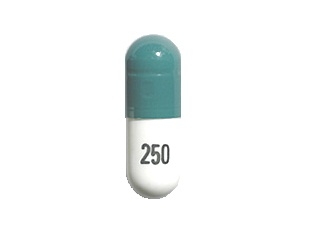
| Common forms (varies by brand) | Tablets, capsules, and suspensions for children (strengths vary) |
| Typical dosing frequency | Often 3–4 times daily depending on the infection and regimen |
In Australia, cephalexin is available under different brand names and as generic cephalexin products. Availability and pack sizes may vary by supplier.
How cephalexin works (mechanism of action)
Cephalexin works by killing bacteria or stopping them from growing. It belongs to the cephalosporin group of antibiotics, which are beta-lactams. Cephalexin targets bacterial cell wall formation by binding to penicillin-binding proteins. This weakens the bacterial cell wall, causing bacteria to die (or preventing further growth).
Cephalexin is effective against many strains of susceptible bacteria. It does not treat viral infections such as the common cold, influenza, or most sore throats that are not bacterial.
Pharmacokinetics (what the body does with cephalexin)
- Absorption: Cephalexin is absorbed from the gastrointestinal tract. Food does not usually prevent absorption, but it may slightly alter absorption speed.
- Distribution: It distributes into body tissues and fluids, including sites of infection.
- Metabolism: Cephalexin is largely not metabolised extensively; it is mainly eliminated unchanged.
- Elimination: It is cleared predominantly by the kidneys. If you have reduced kidney function, a clinician may adjust the dose or dosing interval.
- Onset of effect: Many people begin to feel better within 24–48 hours, though complete improvement may take longer depending on the infection.
If symptoms are not improving after a couple of days, or they worsen, seek advice promptly. Some infections require culture testing or a different antibiotic due to resistance.
Typical uses and indications (when cephalexin may be recommended)
Cephalexin is used for bacterial infections where it is likely to be effective. Depending on local guidance and individual factors, it may be considered for:
Common indications
- Skin and soft tissue infections such as cellulitis and infected wounds
- Impetigo (certain bacterial skin infections)
- Infected bites and abscess-related conditions (where appropriate; some abscesses need drainage)
- Some respiratory tract infections caused by susceptible bacteria
- Urinary tract infections (UTIs) caused by susceptible organisms
- Other localized bacterial infections as determined by a clinician
Cephalexin is not appropriate for all infections. Effectiveness depends on the type of bacteria, site of infection, local resistance patterns, and patient-specific factors such as allergies and kidney function.
Timing: how often to take cephalexin
Typical cephalexin regimens are designed to maintain effective antibiotic levels. Many commonly used schedules include three or four doses per day. The exact frequency and duration depend on your infection and your clinician’s plan.
Practical timing tips:
- Take doses at even intervals as much as possible.
- If it’s three times daily, consider morning, afternoon, and evening.
- If it’s four times daily, consider morning, late morning/early afternoon, evening, and bedtime (or another consistent schedule).
- Use reminders (phone alarm, calendar) to avoid missed doses.
Finish the course: Even if you feel better, complete the full recommended duration to reduce the risk of recurrence or incomplete eradication.
Food interactions and taking with meals
Cephalexin can generally be taken with or without food. Taking it with food may help reduce stomach upset for some people.
Food-related guidance:
- If you experience nausea or stomach discomfort, consider taking cephalexin with meals.
- Try to keep your routine consistent (same time and whether it’s with food) to support steady dosing.
- Follow the instructions on the pack or leaflet for your specific formulation (tablet/capsule vs suspension).
Alcohol and medicine interactions
Cephalexin itself is not known for a strong, specific interaction with alcohol like some antibiotics (e.g., those that cause a disulfiram-like reaction). However, drinking alcohol can still be a problem during infection treatment because:
- It may worsen dehydration and fatigue.
- It can aggravate stomach upset, which may already be caused by infection and medication.
- It may affect your ability to take doses consistently.
If you choose to drink, consider waiting until you are feeling better and keep alcohol to a minimum. If you have liver disease, kidney disease, or you are taking other medicines, ask a pharmacist for tailored advice.
Other medicine interactions (important)
Cephalexin can interact with some medicines indirectly, mainly by affecting kidney clearance or gastrointestinal factors. Before starting cephalexin, tell your pharmacist or clinician about all medicines and supplements you use, including:
- Other antibiotics or antimicrobial medicines
- Warfarin (and other anticoagulants): antibiotics may affect bleeding risk in some people
- Probenecid: can affect kidney elimination of cephalexin
- Medicines affecting kidney function
- Oral typhoid vaccine: antibiotics may reduce vaccine effectiveness if taken close together
- Any ongoing medications for chronic conditions
This is not an exhaustive list. Medication interactions depend on the specific medicines, your medical history, and your dose. A pharmacist can check your particular list.
Safety profile and precautions
Most people tolerate cephalexin well, but side effects can occur. Cephalexin is generally considered a safe option when used for appropriate bacterial infections and when patient allergy history is taken into account.
Who should use extra caution
- Allergy to penicillins or cephalosporins: Inform a clinician if you have a history of allergy. Cephalexin is related to the beta-lactam antibiotic family.
- History of severe allergic reactions (e.g., anaphylaxis) to beta-lactams
- Kidney disease: because cephalexin is cleared by the kidneys
- Previous antibiotic-associated diarrhoea or colitis
- Pregnancy and breastfeeding: cephalexin may be used when benefits outweigh risks; discuss with a clinician
- Children: dosing depends on weight and formulation
Common side effects
- Nausea or indigestion
- Diarrhoea (usually mild)
- Stomach cramps
- Headache
- Rash or mild skin irritation (sometimes)
Seek urgent medical help if you notice
- Signs of an allergic reaction: swelling of the face/lips, wheezing, severe rash, or difficulty breathing
- Severe or watery diarrhoea, especially if accompanied by fever or blood/mucus
- Persistent vomiting or inability to keep fluids down
- Yellowing of skin/eyes or severe fatigue (possible liver-related issues, uncommon)
If you are unsure whether symptoms are an emergency, contact a healthcare service for advice.
Practical use tips (to get the best results and reduce risks)
How to take cephalexin correctly
- Measure carefully if using a suspension: use the measuring device provided.
- Do not skip doses. If you miss a dose, take it when you remember unless it’s close to the next dose. Avoid doubling up.
- Complete the course even if you feel better.
- Keep track of improvements (pain, redness, swelling, fever, urinary symptoms, etc.).
Managing side effects
- For mild stomach upset: try taking with food and stay hydrated.
- For diarrhoea: drink fluids. If diarrhoea is severe, persistent, or bloody, seek medical advice promptly.
- Skin rash: a mild rash may occur, but seek advice if it spreads, is blistering, or comes with breathing symptoms.
Antibiotic stewardship (important for community health)
Using antibiotics appropriately helps slow resistance and protects future treatment options. Only use cephalexin for infections where it is likely to be beneficial and as directed by a healthcare professional.
Dosing information (general guidance)
Cephalexin dosing varies by:
- the infection type and severity
- age and body weight (especially for children)
- kidney function
- local prescribing practices
- allergy history and other medical conditions
Because dosing regimens differ, it is best to rely on the dose written for your specific prescription and product label. If you are unsure about the number of tablets/syrup mL per dose, ask your pharmacist.
Typical dosing structure (not a substitute for your written instructions)
- Adults: commonly 500 mg three or four times daily for certain skin/soft tissue or respiratory infections, depending on severity.
- Children: commonly calculated by weight (mg/kg per dose) and given in divided doses.
Kidney impairment: dosing may need adjustment in people with reduced renal function. If you have kidney disease, tell your clinician before treatment begins.
What to expect: response and when to review
- Within 24–48 hours: some improvement is expected for many bacterial infections.
- After 48–72 hours: if there is little or no improvement, or symptoms worsen, review is advised. You may need investigation for resistant bacteria, a different diagnosis, or additional treatment such as drainage.
Contact a healthcare service if:
- fever persists or returns
- the infected area spreads rapidly
- you develop severe pain, marked swelling, or no improvement
- you develop severe diarrhoea or rash
Alternative options (discuss with your clinician)
Alternatives depend on the infection site, suspected bacteria, local resistance patterns, and your individual risk factors. Options may include:
- Other antibiotics from different classes (for example, penicillins, macrolides, or other cephalosporins), depending on the suspected organism.
- Targeted therapy after culture and susceptibility results when available.
- Non-antibiotic supportive treatment when appropriate (e.g., wound care, pain relief, hydration), particularly if a bacterial infection is unlikely.
If you have a history of allergy to beta-lactams, your clinician may recommend a different class. Always discuss suitability and safety based on your medical history.
Cephalexin in Australia: market and legal context
In Australia, antibiotics are regulated medicines and their supply is managed under national and state/territory health frameworks. Many antibiotics may be supplied with appropriate clinical governance to ensure correct use and monitoring. Availability can vary between brands and strengths.
Antibiotic use is also guided by antimicrobial stewardship principles. In practice, clinicians aim to:
- use antibiotics only when likely to provide benefit
- choose the narrowest effective option when possible
- use the shortest effective course
- review treatment if response is poor
Community guidance in Australia commonly references major sources such as national therapeutic guidelines and public health antimicrobial stewardship programs. Local recommendations can vary depending on infection type and resistance patterns.
Recent guidance and prescribing considerations (general)
Antimicrobial guidance evolves over time. In general, modern prescribing practices emphasise:
- Confirming the likely cause of symptoms (bacterial vs viral vs non-infectious)
- Using evidence-based durations rather than unnecessarily prolonged therapy
- Reviewing early if symptoms are not improving
- Considering culture for recurrent, severe, or treatment-resistant infections
If you’re treating recurrent infections, have complicated medical conditions, or are at higher risk of resistant bacteria, a clinician may recommend tests or different management strategies.
Delivery and availability (Australia)
Cephalexin products may be available as tablets, capsules, or liquid formulations depending on brand. Online pharmacy availability can depend on:
- stock levels and formulation/strength demand
- pack size availability
- delivery region
When ordering online, check:
- the strength (mg per tablet/capsule or per mL for suspension)
- the dosage form (tablet/capsule vs suspension)
- expiry date and storage instructions on the pack
- delivery estimates provided at checkout
If you need a child’s formulation or a specific strength, contacting support before placing an order can help confirm availability.
Storage
- Store cephalexin according to the instructions on the pack.
- Keep out of reach of children.
- Do not use after the expiry date.
- If you have suspension/liquid form, note whether refrigeration or shaking instructions apply (varies by product).
FAQ about Cephalexin
1. What is cephalexin used for?
Cephalexin is an antibiotic used to treat certain bacterial infections, most commonly skin and soft tissue infections. It may also be used for some respiratory or urinary tract infections caused by susceptible bacteria.
2. How fast should I feel better?
Many people notice improvement within 24–48 hours. If you feel no improvement after 48–72 hours, or your symptoms worsen, seek advice from a healthcare professional.
3. Can I take cephalexin with food?
Yes. Cephalexin can generally be taken with or without food. Taking it with food may reduce nausea for some people.
4. Should I stop taking cephalexin once I feel better?
No. It’s important to complete the full course unless a clinician advises you to stop. Stopping early can increase the risk of relapse and treatment failure.
5. What if I miss a dose?
Take it when you remember unless it is close to the time for the next dose. Do not take double doses to make up for a missed one. If you’re unsure, ask your pharmacist.
6. Can I drink alcohol while taking cephalexin?
There is no well-known specific dangerous reaction, but alcohol can worsen dehydration and stomach upset and may affect how consistently you take your doses. If you choose to drink, keep it minimal and monitor how you feel.
7. Are there medicines I should not combine with cephalexin?
Some medicines can interact with cephalexin or affect bleeding risk, kidney clearance, or overall treatment. Tell your pharmacist about all medicines you take, including anticoagulants (e.g., warfarin), and supplements.
8. What side effects are common?
Common side effects include nausea, mild diarrhoea, stomach discomfort, and headache. A rash can also occur.
9. When should I seek urgent help?
Seek urgent medical help if you develop signs of severe allergy (swelling, trouble breathing, widespread hives), severe diarrhoea (especially if bloody or associated with fever), or a rapidly worsening condition.
10. Is cephalexin safe in children?
Cephalexin may be used in children when appropriate. Dosing is usually calculated by weight and depends on the specific formulation. Always use the measured dose and confirm the instructions with a pharmacist.
Need help choosing the right product or understanding your instructions? Reach out to an Australian pharmacist for advice about dosage form, timing, side effect management, and potential interactions.