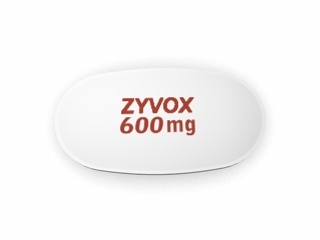

Zyvox (Linezolid) — Patient Guide (Australia)
Zyvox contains the antibiotic linezolid. It is used to treat certain serious bacterial infections, including infections caused by multi-resistant organisms. This guide explains how Zyvox works, how it’s usually taken, important safety considerations, interactions, and what you can expect while using it.
Note: Always follow the instructions provided by your healthcare professional and the information on the product packaging. The information below is designed to help you understand your medicine in plain language.
Basic product information
- Medicine name: Zyvox
- Active ingredient: Linezolid
- Medicine type: Antibiotic (an oxazolidinone)
- Common forms: Tablets and oral suspension (depending on availability)
- Purpose: Treatment of specific bacterial infections, especially where resistance limits other options
How Zyvox works (mechanism of action)
Linezolid works by stopping bacteria from making the proteins they need to grow and multiply. It belongs to a class called oxazolidinones.
Specifically, linezolid binds to the bacterial 50S ribosomal subunit, preventing formation of a functional initiation complex for protein synthesis. Without protein production, susceptible bacteria cannot reproduce effectively.
- Result: Bacteriostatic activity (inhibits growth) against many organisms, and can be bactericidal in some settings.
- Spectrum: Effective against selected Gram-positive bacteria, including certain resistant strains.
Pharmacokinetics: how the body handles linezolid
Understanding pharmacokinetics can help you take the medicine at the right times and know what to expect. (Pharmacokinetics describes absorption, distribution, metabolism, and elimination.)
- Absorption: Linezolid is absorbed after oral dosing.
- Food effects: Food generally does not significantly reduce overall absorption (see “Food interactions” below).
- Distribution: It spreads through body tissues and fluids.
- Metabolism: It is metabolised in the body (in part through non-enzymatic pathways).
- Elimination: Metabolites are removed mainly via the kidneys; some clearance also occurs through other routes.
- Half-life: Approximately 4–6 hours in adults (varies by individual factors).
Your dose schedule is designed to keep adequate drug levels over time to treat the infection effectively. If you miss a dose, don’t “double up” unless advised by your healthcare professional.
Typical use: when Zyvox is considered
Zyvox is typically used when bacterial infections are caused by organisms known or suspected to be susceptible to linezolid, or when other antibiotics may not be suitable due to resistance or intolerance.
Common clinical situations include:
- Complicated skin and soft tissue infections
- Pneumonia (including hospital-acquired or community-acquired forms, depending on local guidance)
- Infections related to medical devices or where resistant Gram-positive bacteria are suspected
- Vancomycin-resistant or methicillin-resistant Gram-positive infections in appropriate cases
The exact choice of antibiotic depends on the infection type, severity, local resistance patterns, kidney and liver function, and other medicines you may be taking.
Timing and how to take Zyvox
Zyvox is usually taken on a regular schedule to maintain effective levels in your body. Many regimens use dosing every 12 hours (twice daily), but your prescribed instructions may differ.
Practical tips:
- Choose a routine: Take doses at roughly the same times each day.
- Set reminders: Alarms can help avoid missed doses.
- Use the measuring device: If using oral suspension, measure doses carefully using the supplied oral syringe.
- Complete the course: Even if you feel better, finish the recommended treatment length.
If you’re unsure about the schedule or how long you should take Zyvox, speak with your healthcare professional or pharmacist.
Food interactions
Linezolid can generally be taken with or without food. In many patients, food does not have a clinically meaningful effect on overall absorption. This means you can often take Zyvox as part of your normal meal routine.
However, always consider individual circumstances:
- Nausea or stomach upset: If food helps reduce stomach discomfort, taking it with a meal may be practical.
- Follow directions: Check the product leaflet for any specific instructions for tablets vs suspension.
Alcohol and medicine interactions
Alcohol
There is no universal rule that Zyvox and alcohol must always be combined or avoided. However, alcohol can increase the risk of side effects, worsen recovery from infections, and may add stress to the liver or stomach.
As a precaution, it is generally advisable to limit alcohol during antibiotic treatment, especially if you are feeling unwell. Ask your pharmacist or healthcare professional for personalised advice.
Major medicine interactions (important)
Linezolid has clinically significant interactions, especially with medicines that affect serotonin and blood pressure. Some interactions can lead to serious reactions. Tell your healthcare professional if you take any of the medicines below.
- Serotonergic medicines (risk of serotonin-related toxicity):
- SSRIs and SNRIs (e.g., fluoxetine, sertraline, citalopram, venlafaxine)
- Tricyclic antidepressants (e.g., amitriptyline)
- MAO inhibitors (generally contraindicated with linezolid)
- Other agents that increase serotonin (some migraine medicines, certain pain medicines, and some anti-nausea medicines)
- Medicines affecting blood pressure (tyramine effect):
- Medicines with indirect effects on the catecholamine/tyramine system may increase risk of high blood pressure.
- Antibiotics or drugs with overlapping side-effect profiles:
- Other medicines that can affect blood counts may increase the risk of low blood cells.
- Warfarin (blood thinner):
- Linezolid can affect bleeding risk in some patients. If you use warfarin, close monitoring of clotting tests may be needed.
Because interaction risk depends on the exact medicines and your health profile, it’s important to provide a complete medication list (including over-the-counter products and herbal supplements) to your pharmacist.
Tyramine and diet considerations (food-related interaction)
Linezolid can behave like a reversible monoamine oxidase inhibitor (MAOI) in the body. Because of this, foods high in tyramine may theoretically increase the risk of a blood pressure reaction.
Common patient-friendly guidance:
- Avoid heavily aged, fermented, or improperly stored foods during treatment.
- Be cautious with certain preserved or fermented products (especially those that may be aged).
Dietary recommendations can vary by local guidance and individual risk factors. If you are unsure about a specific food, ask your pharmacist for advice.
Indications: what Zyvox is used to treat
Zyvox is used for infections caused by susceptible bacteria, most commonly Gram-positive organisms. Approved indications can vary by product and local regulation, but typical “real-world” uses include:
- Skin and soft tissue infections (especially complicated infections)
- Hospital-acquired pneumonia and other specified pneumonia categories, depending on clinical assessment
- Community-acquired pneumonia in selected situations where linezolid is appropriate
Final selection of antibiotic therapy should always consider culture results (if available), severity, and treatment history.
Dosing: typical adult regimens
Dose schedules depend on the infection type, severity, kidney/liver function, and other medicines. Many adult regimens use 600 mg twice daily, but this is provided here as general background.
Common adult dosing pattern (general):
- Typical: 600 mg every 12 hours
- Duration: Often ranges from around 10 to 28 days, depending on infection and response
- Special situations: Longer courses may increase monitoring needs
Kidney or liver impairment: Dose adjustments may be necessary or may not be required depending on severity and monitoring. Your clinician will decide the safest regimen.
Children: Linezolid dosing for paediatric patients may be weight-based and should be guided by paediatric protocols. Do not use an adult dose for a child unless specifically advised.
Safety profile: what to watch for
Most people tolerate Zyvox reasonably well, but it can cause side effects. Some effects are more likely with longer courses, higher doses, or in patients with additional risk factors.
Common side effects
- Headache
- Nausea
- Diarrhoea
- Dizziness
- Changes in taste (sometimes described as metallic taste)
Important less common risks
-
Low blood counts (bone marrow suppression):
- Risk increases with duration (often more concerning after about 2 weeks).
- May cause tiredness, easy bruising, infections, or bleeding.
-
Peripheral neuropathy and eye problems:
- Numbness/tingling, burning sensations, or vision changes can occur.
- Higher risk with prolonged use.
-
Lactic acidosis:
- Rare but serious. Seek urgent advice if you develop unusual muscle pain, deep/rapid breathing, severe weakness, or persistent vomiting.
-
Serotonin-related reactions:
- More likely when combined with serotonergic medicines.
- Seek urgent medical help for symptoms such as agitation, confusion, fever, fast heart rate, sweating, tremor, or severe diarrhoea.
-
Allergic reactions:
- Seek urgent medical help for swelling of the face/lips, difficulty breathing, or widespread rash.
When to contact a clinician urgently
- Severe or persistent diarrhoea (especially if watery or with blood)
- Unexplained bruising, bleeding, or signs of infection (fever, sore throat)
- Numbness/tingling, worsening pain in hands/feet, or vision changes
- Symptoms suggesting serotonin toxicity (particularly if you take antidepressants or similar medicines)
Practical use tips (help you get the best outcomes)
- Keep follow-up appointments: If you’re taking Zyvox for longer periods, your doctor may request blood tests to monitor full blood count (FBC) and related parameters.
- Report tingling, numbness, or visual changes early: These can be early signs of nerve or eye effects.
- Don’t stop early without advice: Stopping can allow infection to return or worsen.
- Hydration and nutrition: Diarrhoea or reduced appetite can occur—staying hydrated may help.
- Check your medication list: Before and during treatment, confirm all medicines and supplements you’re taking to reduce interaction risk.
Alternative options
Alternative antibiotics depend on the organism, infection site, severity, local resistance patterns, and patient factors (including allergies and kidney/liver function). If Zyvox isn’t suitable, clinicians may consider other options such as:
- Vancomycin (for selected Gram-positive infections, depending on local guidance and patient factors)
- Daptomycin (for certain Gram-positive infections, often with monitoring requirements)
- Other oral/IV antibiotics guided by culture results and sensitivity testing
- Supportive and surgical management where source control is needed (e.g., drainage of infected collections)
A pharmacist or prescriber can explain which alternatives are appropriate for your specific diagnosis and the results of any microbiology tests.
Market and legal context in Australia
In Australia, medicines like Zyvox are regulated under the Therapeutic Goods Administration (TGA). Availability and prescribing requirements depend on product classification and clinical assessment.
Pharmacy supply is also guided by national medicines policy and antimicrobial stewardship principles. Appropriate antibiotic use helps reduce the risk of resistance and improves treatment outcomes.
Pharmacy services may provide guidance on dosing timing, interactions, and storage, and can support adherence during your treatment course.
Recent guidance and stewardship considerations
Antimicrobial stewardship aims to ensure antibiotics are used only when needed, at the right dose, for the right duration, and with consideration of local resistance data. Linezolid is often reserved for infections where its spectrum is most relevant or when other treatments are unsuitable.
- Confirm susceptibility where possible: Culture and sensitivity results help tailor therapy.
- Use the shortest effective duration: Reduces risk of bone marrow suppression and other rare effects.
- Monitor longer courses: Blood counts and symptom review are commonly advised for extended therapy.
Delivery and availability (Australia)
Availability can vary by region, formulation (tablet vs oral suspension), and supply chain conditions. Online pharmacies may offer:
- Home delivery within Australia (availability and delivery timeframes may vary)
- Tracking and confirmation of dispatch
- Packaging considerations such as protection from moisture and temperature extremes
If you’re ordering online, confirm:
- The strength (e.g., mg per tablet) and form (tablet vs suspension)
- The expiry date (especially for longer storage)
- Delivery constraints and identity/age checks if required
Storage advice
- Store as directed on the label (commonly at room temperature unless otherwise stated).
- Keep out of sight and reach of children.
- If using oral suspension, follow instructions for refrigeration or protection from moisture if the leaflet specifies it.
FAQ: Zyvox (Linezolid)
1) What infections is Zyvox used for?
Zyvox is used for serious infections caused by susceptible Gram-positive bacteria, often including resistant organisms. Your specific infection type and culture results (if available) guide whether linezolid is appropriate.
2) How often should I take Zyvox?
Many adult regimens are taken every 12 hours. Follow your instructions exactly—your schedule and duration may differ depending on the infection, severity, and your health profile.
3) Can I take Zyvox with food?
In most cases, linezolid can be taken with or without food. If food helps with nausea, taking it alongside meals may be comfortable.
4) What should I do if I miss a dose?
Take the missed dose when you remember unless it’s near the time of the next dose. If it’s close, skip the missed dose. Do not double up unless your pharmacist or prescriber advises otherwise.
5) Are there dietary restrictions?
Because linezolid can act like a reversible MAOI, caution is advised with foods high in tyramine, especially aged/fermented products or improperly stored foods. For specific foods, ask your pharmacist.
6) Can I drink alcohol while taking Zyvox?
It’s best to limit alcohol during antibiotic treatment. Alcohol can worsen side effects and delay recovery. If you have liver disease or are taking other interacting medicines, ask for personalised advice.
7) What drug interactions are most important?
The most important interactions involve medicines that affect serotonin (risk of serotonin-related reactions) and medicines such as warfarin (may affect bleeding risk). Always tell your pharmacist about all medicines and supplements you take.
8) How long is the treatment usually?
Treatment duration depends on the infection and response. Some courses are relatively short, while others may last longer. Longer courses often require closer monitoring for side effects.
9) What monitoring might be needed?
For courses lasting more than about two weeks (or earlier if risk factors exist), clinicians may monitor blood counts and ask about symptoms such as numbness/tingling or vision changes.
10) What are signs that I should seek urgent help?
Seek urgent medical attention for severe allergic symptoms, serious diarrhoea, bleeding/bruising with low blood counts, symptoms of serotonin toxicity, or signs of lactic acidosis (rare).
Quick reference table: key patient points
| Topic | What to know |
|---|---|
| What Zyvox is | An antibiotic (linezolid) used for specific serious bacterial infections, often Gram-positive and resistant organisms. |
| How it works | Blocks bacterial protein synthesis by binding to the 50S ribosomal subunit. |
| Typical dosing | Often 12-hour intervals (twice daily in many adult regimens). Follow your instructions. |
| Food | Generally can be taken with or without food. |
| Tyramine foods | Caution with aged/fermented or improperly stored foods due to MAOI-like activity. |
| Alcohol | Limit alcohol during treatment; it may worsen side effects and delay recovery. |
| Major interactions | Serotonergic medicines and certain other drugs (e.g., warfarin) can be high risk—always review your medication list. |
| Key safety watch-outs | Seek help for severe diarrhoea, bleeding/bruising, numbness/tingling, vision changes, or severe serotonin-type symptoms. |
| Monitoring | Longer courses may require blood count checks and symptom monitoring. |
If you have questions about how Zyvox may fit your situation—especially regarding medicines you take for depression, pain, migraine, sleep, or blood thinning—speak with your pharmacist. They can help you check interactions and ensure you understand how to take your dose safely.