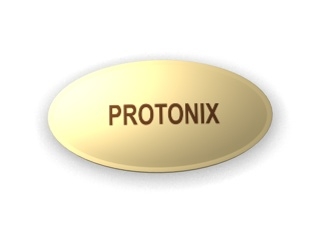


Protonix (Pantoprazole) — Patient Information (Australia)
Protonix is a medicine containing pantoprazole, a proton pump inhibitor (PPI). It reduces the amount of acid your stomach produces, which can help relieve symptoms and heal irritation caused by acid-related conditions.
This guide is designed to be clear and patient-friendly. It explains how Protonix works, when to take it, what to expect, interactions (including with food, alcohol, and other medicines), and practical tips for safe use in Australia.
Basic product information
| Category | Details |
|---|---|
| Brand name | Protonix |
| Active ingredient | Pantoprazole |
| Medicine type | Proton pump inhibitor (PPI) |
| Main role | Reduces stomach acid production |
| Common forms | Tablets (strengths may vary by product/pack); some brands may also have gastro-resistant formulations |
| How it’s usually used | Once daily for many conditions; sometimes more frequent dosing for specific plans |
Note: Product strengths and formulations can vary. Always check your specific pack for the exact dose and instructions.
How Protonix works (mechanism of action)
Protonix contains pantoprazole, which belongs to the class of medicines called proton pump inhibitors. PPIs work by blocking the “proton pump” (H+/K+ ATPase) in the stomach lining. This pump is responsible for producing stomach acid.
- Before meals: Because the proton pump is most active when food stimulates digestion, PPIs are most effective when taken before eating.
- After activation: PPIs bind to the pump and reduce acid release, leading to relief of symptoms such as heartburn, acid reflux, and burning pain.
- Healing effect: Lower acid helps ulcers and inflamed tissue heal, and can reduce acid-related damage.
Pharmacokinetics (how the body handles pantoprazole)
Pharmacokinetics describes what happens to the medicine in the body. Key points include:
- Absorption: Pantoprazole is absorbed from the gut after you take it, and its formulation is designed to protect it from stomach acid so it can work effectively.
- Onset of effect: Acid reduction begins within the first day for many people, but full benefit—especially for healing—may take several days to weeks depending on the condition.
- Metabolism: Pantoprazole is mainly processed by the liver (metabolised by enzyme systems such as CYP pathways).
- Elimination: The medicine and its metabolites are removed mainly via the kidneys and bile.
- Duration: A single daily dose often provides prolonged acid suppression for 24 hours due to the way PPIs bind to acid pumps.
What Protonix is used for (typical use and indications)
Protonix is used for conditions where reduced stomach acid can provide symptom relief and promote healing. Indications commonly include:
- Gastro-oesophageal reflux disease (GORD) (including heartburn and acid reflux symptoms)
- Erosive oesophagitis (inflammation/erosions of the oesophagus due to reflux)
- Gastric and duodenal ulcers, including ulcer healing and maintenance strategies as advised
- Zollinger–Ellison syndrome and other conditions involving excessive stomach acid production
- Prevention/treatment of acid-related damage when recommended as part of a broader care plan
Important: If symptoms persist, worsen, or you experience alarm features (see below), seek timely medical advice.
When to take Protonix (timing)
Best timing matters. For most adults, Protonix is most effective when taken before food.
- Typical schedule: Take once daily in the morning, 30–60 minutes before breakfast, unless your specific instructions say otherwise.
- If taken twice daily: Doses are usually taken before breakfast and before the evening meal (or as instructed on your product plan).
- Swallow whole: Use the tablet as directed. Do not crush or chew unless the product instructions allow it.
- Consistency: Taking it at the same time each day supports stable acid control.
Missed dose: If you miss a dose, take it when you remember unless it is close to the time for your next dose. Do not take a double dose to catch up.
Food interactions and meal guidance
While Protonix does not “react” with specific foods in a dangerous way for most people, food timing affects effectiveness:
- Take before meals: Food stimulates acid production. Taking pantoprazole beforehand ensures the medicine can inhibit acid pumps when they are active.
- Avoid delaying the dose: If you take it after eating, the medicine may work less effectively for that meal-related acid surge.
- Gastric emptying and symptoms: If reflux symptoms are particularly troublesome at night, discuss timing adjustments with a healthcare professional.
Practical example: If breakfast is at 8:00 am, consider taking Protonix at about 7:00–7:30 am.
Alcohol and medicine interactions
Alcohol
Alcohol can worsen reflux and heartburn for many people by relaxing the lower oesophageal sphincter, irritating the oesophagus, and increasing stomach contents’ acidity or reflux episodes.
- Recommendation: Limit alcohol if you notice it triggers symptoms.
- Be cautious with ongoing symptoms: If alcohol makes your heartburn difficult to control, seek advice—persistent symptoms may require review of your treatment plan.
Other medicines (important interaction overview)
Protonix can interact with some medicines by affecting stomach acidity, or by sharing metabolic pathways in the liver.
- Medicines requiring stomach acid for absorption: Some drugs may absorb differently when acid is reduced. Examples can include certain antifungal medicines (e.g., ketoconazole/itraconazole in some cases) and some iron supplements—this depends on the individual medicine.
- Antiplatelet medicines: Particular attention is often paid to interactions involving clopidogrel. If you take clopidogrel (or similar antiplatelet therapy), discuss your PPI choice and timing with a clinician.
- Antiretrovirals: Some HIV medicines depend on stomach acidity. Your pharmacist can check for compatibility.
- Warfarin (and other anticoagulants): Monitoring may be needed if you take warfarin, because PPIs may influence drug exposure in some situations. If you use anticoagulants, follow monitoring instructions closely.
- Methotrexate (high-dose): For people receiving higher doses of methotrexate, clinicians may adjust management due to potential effects on clearance.
- Enzyme inhibitors/inducers: Because pantoprazole is metabolised in the liver, medicines that strongly affect liver enzymes could alter levels.
Always tell your pharmacist or doctor about all medicines you use, including over-the-counter products, vitamins, herbal remedies, and occasional medications.
Dosing: typical regimens (adults)
Doses can vary depending on the condition and your health profile. The information below is general and meant to help you recognise common patterns; always follow the instructions on your pack and your healthcare advice.
- GORD / reflux symptoms: Often once daily (commonly 20 mg or 40 mg, depending on the product and local practice).
- Erosive oesophagitis: Often once daily with a dose determined by severity.
- Ulcer healing: Typically once daily or sometimes adjusted based on ulcer status.
- Zollinger–Ellison syndrome: Usually involves individualised dosing because acid output may be very high.
Duration of therapy: Some conditions require short courses, while others need longer treatment. If you are using Protonix beyond a short trial, review your plan regularly with a clinician.
Kidney or liver considerations: Many people with mild-to-moderate kidney issues can use pantoprazole, but your doctor may adjust monitoring. For significant liver disease, dosing and follow-up may be tailored.
Safety profile: side effects and when to seek help
Like all medicines, Protonix can cause side effects. Many people experience no problems or only mild, temporary effects.
Common side effects
- Headache
- Nausea or stomach discomfort
- Diarrhoea or constipation
- Mild dizziness
Less common but important effects
- Allergic reactions (e.g., rash, itching, swelling of face/lips, difficulty breathing)
- Severe skin reactions (seek urgent care if blisters, widespread rash, or peeling occurs)
- Magnesium changes with prolonged use (symptoms can include muscle cramps, irregular heartbeat, or seizures)
- Vitamin and mineral concerns with long-term use in some people (e.g., vitamin B12, iron—this is not for everyone, but it is a reason for periodic review)
Serious “red flag” symptoms
Seek urgent medical care if you experience:
- Chest pain or trouble breathing (heart conditions can mimic reflux)
- Vomiting blood or black/tarry stools
- Unintentional weight loss
- Difficulty swallowing or painful swallowing
- Persistent vomiting
- Symptoms that worsen or do not improve despite taking the medicine as directed
Long-term use considerations: For ongoing therapy, it’s important to have regular check-ins with a healthcare professional to confirm the medicine is still needed and to review possible risks.
Practical use tips (getting the best results)
- Take it consistently: Acid control is more effective when doses are not skipped.
- Use the right timing: 30–60 minutes before breakfast is a common approach.
- Give it time: Some people feel better within days, but healing of inflamed tissue may take longer.
- Keep a symptom diary: Note triggers (meals, late-night eating, stress) and symptom patterns to discuss with your clinician.
- Support lifestyle measures: Even with Protonix, lifestyle changes can reduce reflux episodes.
Lifestyle steps often helpful for reflux:
- Avoid large meals; try smaller portions
- Limit spicy, fatty, or acidic foods if they trigger symptoms
- Avoid eating within 2–3 hours of bedtime
- Elevate the head of the bed if night symptoms occur
- Maintain a healthy weight if relevant
- Stop smoking (if applicable) and reduce alcohol
Alternative options for acid-related symptoms
Depending on your symptoms and medical history, clinicians may consider other options. Alternatives include:
H2-receptor antagonists (H2 blockers)
- Examples: famotidine and other H2 blockers
- How they differ: They also reduce acid, but usually less strongly than PPIs for healing severe erosions.
Antacids
- Examples: calcium carbonate-based products
- How they differ: They neutralise acid quickly, often providing fast relief, but they don’t treat the underlying acid production as effectively as a PPI.
Alginate-based medicines
- Often used for reflux, forming a physical “raft” to reduce reflux of stomach contents.
- May be useful as add-on therapy for breakthrough symptoms.
Non-drug measures
- Dietary changes, weight management, posture adjustments, and trigger avoidance
Which option is best? It depends on whether you need symptom relief, ulcer healing, or long-term control. A pharmacist can help you compare choices and safety considerations.
Australia: market and legal context (general overview)
In Australia, medicines are regulated by TGA (Therapeutic Goods Administration). Availability can vary depending on the brand, formulation strength, and whether it is listed as Prescription-only or Pharmacist-only / OTC under local scheduling and brand-specific rules.
- Always follow the product label and pharmacy advice for your specific item.
- Pharmacists can check safety for you based on age, other conditions (e.g., liver disease), and other medicines you take.
- Long-term symptom treatment may require periodic review, especially if the diagnosis is not confirmed.
Recent guidance (general): Current clinical practice in Australia continues to emphasise appropriate use of PPIs—using the lowest effective dose for the shortest necessary duration, reviewing ongoing need for long-term therapy, and watching for possible risks associated with prolonged use (such as nutrient issues and infections). If you have been taking a PPI for an extended period, discuss review and step-down options with a healthcare professional.
Delivery and availability (online pharmacy)
Protonix (pantoprazole) is commonly available through pharmacies and may be supplied through online pharmacy services depending on current scheduling, stock, and your location.
- Availability: Stock may vary by brand and strength.
- Delivery: Delivery times differ between providers and delivery zones across Australia.
- Packaging: Medicines are typically delivered in manufacturer-approved packaging with patient information leaflets or label instructions included as required.
Tip: Before ordering, confirm your desired strength and formulation match what you intend to use, and keep the original packaging until you finish the course.
How to store Protonix
- Store at room temperature (follow your label instructions).
- Keep away from moisture and direct sunlight.
- Keep out of reach and sight of children.
- Do not use after the expiry date on the pack.
FAQ: Protonix (Pantoprazole)
1) How quickly will Protonix work?
Many people notice symptom improvement within a few days, but healing of inflammation and ulcers can take longer. If symptoms do not improve after an appropriate trial, seek advice so your diagnosis and treatment plan can be reviewed.
2) What is the best time of day to take it?
For most people taking once daily, it’s best to take Protonix in the morning 30–60 minutes before breakfast. If your clinician advises a different schedule, follow their instructions.
3) Can I take Protonix with food?
It’s not recommended for best results. Taking it before meals improves effectiveness. If you forget and take it with food, it may still help, but you should resume the correct timing for future doses.
4) Can I drink alcohol while taking Protonix?
Alcohol can worsen reflux symptoms in many people. If you choose to drink, keep amounts low and monitor whether it triggers symptoms. If reflux is not controlled, consider reducing or avoiding alcohol.
5) Are there interactions with other medicines?
Yes, some medicines can interact with PPIs. Tell your pharmacist about all medicines you take, including anticoagulants, antiplatelets (e.g., clopidogrel), HIV medicines, methotrexate, and any products that rely on stomach acidity for absorption.
6) What should I do if I miss a dose?
Take it when you remember unless it’s close to the next dose. Do not double up.
7) Is Protonix safe for long-term use?
Many people use PPIs for extended periods when benefits outweigh risks. However, long-term use should be regularly reviewed. Discuss the lowest effective dose and whether step-down or alternative strategies are appropriate for you.
8) Who should be extra cautious?
Extra caution may be needed for people with significant liver disease, those on anticoagulants/antiplatelet therapy, people who have had low magnesium or vitamin B12 issues, and those taking medicines with known interactions. Your pharmacist can advise based on your medicines and history.
9) Can Protonix cause nutrient problems?
With long-term use, PPIs may lower absorption of certain nutrients (such as vitamin B12 and possibly iron) in some individuals. This doesn’t happen to everyone, but it’s a reason to review ongoing therapy and consider monitoring if recommended.
10) What are alternatives if Protonix doesn’t help?
If symptoms persist, causes may include non-acid reflux, H. pylori-related conditions, medication-related oesophagitis, or another diagnosis. Your clinician may adjust the dose, switch medicines, or add complementary treatments such as alginate-based products. Lifestyle strategies also remain important.
When to contact a healthcare professional
Contact a pharmacist or doctor if:
- Your symptoms persist despite correct use
- You experience any red-flag symptoms (e.g., weight loss, vomiting blood, difficulty swallowing)
- You need Protonix for longer than expected
- You are starting or stopping other medicines, especially anticoagulants or antiplatelet drugs
Protonix can be a helpful medicine for acid-related conditions when taken correctly. Using it at the right time, reviewing other medicines for interactions, and combining treatment with reflux-friendly lifestyle changes can improve comfort and outcomes.