Prilosec (Omeprazole) — Patient-Friendly Guide (Australia)
Prilosec is a brand of omeprazole, a medicine used to treat problems caused by excess stomach acid. It belongs to a group of medicines called proton pump inhibitors (PPIs). Omeprazole works by reducing acid production in the stomach, helping relieve symptoms such as heartburn and acid reflux, and allowing irritated tissue in the oesophagus or stomach to heal.
This guide is written for people considering or currently using Prilosec in Australia. It covers how the medicine works, how to take it, typical uses, timing and food interactions, important medicine and alcohol interactions, safety considerations, and frequently asked questions.
Basic product information
- Medicine: Prilosec (omeprazole)
- Group: Proton pump inhibitor (PPI)
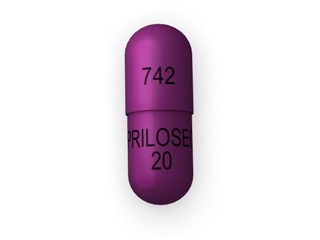
- Common strengths: Available in different strengths depending on the product type (e.g., some are 20 mg; others vary).
- How it’s taken: Usually by mouth, typically once daily for certain conditions (your product pack will specify exact directions).
- When it starts working: Many people notice improvement within a day or two, but full benefits often take several days to weeks depending on the condition.
Note: Different Prilosec products may exist with different dosing schedules. Always check the label on the specific product you buy.
How Prilosec works (mechanism of action)
Omeprazole reduces stomach acid by blocking the “proton pump” in the cells lining the stomach. Specifically, it inhibits H+/K+ ATPase (the acid-producing enzyme system) of gastric parietal cells.
- Lower acid production: Less acid is made, leading to reduced heartburn and reflux symptoms.
- Helps healing: Reduced acidity can allow inflammation in the oesophagus (acid reflux) or stomach/duodenum (ulcers) to heal.
- Works best when taken correctly: PPIs work most effectively when taken before meals, because they activate in the acidic environment of the stomach and target actively producing acid pumps.
Pharmacokinetics (how the body handles omeprazole)
Pharmacokinetics describes what happens after you take a dose—absorption, distribution, metabolism, and elimination.
- Absorption: Omeprazole is absorbed from the gastrointestinal tract and becomes active after entering the acidic stomach environment.
- Onset: Symptom improvement may begin within 24 hours, but the maximum acid reduction effect often develops over several days of daily use.
- Metabolism: The liver metabolises omeprazole, involving enzyme systems such as CYP2C19.
- Half-life: The elimination half-life is generally around 1 hour, but acid suppression lasts longer because omeprazole affects the proton pump.
- Duration of effect: Even after the drug level declines, the proton pump inhibition effect can persist, which is why once-daily dosing is commonly used for many indications.
Typical uses and indications
Omeprazole is used for conditions where reducing stomach acid provides relief and/or helps healing. Indications may differ based on product type and local prescribing/labeling practices.
Common indications
- Gastro-oesophageal reflux disease (GORD): including symptoms like heartburn and acid regurgitation.
- Erosive reflux oesophagitis: inflammation/erosion of the oesophagus due to acid exposure.
- Gastric and duodenal ulcer healing: including ulcer-related symptoms.
- Prevention or treatment of acid-related conditions where clinicians advise acid suppression (for example, in combination regimens for certain ulcer conditions).
- Symptomatic relief of frequent heartburn: where appropriate and consistent with the product’s approved use.
Important: If you have severe or persistent symptoms, symptoms that keep coming back quickly, or red-flag signs (see Safety section), you should seek medical assessment.
How to take Prilosec: dosing and timing
Your dose and schedule depend on the condition you’re treating and the exact Prilosec product you have. Always follow the instructions on the packaging and any advice from a healthcare professional.
General dosing guidance (typical patterns)
- Often once daily: Many common acid-related conditions are treated with once-daily dosing.
- Before meals: For best effect, take omeprazole before food, typically 30–60 minutes before breakfast.
- Swallow whole: If your product is enteric-coated or modified-release, swallow it whole with water. Do not crush or chew unless the label specifically says it can be opened/chewed.
Timing matters
PPIs like omeprazole work by shutting down acid pumps that are active during meal-related acid stimulation. Taking it before eating allows it to be activated and begin inhibiting acid production in time.
- Best time: 30–60 minutes before breakfast (or your first main meal).
- If you miss a dose: Take it when you remember if it’s not close to the next dose. If close, skip the missed dose and continue your schedule. Do not take extra to “catch up.”
- How long to try: For reflux symptoms, improvement may occur within days, but full benefit may require up to 2–4 weeks (depending on the condition). Follow your product directions or clinician advice.
Food interactions
Because omeprazole is more effective when taken before food, your meal timing can influence how well it works.
What to do
- Take before meals: Aim for 30–60 minutes before breakfast.
- Consistency helps: Try to take it at a similar time each day.
Does food “react” with omeprazole?
Food doesn’t “cancel” the medicine, but eating first can reduce how effectively the drug shuts down the acid pumps you need to target. If you take it with or after meals, you may get less symptom control.
Alcohol interactions
There is no universal “direct” chemical interaction that applies to everyone, but alcohol can worsen reflux symptoms by relaxing the lower oesophageal sphincter and irritating the oesophagus.
- May worsen heartburn/GERD: Alcohol can increase reflux episodes and burning sensations.
- May reduce comfort even if acid is suppressed: PPIs reduce acid, but reflux can still occur; alcohol may make symptoms harder to manage.
Practical advice: If you notice alcohol triggers your heartburn, consider reducing or avoiding it while your symptoms are being treated.
Medicine interactions (important)
Omeprazole can interact with other medicines, mainly through effects on stomach acidity and liver enzyme pathways. Many interactions are manageable, but some require dose adjustments or closer monitoring.
Medicines that may interact
- Clopidogrel: Omeprazole may reduce the activation of clopidogrel (used for blood thinning). If you take clopidogrel, discuss with a healthcare professional before using omeprazole.
- Medicines with pH-dependent absorption: Some drugs require stomach acid for better absorption. Reduced acid can lower their effectiveness (examples can include certain antifungals and some iron salts).
- Warfarin (or other vitamin K antagonists): Changes in acid suppression and liver metabolism can affect bleeding risk in some patients. Monitoring (e.g., INR) may be needed.
- Phenytoin and other medicines metabolised by liver enzymes: Omeprazole may alter levels of some drugs.
- HIV medications and other specialty medicines: Some may have interactions affected by stomach pH and metabolism.
Supplement and OTC interactions
- Antacids: Generally can be used for quick relief of breakthrough symptoms, but the timing may matter.
- Sucralfate or other mucosal protectants: May need spacing from omeprazole depending on product instructions.
Tip: If you take regular medicines, keep a list and review it with your pharmacist or healthcare professional, especially before starting a PPI.
Safety profile: side effects and when to seek help
Most people tolerate omeprazole well. However, like all medicines, it can cause side effects. Many are mild and improve with time, but some situations require prompt medical advice.
Common or mild side effects
- Headache
- Nausea or stomach discomfort
- Diarrhoea or constipation
- Gas/bloating
- Dry mouth or taste changes (less common)
Serious or urgent symptoms (seek medical advice)
Contact a healthcare professional promptly if you experience:
- Severe allergic reaction symptoms (e.g., swelling of face/lips, trouble breathing, widespread rash)
- Vomiting blood or material that looks like coffee grounds
- Black/tarry stools or blood in stools
- Unexplained significant weight loss
- Difficulty swallowing, painful swallowing
- Chest pain that may not be heartburn
- Persistent vomiting or signs of dehydration
Long-term safety considerations
If PPIs are used for long periods, clinicians may review whether ongoing treatment is still needed and at the lowest effective dose. Long-term use is associated with certain risks that require monitoring in some people, such as:
- Vitamin and mineral levels: Potential issues like low magnesium or vitamin B12 over time in some users.
- Bone health: Some studies suggest a possible association with increased fracture risk, particularly with long-term high-dose therapy.
- Infections: Stomach acid suppression may increase susceptibility to certain gastrointestinal infections in some individuals.
Practical approach: Use the medicine for the recommended duration, reassess if symptoms persist, and do not keep increasing duration without advice.
Practical use tips (getting the best results)
- Take it correctly: 30–60 minutes before breakfast (or first meal).
- Be consistent: Daily dosing at the same time helps maintain acid suppression.
- Allow time to work: Don’t assume it’s ineffective after one dose; many conditions improve gradually.
- Track symptoms: Note triggers (late meals, spicy foods, caffeine, alcohol) and symptom patterns.
- Lifestyle measures can help:
- Avoid lying down for 2–3 hours after eating
- Limit large or late-night meals
- Reduce known triggers (e.g., fatty foods, chocolate, mint, caffeine)
- Consider elevating the head of the bed if reflux is worse at night
- Breakthrough symptoms: If you get occasional breakthrough heartburn, your pharmacist may recommend a short-acting antacid or alginate-based product. Use it as directed and don’t replace the PPI regimen.
Alternative options
If Prilosec isn’t suitable, or if symptoms aren’t controlled, several alternatives may be considered depending on the cause and severity of symptoms.
OTC and non-PPI options
- Antacids: Provide quick, short-term relief by neutralising existing stomach acid.
- Alginate-based reflux products: Can form a barrier to reduce reflux episodes (especially useful after meals).
- H2-receptor antagonists (H2 blockers) (e.g., famotidine depending on availability): Reduce acid production but generally act differently than PPIs.
Other strategies
- Review contributing factors: medications (e.g., some painkillers), diet, smoking, and weight changes.
- Long-term plan: Clinicians may use the lowest effective dose and periodically reassess the need for ongoing therapy.
Important: Alternative options may not be appropriate for ulcer healing or severe reflux. Always choose based on the intended goal (symptom relief vs healing) and product instructions.
Market and legal context in Australia
In Australia, omeprazole products are available in different forms and strengths, and availability can vary between pharmacist-only supply and prescriber-directed supply depending on the specific product and strength.
Regulations also influence:
- Indications and wording on pack labels
- Maximum pack sizes that can be supplied without further assessment
- Requirements for pharmacist counselling for certain conditions
What this means for you: When buying Prilosec online, confirm you select the correct product type for your needs and review the usage instructions carefully. If your symptoms are new, worsening, or include alarm features, you may need clinical assessment rather than self-management.
Recent guidance and reassurance
In recent years, guidance across many countries (including Australia) has emphasised:
- Appropriate use: Use PPIs for the condition they’re intended to treat, and avoid unnecessary long-term use without review.
- Lowest effective dose: When ongoing treatment is needed, aim for the lowest dose that controls symptoms.
- Review if symptoms persist: If heartburn continues despite correct use, reassess diagnosis, adherence, and contributing factors.
- Step-down approach: After improvement, clinicians may consider dose reduction or stopping in suitable patients, as appropriate.
Because individual circumstances vary, the safest approach is to follow the product directions and consult a pharmacist or doctor if you’re unsure.
Delivery and availability (online pharmacy)
Prilosec (omeprazole) is generally available through Australian retail and pharmacy channels depending on the specific product and strength.
- Stock availability: May vary by strength and pack type.
- Dispatch times: Orders are typically dispatched quickly once payment is confirmed, but exact timing can depend on region and courier schedules.
- Packaging: Medicines are delivered in protective packaging to help prevent damage during transit.
Tip: When ordering online, check the product strength, form (e.g., delayed-release/enteric-coated), and quantity to ensure it matches the instructions you plan to follow.
FAQ
1) How fast does Prilosec work?
Some people notice improvement within 24–48 hours, but full effect may take several days of consistent use. For reflux healing, symptom control often improves over 2–4 weeks (depending on the condition and individual response).
2) Should I take Prilosec before or after food?
Take it before meals for best results—commonly 30–60 minutes before breakfast. Taking it after meals can reduce effectiveness.
3) Can I take Prilosec with antacids?
Often, yes. Antacids may help with quick relief of occasional breakthrough symptoms. For best outcomes, use products as directed and consider spacing from other medicines if advised on labels.
4) What if my symptoms don’t improve?
If symptoms continue despite correct daily use and appropriate timing, you may need a reassessment of the cause of symptoms (for example, non-acid reflux, medication-related irritation, or another condition). Contact a pharmacist or doctor for advice.
5) Can I drink alcohol while taking Prilosec?
Alcohol isn’t usually a direct “drug interaction” with omeprazole, but it can worsen reflux symptoms. If you notice alcohol triggers your heartburn, reducing or avoiding alcohol may help you manage symptoms better.
6) Are there long-term risks with Prilosec?
Many people take PPIs safely when indicated, but long-term use may be associated with certain risks (e.g., low magnesium or vitamin B12 in some individuals, infections, and possible bone-related concerns). If you need treatment for longer periods, discuss the plan with a healthcare professional and use the lowest effective dose.
7) Can I take Prilosec if I’m pregnant or breastfeeding?
Pregnancy and breastfeeding require individual risk–benefit assessment. Speak with a healthcare professional before using omeprazole in these situations.
8) Who should be extra cautious?
Extra caution is advised if you have severe liver disease, are on long-term medicines with potential interactions, have a history of low magnesium or vitamin B12, or have symptoms with red flags (such as bleeding, weight loss, difficulty swallowing, or persistent vomiting).
9) Is Prilosec the same as other omeprazole brands?
Many products contain the same active ingredient (omeprazole) but may differ in brand formulation, strength, and release characteristics. Always check the pack instructions for your specific product.
10) What should I do if I miss a dose?
Take it when you remember if it’s not close to the next dose. Otherwise, skip the missed dose and continue normally. Don’t take two doses together.
Summary
Prilosec (omeprazole) is a PPI medicine that reduces stomach acid and helps relieve symptoms of reflux and promote healing of acid-related irritation. For best results, take it 30–60 minutes before breakfast (or your first main meal) and allow time for improvement. Pay attention to medicine interactions—especially clopidogrel and certain other medications—and seek prompt medical advice if you experience alarm symptoms.
If you’re unsure whether omeprazole is appropriate for your symptoms or how long you should take it, a pharmacist can help you choose the safest option and ensure correct use.
| Topic | What to know |
|---|---|
| Best timing | Usually 30–60 minutes before breakfast (or first main meal) |
| How it helps | Reduces stomach acid production by blocking proton pumps |
| How long it takes | May start within 1–2 days; full effect may take 2–4 weeks for reflux healing |
| Alcohol | May worsen reflux symptoms; consider reducing/avoiding if it triggers heartburn |
| Interactions to discuss | Clopidogrel and some other medicines may interact—check with a pharmacist |
| When to seek help urgently | Bleeding, black stools, vomiting blood, weight loss, trouble swallowing, severe persistent symptoms |