Domperidone (Domperidone) — Patient-Friendly Guide (Australia)
Domperidone is a medicine used to help relieve certain stomach and bowel symptoms, particularly those related to slow stomach emptying and nausea or vomiting. This page explains what domperidone does, how it works in the body, how to take it safely, and what to consider before and during treatment in Australia.
Please read the information below carefully. If you have questions about whether domperidone is suitable for you, or how to use it safely with your other medicines, speak with a qualified healthcare professional.
Basic product information
| Item | Details |
|---|---|
| Generic name | Domperidone |
| Common uses | Nausea, vomiting, indigestion related to delayed stomach emptying |
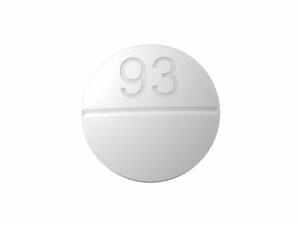
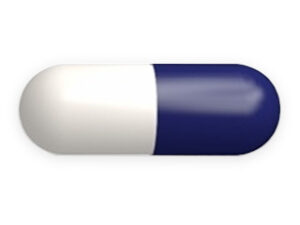
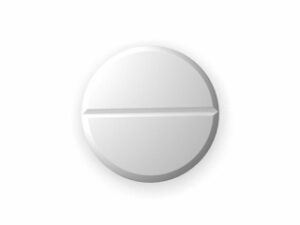
| Typical forms | Tablets and some oral dosage forms (product-specific) |
| Brand names | May vary by manufacturer |
| Who it’s for | Adults and, in some cases, children—only when appropriate and under appropriate guidance |
Availability and pack sizes depend on the product brand and local regulations. In Australia, domperidone is supplied according to Therapeutic Goods Administration (TGA) requirements.
How domperidone works (mechanism of action)
Domperidone works mainly as a prokinetic and anti-nausea medicine. It belongs to a class of medicines known as D2 receptor antagonists (it blocks dopamine receptors).
- Improves stomach movement: By blocking dopamine receptors involved in gut motility, domperidone can help the stomach contract more effectively and empty more efficiently.
- Helps reduce nausea: Dopamine signalling also contributes to nausea and vomiting. Domperidone’s action on dopamine receptors can reduce these symptoms.
- Does not directly “stop digestion” issues: It supports the stomach’s ability to move contents onward, which is helpful when symptoms are partly due to delayed gastric emptying.
Pharmacokinetics (what the body does to the medicine)
Pharmacokinetics explains how domperidone is absorbed, distributed, metabolised, and eliminated. Individual results can vary with age, liver function, other medicines, and overall health.
- Absorption: Domperidone is absorbed after oral dosing. Absorption may be influenced by food intake (see “Food interactions” below).
- Distribution: It distributes throughout the body. Because of its receptor profile, effects on nausea and gut motility are the main clinical outcomes.
- Metabolism: Domperidone is primarily metabolised by the liver (notably via CYP3A4). This is important because some medicines can increase or decrease domperidone levels.
- Elimination: The medicine is cleared from the body through metabolic pathways and excretion.
- Age-related changes: Older adults may have higher exposure. This can increase sensitivity to side effects, so dosing may need adjustment and careful monitoring.
Typical uses and indications
Domperidone is used for symptoms such as:
- Nausea and vomiting (including when associated with delayed stomach emptying)
- Indigestion symptoms related to impaired gastric motility (for example, a feeling of fullness after meals)
- Symptoms associated with slow stomach emptying (also known as gastroparesis in some contexts)
Domperidone may be considered when symptoms are bothersome and consistent with functional or motility-related causes. However, persistent nausea/vomiting can have many causes; if symptoms are frequent, worsening, or accompanied by red flags, seek medical assessment promptly.
How to take domperidone: dosing and timing
Dosing can vary depending on the product strength, your age, symptoms, and other medicines you take. Always follow the dosing instructions on your dispensed product or those provided by your healthcare professional.
Common dosing approach (general guidance)
- Adults: Often taken in divided doses throughout the day for short-term symptom control. Typical total daily dosing depends on tablet strength and local product guidance.
- Older adults: Generally require extra caution and may be prescribed lower doses or shorter durations.
- Children: Use should be guided by a healthcare professional and depends on weight/age and the specific product.
If you are unsure how many tablets to take or when to take them, check the packaging or ask a pharmacist.
Timing relative to symptoms
- Many people take domperidone before meals when symptoms relate to eating (for example, fullness, nausea after meals).
- For ongoing symptoms, it’s typically taken at scheduled times to keep symptom control steady.
- For short-term episodes, use may be limited to the duration advised for symptom relief.
If you miss a dose
- If you miss a dose, take it when you remember unless it’s close to the next dose.
- Do not take a double dose to make up for a missed one.
Food interactions: taking domperidone with meals
Food can affect domperidone absorption. In many cases, domperidone is recommended to be taken before meals for better symptom control, especially when nausea or fullness is meal-related.
- Before meals: Often preferred when treating nausea or indigestion linked to eating.
- With food: May reduce how quickly or effectively domperidone is absorbed for some people.
If your prescription/pack instructions differ, follow those. When unsure, consult a pharmacist.
Alcohol interactions
Alcohol can worsen nausea, indigestion, and stomach irritation. While there isn’t always a direct “drug-alcohol” reaction, mixing alcohol with domperidone may make symptoms harder to control and can increase dizziness or drowsiness in some people.
- For best results, consider limiting or avoiding alcohol while you’re taking domperidone—especially if you’re experiencing nausea.
- If you choose to drink, do so cautiously and stop if you feel unwell.
Medicine interactions (important safety considerations)
Domperidone levels and heart-related safety risks can be affected by other medicines. Some medicines can increase domperidone exposure or raise the risk of abnormal heart rhythms.
Medicines to be especially cautious with
Talk to your pharmacist or doctor if you take any of the following categories (this is not exhaustive):
- Strong inhibitors of CYP3A4 (can increase domperidone concentrations), such as certain antifungals and some antibiotics.
- Medicines that affect heart rhythm (may increase the risk of QT interval prolongation).
- Some antidepressants and antipsychotics that may also influence QT interval or dopamine signalling.
- Some anti-arrhythmics and other cardiovascular medicines affecting rhythm.
- Electrolyte-affecting medicines (for example, diuretics that may lower potassium or magnesium), which can increase vulnerability to rhythm disturbances.
What to do
- Provide a complete list of your medicines to the pharmacist.
- Include over-the-counter products, vitamins, herbal remedies, and “as needed” medicines.
- If you start a new medicine while taking domperidone, check for interactions before continuing.
Safety profile and when to seek help
Like all medicines, domperidone can cause side effects. Most people tolerate it well when used correctly, but certain risks require awareness—particularly in people with existing heart rhythm conditions or those taking interacting medicines.
Common side effects
- Headache
- Dry mouth
- Gastrointestinal changes (e.g., cramps)
- In some people, breast tenderness or changes in hormone-related effects
Serious risks (important)
Domperidone may be associated with changes in heart rhythm (QT interval prolongation) in susceptible individuals. The risk may be higher when:
- used at higher doses than recommended
- taken by older adults
- taken with medicines that also affect QT interval or increase domperidone levels
- there are low levels of potassium or magnesium
- there is a history of heart rhythm problems
Seek urgent medical help if you experience:
- fainting or near-fainting
- palpitations with dizziness
- severe dizziness or sudden weakness
- new chest pain or shortness of breath
Who should take extra caution
- People with known heart rhythm problems, structural heart disease, or a history of QT prolongation
- People with significant liver impairment (domperidone handling may be affected)
- Older adults (generally require more conservative use)
- Anyone taking multiple medicines that may interact
Pregnancy and breastfeeding (general advice)
If you are pregnant, planning pregnancy, or breastfeeding, discuss domperidone with a healthcare professional. The suitability depends on your specific situation and the availability of safer alternatives.
Practical use tips (to get the best results safely)
- Use the lowest effective dose for the shortest necessary time to control symptoms.
- Take it before meals if your main symptoms happen after eating (unless your product instructions advise otherwise).
- Check your medicine list for interaction risk—especially new medications started recently.
- Watch for red flags: persistent vomiting, blood in vomit, black/tarry stools, severe abdominal pain, unintentional weight loss, difficulty swallowing, or symptoms lasting longer than expected should be assessed promptly.
- Be cautious if you’re elderly or have heart disease; consider discussing a heart-safety check if appropriate.
Alternative options for nausea and indigestion
Depending on the cause of symptoms, alternatives may include:
- Other anti-nausea medicines (choice depends on cause and personal risk factors)
- Acid-reducing medicines if symptoms are primarily due to reflux or acidity (for example, proton pump inhibitors or H2 blockers—guided by pharmacist/doctor advice)
- Antacids for short-term relief of heartburn (symptom-targeted, not motility-focused)
-
Non-medication strategies:
- small, frequent meals
- avoiding heavy, fatty, or spicy foods when symptoms flare
- staying upright after meals
- adequate hydration
If symptoms are recurring, it can help to identify triggers (diet, stress, other conditions or medicines). A pharmacist can guide you to the most appropriate option based on your symptoms and history.
Market and legal context in Australia (TGA and supply considerations)
In Australia, domperidone is regulated under the Therapeutic Goods Administration (TGA) framework. The availability of medicines, their classification, pack size limitations, and prescribing/supply conditions can differ by product and strength.
Domperidone has been subject to safety communications internationally due to concerns about heart rhythm effects. Australia aligns with ongoing regulatory safety monitoring and guidance to ensure medicines are used appropriately and only when benefits outweigh risks.
If you’re purchasing or receiving domperidone from an online pharmacy, you may be asked for details to confirm suitability and safety (for example, age, relevant medical history, and current medicine list), consistent with Australian compliance requirements.
Recent guidance and important safety updates (Australia-focused)
Regulatory and safety guidance for domperidone may include emphasis on:
- using the lowest effective dose
- avoiding unnecessary long-term use
- being cautious in older adults
- assessing heart rhythm risk (QT prolongation) and medicine interactions
- reviewing whether alternative therapies may be more suitable for some people
Because guidance can change as new evidence emerges, it’s wise to check with your pharmacist if you haven’t used domperidone before, or if you have had updates to your medical conditions or medications.
Delivery and availability from Australian online pharmacies
Availability varies by brand and dosage strength. Online pharmacies in Australia typically offer:
- Secure ordering and medication supply according to Australian regulations
- Delivery options within Australia, with timeframes depending on location and stock availability
- Packaging and labelling that comply with Australian requirements
Delivery dates and costs are usually shown at checkout. For urgent needs, consider checking stock status or contacting customer support.
FAQ
1) What is domperidone used for?
Domperidone is used to help relieve nausea and vomiting and indigestion symptoms related to delayed stomach emptying. It supports stomach motility and may reduce nausea.
2) When should I take domperidone?
Many people take it before meals if symptoms are related to eating (such as fullness or nausea after meals). Follow the specific instructions on your product label or pharmacy advice.
3) Can I take domperidone with food?
Food may affect absorption. Taking it before meals is often preferred for symptom control, but the best timing for you depends on your prescribed regimen. If your instructions differ, follow those.
4) Are there dangerous interactions?
Some medicines can increase domperidone levels or increase heart rhythm risk. Tell your pharmacist about all medicines you take (including over-the-counter and herbal products), and do not start new medicines without checking.
5) Who should avoid domperidone or use it with extra caution?
Extra caution is advised for older adults, people with heart rhythm problems, significant liver impairment, or those taking medicines that affect QT interval or interact with domperidone metabolism.
6) What side effects are common?
Common side effects can include headache, dry mouth, gastrointestinal discomfort, and in some cases hormone-related effects such as breast tenderness. If you’re concerned about any symptom, speak with a pharmacist.
7) What should I do if I feel faint or get palpitations?
Fainting, severe dizziness, or palpitations with dizziness can be signs of a serious reaction. Seek urgent medical help immediately.
8) How long can I take domperidone?
Use should be limited to the duration recommended for your situation. In general, it’s best to use the lowest effective dose for the shortest necessary time. Persistent or worsening symptoms should be assessed by a healthcare professional.
9) Can I drink alcohol while taking domperidone?
Alcohol may worsen nausea and indigestion and can make you feel more unwell. It’s generally advisable to limit or avoid alcohol while using domperidone.
10) What are alternatives if domperidone isn’t suitable?
Alternatives depend on the cause of your symptoms. Options may include other anti-nausea medicines, acid-reducing treatments for reflux-related symptoms, antacids, or non-medicine strategies such as diet and meal adjustments.
Remember: If your symptoms persist, become more severe, or you notice warning signs (such as blood in vomit, black stools, severe abdominal pain, or unintended weight loss), seek medical assessment promptly.