Prevacid (Lansoprazole) – Patient Information (Australia)
Prevacid contains lansoprazole, a medicine that reduces stomach acid. It is commonly used for conditions such as heartburn, acid reflux (GORD), stomach and duodenal ulcers, and certain problems where the stomach produces too much acid. This guide is designed to be patient-friendly and practical, explaining how lansoprazole works, how to take it, and what to watch for.
Quick overview
- Active ingredient: Lansoprazole
- Medicine type: Proton pump inhibitor (PPI)
- Common uses: GORD/heartburn, erosive oesophagitis, ulcers, and acid-related conditions
- How it works: Lowers stomach acid production
- Typical dosing (varies by condition): Once daily for many indications; some conditions require multiple daily doses
- Key timing tip: Usually taken before food for best effect
Basic product information
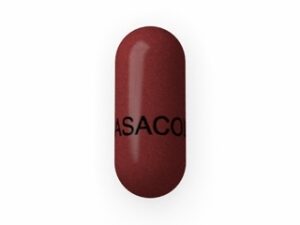
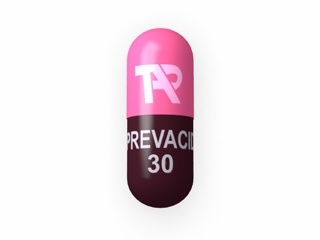
In Australia, medicines containing lansoprazole are regulated under the Therapeutic Goods Administration (TGA) framework and are supplied through pharmacies. Brand availability and tablet strengths may vary by product and supplier. Always check the pack label for your specific dose and instructions.
What is lansoprazole?
Lansoprazole is a proton pump inhibitor (PPI). PPIs reduce acid secretion by blocking the “proton pump” in stomach lining cells (parietal cells). This helps:
- relieve heartburn and reflux symptoms
- promote healing of acid-related injury (e.g., erosions in the oesophagus)
- support ulcer healing
- lower acid levels in conditions such as Zollinger–Ellison syndrome
How Prevacid works (mechanism of action)
PPIs like lansoprazole work by irreversibly inhibiting the proton pump (H+/K+ ATPase) on gastric parietal cells. As a result, the stomach produces less hydrochloric acid.
Because lansoprazole works at the level of acid production, it is most effective when taken before the body starts producing acid for the day’s meals—this is why timing before food is important.
Pharmacokinetics (how the body handles it)
Pharmacokinetics refers to what the body does to a medicine—how it is absorbed, metabolised, and eliminated. Understanding the general patterns can help explain why dosing and timing matter.
- Absorption: Lansoprazole is absorbed after oral administration. Acid-sensitive formulations are designed to protect the drug from stomach acid until it reaches absorption sites.
- Peak levels: After a dose, blood levels typically rise to peak concentration within a few hours (timing can vary by formulation and individual factors).
- Distribution: It distributes into the body and reaches the stomach lining cells where it can act.
- Metabolism: Lansoprazole is metabolised primarily in the liver.
- Elimination: The medicine and its metabolites are eliminated mainly via the kidneys (and partly via other pathways).
Practical implication: The effects last longer than the time it remains in the bloodstream. That is because PPIs inactivate proton pumps for an extended period, improving acid control beyond the dosing interval.
Typical uses and indications
Lansoprazole is used for a range of acid-related conditions. The exact indication and treatment length depend on diagnosis and severity.
Common indications include
- GORD (gastro-oesophageal reflux disease): Relief of heartburn and reflux symptoms, and treatment of erosive oesophagitis
- Ulcers: Treatment of gastric (stomach) ulcers and duodenal ulcers
- Erosive inflammation of the oesophagus: Healing and symptom control
- Zollinger–Ellison syndrome and other conditions with excessive stomach acid production
- Acid suppression as part of combined regimens: In some settings, lansoprazole may be used with other medicines to help eradicate Helicobacter pylori (H. pylori) infection
Your clinician may select lansoprazole based on diagnosis, prior therapy response, and whether combination treatment is needed.
How to take Prevacid: timing and administration
Best timing (very important)
For many acid-related conditions, lansoprazole works best when taken before food, because meals stimulate acid production. A common approach is:
- Once daily: take it in the morning, ideally 30–60 minutes before breakfast
- Twice daily (if prescribed for your condition): take one dose before breakfast and one dose before dinner
Tip: Choose a routine you can stick to. If you miss a dose, take it when you remember unless it is close to your next dose—then skip the missed dose and continue as scheduled. Avoid doubling up.
With or without food?
While some people can tolerate PPIs with food, the acid-suppressing effect may be reduced if taken after meals. For maximum benefit, follow the timing guidance on the pack label or as directed by your healthcare professional.
Swallowing guidance
- Swallow tablets whole with water unless the product instructions state otherwise.
- If you have difficulty swallowing, check the specific product form and packaging—availability of dispersible/granule forms can differ.
Food interactions
Food doesn’t usually “cancel” lansoprazole, but it can reduce effectiveness by delaying or reducing how quickly the medicine encounters its target within the stomach environment. For best results:
- Take before meals whenever possible (especially breakfast).
- Avoid changing your meal schedule drastically during the first days of treatment.
- If you have a night-shift routine, discuss a suitable dosing schedule with your healthcare professional.
Alcohol: Alcohol may worsen reflux symptoms in many people, even when acid is suppressed. See the alcohol section below.
Alcohol interactions
Lansoprazole does not have a specific “disulfiram-like” reaction with alcohol. However, drinking alcohol can still be a problem because it may:
- increase reflux (heartburn/regurgitation) in susceptible individuals
- irritate the stomach lining for some people
- reduce sleep quality, which can aggravate reflux
If you drink alcohol, consider limiting or avoiding it during treatment—especially in the early weeks when your symptoms are settling. If you notice consistent symptom worsening after alcohol, discuss strategies with a clinician.
Medicine interactions (important)
Lansoprazole interacts with some medicines, mainly because PPIs change stomach acidity and can affect liver enzyme pathways. Most people taking a PPI have no major interaction issues, but it’s important to review your full medicine list, including over-the-counter products and supplements.
Medicines that may be affected
- HIV medicines: Some antiretroviral therapies depend on stomach acidity for absorption (your clinician/pharmacist will advise)
- Antifungals: Absorption of certain antifungals can be affected
- Iron supplements (non-heme): Reduced stomach acidity may lower absorption in some cases
- Some osteoporosis medicines: Timing may matter for certain products
- Warfarin: Monitoring may be required after starting or stopping PPIs (INR changes have been reported with some PPIs)
- Medicines influenced by liver metabolism: Lansoprazole is metabolised in the liver and may be affected by other drugs that influence those pathways
Over-the-counter products
- Antacids: Often can be used for breakthrough symptoms, but separate dosing from lansoprazole where possible.
- Other reflux medicines: Avoid “stacking” multiple acid suppressors unless advised.
Practical tip: Bring a list of all medicines and supplements (including doses) when you consult your pharmacist or clinician.
Dosing: what is typical?
Dosing depends on the condition being treated, severity, and the treatment plan (including whether combination therapy is used). The information below provides general dosing patterns; always follow the pack label or clinician advice for your specific case.
| Condition (typical) | Common dosing pattern | Notes |
|---|---|---|
| GORD / heartburn | Often once daily (morning before breakfast) | Treatment duration may be short-term or longer depending on response. |
| Erosive oesophagitis | Once daily; sometimes longer courses | Healing may take several weeks; symptoms can improve sooner. |
| Gastric or duodenal ulcers | Once daily | Ulcer treatment courses are often scheduled even after symptoms ease. |
| H. pylori eradication (with other medicines) | Often twice daily as part of combination regimens | Use with antibiotics/other medicines exactly as directed in the regimen. |
| Zollinger–Ellison syndrome | Individualised; may require multiple daily doses | Monitoring of acid output and dose adjustment may be required. |
Do not change your dose or stop early without advice, especially for ulcer healing or H. pylori eradication regimens. Stopping too soon can delay healing or increase the chance of relapse.
How soon will it work?
Many people notice symptom improvement within a few days, particularly for reflux-related heartburn. However, full healing of inflamed tissue and ulcers often requires several weeks of consistent use.
- Day 1–3: Symptom relief may begin
- 2–4 weeks: Often substantial improvement for oesophagitis or ulcers
- Longer courses: May be required for severe disease or maintenance strategies
Safety profile and side effects
Like all medicines, lansoprazole can cause side effects. Most are mild and temporary. If you experience severe or persistent symptoms, contact a healthcare professional.
Common side effects (may occur)
- Headache
- Diarrhoea or constipation
- Nausea
- Abdominal pain, bloating
- Dry mouth or dizziness (less common)
Seek urgent medical advice if you have
- Signs of an allergic reaction: swelling of face/lips, rash, severe itching, trouble breathing
- Severe or persistent diarrhoea, especially if watery or with fever (possible infection such as C. difficile)
- Vomiting blood or passing black/tarry stools
- Unintentional weight loss, difficulty swallowing, or persistent vomiting
- Severe chest pain or symptoms that could suggest a heart problem
Long-term use considerations
When PPIs are used for long periods, clinicians may review the ongoing need and aim for the lowest effective dose. Long-term therapy is sometimes appropriate, but potential considerations include:
- Vitamin and mineral effects: Reduced stomach acid may affect absorption of some nutrients over time.
- Bone health: Some studies have linked long-term PPI use with an increased risk of fractures, especially with other risk factors.
- Infections: Changes to stomach acid may increase susceptibility to certain gut infections.
These risks do not mean you must avoid PPIs, but they support regular review of benefit vs risk with your healthcare team.
Practical use tips for patients
- Take it consistently: PPIs work best with regular dosing and correct timing.
- Use a “before breakfast” routine: Pair your dose with a daily habit (e.g., right after waking).
- Track symptoms: Note improvements in heartburn, regurgitation, or nighttime reflux during the first 1–2 weeks.
- Don’t ignore warning signs: Persistent symptoms despite correct use require assessment.
- Review other reflux triggers: Late meals, high-fat foods, large portions, and smoking can worsen reflux.
- Don’t rely on it alone long-term: If symptoms return quickly, you may need further evaluation or a longer treatment plan.
Alternative options for acid-related symptoms
Depending on your diagnosis, alternatives may include other PPIs, H2-receptor antagonists, or lifestyle measures. Your clinician or pharmacist can help choose the most suitable option.
Common alternatives
- Other PPIs: Similar medicines may be used if lansoprazole is not effective or not tolerated.
- H2 blockers (e.g., famotidine): Can reduce acid and may be used for milder symptoms or short-term relief.
- Antacids: Provide fast, short-term symptom relief but do not treat underlying inflammation as effectively as PPIs.
- Lifestyle management: Eating smaller meals, avoiding late-night eating, elevating the head of bed, and identifying dietary triggers.
- For H. pylori-related conditions: Combination therapies are often needed rather than acid suppression alone.
If you’ve been using a PPI for several weeks, don’t stop abruptly without a plan—rebound acid symptoms can occur. A gradual review or taper strategy may be recommended in some situations.
Market and legal context for Australia
In Australia, lansoprazole and other PPIs are regulated under the TGA (Therapeutic Goods Administration) framework. Supply may vary by brand, strength, formulation, and whether the product is classified as prescription-only versus a particular category of supply. Pharmacy advice and product labeling must always be followed.
Online purchasing should comply with applicable Australian requirements for medicines supply and pharmacy services. Ensure you buy from a reputable pharmacy website and that the medication is clearly labelled for Australian use.
Recent guidance and clinical considerations
Ongoing clinical guidance for reflux and ulcer management often emphasises:
- Appropriate initial duration: Use the planned course for healing and reassess if symptoms persist.
- Lowest effective dose: Aim to step down where possible after symptom control is achieved.
- Review need for long-term therapy: Consider maintenance only when benefits outweigh risks.
- Alarm symptoms: Seek medical review for red flags such as difficulty swallowing, weight loss, gastrointestinal bleeding, or persistent vomiting.
- Medication reconciliation: Review drug lists for interactions and avoid unnecessary duplication of acid suppressors.
Local advice may also evolve as new evidence and safety data emerge. If you’re unsure whether lansoprazole is right for your symptoms, ask a pharmacist or clinician for tailored guidance.
Delivery, availability, and what to expect when ordering online
Availability of Prevacid (lansoprazole) and the specific strengths/formulations may vary depending on current stock levels and supplier distribution. When ordering online in Australia:
- Check the product strength and form (tablet type) before completing your order.
- Review the expiry date shown at dispatch where available.
- Confirm delivery options (standard vs express) and estimated timeframes.
- Keep packaging and patient information in a safe place for reference.
If you need assistance selecting the correct product or strength, contact the pharmacy support team before ordering.
FAQ about Prevacid (lansoprazole)
1) Can I take Prevacid when I have heartburn?
Lansoprazole is often used for ongoing reflux or GORD, and it can help heartburn related to acid. For occasional mild symptoms, some people use faster-acting antacids instead. If symptoms are frequent or lasting, a clinician/pharmacist can help determine whether a PPI is appropriate and how long to try it.
2) How long does it take to start working?
Many people feel improvement within a few days. Full healing of inflammation or ulcers usually takes longer, often several weeks. Taking it before meals and consistently is key for best effect.
3) What if I miss a dose?
Take it when you remember unless it’s close to your next scheduled dose. Do not take double doses to “catch up.” Resume your regular schedule.
4) Should I stop once my symptoms improve?
Not necessarily. If you were prescribed a course for ulcer healing or erosive oesophagitis, stopping early can slow healing. For long-term use, discuss a step-down plan with your healthcare professional rather than stopping suddenly.
5) Can I drink alcohol while taking lansoprazole?
There is no typical severe alcohol interaction with lansoprazole itself, but alcohol may worsen reflux symptoms. For best results, consider reducing or avoiding alcohol, especially if you notice symptoms after drinking.
6) Are there food restrictions?
There are no strict food bans. However, to maximise effectiveness, take lansoprazole before meals. If you change your eating schedule (e.g., night shifts), ask for dosing advice that fits your routine.
7) Does Prevacid interact with my other medications?
It can. Interactions depend on your exact medicines (including HIV treatments, certain antifungals, warfarin, iron supplements, and others). Share your full medicine list with your pharmacist to check for interaction risks.
8) What side effects are most common?
Common side effects include headache, nausea, and changes in bowel habits (diarrhoea or constipation). Most are mild. Seek medical advice if you develop severe symptoms or signs of a serious reaction.
9) When should I seek medical attention?
Seek prompt medical care for warning signs such as difficulty swallowing, vomiting blood, black/tarry stools, unexplained weight loss, severe persistent diarrhoea, or symptoms that don’t improve with appropriate treatment.
10) Is long-term use safe?
Many people use PPIs safely when properly indicated. However, long-term therapy should be reviewed periodically to ensure the lowest effective dose and ongoing benefit. Your clinician/pharmacist can guide a monitoring and review plan.
Note: This information is general and may not cover every situation. Always read the product label and consider advice from a healthcare professional if you have concerns, complex medical conditions, or are taking multiple medicines.