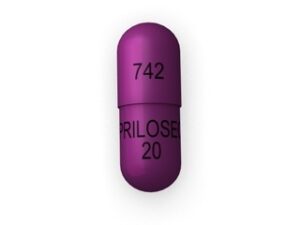



Rabeprazole (Rabeprazole sodium) — Patient-Friendly Medicine Information (Australia)
Rabeprazole is a medicine used to reduce stomach acid. It belongs to a group called proton pump inhibitors (PPIs). In Australia, rabeprazole may be available under different brands and pack sizes, and is commonly used for conditions such as reflux and ulcer disease. This guide explains what rabeprazole does, when and how to take it, common uses, interactions, safety considerations, and practical tips—so you can feel confident and prepared.
Quick Product Overview
| Feature | Details |
|---|---|
| Medicine name | Rabeprazole (rabeprazole sodium) |
| Medicine class | Proton pump inhibitor (PPI) |
| How it works | Reduces acid production in the stomach by blocking proton pumps |
| Common uses | Gastro-oesophageal reflux disease (GORD/acid reflux), gastric/duodenal ulcers, acid-related disorders, and in some cases as part of eradication therapy for H. pylori |
| Typical dosing timing | Often 1 time daily; best taken before food (commonly before breakfast) |
| Typical onset | May begin helping within 1–3 days; maximum benefit often after several days to weeks |
| Common side effects | Headache, diarrhoea or constipation, nausea, abdominal discomfort |
How Rabeprazole Works (Mechanism of Action)
Rabeprazole belongs to the proton pump inhibitor (PPI) class. It works by blocking the H+/K+-ATPase “proton pump” system located in the stomach lining. These pumps are responsible for the final step of stomach acid secretion.
By inhibiting the proton pumps, rabeprazole reduces acid production. This can:
- Help relieve symptoms such as heartburn, reflux, and stomach discomfort
- Allow irritated tissues in the oesophagus or stomach to heal
- Improve the success of treatments for ulcers and acid-related conditions
Rabeprazole is designed as an enteric-coated formulation (the medicine passes through the stomach before releasing). This helps it remain stable until it reaches the small intestine, where it is absorbed.
Pharmacokinetics (How the Body Handles It)
Pharmacokinetics describe how rabeprazole is absorbed, metabolised, and eliminated. While individual experiences can vary, these are general patterns:
- Absorption: Rabeprazole is absorbed after passing through the stomach (enteric-coated delivery). Peak effects typically occur after it is absorbed and activated inside the body.
- Onset: Acid reduction begins soon after dosing, but symptom relief may take a few days.
- Metabolism: The body metabolises rabeprazole primarily in the liver, involving drug-metabolising enzymes.
- Elimination: The metabolites are mainly cleared via the kidneys and also through other routes.
- Duration of effect: Even though the drug’s blood levels may drop, proton pump inhibition can have a sustained effect on acid production.
These properties support once-daily dosing for many conditions. If doses are split or changed, follow your medicine instructions.
What Rabeprazole Is Used For (Indications)
Rabeprazole is used for conditions where reducing stomach acid helps relieve symptoms and support healing, such as:
- Gastro-oesophageal reflux disease (GORD): including heartburn and acid reflux, and oesophagitis (inflammation of the oesophagus)
- Gastric and duodenal ulcers: including healing of active ulcers
- Management of acid-related conditions determined by your clinician
- Helicobacter pylori (H. pylori) eradication regimens: rabeprazole may be used as part of combination therapy to help eradicate H. pylori (usually with antibiotics and sometimes other medicines)
Your exact treatment plan depends on your diagnosis, severity, and other health factors.
Typical Dosing and Timing
Dosing can vary based on the condition being treated and whether rabeprazole is used alone or as part of combination therapy. The information below is general and intended to support understanding.
General timing tips
- Best time: commonly taken before food to maximise effectiveness against meal-stimulated acid.
- Often once daily: many adults take rabeprazole once per day.
- Before breakfast: a common routine is to take it in the morning before breakfast.
- Do not crush or chew: keep the tablet/capsule whole as directed, especially for enteric-coated products.
- Consistency matters: try to take it at the same time each day.
When symptoms improve
Many people notice improvement within a few days. If you are treating an ulcer or inflammation, full healing may take longer (often several weeks, depending on the condition). Even if symptoms settle, complete the planned course unless advised otherwise.
Missed dose
If you miss a dose, take it when you remember unless it is close to the time for the next dose. Avoid doubling up. If you are unsure, ask your pharmacist for guidance.
Dose adjustments (general considerations)
People with liver impairment may require individualised guidance. Age, kidney function, and interactions with other medicines can also affect suitability. Always follow the dosing instructions provided with your product.
How to Take Rabeprazole Safely and Effectively
- Take with water: swallow whole with a glass of water.
- Avoid splitting doses: unless your medicine instructions specify otherwise.
- Stay organised: consider using a daily alarm or pharmacy blister pack for adherence.
- Track symptom triggers: note foods or behaviours that worsen reflux (e.g., late meals, high-fat foods, alcohol).
- Follow the course: acid-related conditions often improve gradually.
Food Interactions: Does Rabeprazole Need to Be Taken With Food?
Rabeprazole is generally taken before meals for best acid control. Food can stimulate acid secretion, making it harder for the medicine to prevent the acid surge if taken immediately with or after meals.
Practical approach:
- If taking once daily, take it before breakfast or your first meal of the day.
- If prescribed twice daily, take the second dose before the evening meal (according to your instructions).
- If you must eat first due to timing issues, talk to your pharmacist about the best approach for your routine.
For most people, food does not directly “harm” the medicine, but the timing affects how well it controls acid.
Alcohol and Rabeprazole: Is It Safe to Drink?
There is no simple “universal” rule for everyone, but alcohol can worsen reflux symptoms. Even if rabeprazole reduces acid, alcohol may irritate the oesophagus and increase heartburn for some people.
- Occasional alcohol: may be tolerated in some individuals, but watch for symptom flare-ups.
- Frequent or heavy alcohol use: can significantly increase reflux and delay symptom control.
- Combination with antibiotics: if rabeprazole is used in H. pylori regimens, some antibiotic combinations may require avoiding alcohol—ask your pharmacist or clinician for advice.
If you notice worsening heartburn, consider reducing alcohol and other triggers (spicy foods, late meals, and lying down soon after eating).
Medicine Interactions (Alcohol-Free and Prescription-Free Considerations)
Most medicines can be taken with rabeprazole, but interactions can occur. The most important interaction considerations include changes in stomach acidity that may affect how other drugs are absorbed, and effects on liver enzyme pathways involved in drug metabolism.
Examples of medicines that may interact (discuss with your pharmacist)
- Medicines requiring acid for absorption: some drugs may be less effective if stomach acid is reduced.
- Warfarin (a blood thinner): PPIs can alter drug levels in some circumstances; monitoring may be needed.
- Clopidogrel: some PPIs can reduce activation of clopidogrel; guidance depends on your specific situation.
- Antiretrovirals (HIV medicines): absorption may be affected; your healthcare provider can advise.
- Antifungal medicines and other drugs metabolised by the liver: timing or monitoring may be required.
- Sucralfate: if used, spacing doses may be recommended because of effects on absorption.
- Digoxin: stomach acid changes may affect absorption in some cases.
Non-medicine interactions that are still important
- Antacids: may provide quick relief for breakthrough symptoms. They generally do not replace rabeprazole’s longer control.
- Other acid-lowering products: using two acid-suppressing medicines together can increase side effects without extra benefit—ask before combining.
Tell your pharmacist about all medicines and supplements you use, including herbal products and over-the-counter antacids, so they can check interaction risk for your specific regimen.
Safety Profile: What to Expect and When to Seek Help
Like all medicines, rabeprazole can cause side effects. Many people tolerate rabeprazole well. If you experience severe or persistent symptoms, or signs of allergy, seek medical help promptly.
Common side effects
- Headache
- Nausea
- Diarrhoea or constipation
- Abdominal pain, bloating, or discomfort
- Flatulence
Less common but important risks
With ongoing use, PPIs have been associated with certain longer-term risks in some people. These do not mean everyone will experience them, but they are worth understanding—especially if you are using rabeprazole for months.
- Low magnesium (hypomagnesaemia): may occur with prolonged use; symptoms can include muscle cramps, weakness, or abnormal heart rhythms.
- Vitamin and nutrient effects: long-term reduced acid may affect absorption of certain nutrients in some individuals.
- Infections: acid suppression can increase susceptibility to some gastrointestinal infections.
- Kidney issues: rare cases of kidney inflammation have been reported with PPIs.
- Bone health: longer-term use of PPIs has been associated with an increased risk of fractures in observational studies.
Seek urgent advice if you notice
- Swelling of the face, lips, tongue, or throat; trouble breathing (possible allergic reaction)
- Severe or persistent diarrhoea, especially with fever or blood
- Vomiting blood or black/tarry stools
- Unintentional significant weight loss, difficulty swallowing, or persistent vomiting
- Severe abdominal pain
If you have alarm symptoms, it is important to get prompt medical assessment to rule out serious causes of indigestion or reflux.
Practical Use Tips for Common Scenarios
1) You’re taking rabeprazole for reflux (GORD)
- Use it consistently and take it before your first meal.
- Avoid lying down for 2–3 hours after eating.
- Consider lifestyle measures: smaller meals, reducing late-night meals, and identifying trigger foods.
2) You’re taking it for an ulcer or inflammation
- Complete the full planned course even if symptoms improve.
- If you take pain relievers such as NSAIDs (e.g., ibuprofen/naproxen), discuss risk and safer options with a pharmacist.
3) You’re using rabeprazole as part of H. pylori eradication therapy
- Follow the combination regimen exactly, including antibiotic schedules.
- Take doses at the times directed; set reminders if needed.
- Report side effects early—tolerability matters for successful completion.
- Ask about alcohol guidance and any restrictions for your specific antibiotic combination.
Alternative Options (Depending on Your Condition)
If rabeprazole is not suitable or you need a different approach, alternatives may include:
- Other PPIs: such as esomeprazole, omeprazole, pantoprazole, or lansoprazole (choice depends on response and tolerance).
- H2-receptor antagonists: such as famotidine (often used for mild symptoms or different regimens).
- Antacids: for quick, short-term relief of breakthrough heartburn.
- Lifestyle measures: weight management, dietary adjustments, and timing of meals can significantly reduce symptoms.
- In some cases: testing for H. pylori or adjustment of contributing medicines (like NSAIDs) may be recommended.
Your pharmacist can help you compare options based on symptom pattern, severity, and medicines you already take.
Market and Legal Context in Australia (Availability & Guidance)
In Australia, medicines are supplied according to their classification and approved indications. The availability of rabeprazole can vary by product and strength, including whether certain strengths are available without a prescription or are restricted to supply under professional supervision. Always check the product packaging and the “how to obtain” information shown on the pharmacy site.
When using any acid-lowering medicine, it’s important to:
- Use the product for the intended indication and dose regimen on the label (or as advised by a healthcare professional)
- Seek medical review if symptoms do not improve or if symptoms return repeatedly
- Be aware of “alarm symptoms” such as bleeding, unintended weight loss, or difficulty swallowing
Pharmacy teams can provide practical advice on correct use and possible interactions, and can help you choose the most appropriate option for your needs.
Recent Guidance and Ongoing Considerations
Clinical guidance for PPIs generally emphasises appropriate use, symptom monitoring, and avoiding unnecessary long-term high-dose treatment when possible. Many recommendations focus on:
- Using the lowest effective dose for the shortest duration that achieves control
- Reviewing therapy when symptoms are controlled or if treatment is prolonged
- Confirming need for ongoing therapy in chronic conditions
- Assessing risk factors (for example, when long-term use may affect magnesium, nutrients, kidney function, or bone health)
Guidance can evolve as new evidence becomes available. If you have been taking rabeprazole for a long time, it’s reasonable to ask your pharmacist or GP whether your ongoing regimen is still the best option for you.
Delivery and Availability (Online Pharmacy in Australia)
Rabeprazole is commonly stocked by Australian pharmacies depending on product type and brand. Availability can vary by strength and formulation. When ordering online, you can usually choose options such as:
- Standard delivery: typical regional transit times
- Express delivery: faster options (where available)
- Click-and-collect: some pharmacies may offer store collection
Orders are typically processed quickly during business hours. Delivery times depend on your location and the pharmacy’s courier network. Check the product page for current delivery estimates and stock status.
If you require repeat supply, consider setting up reminders or recurring orders (where supported).
FAQ: Rabeprazole (Rabeprazole sodium)
1) How long does rabeprazole take to work?
Many people feel some improvement within a few days. For conditions such as oesophagitis or ulcers, healing and full symptom control can take longer—often several weeks. If symptoms are not improving as expected, speak with your pharmacist or GP.
2) Should I take rabeprazole before or after food?
In most cases, rabeprazole works best when taken before food (commonly before breakfast). This helps prevent acid levels from rising in response to meals.
3) Can I take an antacid with rabeprazole?
Often, yes. Antacids can provide faster, short-term relief for breakthrough symptoms. Keep a gap if your pharmacist advises it, and avoid taking multiple overlapping acid-suppressing products without advice.
4) Is it safe to drink alcohol while taking rabeprazole?
Alcohol can worsen reflux symptoms and may irritate the oesophagus. While occasional alcohol may be tolerated, it’s best to monitor your symptoms. If rabeprazole is used with antibiotics for H. pylori, ask specifically about alcohol restrictions for your antibiotic combination.
5) What if I miss a dose?
Take it when you remember unless it is close to the next dose. Do not double up. If you are unsure, ask your pharmacist.
6) What are the common side effects?
Common side effects include headache, nausea, diarrhoea or constipation, and abdominal discomfort. If side effects are severe or persist, seek advice.
7) Are there any warning signs I should watch for?
Seek urgent medical advice for symptoms such as vomiting blood, black/tarry stools, severe or persistent diarrhoea (especially with fever or blood), or signs of allergic reaction (swelling, trouble breathing). Also seek prompt assessment for difficulty swallowing or unexplained weight loss.
8) Can rabeprazole interact with my other medicines?
Yes, interactions can occur—especially with medicines whose absorption or metabolism depends on stomach acidity or liver pathways. Tell your pharmacist about all medicines, vitamins, and herbal products you use so they can check suitability.
9) Can I stop rabeprazole when I feel better?
Don’t stop early if you are treating an ulcer or a course-based regimen. For long-term reflux, therapy should be reviewed based on symptom control and risk. Ask your pharmacist or GP for guidance on whether tapering or review is appropriate for you.
10) What are the alternatives to rabeprazole?
Alternatives may include other PPIs, H2-receptor antagonists (e.g., famotidine), antacids for quick relief, or non-medicine lifestyle measures. The best option depends on your diagnosis and symptom pattern.
Important Note
This information is intended to help you understand rabeprazole and how it is commonly used. It does not replace personalised advice. If you have ongoing symptoms, new alarm symptoms, or are unsure about interactions or timing, consult a pharmacist or healthcare professional.