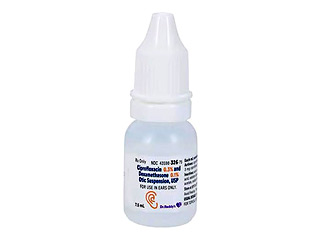
Ciprofloxacin + Dexamethasone (Ciprofloxacin/Dexamethasone) — Patient Information (Australia)
Ciprofloxacin + dexamethasone (often referred to as Ciprofloxacin/Dexamethasone) is a combination medicine used to treat certain ear and eye conditions where both infection and inflammation are present. It combines: ciprofloxacin (an antibiotic) and dexamethasone (a corticosteroid).
This page provides general, patient-friendly information to help you understand how the medicine works, how it is typically used, and what safety considerations apply in Australia. Always follow the directions provided with your product and consult a healthcare professional if you have questions specific to your condition.
Quick overview
| What it is | How it works | Typical use | Common form |
|---|---|---|---|
| Ciprofloxacin + dexamethasone (combination) | Antibiotic + steroid to reduce inflammation | Selected ear/eye infections with inflammation | Ear drops or eye drops (depending on brand) |
Basic product information
- Active ingredients: Ciprofloxacin + Dexamethasone
- Medicine type: Antibiotic (fluoroquinolone) + corticosteroid
- Where it’s used: Most commonly as ear drops or eye drops for conditions where an infection is suspected/confirmed and inflammation is also present.
- Brand names: Vary by manufacturer and formulation. Your product label will specify the exact brand and concentration.
Different products exist (for example, eye-only vs ear-only preparations). The concentration and dosing schedule can differ, so it’s important to use the correct product for the correct body site.
How it works (mechanism of action)
1) Ciprofloxacin (antibiotic component)
Ciprofloxacin belongs to the fluoroquinolone class of antibiotics. It works by interfering with bacterial DNA processes, which prevents bacteria from multiplying. Specifically, it targets enzymes involved in DNA replication (such as DNA gyrase and topoisomerase IV), leading to bacterial cell death.
2) Dexamethasone (steroid component)
Dexamethasone is a corticosteroid that helps reduce inflammation. It works by decreasing inflammatory chemical signals in tissues. This may reduce pain, swelling, redness, itching, and other symptoms associated with inflammatory reactions.
Why the combination matters: In some infections (especially in the ear or around the eye), inflammation can be significant. Using an antibiotic plus an anti-inflammatory can help address both the infectious cause and the swelling-related symptoms.
Pharmacokinetics (how the body processes it)
Pharmacokinetics can vary depending on whether the medicine is used in the ear or eye, and on the condition of the tissues (for example, whether there is an intact barrier). In general, the medicine is administered locally (topically), and only small amounts may be absorbed into the bloodstream.
- Absorption: With topical use, absorption is typically limited. Absorption can increase if tissues are inflamed or damaged (e.g., in certain ear conditions).
- Distribution: Minimal systemic distribution is expected with local use, though trace absorption may occur.
- Metabolism & elimination: Any absorbed drug is processed and eliminated by the body, primarily through normal metabolic and excretion pathways.
Because systemic exposure is generally low with topical use, side effects are often local (eye/ear-related). However, if you experience unusual symptoms or if you have risk factors (such as previous steroid sensitivity or certain eye conditions), discuss this with a clinician.
Typical use and indications (what it may be used for)
Ciprofloxacin + dexamethasone is used for specific infections where inflammation also needs treatment. Indications depend on the exact formulation and local product approval. Commonly, these medicines are used for:
- Outer ear infections (otitis externa) with marked inflammation, in cases where bacterial infection is suspected.
- Middle ear infections in certain clinical situations, where topical treatment is considered appropriate.
- Eye infections with inflammation, under appropriate clinical assessment.
It is important to note that corticosteroids can sometimes worsen certain infections (for example, some viral or fungal eye infections). For this reason, the correct diagnosis and appropriate use are essential.
Timing and how to use it (practical guidance)
Always use the product exactly as directed on your label or by your healthcare professional. Below are general timing principles that apply to many topical ciprofloxacin/dexamethasone products. If your product leaflet gives a specific schedule, follow that schedule.
When to start
- Start when symptoms begin or when advised after assessment of the condition.
- If there is no improvement after the expected timeframe, seek medical advice promptly rather than continuing indefinitely.
How often (general)
- Many topical regimens involve multiple doses per day, spaced evenly throughout waking hours.
- Some formulations may be used more frequently initially; others use a steady schedule.
How long (general)
- Typical courses are usually short for acute infections, often around 5–10 days depending on response and the condition being treated.
- Do not extend the course without review, because steroid-containing medicines can increase the risk of complications with longer use.
Dosing (general information)
Dosing depends on the body site (ear vs eye), the concentration, the severity of the condition, and your age. Only use the correct product for your intended site and follow the directions supplied with it.
Typical dosing patterns (may vary by brand)
- Ear drops: Common regimens include several drops in the affected ear 2–4 times daily (or as specified by the product instructions).
- Eye drops: Common regimens include drops in the affected eye(s) 2–4 times daily (or as specified by the product instructions).
If you miss a dose, use it as soon as you remember unless it is close to the next dose. In that case, skip the missed dose and continue your normal schedule. Do not double the dose.
Food interactions
Because ciprofloxacin + dexamethasone is typically used topically, food interactions are generally unlikely. However, always check the product information and your healthcare professional’s advice.
If you are using the medicine as part of a broader treatment plan (for example, additional oral medications), discuss potential interactions for those medicines separately.
Alcohol and medicine interactions
Alcohol
There is no direct, well-established alcohol interaction specific to ciprofloxacin/dexamethasone used topically. Because systemic absorption is usually low, the risk of a clinically important reaction is generally low. That said, if you are unwell, alcohol can slow recovery for some people, and it may worsen side effects such as dizziness (especially if you’re taking other medicines).
Interactions with other medicines
Topical medicines usually have fewer drug interactions than oral medications, but interactions can still occur—especially if you use multiple eye/ear products.
- Other eye/ear drops: Separate doses by a suitable time interval if you use additional drops to avoid dilution or mixing in the eye/ear.
- Contact lens solutions: For eye products, contact lenses are often discouraged during infection and steroid use. Follow your clinician’s instructions.
- Other antibiotics: Using additional antibiotics concurrently is usually not necessary unless advised.
For a full interaction check, provide your pharmacist or clinician with a list of all medicines and supplements you take.
Safety profile (what to watch for)
Like all medicines, ciprofloxacin + dexamethasone can cause side effects. Many are mild and temporary, but some require urgent medical attention. Report any concerning or persistent symptoms.
Common side effects (local)
- Eye: temporary stinging/burning, blurred vision shortly after use, redness
- Ear: mild irritation, itching, or discomfort after instillation
Less common but important risks (steroid-related)
Because dexamethasone is a steroid, it can suppress local immune responses. This may lead to complications in certain untreated infections.
- Worsening or masking of infection if the infection is not bacterial
- Delayed healing
- In eye use: risk of increased intraocular pressure and cataract with prolonged use
Allergic reactions
- Swelling of face/lips, rash, severe itching
- Difficulty breathing
Seek urgent medical help if signs of a serious allergy occur.
When to get medical help urgently
- Severe or worsening pain
- Significant swelling, discharge, or rapid deterioration
- Vision changes that do not quickly settle after instilling eye drops
- No improvement within a few days as expected
Practical use tips (to get the best results)
General tips for safe use
- Wash your hands before and after use.
- Use the correct product for the eye or ear (do not substitute).
- Avoid touching the tip of the bottle to your eye/ear or eyelashes/skin to reduce contamination.
- Follow the schedule consistently to maintain effective drug levels at the infection site.
Ear drops: helpful technique
- Lie with the affected ear facing up or follow the leaflet’s position instructions.
- Instill the recommended number of drops.
- Keep the position for a short period (commonly a few minutes) to allow distribution.
- If you have a perforated eardrum or ear tubes, ask a clinician if the product is suitable for your situation.
Eye drops: helpful technique
- Pull down the lower eyelid to create a small pocket.
- Instill the prescribed number of drops without touching the eye.
- Close the eye gently and press lightly on the inner corner for about 1 minute (reduces drainage into the nose and may reduce systemic absorption).
- If using multiple eye products, use them with the spacing recommended by the pharmacist or product label.
Contact lenses (eye products)
- Usually, contact lenses should be avoided during infection/inflammation.
- If you wear lenses, ask your pharmacist when you can safely restart based on symptom resolution and product instructions.
Missed dose and stopping early
- If you miss a dose: use it when remembered unless it’s almost time for the next dose.
- Don’t stop early: stopping may allow infection to return. However, if you develop concerning symptoms (for example, severe pain or vision changes), stop and seek advice.
- Finish the course: unless advised otherwise by a clinician.
Alternative options (discuss with a clinician/pharmacist)
Alternatives depend on the diagnosed condition, severity, and whether infection is bacterial. Some common categories of alternatives include:
- Antibiotic-only drops/ointments (if inflammation does not need steroid treatment).
- Anti-inflammatory drops without antibiotics (rarely appropriate if infection is suspected or confirmed).
- Different antibiotic classes (e.g., aminoglycosides, other fluoroquinolones) where suitable based on local guidelines and allergy history.
- Supportive care such as pain relief and ear/eye hygiene measures as recommended for the specific condition.
If you have not improved, if symptoms recur quickly, or if you suspect a fungal/viral cause, you may need reassessment rather than simply switching within the same combination class.
Australia market & legal context (what to expect)
In Australia, medicines are regulated by the Therapeutic Goods Administration (TGA). Availability and supply classification can vary by product and formulation (for example, whether it is prescription-only or available under specific pharmacy arrangements).
- Approved indications: Only use the medicine for conditions consistent with the approved product information.
- Pharmacy supply: Online pharmacies typically require appropriate checks (for example, age, product suitability, and relevant medical history) before dispatch.
- Safety monitoring: Steroid-containing products may require careful screening for contraindications (especially eye conditions).
Recent guidance & practice updates: Clinical approaches to topical antibiotics and steroids may change over time based on emerging resistance patterns and updated ophthalmology/otology recommendations. Always check the product leaflet provided with your specific brand and follow the most current advice from a clinician or pharmacist.
Delivery and availability (online pharmacy Australia)
Availability depends on the brand and formulation (eye vs ear) and on local stock levels. Online pharmacy suppliers typically offer:
- Home delivery within Australia (shipping times depend on location and courier services).
- Packaging protection to help keep drops stable during transport.
- Cold-chain is usually not required for these products, but check product storage instructions.
If you need delivery to remote areas, check the estimated dispatch and delivery timeframe during checkout.
Storage instructions
- Store at room temperature unless your leaflet says otherwise.
- Keep the container tightly closed.
- Keep out of reach of children.
- Check the leaflet for shelf-life after first opening (discard according to instructions).
FAQ (Frequently asked questions)
1) What conditions is ciprofloxacin/dexamethasone used for?
It is used for selected ear or eye conditions where bacterial infection and inflammation occur together. The exact approved indication depends on the specific product.
2) How quickly should I notice improvement?
Many people notice symptom improvement within a few days. If there is no improvement or symptoms worsen, seek advice promptly rather than continuing the same treatment without review.
3) Can I use it for viral infections?
Steroid-containing products can be inappropriate for certain viral conditions. Use should be based on correct diagnosis and product instructions. If you suspect a viral cause (for example, herpes-related eye disease), get medical advice urgently.
4) Is it safe to drive after using eye drops?
Some people experience brief blurred vision after instilling eye drops. If your vision is affected, wait until it clears before driving or operating machinery.
5) Can I drink alcohol while using this medicine?
A direct interaction is not commonly expected with topical use. If you feel unwell or are taking other medicines, check with a pharmacist—especially if you experience dizziness or other side effects.
6) What if I wear contact lenses?
Contact lens use is generally discouraged during eye infection/inflammation and while using steroid-containing drops. Follow your pharmacist’s or clinician’s advice on when to restart lens wear.
7) What are signs that I should stop and seek urgent help?
Seek urgent medical help for severe pain, rapidly worsening symptoms, significant swelling, allergic symptoms, or eye/vision changes that don’t improve quickly.
8) Can I use it in both the ear and the eye?
Don’t mix products. Eye and ear formulations differ. Use only the product intended for the specific site and follow instructions carefully.
9) Will it prevent antibiotic resistance?
Using antibiotics appropriately helps reduce resistance risk. Still, resistance can occur. Take the medicine as directed and get reassessed if symptoms don’t improve.
10) What are my options if symptoms come back?
Recurrent symptoms may indicate the original diagnosis was incorrect, the infection type differs, or an underlying issue (such as chronic inflammation or debris) needs addressing. Arrange a review with a clinician or pharmacist for targeted management.
Important reminder
Ciprofloxacin + dexamethasone can be very helpful when used appropriately for the right condition. Because it contains a steroid, correct diagnosis and appropriate duration are important. If you have ongoing symptoms, severe pain, or any concerns about suitability, speak with a pharmacist or doctor for tailored advice.