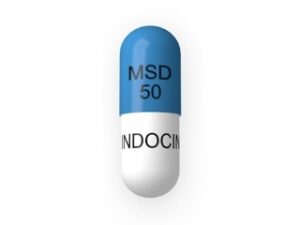
Indocin® (Indomethacin) — Patient Guide (Australia)
Indocin® contains indomethacin, a medicine from the group of drugs called non-steroidal anti-inflammatory drugs (NSAIDs). It is used to reduce pain, inflammation, and fever in specific conditions. This guide is designed to be patient-friendly and may help you understand how Indocin works, how it’s taken, what to expect, and important safety information.
Always follow the instructions provided with your product. If you have questions about suitability for you, speak with a doctor or pharmacist.
Basic product information
| Item | Details |
|---|---|
| Active ingredient | Indomethacin |
| Drug class | NSAID (anti-inflammatory pain medicine) |
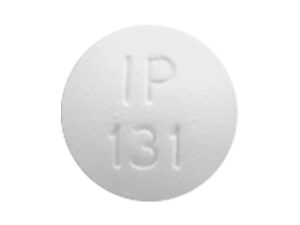
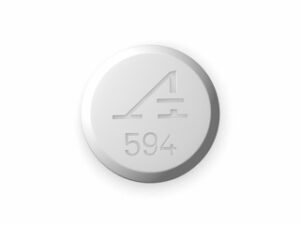
| Common forms | Oral tablets/capsules (formulation may vary by brand/strength) |
| Typical use | Selected inflammatory or pain conditions, including some acute attacks |
| Key cautions | Stomach bleeding/ulcers, kidney risk, heart/blood pressure risk, and interactions |
How Indocin works (mechanism of action)
Indomethacin reduces inflammation and pain mainly by blocking enzymes called cyclo-oxygenases (COX-1 and COX-2). These enzymes help make prostaglandins, chemicals involved in pain signalling, inflammation, and fever.
- Reduced prostaglandins leads to less pain and swelling.
- It may also help decrease fever.
- Because it can inhibit COX-1, it can also reduce protective prostaglandins in the stomach, which is why gastrointestinal side effects are important to consider.
Pharmacokinetics (absorption, distribution, metabolism, elimination)
“Pharmacokinetics” describes what the body does to the medicine. While the exact pattern may vary with formulation and individual factors, the main points for indomethacin are:
- Absorption: Indomethacin is absorbed after oral dosing. Food can influence the timing of absorption and may affect stomach tolerance.
- Protein binding: It is highly bound to plasma proteins, so other highly protein-bound medicines may affect levels.
- Metabolism: The liver metabolises indomethacin into inactive (or less active) metabolites.
- Elimination: Metabolites are excreted mainly through the kidneys and partly via bile/feces.
- Half-life (general): Indomethacin has a relatively short-to-moderate duration compared with some other NSAIDs, which is one reason dosing schedules may require multiple daily doses depending on the formulation.
If you have kidney or liver problems, your clinician may adjust the plan and monitoring.
What Indocin is used for (indications)
Indomethacin is used for a range of painful inflammatory conditions. Common indications include:
- Acute gout attacks (short-term management of intense inflammatory pain from gout)
- Other acute inflammatory musculoskeletal conditions where a clinician judges an NSAID is appropriate
- Some forms of inflammatory pain conditions, depending on local prescribing practice and product availability
Indocin is not intended for everyone. If you have risk factors (for example, history of stomach ulcers, kidney disease, or certain heart risks), there may be safer alternatives.
Typical timing and how to take it
Timing depends on the condition and the specific formulation. Many indomethacin regimens are taken in divided doses across the day. A common practical approach is to take it with food to reduce stomach irritation.
General guidance
- Take with a full meal or at least with food, unless your healthcare professional instructs otherwise.
- Follow the dose schedule exactly (don’t increase dose to “make it work faster”).
- Swallow tablets whole with water unless your product instructions say otherwise.
- If you miss a dose, take it when you remember unless it’s close to the next dose. Do not double to catch up.
How quickly it may work
Many people notice pain and swelling improving within hours, though full benefit can take longer. If symptoms worsen or don’t improve, seek advice rather than continuing to escalate dose on your own.
Food interactions and stomach protection
Food interactions are mainly about tolerability rather than “chemical” interactions. Indomethacin can irritate the stomach lining and increase the risk of ulcers and bleeding.
Practical food tips
- Take with food (meal or substantial snack).
- Avoid taking on an empty stomach. If you often get indigestion, discussing gastroprotection (such as a stomach-protecting medicine) may be important with your pharmacist or doctor.
- If you have reflux/ulcer history, consider extra precautions and monitoring.
Other dietary considerations
There are no specific “forbidden” foods for indomethacin, but maintaining good hydration and avoiding excessive alcohol (see below) can reduce additional risk.
Alcohol and medicine interactions
Combining NSAIDs such as indomethacin with alcohol can increase the risk of stomach irritation, ulcers, and gastrointestinal bleeding. Alcohol can also worsen dizziness and may contribute to liver stress.
- Best approach: avoid or minimise alcohol while taking indomethacin.
- If you do drink, keep it light and never take indomethacin “on top” of heavy drinking.
- Seek urgent help if you vomit blood, have black/tarry stools, or experience severe abdominal pain.
Medicine interactions (important)
Indomethacin can interact with other medicines because of its effect on kidney function, blood clotting pathways, and liver metabolism. Tell your pharmacist or doctor about all medicines you take, including over-the-counter products and supplements.
Common interaction categories
- Other NSAIDs (e.g., ibuprofen, naproxen, diclofenac): increased risk of stomach bleeding and kidney injury. Do not combine unless specifically advised.
- Aspirin: increased bleeding risk. Low-dose aspirin (when prescribed for heart/stroke prevention) requires careful medical guidance.
- Blood thinners/anticoagulants (e.g., warfarin) and antiplatelet medicines (e.g., clopidogrel): increased bleeding risk.
- SSRIs/SNRIs (antidepressants): may increase bleeding risk, especially gastrointestinal bleeding, when combined with NSAIDs.
- Blood pressure medicines (ACE inhibitors, angiotensin receptor blockers, diuretics): NSAIDs can reduce kidney protection and may affect blood pressure control. This risk may be higher in older adults or those who are dehydrated.
- Diuretics (“water tablets”): combined use may strain kidneys.
- Lithium: NSAIDs may increase lithium levels, raising toxicity risk.
- Methotrexate: NSAIDs can increase methotrexate levels and toxicity risk, especially at higher doses.
- Digoxin: NSAIDs may increase digoxin levels in some situations.
- Probenecid (for gout) and some other gout medicines: may affect indomethacin levels.
If you’re unsure about a specific medicine, ask your pharmacist. Even “natural” or herbal products can sometimes affect bleeding risk or liver/kidney function.
Dosing overview (what patients should know)
Dosing depends on your condition, age, medical history, and the specific product strength and formulation. A clinician will individualise your regimen.
Important dosing principles
- Use the lowest effective dose for the shortest possible duration to control symptoms.
- Take with food to reduce gastrointestinal irritation.
- Do not exceed the prescribed dose or frequency.
- If symptoms are not controlled, seek advice rather than increasing dose.
General dosing approach (education only)
For certain acute inflammatory conditions, NSAIDs may be taken more frequently at the start, then adjusted as symptoms improve. Your product label and instructions will specify the exact schedule.
If you have kidney disease, a history of ulcers, significant heart disease risk, or are older, dose adjustments and closer monitoring may be necessary.
Safety profile and side effects
Like all medicines, indomethacin can cause side effects. Many are mild and improve as your body adjusts, but some are serious and require urgent care.
Common side effects
- Stomach upset, indigestion, heartburn
- Nausea
- Abdominal pain
- Headache
- Dizziness
- Diarrhoea or constipation
Serious warnings — seek urgent medical help
- Signs of gastrointestinal bleeding: vomiting blood, black/tarry stools, blood in stools, or severe persistent stomach pain.
- Signs of an allergic reaction: swelling of face/lips, wheezing, severe rash, or difficulty breathing.
- Symptoms of kidney problems: reduced urination, swelling of ankles/feet, sudden weight gain, severe fatigue.
- Symptoms of heart problems: chest pain, breathlessness, weakness on one side of the body, or sudden severe headache (call emergency services).
- Severe liver issues: yellowing of skin/eyes (jaundice), dark urine, severe persistent nausea/vomiting.
Who should take extra care
- People with a history of peptic ulcers or gastrointestinal bleeding
- Older adults
- People with kidney disease or dehydration
- People with heart disease, previous stroke, or uncontrolled high blood pressure
- Those taking medicines that increase bleeding risk (e.g., anticoagulants)
- People with asthma or NSAID sensitivity (NSAIDs may trigger bronchospasm in some individuals)
Practical use tips (to get the best and safest results)
- Start with food: Taking indomethacin with a meal can reduce stomach upset.
- Check your “pain medicine” pile: Many cold/flu products contain NSAIDs. Avoid doubling up on the same drug class.
- Hydrate: Staying well hydrated supports kidney function (unless your doctor has restricted fluids).
- Plan for short-term use: If used for acute conditions, aim to follow the time period recommended.
- Monitor symptoms: If pain improves but you develop stomach symptoms, report them early.
- Avoid alcohol: Minimise or avoid alcohol during treatment.
Alternative options (discuss with a pharmacist or doctor)
The “best” alternative depends on your condition, age, and risk factors. In Australia, clinicians may choose from other NSAIDs, non-NSAID pain relief, or disease-specific therapies.
NSAID alternatives
- Ibuprofen
- Naproxen
- Diclofenac (oral or topical forms in some products)
Non-NSAID options
- Paracetamol (for pain/fever; does not work like NSAIDs for inflammation)
- For gout, there are also gout-specific options (for example, corticosteroids or urate-lowering strategies) depending on circumstances.
If you’ve previously had stomach bleeding or kidney issues with NSAIDs, alternatives may be safer, but always confirm with a healthcare professional.
Market and legal context in Australia
In Australia, access to medicines and safety requirements are regulated by the Therapeutic Goods Administration (TGA) and governed through scheduling and dispensing rules. Indomethacin-containing products may be supplied under arrangements that require appropriate screening and counselling to reduce risk, particularly due to NSAID-associated side effects.
Online pharmacies in Australia must comply with applicable laws around medicine supply, identity checks, and appropriate provision of product information. Availability and supply models can vary between providers and based on product scheduling.
Recent guidance and safety focus (general)
NSAID safety guidance consistently emphasises:
- Lowest effective dose for the shortest duration to reduce cardiovascular and gastrointestinal risk.
- Higher caution in older adults, those with ulcers/bleeding history, and people with kidney disease.
- Avoiding combination NSAID therapy (taking more than one NSAID at the same time).
- Considering safer symptom relief plans when risk factors are present.
Local clinical advice may also vary based on emerging evidence and patient risk profile. If you have questions about whether indomethacin is the safest choice for you, ask your pharmacist or prescriber.
Delivery and availability (Australia)
Availability depends on the specific product and scheduling. Many online pharmacies in Australia can deliver within standard timeframes once your order is processed.
- Delivery: Typically requires confirmation of order details and may vary by location.
- Packaging: Medicines should be supplied in original packaging with clear instructions.
- Cold chain: Indomethacin does not typically require refrigeration; follow label instructions.
- Stock: Product availability may fluctuate; if an item is temporarily unavailable, you may be offered an alternative if allowed.
If you need delivery to a workplace, PO box, or remote location, check the pharmacy’s delivery policy before placing an order.
FAQ — Indocin (Indomethacin)
1) Is Indocin the same as other NSAIDs?
Indocin is an NSAID. Other NSAIDs include ibuprofen, naproxen, and diclofenac. They differ in strength, duration, and side-effect profiles. Don’t switch or combine NSAIDs without advice.
2) How long will Indocin take to help?
Many people notice improvement within hours, especially for acute inflammatory pain. If you don’t feel better within the expected timeframe for your condition, contact your pharmacist or doctor rather than increasing dose.
3) Can I take Indocin with food?
Yes. Taking it with food is commonly recommended to reduce stomach irritation. If your product instructions differ, follow the label.
4) Can I drink alcohol while taking Indocin?
It’s best to avoid or minimise alcohol. Alcohol increases the risk of stomach bleeding and can worsen side effects such as dizziness and nausea.
5) What should I do if I miss a dose?
Take it when you remember unless it’s nearly time for the next dose. Do not take a double dose to make up for a missed dose.
6) Are there medicines I must not combine with Indocin?
Avoid combining with other NSAIDs unless directed. Extra caution is needed with blood thinners, some antidepressants, ACE inhibitors/ARBs and diuretics, lithium, methotrexate, and other interacting medicines. Your pharmacist can check your specific list.
7) Who should be extra careful or avoid Indocin?
Extra caution is needed if you’ve had ulcers/bleeding, kidney disease, significant heart risk, or NSAID sensitivity/asthma. If you are pregnant, breastfeeding, or have significant medical conditions, discuss suitability before starting.
8) What side effects are most concerning?
Seek urgent help if you have signs of bleeding (black stools, vomiting blood), severe stomach pain, allergic reactions, reduced urination or swelling, or chest pain/breathlessness.
9) Can Indocin affect kidney function?
Yes. NSAIDs can reduce blood flow to the kidneys, especially in older adults, dehydration, or when combined with certain medicines (such as ACE inhibitors/ARBs and diuretics). Hydration and careful monitoring matter.
10) What are the safer ways to manage pain alongside Indocin?
For many people, paracetamol may be used for pain/fever (depending on your situation), and non-drug strategies such as rest, ice/heat, gentle movement, and physiotherapy may help. Always check with your pharmacist, especially if you have liver disease or take other medicines.