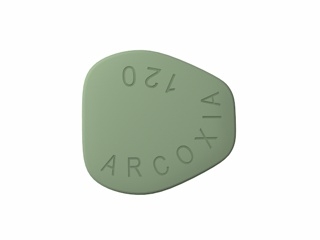
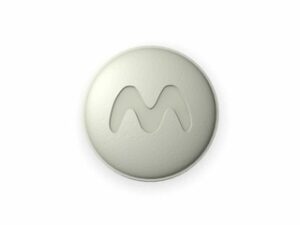

Arcoxia (Etoricoxib) — Patient-Friendly Information (Australia)
Arcoxia is a medicine containing etoricoxib, a type of pain-relieving anti-inflammatory drug used to treat certain painful and inflammatory conditions. This guide explains how it works, how to take it safely, what to expect, and what to discuss with your healthcare professional.
Note: Medicines affect people differently. Always follow the instructions provided for you and read the consumer medicine information (CMI) included with your product.
1) Basic product information
| Brand name | Active ingredient | Drug class | Common form |
|---|---|---|---|
| Arcoxia | Etoricoxib | Selective COX-2 inhibitor (NSAID) | Tablets (strengths vary) |
What it’s used for: Conditions such as osteoarthritis, rheumatoid arthritis, ankylosing spondylitis, acute gout, and other doctor-directed uses for inflammatory pain.
2) Mechanism of action (how Arcoxia works)
Etoricoxib belongs to the non-steroidal anti-inflammatory drug (NSAID) family, but it is a selective COX-2 inhibitor.
- COX enzymes (cyclooxygenase) help the body make prostaglandins—chemical messengers involved in pain, inflammation, and fever.
- Etoricoxib primarily inhibits COX-2, which reduces inflammation and pain.
- Compared with some non-selective NSAIDs, COX-2 selectivity may reduce certain stomach side effects, but it does not eliminate the risk of gastrointestinal problems.
Important: Arcoxia relieves symptoms; it does not cure the underlying condition.
3) Pharmacokinetics (how the body handles etoricoxib)
Pharmacokinetics describes what happens to the medicine after you take it.
- Absorption: Etoricoxib is absorbed from the gastrointestinal tract after oral dosing.
- Time to peak effect (Tmax): The peak concentration in the blood is typically reached within about 1–2 hours after taking a dose (varies by individual).
- Food effects: Food can slightly change the rate of absorption for some NSAIDs; for etoricoxib, overall exposure is generally not dramatically altered, though taking with food may improve comfort for some people.
- Half-life: The drug remains in the body for long enough that many dosing regimens can be once daily depending on the indication and strength.
- Metabolism and elimination: Etoricoxib is metabolised mainly in the liver and eliminated primarily through the kidneys.
Because etoricoxib is processed by the liver and cleared by the body over time, it’s important not to exceed the prescribed dose or duration.
4) Typical uses and indications
Arcoxia is used for the management of pain and inflammation associated with certain rheumatologic and musculoskeletal conditions. Typical indications include:
- Osteoarthritis (OA): joint pain and inflammation associated with wear and tear.
- Rheumatoid arthritis (RA): inflammatory joint disease.
- Ankylosing spondylitis (AS): inflammatory disease affecting the spine and large joints.
- Acute gout: sudden painful flare of gout.
- Other doctor-directed uses for inflammatory or painful conditions where a COX-2 inhibitor is considered appropriate.
When you may feel better: Many people notice symptom relief within the first day; however, the full benefit may take longer, especially for arthritis.
5) How and when to take Arcoxia (timing and dosing basics)
Always use the dosing instructions provided with your medicine. Doses may differ depending on the condition, tablet strength, and your health status (especially liver and kidney function).
Typical timing
- Once daily dosing is common for many indications.
- Try to take it at the same time each day to maintain consistent levels.
- If you miss a dose, take it when remembered unless it’s close to the next dose; do not double.
Dosing guidance (general information)
Typical dosing for etoricoxib varies by indication. The following is general information—your prescribing instructions may differ based on individual factors:
| Condition | Common dose range (mg/day) | General notes |
|---|---|---|
| Osteoarthritis | Often lower-dose once daily | Use the lowest effective dose for the shortest duration that controls symptoms. |
| Rheumatoid arthritis | Often moderate-dose once daily | May be adjusted based on response and tolerability. |
| Ankylosing spondylitis | Often moderate-dose once daily | Follow clinician guidance for duration and monitoring. |
| Acute gout flare | Often a higher dose for a short course | Typically used for a brief period during the flare unless advised otherwise. |
Key safety principle: Use the lowest effective dose and the shortest possible duration, because higher doses and longer use are linked with increased risks (including cardiovascular and gastrointestinal risks).
6) Food interactions (what to know)
Etoricoxib is generally taken as a tablet by mouth. For most people, food does not prevent it from working.
- With or without food: Many people can take Arcoxia either way. If you find it upsets your stomach, taking it with food may be more comfortable.
- Gastric comfort: Although COX-2 selectivity may reduce some stomach irritation, gastrointestinal side effects can still occur.
- Consistency helps: Try to take it consistently the same way each day.
If you have a sensitive stomach or history of ulcers/bleeding, discuss protective strategies with your healthcare professional.
7) Alcohol and medicine interactions
Alcohol
Drinking alcohol while using NSAIDs can increase the likelihood of stomach irritation, ulcers, and bleeding in some people.
- Best practice: Keep alcohol intake low or avoid alcohol during treatment when possible.
- If you drink regularly, ask your healthcare professional whether Arcoxia is suitable and what monitoring is needed.
Other medicine interactions
Arcoxia can interact with a range of medicines. Tell your healthcare professional or pharmacist about all medicines you use, including herbal products and supplements.
- Other NSAIDs (e.g., ibuprofen, naproxen, diclofenac): combining increases GI and kidney risks. Avoid taking more than one NSAID together unless specifically advised.
- Aspirin: low-dose aspirin for heart protection is sometimes used. Discuss timing and necessity with your doctor.
- Blood thinners (e.g., warfarin): NSAIDs can increase bleeding risk—monitoring may be required.
- Antihypertensives (blood pressure medicines): NSAIDs may reduce the effect of some blood pressure treatments and can affect kidney function.
- Diuretics (water tablets): can increase risk of kidney problems when combined with NSAIDs.
- ACE inhibitors/ARBs (e.g., perindopril, losartan): combined use with NSAIDs can strain kidneys (often referred to as “triple whammy” when ACE/ARB + diuretic + NSAID).
- Lithium: can raise lithium levels, increasing risk of toxicity.
- Methotrexate: may increase toxicity depending on dose and schedule.
- Digoxin: may affect blood levels in some cases.
- Cyclosporin/tacrolimus: may increase kidney strain.
- Corticosteroids (e.g., prednisone): may increase gastrointestinal risk when used together.
- SSRIs/SNRIs (some antidepressants): may raise bleeding risk, especially gastrointestinal.
- Antacids: generally don’t stop the medicine from working, but individual products may affect comfort.
If you’re taking multiple medicines, a pharmacist can help check likely interactions before you start or change therapy.
8) Safety profile: who should take extra care?
Like all medicines, Arcoxia can cause side effects. Many are mild, but some may be serious. The risk of serious adverse effects is influenced by dose, duration, and your personal health factors.
Common side effects
- Headache
- Dizziness
- Indigestion or abdominal discomfort
- Nausea
- Fluid retention (swelling, feeling “puffy”)
Serious side effects (seek urgent medical help)
Get urgent help if you experience symptoms suggesting serious reactions, such as:
- Signs of bleeding: vomiting blood, black/tarry stools, blood in stools
- Signs of liver problems: yellowing of skin/eyes (jaundice), dark urine, severe fatigue, upper abdominal pain
- Allergic reactions: swelling of face/lips, wheezing, severe rash
- Cardiovascular warning signs: chest pain, sudden shortness of breath, weakness on one side, sudden vision/speech changes
- Kidney warning signs: significantly reduced urine output, rapid unexplained weight gain, severe swelling
Higher-risk groups
Discuss risks carefully if you have any of the following:
- History of stomach ulcers or gastrointestinal bleeding
- Significant heart disease or risk factors (e.g., previous stroke/heart attack)
- Uncontrolled high blood pressure
- Existing kidney problems or dehydration
- Previous liver disease
- Asthma or history of reactions to aspirin/NSAIDs
- Older age (often increased sensitivity)
Pregnancy and breastfeeding: If you are pregnant, trying to conceive, or breastfeeding, discuss suitability and safe alternatives with your healthcare professional. NSAIDs can be unsuitable at certain stages of pregnancy.
9) Practical use tips (how to get the best results while staying safe)
- Use the lowest effective dose: Avoid taking extra tablets to “catch up.”
- Short-term first: For flare-ups, use only the duration recommended. If symptoms persist, review your plan.
- Avoid combining with other NSAIDs: Don’t take ibuprofen/naproxen/diclofenac alongside Arcoxia unless instructed.
- Consider stomach protection if needed: If you have ulcer risk factors, ask about preventative options.
- Hydrate: Adequate fluid intake helps support kidney function, especially if you’re also taking diuretics.
- Monitor blood pressure: NSAIDs can affect blood pressure in some people.
- Track symptoms: Note pain relief, swelling, and any side effects—this helps your clinician adjust therapy.
- Don’t ignore warning signs: Seek help promptly for bleeding, breathing issues, severe abdominal pain, or jaundice.
10) Alternative options (if Arcoxia isn’t suitable)
Alternative treatments may include medicines and non-drug strategies. The best option depends on your condition, medical history, and risk profile.
Medicine alternatives
- Other NSAIDs (non-selective), such as ibuprofen or naproxen—may be considered, but they carry GI risks that can differ by product and dose.
- Paracetamol (acetaminophen): may help with pain, particularly for milder symptoms, and is generally easier on the stomach (but has its own safety limits for liver).
- Topical treatments: for some joint pain, topical NSAIDs can provide local relief with lower systemic exposure.
- Condition-specific therapies:
- For gout: urate-lowering therapy and flare management may be prescribed.
- For inflammatory arthritis: disease-modifying medicines may be needed alongside symptom control.
Non-medicine approaches
- Exercise and physiotherapy
- Weight management (for osteoarthritis)
- Heat/cold therapy
- Supportive braces, ergonomic adjustments, and activity pacing
Discuss alternatives with your pharmacist or healthcare professional—especially if you have had ulcers, kidney issues, or cardiovascular events.
11) Market and legal context in Australia (overview)
In Australia, medicines are regulated by the Therapeutic Goods Administration (TGA) and supplied under strict standards for quality, safety, and labelling. Product availability and restrictions can differ depending on the medicine schedule and brand.
- TGA-approved product information includes indications, dosing guidance, contraindications, and side effects.
- Supply must comply with Australian pharmacy and advertising requirements.
- Authorised dispensers (such as pharmacies and licensed providers) follow storage, handling, and identity checks.
For current requirements in your situation, consult a local pharmacist or check official resources.
12) Recent guidance and important safety updates (what to keep in mind)
Across the NSAID class, regulators and professional bodies continuously evaluate new evidence. Key ongoing safety themes include:
- Cardiovascular risk: risk increases with higher doses and prolonged use.
- Gastrointestinal risk: ulcers/bleeding can occur even without warning symptoms.
- Kidney risk: dehydration, older age, and certain medicines (diuretics, ACE inhibitors/ARBs) increase risk.
- Lowest effective dose approach: widely recommended to reduce harm.
Because guidance can evolve, it’s wise to re-check product information and consult a healthcare professional, particularly if you are using Arcoxia long term or have risk factors.
13) Delivery and availability in Australia
Arcoxia may be available through licensed pharmacies and approved online pharmacy services in Australia, depending on local rules and stock availability.
- Delivery options: standard and express options may be offered depending on location and the pharmacy provider.
- Packaging: medicines should arrive in secure, original packaging with clear labelling.
- Cold chain: Arcoxia tablets generally do not require refrigeration.
- Availability: stock can vary by strength and formulation; some strengths may have more frequent supply.
If you have urgent needs (for example, an acute flare), contact the pharmacy to confirm dispatch timelines.
14) FAQ (Frequently asked questions)
How quickly does Arcoxia work?
Many people experience symptom relief within the first day. The exact speed and strength of effect varies by condition, dose, and individual response.
Can I take Arcoxia with food?
Yes—Arcoxia can usually be taken with or without food. If it upsets your stomach, taking it with food may help.
Should I avoid ibuprofen or naproxen while taking Arcoxia?
In general, avoid combining Arcoxia with other NSAIDs (like ibuprofen or naproxen) because it can increase the risk of side effects—especially stomach bleeding and kidney problems—unless your healthcare professional has told you otherwise.
Can I drink alcohol while using Arcoxia?
It’s best to keep alcohol to a minimum. Alcohol can increase gastrointestinal bleeding risk and may worsen stomach irritation.
What should I do if I miss a dose?
Take it when you remember unless it’s nearly time for the next dose. Do not take an extra dose to make up for the missed one.
Who should not take Arcoxia or should seek extra advice?
Extra caution is needed if you have a history of ulcers/bleeding, heart disease, stroke, uncontrolled hypertension, kidney disease, liver disease, or asthma triggered by aspirin/NSAIDs. If unsure, speak with a pharmacist or healthcare professional.
Does Arcoxia cause stomach ulcers?
It can. Even though it targets COX-2, gastrointestinal side effects and serious bleeding can still occur, especially at higher doses, with longer use, or when combined with other risk factors.
Can Arcoxia raise blood pressure?
Yes, NSAIDs can worsen or raise blood pressure in some people. Monitoring is recommended if you have high blood pressure or cardiovascular risk.
Is Arcoxia safe for long-term use?
Long-term use requires careful risk–benefit assessment. Using the lowest effective dose for the shortest duration is recommended. Discuss your individual plan and monitoring with your healthcare professional.
What should I watch for during treatment?
Seek urgent medical care if you notice signs of bleeding (black stools, vomiting blood), liver problems (jaundice), serious allergic reactions (swelling or breathing difficulty), chest pain, or major changes in urination/swelling.
15) When to get medical help
Contact a healthcare professional promptly if:
- Symptoms are not improving or are worsening after a few days
- You develop new swelling, shortness of breath, or sudden weight gain
- You experience persistent indigestion, abdominal pain, or vomiting
- You have reduced urine output or feel severely unwell
For emergency symptoms (such as signs of severe bleeding, chest pain, or difficulty breathing), seek emergency care immediately.
Summary: Arcoxia (etoricoxib) is a COX-2 selective NSAID used to treat pain and inflammation from conditions such as osteoarthritis, rheumatoid arthritis, ankylosing spondylitis, and acute gout. For best safety, use the lowest effective dose for the shortest effective duration, avoid combining with other NSAIDs, limit alcohol, and seek help if you experience warning symptoms.