
Keflex (Cephalexin) – Patient Information (Australia)
Keflex is a brand of cephalexin, a widely used antibiotic in the cephalosporin family. It is used to treat certain bacterial infections by stopping the bacteria from growing and multiplying. This guide explains how Keflex works, how it is used, and what to watch for while taking it.
Important: This information is intended to be helpful and patient-friendly. Always follow the advice given by your healthcare professional and the instructions on the product packaging.
1. Basic product information
| Item | Details |
|---|---|
| Medicine | Keflex (cephalexin) |
| Medicine type | Antibiotic (cephalosporin) |
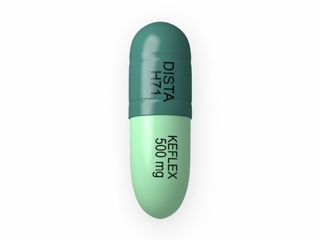
| Common form | Tablets and/or capsules (strengths vary by product availability) |
| Target condition | Bacterial infections susceptible to cephalexin |
| Typical dosing frequency | Often 6-hourly (varies by infection and patient factors) |
| Availability | Prescription medicines in Australia (supply depends on local regulations and pharmacy practice) |
2. How Keflex works (mechanism of action)
Cephalexin works by interfering with how bacteria build their protective cell wall. Bacteria rely on cell-wall strength to survive and reproduce. Keflex blocks key steps in cell-wall synthesis, leading to weakened bacteria that are more likely to die.
- Bactericidal action: it can kill susceptible bacteria (rather than only slowing them down).
- Most effective against susceptible bacteria: Keflex is not effective for all infections—particularly not viral illnesses like colds or flu.
3. Pharmacokinetics (how the body handles cephalexin)
Pharmacokinetics describes what the body does to a medicine (absorption, distribution, metabolism, and elimination). For cephalexin:
- Absorption: Cephalexin is absorbed after oral dosing. Taking it regularly helps maintain effective levels.
- Distribution: It can distribute into body tissues and fluids where infections may occur.
- Metabolism: Cephalexin is not extensively metabolised by the body.
- Elimination: The medicine is mainly cleared through the kidneys via urine.
Kidney function matters: Because cephalexin is largely removed by the kidneys, dose adjustments may be needed in people with reduced kidney function.
4. Typical uses of Keflex
Keflex is used for specific bacterial infections. The exact choice of antibiotic depends on the suspected bacteria, the infection site, local resistance patterns, and patient factors.
Common infection types where cephalexin may be used include:
- Skin and soft tissue infections such as impetigo and cellulitis (when caused by susceptible bacteria)
- Some respiratory tract infections when appropriate (e.g., certain cases of tonsillitis/pharyngitis caused by susceptible bacteria)
- Ear infections in selected cases
- Dental-related infections in selected cases as advised by clinicians
- Urinary tract infections (UTIs) in selected cases where the bacteria are susceptible
Not for viral infections: Keflex does not treat conditions caused by viruses (for example, common cold, influenza, or most sore throats that are viral).
5. Timing and how to take Keflex
For many infections, cephalexin is taken multiple times per day. Consistent timing is important to keep antibiotic levels in the body.
- Follow your dose schedule: Take Keflex exactly as directed by your healthcare professional.
- Space doses evenly: If prescribed 6-hourly, try to take doses at consistent times (e.g., 7am, 1pm, 7pm, midnight).
- Finish the course: Even if you feel better, completing the full course helps prevent recurrence and reduces the chance of resistance.
What to do if you miss a dose
- Take the missed dose as soon as you remember.
- If it is close to the time for the next dose, skip the missed dose and continue your regular schedule.
- Do not double up to make up for a missed dose.
How long does it take to start working?
Many people notice symptom improvement within 24 to 48 hours, depending on the infection. If symptoms worsen or do not improve within a few days (or sooner if severe), contact your healthcare professional.
6. Food interactions (taking Keflex with meals)
Cephalexin can typically be taken with or without food. Food may reduce stomach upset for some people.
- If Keflex upsets your stomach, consider taking it with food.
- Maintain consistent habits so the medicine is taken in a predictable way.
Hydration helps: Drinking adequate fluids supports kidney clearance and general recovery.
7. Alcohol and medicine interactions
Alcohol
There is no universally required strict prohibition on alcohol with cephalexin for everyone. However, alcohol may:
- Increase dehydration
- Worsen stomach upset or dizziness
- Impair immune function and recovery
Patient-friendly approach: If you drink alcohol, keep it light and avoid binge drinking while you are unwell. If you experience nausea, dizziness, or worsening symptoms, avoid alcohol until you recover.
Interactions with other medicines
Cephalexin has fewer major interactions than some other antibiotics, but interactions can occur. Tell your healthcare professional or pharmacist about all medicines you take, including:
- Other antibiotics
- Medicines for gout (e.g., probenecid—may alter excretion)
- Anticoagulants (e.g., warfarin)—may require closer monitoring in some cases
- Diuretics or medicines that affect kidney function
- Any supplements or herbal products
Warfarin and similar anticoagulants: Antibiotics can sometimes affect bleeding risk by changing gut bacteria and vitamin production. Monitoring may be needed.
Allergy history: Be sure to mention any previous allergy to cephalosporins, penicillins, or severe drug reactions.
8. Indications (when Keflex is appropriate)
Keflex is indicated for bacterial infections where cephalexin is likely to be active. Decisions about antibiotic choice depend on:
- The infection type and location
- Whether symptoms suggest bacterial infection
- Local antibiotic resistance patterns
- Patient factors (age, pregnancy status, kidney function, allergies, and previous antibiotic exposure)
- Microbiology results when available (for example, urine culture or skin culture)
If an infection is severe, complicated, or not responding, your healthcare professional may reassess the diagnosis, order tests, or change antibiotics based on culture results.
9. Dosing (general guidance)
Dosing of cephalexin varies by the infection type, severity, age, weight, and kidney function. The dose and frequency you receive may differ from others.
Always follow your prescribed dose: the information below is general education and not a replacement for personalised instructions.
Typical adult dosing (general educational overview)
- Often prescribed multiple times per day (frequently around 6-hourly in many regimens), depending on the infection.
- For some infections, higher or lower dosing may be chosen based on clinical assessment.
Children (general overview)
Children’s dosing is commonly based on weight and the infection type. A paediatric dosing schedule must be calculated carefully by a clinician.
Renal impairment (kidney problems)
- If you have reduced kidney function, a dose adjustment may be needed.
- Do not self-adjust dosing without clinician or pharmacist advice.
Missed doses and dose changes
- If you experience significant side effects, contact your pharmacist or healthcare professional for advice rather than stopping suddenly.
- Do not change dosing without guidance.
10. Safety profile: side effects and what to do
Like all medicines, Keflex can cause side effects. Many people tolerate cephalexin well, but it’s important to know what to expect and when to seek help.
Common side effects
- Diarrhoea (mild stomach upset)
- Nausea or mild vomiting
- Abdominal discomfort
- Headache
- Skin rash (not all rashes are allergy—however, some require urgent attention)
Serious side effects (seek urgent medical help)
Contact emergency services or seek urgent medical advice if you experience:
- Signs of an allergic reaction such as facial swelling, difficulty breathing, wheezing, or severe rash
- Severe or persistent diarrhoea, especially if watery or bloody (this can be a sign of antibiotic-associated colitis)
- Severe blistering or peeling of the skin, or widespread rash with fever
- Yellowing of the eyes or skin (jaundice) or dark urine
Tips to reduce stomach side effects
- Take Keflex with food if it upsets your stomach.
- Stay hydrated.
- If diarrhoea occurs, monitor severity. Mild diarrhoea may improve as your course continues.
11. Practical use tips (make treatment easier)
- Use a reminder system: phone alarms, medication charts, or blister packs can help you stay on schedule.
- Store safely: keep in a cool, dry place away from heat and moisture, and follow label directions.
- Do not share antibiotics: Keflex is for the specific person and infection it was selected for.
- Track symptoms: note improvement, fever changes, and any side effects. This helps your clinician review response.
- Probiotics: some people consider probiotics to help reduce diarrhoea risk. Ask your pharmacist whether this is appropriate for you, particularly if you are immunocompromised or have severe illness.
12. Alternative options for similar infections
Alternatives depend on the infection, suspected organism, allergy history, and local resistance patterns. Clinicians may choose other antibiotics, for example:
- Penicillin-class antibiotics (if appropriate and if no relevant allergy)
- Other cephalosporins with different activity spectra
- Macrolides (for selected bacterial infections or allergy situations)
- Other targeted antibiotics guided by cultures or clinical guidelines
Do not switch antibiotics on your own. If Keflex does not improve symptoms, contact a healthcare professional for reassessment.
13. Market and legal context for Australia
In Australia, antibiotics such as cephalexin are regulated medicines and are typically supplied under the relevant pharmacy and prescribing rules. Availability can vary by strength, formulation, and supply chain.
Antibiotic stewardship is a key public health priority in Australia. This means antibiotics should be used only when there is a likely bacterial cause, and the correct antibiotic should be chosen to minimise resistance.
14. Recent guidance and antibiotic stewardship
Guidance in Australia has increasingly emphasised:
- Appropriate selection of antibiotics based on likely bacteria and local resistance
- Shorter or targeted courses when clinically suitable
- Culture and sensitivity testing for recurrent, severe, or complicated infections
- Avoiding antibiotics for viral illnesses
Your clinician may consider whether an antibiotic is necessary and whether Keflex is the best choice for the specific infection and your health profile.
15. Delivery and availability (online pharmacy considerations)
Online pharmacies in Australia commonly arrange supply of regulated medicines according to local requirements. Delivery timelines can vary by:
- Stock availability
- Your location (metropolitan vs regional areas)
- Courier schedules and cut-off times
To help ensure timely delivery:
- Check whether your selected product is currently in stock.
- Confirm address details and contact number.
- Review any required documentation or verification steps as indicated at checkout.
If a product is temporarily unavailable, pharmacies may offer alternatives such as equivalent strengths or different formulations, subject to clinical appropriateness.
16. Keflex FAQ
Can I take Keflex if I’m allergic to penicillin?
Some people who are allergic to penicillins may also react to cephalosporins. Tell your pharmacist or healthcare professional about any past allergies or severe reactions. They can advise on safety based on your history.
What if I feel worse after starting Keflex?
Some infections can feel temporarily worse before improving, but persistent or rapidly worsening symptoms should be assessed. Seek medical advice if you are not improving within 48 hours, or sooner if symptoms are severe.
Is Keflex effective for all sore throats or coughs?
No. Many sore throats and coughs are viral and do not respond to antibiotics. Keflex is effective only against susceptible bacteria.
How should I store Keflex?
Store according to the label instructions. Generally, keep medicines in a cool, dry place and away from direct sunlight. Keep out of reach of children.
Can I drive or operate machinery?
Most people can drive while taking cephalexin. However, if you feel unwell, dizzy, or have side effects such as headache, avoid driving until you feel safe.
Will Keflex interact with contraceptive pills?
Most antibiotics do not reduce the effectiveness of hormonal contraceptives. However, if you experience vomiting or severe diarrhoea, contraceptive absorption may be affected. If this happens, follow contraceptive advice and speak with a pharmacist.
What should I do about diarrhoea while on Keflex?
Mild diarrhoea can occur. Contact a healthcare professional urgently if diarrhoea is severe, watery, persists, or contains blood, or if you develop fever or significant abdominal pain.
Can I take probiotics with Keflex?
Some people find probiotics helpful. Ask your pharmacist to choose an appropriate product and to ensure it fits your situation, especially if you are immunocompromised or have severe illness.
How do I know if my infection is bacterial?
Only a clinician can assess this reliably. Bacterial infections often show persistent symptoms, fever, or specific local signs (such as pus, swelling, or pain patterns). If you are unsure, seek medical advice.
Summary
Keflex (cephalexin) is an oral antibiotic used for certain bacterial infections. It works by disrupting bacterial cell-wall formation. Taking it at regular intervals and completing the full course are key to effective treatment. Like all medicines, it can cause side effects—most commonly gastrointestinal upset—and rare serious reactions can occur, including allergy or severe diarrhoea. If you experience concerning symptoms or no improvement, seek medical advice promptly.