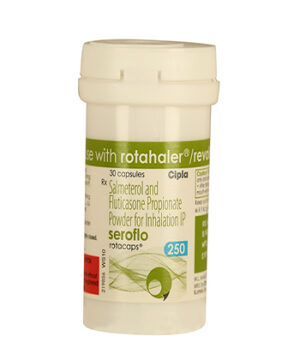
Fluticasone + Salmeterol (Fluticasone + Salmeterol) — Patient Information for Australia
Fluticasone + Salmeterol is a combination inhaler medicine used to help control ongoing airway inflammation and long-term breathing symptoms in people with asthma and certain types of chronic obstructive airway disease. It contains two medicines working together:
- Fluticasone: a corticosteroid that reduces inflammation in the airways
- Salmeterol: a long-acting bronchodilator that helps keep airways open over time
This page provides a comprehensive, patient-friendly overview of how the medicine works, when and how it’s used, common safety considerations, and practical tips for best results. Information is general and may vary by the specific device strength you have been supplied.
Quick Facts
- Medicine name: Fluticasone + Salmeterol
- Common purpose: Long-term control of asthma; maintenance treatment in certain patients with chronic obstructive pulmonary disease (COPD)
- How it works: Reduces inflammation (fluticasone) and relaxes airway muscles for sustained bronchodilation (salmeterol)
- Typical use: Daily maintenance, with regular dosing at set times
- Key note: It is not a rescue medicine for sudden breathlessness
Basic Product Information
Fluticasone + Salmeterol combination inhalers are supplied in different strengths and inhaler devices (for example, metered-dose inhalers and dry powder inhalers). The exact dose depends on the product strength and the condition being treated.
What to look for on your pack: the labeled strength (micrograms per dose) and the number of doses per device.
Common related brand examples (Australia): Flixotide plus Serevent combinations exist historically as separate products; combination inhalers may be marketed under different brand names depending on availability and device type.
How It Works (Mechanism of Action)
Fluticasone (inhaled corticosteroid)
- Targets the inflammatory process that contributes to airway narrowing, mucus production, and symptom flares.
- Helps reduce airway swelling and sensitivity, leading to fewer symptoms and fewer exacerbations over time.
- Works gradually; benefits build with regular use.
Salmeterol (long-acting beta2-agonist, LABA)
- Relaxes smooth muscle around the airways to improve airflow.
- Provides bronchodilation that lasts about 12 hours (hence the typical twice-daily schedule).
- Helps relieve symptoms such as wheeze, tightness, and shortness of breath—when used for maintenance control.
Why the combination matters: The steroid component addresses inflammation (a root cause), while the LABA component supports symptom control by keeping airways open for longer periods.
Pharmacokinetics (Absorption, Distribution, Metabolism, Excretion)
Because this is an inhaled medicine, most of the active medicine is delivered locally to the lungs, but a portion may still be absorbed into the bloodstream.
- Absorption: Inhaled fluticasone and salmeterol primarily act in the airways. Systemic absorption can occur, especially if technique is suboptimal or if more medication reaches the throat than the lungs.
- Distribution: Both components can be distributed through the bloodstream; systemic effects are generally limited at typical inhaled doses.
- Metabolism: Fluticasone and salmeterol are metabolised mainly by the liver enzymes (notably CYP3A4).
- Elimination: Metabolites are cleared via the liver and then excreted in bile and/or urine.
Clinical implication: Medicines that strongly affect metabolism (for example, certain antifungals or some antibiotics) can increase levels and risk side effects. This is discussed further below.
Typical Use in Australia
Fluticasone + salmeterol is used as a controller (maintenance) medicine to reduce symptoms and improve long-term lung function.
Common indications:
- Asthma maintenance in patients who need more than an inhaled steroid alone for good control
- COPD maintenance in selected patients (especially those with symptoms and a history of exacerbations), depending on local clinical assessment and treatment plans
Key distinction: This combination inhaler is not intended to treat sudden attacks. People usually also have a separate fast-acting reliever (such as a short-acting bronchodilator) for breakthrough symptoms.
Indications (When It May Be Used)
In clinical practice in Australia, combination therapy may be considered when:
- Asthma remains inadequately controlled on inhaled corticosteroid therapy alone
- Asthma requires step-up therapy for better symptom control and fewer flare-ups
- COPD requires maintenance bronchodilation plus inhaled steroid for appropriate patient groups (determined by specialist or GP assessment)
Always follow the treatment plan provided by your healthcare professional for the correct diagnosis-specific regimen.
Timing: When to Take It
Fluticasone + salmeterol is typically prescribed as regular dosing at consistent times—commonly twice daily, about 12 hours apart.
Example schedules:
- Morning and evening (e.g., 7:00 am and 7:00 pm)
- After waking and before bed, provided there are about 12 hours between doses
If you miss a dose:
- Take it as soon as you remember if it is close to your usual time.
- If it’s almost time for the next dose, skip the missed dose.
- Do not double up to make up for a missed dose.
Dosing (General Guidance)
The correct dose depends on your specific inhaler strength, device type, and your condition. Follow the dose on your label or the plan your clinician has arranged.
Common dosing pattern:
- Adults: typically 1 inhalation twice daily, with dose strength adjusted by severity and response
- Children/adolescents: specific strengths and dosing vary by age and product; dosing must be consistent with the product instructions and clinician guidance
Important: Do not change the number of puffs or strength without medical advice.
Food Interactions
Inhaled medicines like fluticasone + salmeterol are generally not significantly affected by food because they are delivered directly to the lungs. Therefore:
- You can usually take your dose with or without food.
- Eating is unlikely to cause clinically significant changes in effectiveness.
Practical note: If your inhaler makes you cough or irritates your throat, some people find it helpful to use their inhaler at a consistent time relative to meals, but this is individual.
Alcohol and Medicine Interactions
Alcohol
Alcohol does not typically have a direct interaction with inhaled fluticasone + salmeterol. However:
- Alcohol may worsen breathing symptoms in some people, especially during exacerbations or in people with COPD.
- Alcohol may increase dizziness or tiredness if you experience side effects such as tremor or palpitations.
Guidance: Moderate alcohol consumption is generally acceptable, but if you notice symptom worsening, consider reducing intake and discuss with your healthcare professional.
Medicine Interactions
Fluticasone and salmeterol are processed in the body by liver enzymes (notably CYP3A4). Interactions may increase or decrease medicine levels.
Medicines to be cautious with include:
- Strong CYP3A4 inhibitors (examples include some antifungals and certain antibiotics/antivirals). These may increase fluticasone levels and increase the risk of steroid-related side effects.
- Other beta2-agonists (including some cough/asthma combination medicines) may increase effects such as fast heartbeat or tremor if overused.
- Non-selective beta blockers (used for some heart conditions) may reduce bronchodilator effects or worsen breathing.
- Diuretics (“water tablets”) and certain other medicines can affect potassium levels; in rare cases, low potassium may contribute to rhythm issues, especially if beta2-agonists are used.
Tell your healthcare professional or pharmacist about all medicines and supplements you take, including:
- Prescribed medicines
- Pharmacy medicines and “over-the-counter” products
- Herbal supplements
- Recent courses of antibiotics or antifungals
Practical Use Tips (How to Get the Best Results)
Correct inhaler technique is one of the biggest factors influencing how well fluticasone + salmeterol works. Poor technique can reduce lung delivery and increase side effects in the throat.
General inhaler technique tips
- Use it consistently: take your dose at the scheduled times.
- Coordinate breathing (device-specific): some devices require a slow, deep inhalation; others require breath-holding afterwards.
- Check dose counters: ensure you know when the device is running low.
- Keep your inhaler clean: follow device cleaning instructions in the product leaflet.
Rinse and gargle (to reduce throat problems)
- After using the inhaler, rinse your mouth and gargle (spit out the water).
- This can help reduce the risk of oral thrush and hoarseness from the steroid component.
When to contact a clinician urgently (practical alerts)
- If you need your reliever medicine more often than usual
- If symptoms are not improving despite correct use
- If you are getting recurrent infections, persistent fever, or worsening breathlessness
Safety Profile: Common and Serious Side Effects
Most people tolerate fluticasone + salmeterol well. Side effects vary based on dose, technique, and individual health factors.
Common side effects
- Hoarseness or voice changes
- Throat irritation
- Oral thrush (candidiasis) — more likely if you don’t rinse after use
- Tremor or mild shakiness (from salmeterol)
- Headache
- Palpitations (feeling of fast or strong heartbeat)
Less common but important risks
- Reduced blood potassium (rare; more likely if you also use certain diuretics or have risk factors)
- High blood sugar or worsening glucose control in some people
- Growth suppression in children with long-term inhaled corticosteroids (monitoring is recommended)
- Bone effects with higher cumulative steroid doses over long periods (risk is reduced with inhaled use compared with tablets, but monitoring may be needed)
Serious side effects — seek urgent medical help
Contact urgent medical services or seek immediate care if you experience:
- Severe allergic reaction (swelling of face/lips, severe rash, difficulty breathing)
- Severe breathing difficulty or symptoms that rapidly worsen
- Chest pain or fainting
- Very fast or irregular heartbeat with dizziness or weakness
- Signs of adrenal suppression (more relevant with long-term high-dose steroid exposure)
Important note: If your breathing suddenly worsens after using this medicine, use your reliever as directed and get medical advice promptly.
Timing Expectations: How Quickly Does It Work?
- Salmeterol can help symptoms more quickly, but it remains a maintenance component rather than a “rescue” treatment.
- Fluticasone typically provides benefits over days to weeks as inflammation decreases.
If you’re not noticing improvement after an appropriate trial period, review inhaler technique and adherence with your healthcare professional before adjusting dose.
Delivery and Availability in Australia
Fluticasone + salmeterol combination inhalers are generally supplied through pharmacies and may be available via online pharmacy services subject to Australian regulations and stock availability.
- In-stock status: varies by device type and strength
- Shipping: delivery time depends on your location (metro vs regional), order cutoff times, and courier options
- Packaging: shipped in original manufacturer packaging where possible
Tip for customers: confirm the exact strength and inhaler device type (e.g., puffs per day and dose strength) before placing an order.
Market and Legal Context for Australia
Medicines in Australia are supplied under a regulatory framework overseen by the Therapeutic Goods Administration (TGA). Availability and supply conditions depend on product classification and your health profile.
Key points:
- Asthma and COPD medicines are widely used across Australia, and many inhalers are listed on the Pharmaceutical Benefits Scheme (PBS) depending on eligibility and product-specific arrangements.
- Supply requirements and whether a health assessment or prescription is required can vary by product and user circumstances.
- Pharmacists support safe use by checking for interactions and counselling on inhaler technique.
For the most accurate status of a specific brand and strength, ask your pharmacist or check the product listing details provided at checkout.
Recent Guidance and Practice Considerations
In Australia, asthma and COPD management continues to emphasise the importance of:
- Using controller therapy consistently to reduce exacerbations
- Correct inhaler technique (device-specific training and re-checks)
- Using a separate reliever for acute symptoms
- Regular review of symptoms, inhaler technique, and medicine effectiveness
Clinical recommendations also highlight that long-acting bronchodilators should generally be used with appropriate anti-inflammatory therapy in asthma (the combination provides this anti-inflammatory component).
Alternative Options
If fluticasone + salmeterol is not suitable or not achieving goals, healthcare professionals may consider alternatives. Options can include:
- Inhaled corticosteroid (ICS) alone (for some people with asthma)
- Different ICS/LABA combinations using other long-acting bronchodilators (device and dosing may differ)
- Triple therapy (ICS + LABA + an additional long-acting bronchodilator) in selected COPD or asthma patients
- Non-pharmacological support such as smoking cessation (for COPD), vaccination advice, and trigger management
Alternative choices depend on your diagnosis, symptom pattern, exacerbation history, age, and inhaler technique.
FAQ (Frequently Asked Questions)
1) Is fluticasone + salmeterol a reliever inhaler?
No. It is a maintenance/controller inhaler used regularly to help control symptoms and reduce exacerbations. You should also have a separate fast-acting reliever for sudden symptoms as directed by your clinician.
2) How long will it take to start working?
Salmeterol may help symptoms earlier, but the anti-inflammatory benefits from fluticasone usually build over days to weeks. If you’re not improving, check technique and adherence and discuss with a pharmacist or clinician.
3) Should I rinse my mouth after using it?
Yes. Rinse and gargle (spit out the water) after each dose to help reduce the risk of thrush and hoarseness.
4) Can I take it with food?
Generally, yes. Food does not usually significantly affect inhaled fluticasone + salmeterol.
5) What happens if I miss a dose?
Take it when you remember if it’s close to your normal time. If it’s almost time for the next dose, skip the missed dose. Do not double up.
6) Are there interactions with antibiotics or antifungals?
Certain medicines, especially those that strongly inhibit CYP3A4, can increase corticosteroid levels and raise side-effect risk. Tell your pharmacist about all medicines you take, including recent courses of antibiotics or antifungals.
7) Can I drink alcohol while using this medicine?
There is no typical direct interaction, but alcohol can worsen breathing in some people. If you notice increased breathlessness or side effects, reduce intake and seek advice.
8) What inhaler technique mistakes should I avoid?
Common issues include not breathing in deeply/slowly as required by your device, poor coordination with actuation (for metered-dose inhalers), or not holding your breath as advised. If in doubt, ask your pharmacist to observe your technique.
9) What side effects mean I should stop and get help?
Seek urgent medical help for severe allergy symptoms, sudden severe breathing worsening, chest pain, fainting, or very fast/irregular heartbeat with dizziness. For persistent hoarseness or suspected thrush, contact your healthcare professional promptly.
10) Is it safe for children?
Children can be prescribed appropriate inhaled corticosteroid/LABA combinations depending on age and severity. Use must match the specific product instructions and dosing regimen. Growth monitoring may be recommended for long-term steroid use.
Summary
Fluticasone + salmeterol combines an inhaled corticosteroid (fluticasone) with a long-acting bronchodilator (salmeterol). Together, they help control asthma symptoms and support long-term management by reducing inflammation and keeping airways open. For best results, take it at regular times, use correct inhaler technique, and rinse your mouth after each dose. Keep your reliever inhaler available for sudden symptoms, and discuss any concerns about side effects, interactions, or changes in your breathing pattern with a pharmacist or clinician.
Note: This information is general and educational. Always refer to your product label and the medicine information leaflet provided with your specific inhaler for device instructions and precise dosing details.
| Category | Details |
|---|---|
| Medicine type | Inhaled controller (ICS + LABA) |
| Main actions | Reduces airway inflammation (fluticasone) + provides long-lasting bronchodilation (salmeterol) |
| Typical schedule | Often twice daily, about 12 hours apart |
| Best use | Regular daily maintenance for asthma/COPD (depending on indication) |
| Not for | Sudden breathlessness (use reliever medication as directed) |
| Key safety tip | Rinse/gargle after each dose to reduce oral thrush risk |