Tiova Rotacap (Tiotropium Bromide) – Patient Information (Australia)
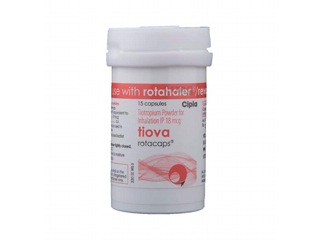
Tiova Rotacap is an inhaled medicine containing tiotropium bromide. It belongs to a group of medicines called antimuscarinics (also known as bronchodilators that relax airway muscles). It is used to help improve breathing by opening the airways and reducing symptoms such as shortness of breath.
This information is designed to be patient-friendly and helpful for everyday use. It does not replace advice from your healthcare professional.
Basic product information
- Medicine name: Tiova Rotacap
- Active ingredient: Tiotropium bromide
- Medicine type: Inhaled, long-acting antimuscarinic (LAMA) bronchodilator
- Common conditions treated: COPD (chronic obstructive pulmonary disease); also used for some asthma patients in certain guidelines
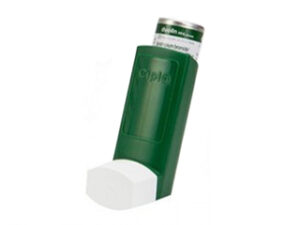
- How it is taken: Through the Rotacap inhalation device (capsules pierced and inhaled as a fine mist)
In Australia, brands and availability can vary by pharmacy and stock. Always check the pack label and leaflet for the exact strength and instructions supplied with your product.
How Tiova Rotacap works (mechanism of action)
Tiotropium is a long-acting muscarinic antagonist. In the airways, certain nerves release acetylcholine, which binds to muscarinic receptors and can cause:
- Airway narrowing (bronchoconstriction)
- Increased mucus and mucus-related blockage
- Reduced ability to breathe comfortably
Tiotropium blocks muscarinic receptors (particularly the M3 receptor in the lungs). This leads to: relaxation of airway smooth muscle and improved airflow. The effect is long-lasting, which helps maintain symptom control over the day and night.
When and why it is used (typical use & indications)
Tiova Rotacap is used to improve breathing and reduce symptoms for people with airway disease. Common uses include:
1) Chronic Obstructive Pulmonary Disease (COPD)
- Helps relieve symptoms such as shortness of breath and reduced exercise tolerance
- Supports ongoing maintenance therapy (not a “quick relief” rescue inhaler)
- May help reduce exacerbations (worsening episodes) when used appropriately as part of a treatment plan
2) Asthma (in selected situations)
- Some asthma management plans include a LAMA such as tiotropium when symptoms remain controlled poorly with standard therapy.
- Use depends on your personal asthma severity, symptoms, and response to other inhaled treatments.
Your healthcare professional will determine whether Tiova Rotacap is right for you based on diagnosis, symptom pattern, and current inhaler regimen.
How quickly does it work? (timing expectations)
Tiotropium begins acting soon after inhalation, but it is designed for maintenance rather than instant relief. Many people notice improvement within the first day, while full benefit may be clearer after consistent use over several days.
- Typical onset: within hours after inhalation
- Duration of effect: long-lasting (often up to 24 hours)
- Best practice: use regularly as directed, even if you feel well
Important: Tiova Rotacap is not intended for immediate relief of sudden breathlessness. If you experience sudden worsening, follow your action plan for your reliever medicine.
How to take Tiova Rotacap (practical use tips)
Tiova Rotacap is taken using a specific inhalation device (Rotacap system). Correct technique improves medicine delivery to the lungs. Always follow the exact steps provided with your device and pack.
General inhalation steps (typical for Rotacap devices)
- Prepare: Open the capsule blister immediately before use.
- Insert capsule: Place the capsule in the designated chamber of the Rotacap device.
- Close and pierce: Close the device and pierce the capsule as instructed.
- Inhale correctly: Breathe out gently away from the mouthpiece, then seal your lips around the mouthpiece and inhale steadily and deeply.
- Check residue: If powder remains in the capsule, you may need to repeat inhalation gently (only if your device instructions allow this).
- Dispose: Remove the empty capsule and dispose safely.
Tips to avoid common issues
- Do not swallow capsules: The capsule contents are for inhalation only.
- Use consistent timing: Many people find it easiest to take at the same time each day.
- Keep your device clean: Follow cleaning instructions to avoid blockages.
- Rinse mouth if advised: Although tiotropium is often well-tolerated, it can be helpful to rinse and spit after inhaled medicines if your clinician has advised this.
If you are unsure about technique, ask your pharmacist or nurse to observe your inhaler use.
Dosing (typical adult dosing)
Dosing can vary depending on the condition, patient factors, and the exact strength available. Always follow the dose instructions on your pack or as advised by your healthcare professional.
Common dosing patterns (adults):
- COPD maintenance: commonly one inhalation once daily
- Asthma in selected patients: may also be once daily depending on local guidance and product instructions
Do not increase the dose to treat sudden symptoms. If symptoms worsen, seek medical advice and follow your personalised asthma/COPD action plan.
Food and drink interactions
Tiotropium is inhaled and largely acts locally in the lungs. This reduces the likelihood of clinically important interactions with food. In general, food does not significantly affect tiotropium inhalation.
- Can I take it with meals? Yes. Food is unlikely to change the medicine’s effect.
- Do I need to avoid drinks? No specific avoidance is usually required.
If you have swallowing difficulties or reflux symptoms, your pharmacist can help you choose a timing approach that suits your routine.
Alcohol and medicine interactions
Alcohol
There is no widely established direct interaction between tiotropium and alcohol. However, alcohol can worsen breathing for some people and may increase the risk of dehydration or poor sleep, which can indirectly affect COPD or asthma symptoms.
- If you drink alcohol, do so in moderation and monitor how your breathing responds.
- Seek advice if you notice increased breathlessness after alcohol.
Medicines that may interact
Tiotropium can have additive effects with other medicines that have antimuscarinic activity. This may include certain inhalers or medicines for overactive bladder.
- Other antimuscarinic medicines: Using multiple antimuscarinic therapies may increase the chance of side effects such as dry mouth or constipation.
- Other inhaled therapies: Tiotropium is often used alongside inhaled corticosteroids and/or long-acting beta-agonists, depending on your plan.
- Anticholinergic side effects: If you also take medicines that cause “anticholinergic” symptoms, tell your pharmacist so they can check the overall risk.
Provide your pharmacist with a full list of your medicines (including over-the-counter products and herbal supplements). This helps identify potential risks and confirms appropriate combinations.
Pharmacokinetics (how the body handles the medicine)
Pharmacokinetics describes what the body does with a medicine—absorption, distribution, metabolism, and elimination. For inhaled tiotropium, many of these processes are influenced by the route of administration and lung delivery.
- Absorption: Tiotropium delivered to the lungs is absorbed into the bloodstream at a rate that supports once-daily dosing. Lung delivery is designed to maximise local action.
- Distribution: Tiotropium distributes into tissues, with a particular focus on its effects in the airways.
- Metabolism: Tiotropium is not extensively metabolised in the body.
- Elimination: The drug is largely cleared from the body via the kidneys (renal elimination).
- Half-life: Tiotropium has a long terminal elimination phase, consistent with its long-acting effects.
In people with reduced kidney function, drug clearance may be slower. This is one reason clinicians pay attention to kidney health when planning treatment. Follow your clinician’s guidance if you have kidney impairment.
Safety profile and side effects
Most people tolerate tiotropium well. As with all medicines, side effects can occur. The likelihood and severity can vary between individuals.
Common side effects
- Dry mouth (a common antimuscarinic effect)
- Sore throat or mild throat irritation
- Cough or voice changes
- Constipation or mild bowel changes (less common but possible)
Less common but important side effects
- Urinary retention symptoms (trouble passing urine)
- Eye symptoms such as eye pain, halos around lights, or sudden blurred vision (rare but urgent if glaucoma risk exists)
- Allergic reactions including rash, swelling, or breathing difficulty
When to seek urgent help
Get urgent medical attention if you experience:
- Severe allergic reaction (swelling of face/lips, wheeze, severe trouble breathing)
- Sudden eye pain with blurred vision or seeing halos
- Sudden marked worsening of breathing not relieved by your reliever
- Signs of severe dehydration or inability to pass urine
Safety considerations for specific groups
- Kidney disease: may increase exposure. Dose choices and monitoring are important.
- Enlarged prostate or urinary problems: antimuscarinic effects may worsen symptoms.
- People prone to glaucoma: ensure correct inhaler technique to reduce risk of medicine contacting the eyes.
- Pregnancy/breastfeeding: discuss risks and benefits with your healthcare professional.
Warnings and precautions
- Use only by inhalation: Do not swallow the capsule.
- Do not use for sudden attacks: Tiotropium is a controller medicine; it is not a rescue inhaler.
- Eye exposure: Inhaled anticholinergics may rarely cause eye symptoms if aerosol lands in the eye. Avoid this by using correct technique and keeping your inhalation directed appropriately.
- Observe for worsening symptoms: If you need your reliever more often, your condition may be unstable—seek review.
Alternatives to Tiova Rotacap
There are several options available depending on your diagnosis (COPD or asthma), severity, and current therapy. Alternatives may include other long-acting bronchodilators or inhaled combinations.
Possible alternative medicine types
- Other LAMAs (long-acting muscarinic antagonists), such as other tiotropium brands or similar molecules
- Long-acting beta-agonists (LABAs) (relax airway muscles through a different mechanism)
- Combination inhalers (e.g., LAMA/LABA or LABA/inhaled corticosteroid depending on diagnosis)
- Inhaled corticosteroids for inflammation control (especially in asthma or selected COPD patients)
- Short-acting relievers (e.g., SABA) for sudden symptom relief as part of an action plan
Your healthcare professional can help choose an alternative if you experience side effects, prefer a different device type, or if symptoms are not adequately controlled.
Pharmacy guidance: practical considerations
- Check your device: Rotacap inhalers require correct assembly and piercing technique.
- Storage: Store capsules as directed on the packaging (typically at room temperature and in a dry place).
- Routinely review: Over time, breathing patterns change. Annual or periodic medication reviews can ensure the regimen still fits.
- Technique matters: Even the right medicine may work poorly with incorrect inhalation technique.
Australia: market and legal context (what to expect)
In Australia, medicines including inhaled bronchodilators are regulated through the Australian health and medicines framework. Availability and brand listings can be influenced by supply, clinical guidelines, and Pharmaceutical Benefits Scheme (PBS) listing status at the time.
- Brand availability: May change across time due to manufacturing or distribution updates.
- Supply stability: Inhalers and capsules can experience shortages at times; your pharmacy can advise on the current situation.
- Clinical oversight: Your healthcare professional helps determine dose, device type, and suitable combinations with other medicines.
Note: PBS and guideline recommendations can be updated. Your pharmacist can confirm the most current information for your situation.
Recent guidance and clinical updates (general overview)
Clinical recommendations for COPD and asthma treatment are periodically updated to reflect new evidence and safety information. In current practice, tiotropium remains an established option for COPD maintenance and is used in some asthma management strategies where appropriate.
- COPD: Emphasis is often placed on long-acting bronchodilator therapy for symptom control and exacerbation prevention.
- Asthma: Add-on bronchodilator therapy may be considered for patients not well controlled on standard controller therapy.
- Safety: Ongoing attention is given to inhaler technique, monitoring for antimuscarinic side effects, and ensuring patients have both controller and reliever medicines as needed.
If you are unsure whether your treatment still matches the latest guidance, ask your pharmacist or doctor for a review.
Delivery and availability (online pharmacy Australia)
Tiova Rotacap may be available through participating online pharmacies depending on stock and product listing. Availability can vary based on:
- Strength and pack size
- Rotacap device compatibility
- Current supply conditions
Delivery expectations:
- Orders are typically packed and dispatched within business days, subject to stock confirmation.
- Delivery times vary by location and courier service; your order confirmation will provide estimates.
- Some pharmacies may require identity verification or prescription-related documentation depending on product classification (this varies by medicine category and the pharmacy’s requirements).
If Tiova Rotacap is temporarily unavailable, your pharmacist may discuss alternatives that match your treatment plan and device suitability.
FAQ
1) Is Tiova Rotacap a reliever or a controller?
Tiova Rotacap is a controller (maintenance) medicine. It helps manage breathing symptoms over time. It is not designed for immediate relief of sudden breathlessness.
2) How often should I use it?
Many adults use tiotropium once daily. Your exact schedule should match the dose instructions provided with your product and your treatment plan.
3) What should I do if I miss a dose?
If you miss a dose, take it when you remember unless it is close to the next dose. If it is nearly time for the next dose, skip the missed one. Do not take a double dose. If you are unsure, ask your pharmacist for advice.
4) Can I use Tiova Rotacap with other inhalers?
Often yes—many people use tiotropium alongside other inhalers as part of a combined COPD/asthma plan. Tell your pharmacist about all inhalers you use so they can help check compatibility and timing.
5) Will food affect it?
Food is not expected to have a clinically significant effect on inhaled tiotropium. You can usually take it at a convenient time with meals if needed.
6) Why is inhaler technique so important?
Tiotropium works best when the powder is inhaled into the lungs effectively. Incorrect technique can reduce the amount of medicine reaching the airways, making it feel like the medicine is “not working.”
7) What side effects should I watch for?
Common effects include dry mouth and mild throat irritation. Seek urgent help for serious symptoms such as severe allergy, sudden eye pain with vision changes, or rapidly worsening breathing.
8) Can I drive or operate machinery?
Tiotropium itself is not usually associated with significant impairment of alertness. If you feel unwell or dizzy due to your breathing condition, follow common safety advice—seek medical guidance if symptoms persist.
9) Does it affect kidney function?
Tiotropium is mainly cleared by the kidneys. If you have kidney impairment, your clinician may consider this when prescribing and may monitor you more closely.
10) What if I use the capsule incorrectly?
Tiova Rotacap capsules must be inhaled using the correct Rotacap device. Swallowing the capsule is not the intended route and may increase side effects without providing the lung benefits. If you believe you have used it incorrectly, contact your pharmacist for advice.
Summary
Tiova Rotacap (tiotropium bromide) is an inhaled long-acting antimuscarinic medicine used to improve breathing in COPD and, in selected cases, asthma. It works by relaxing airway muscles and reducing airway narrowing. It is typically used once daily for ongoing symptom control. Correct inhaler technique and adherence to your treatment plan are key to getting the most benefit.
If you have questions about how to use your Rotacap device, drug combinations, or what to do if symptoms worsen, ask your pharmacist or healthcare professional.