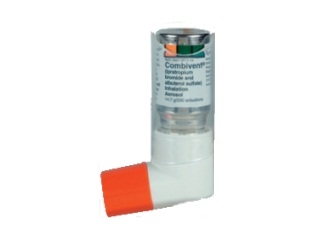
Combivent® (Levosalbutamol / Ipratropium bromide) – Reliever & Controller-style Rescue Inhaler for Breathing Difficulties
Combivent is a combination inhaler medicine containing levosalbutamol and ipratropium bromide. It is used to help relieve breathing problems such as wheeze, shortness of breath, and tightness in the chest in people with obstructive airways conditions.
This page is designed to be patient-friendly and informative. It explains how Combivent works, how it’s typically used, practical tips for inhaler technique, safety considerations, and common questions. Always follow the instructions provided with your medicine and seek professional advice for your specific situation.
Key product information
| Category | Details |
|---|---|
| Medicine name | Combivent® (Levosalbutamol / Ipratropium bromide) |
| Common form | Inhalation aerosol (delivered to the lungs) |
| Active ingredients | Levosalbutamol + Ipratropium bromide |
| How it helps | Relaxes airway muscles and reduces bronchoconstriction; also helps reduce secretions and improve airflow |
| Typical timing | Often used as-needed for symptom relief, with a schedule depending on your treatment plan |
| Conditions commonly treated | COPD and related obstructive airway symptoms; sometimes used when short-acting relief is needed |
How Combivent works (mechanism of action)
Combivent combines two medicines with different—complementary—actions:
- Levosalbutamol is a short-acting beta-2 (β2) agonist. It stimulates β2 receptors in the airway smooth muscle, causing the muscle to relax. This helps open the airways and reduce wheeze and breathlessness.
- Ipratropium bromide is an antimuscarinic (anticholinergic) medicine. It blocks muscarinic receptors, reducing bronchoconstriction and helping to improve airflow. It may also reduce mucus-related symptoms by decreasing secretions.
Together, these medicines aim to provide more effective relief than using either medicine alone in many patients, especially during episodes of airflow limitation.
Pharmacokinetics (how the body handles it)
Because Combivent is inhaled, most of the medicine’s effect is local in the lungs. The medicine is then absorbed to varying degrees into the bloodstream and processed by the body.
Absorption and distribution
- Inhalation: The majority of the therapeutic effect comes from drug reaching the airways.
- Systemic absorption: A smaller amount enters the bloodstream through the lungs and gastrointestinal tract.
Metabolism and excretion (general overview)
- Levosalbutamol: is metabolised mainly in the body, and metabolites are eliminated primarily by the kidneys.
- Ipratropium bromide: is absorbed systemically to a lesser extent and is cleared through metabolic processes and excretion (commonly including renal pathways).
Your exact experience can vary depending on inhaler technique, lung condition, and how often you use the medicine.
What Combivent is used for (indications)
Combivent is commonly used for obstructive airway disease—most notably chronic obstructive pulmonary disease (COPD)—to help relieve symptoms such as:
- wheeze
- shortness of breath
- chest tightness
- breathing difficulties during periods of increased symptoms
It may be recommended when symptoms are not adequately controlled with a single bronchodilator, or when a combination approach provides better relief. Your clinician will confirm the best regimen for your diagnosis and severity.
Typical dosing and timing
Dosing can vary based on your condition, age, and treatment plan. Follow the instructions provided with your Combivent inhaler and the advice from your healthcare professional.
General dosing approach (patient-friendly overview)
- Combivent is usually taken as prescribed to relieve symptoms.
- If you are using it for worsening breathlessness, you may be advised to take doses at the onset of symptoms or during flare-ups.
- Do not increase the frequency beyond your plan without medical advice.
If you miss a dose, take it when you remember only if it fits your prescribed schedule. If you’re unsure, check your action plan or ask your pharmacist.
How soon it may work
Many people notice improvement within minutes after inhaling a dose, with effects lasting for several hours (varies by patient and severity). If your symptoms are not improving as expected, seek advice—especially if you feel your breathing is worsening rapidly.
Food interactions
Because Combivent is inhaled, food interactions are generally unlikely. However, practical considerations still matter:
- Avoid eating too close to use if you find inhaling triggers coughing or gagging after meals.
- Stay hydrated, as some people with obstructive airway conditions experience thick mucus.
- If you have reflux or aspiration risk, discuss strategies with your healthcare professional; reflux can worsen breathing symptoms.
In general, you can take Combivent regardless of meals unless your clinician has told you otherwise.
Alcohol and medicine interactions
Alcohol
There is no specific direct “alcohol interaction” unique to Combivent for all patients, but alcohol can affect breathing and hydration. For some people, alcohol may worsen symptoms by:
- reducing airway reflexes
- triggering reflux
- affecting sleep and recovery
If you choose to drink alcohol, do so cautiously and avoid it during severe breathing episodes. If you experience increased breathlessness after alcohol, discuss with a clinician.
Other medicines that may interact
Combivent contains a beta-2 agonist and an antimuscarinic. Interactions can occur with other medicines that affect heart rate, potassium levels, or anticholinergic burden.
Potential interactions to discuss with your pharmacist/doctor
- Other bronchodilators (especially other beta-agonists): may increase side effects such as tremor, fast heart rate, or palpitations if overused.
- Antimuscarinic medicines: combining multiple anticholinergic medicines can increase dry mouth, constipation, urinary retention, and blurred vision risk.
- Beta-blockers (including some heart medications): may reduce the effect of beta-agonists. Not all beta-blockers are the same—your clinician can advise based on necessity and type.
- Diuretics and corticosteroids: when used together with beta-agonists, they may affect potassium levels in some circumstances. This matters more with frequent high doses.
- Medicines that affect heart rhythm (antiarrhythmics): discuss if you have existing rhythm issues or are taking such medicines.
- MAO inhibitors or tricyclic antidepressants: may be relevant with sympathomimetic effects. Your healthcare professional can assess your specific regimen.
To ensure safety, tell your pharmacist about all medicines you use, including over-the-counter cold medicines, sleep aids, and herbal products.
Safety profile and side effects
Like all medicines, Combivent can cause side effects. Many are mild and settle with time. If you experience severe symptoms, call emergency services or seek urgent medical help.
Common side effects
- Tremor (shakiness)
- Headache
- Dry mouth
- Nervousness or restlessness
- Throat irritation or cough after inhaling
- Palpitations or a fast heartbeat (may occur particularly with higher use)
Less common but important side effects
- Increased heart rate or feeling of pounding heartbeat
- Muscle cramps or weakness (rare; may relate to electrolyte changes)
- Blurred vision or eye pain if medicine gets into the eyes
- Urinary difficulty (more likely in people with prostate enlargement or urinary retention risk)
- Allergic reactions (rare): rash, swelling, wheezing, or difficulty breathing beyond usual symptoms
When to seek urgent help
Get urgent medical attention if you have:
- severe or rapidly worsening shortness of breath
- chest pain, fainting, or severe palpitations
- signs of an allergic reaction (swelling of lips/face, widespread rash, severe wheeze)
- eye pain or sudden vision changes after using your inhaler
Special caution
- Heart rhythm or severe cardiovascular disease: discuss your risk profile with your clinician.
- Glaucoma (especially narrow-angle): avoid getting mist into the eyes.
- Prostatic enlargement or urinary retention: antimuscarinic effects may worsen symptoms.
- Diabetes or low potassium risk: monitor as advised, particularly if using higher doses.
Practical use tips (getting the most from every dose)
Correct inhaler technique is one of the biggest factors in whether you get the full benefit. If you’re unsure about your technique, ask your pharmacist or respiratory nurse to watch you use the inhaler.
Preparation and technique basics
- Shake the inhaler if your product instructions say to do so.
- Breathe out gently away from the mouthpiece (do not blow into the device).
- Place the mouthpiece in your mouth and seal your lips around it.
- Start a slow, deep breath in while pressing the canister to release a dose.
- Hold your breath for about 10 seconds (or as long as comfortable) to allow medicine to deposit in the lungs.
- Breathe out slowly.
Prevent medicine going into your eyes
Because the medicine includes an antimuscarinic component, accidental eye exposure can cause blurred vision or discomfort. To reduce this risk:
- Keep your eyes closed during inhalation if possible.
- Use good mouth sealing and aim the mouthpiece correctly.
- If you get symptoms like eye pain or vision changes, seek medical advice promptly.
Rinse after use (if advised)
Combivent doesn’t contain a steroid, so routine rinsing is not always required. However, if your mouth feels dry or irritated, you may rinse with water and spit out—especially if you find it helpful for comfort.
Track your symptoms and inhaler use
- Note when symptoms flare up and how quickly Combivent helps.
- If you are needing your reliever more often than usual, it may indicate worsening disease—ask your clinician about adjusting your overall treatment plan.
Alternative options
Depending on your diagnosis (for example COPD severity) and symptom pattern, there are other bronchodilators and inhaler combinations that your healthcare professional may consider.
Possible alternatives (examples)
- Short-acting beta-agonist inhalers (for quick relief)
- Short-acting antimuscarinic inhalers (for relief with different action)
- Long-acting bronchodilators for maintenance (often used daily)
- Combination maintenance inhalers (for ongoing control, sometimes including steroids depending on condition)
The best option depends on airflow limitation, symptom control goals, exacerbation history, and tolerability. If you’re considering switching, do not stop or change your inhaler regimen without professional guidance.
Australia: market and legal context (what to expect)
In Australia, medicines are regulated through the Therapeutic Goods Administration (TGA). Inhaled respiratory medicines are widely used, and product availability can vary by brand, pack size, and supply conditions.
Your ability to obtain Combivent may depend on:
- the specific product strength and formulation available at the time
- prescribing and dispensing requirements that apply to your situation
- pharmacy stock levels and national distribution
If you need ongoing treatment, it’s helpful to keep a buffer supply and plan ahead for repeats.
Recent guidance and safety updates (general themes)
While specific “recent guidance” can change over time, respiratory care in Australia commonly emphasises:
- Right inhaler technique (most common preventable cause of poor control)
- Regular review of symptom control and inhaler use patterns
- Exacerbation planning for COPD flare-ups and when to seek urgent help
- Review of side effects and comorbidities (heart disease, glaucoma, urinary issues)
For the latest product-specific information, always refer to the consumer medicine information (CMI) and talk to your pharmacist.
Delivery and availability
Availability of Combivent can depend on pharmacy stock and distribution schedules. Many online pharmacies in Australia may offer:
- Home delivery to metro and regional areas (timing varies)
- Click-and-collect (where available)
- Discreet packaging
- Substitution policies if a specific brand or pack size is temporarily unavailable (subject to regulations and your clinician/pharmacist advice)
If you need your inhaler urgently (for example during a flare-up), contact the pharmacy to confirm dispatch times and stock availability.
Frequently asked questions (FAQ)
1) Is Combivent a preventer or a reliever?
Combivent is used to relieve symptoms by opening airways quickly and improving airflow. Some people also use it regularly for symptom control under their treatment plan. If you have maintenance medicines, those are usually used daily to prevent worsening—follow your overall plan.
2) How many times a day can I use Combivent?
Dosing varies by individual and condition. Follow the schedule provided with your medicine or by your clinician. Do not exceed your prescribed frequency.
3) What if my breathing doesn’t improve after using Combivent?
If you don’t get relief as expected, or your symptoms are worsening, seek medical advice. If symptoms are severe—such as significant breathlessness at rest, chest pain, bluish lips, confusion, or inability to speak in full sentences—seek urgent medical help.
4) Can I use Combivent with a spacer?
Some inhalers may be used with spacers depending on the device type and product instructions. Check the manufacturer’s instructions or ask your pharmacist whether a spacer is appropriate for your specific Combivent inhaler.
5) Should I rinse my mouth after use?
Combivent does not contain an inhaled corticosteroid. Rinsing is not routinely required, but you may rinse if it helps with comfort or reduces irritation.
6) Can I drive or work after using Combivent?
Most people can drive after using Combivent. However, some may experience tremor, palpitations, or dizziness—if you feel unwell, avoid driving and seek advice.
7) Does Combivent cause weight gain or sleepiness?
Weight gain and sleepiness are not typical side effects of this combination. If you notice unexpected changes, discuss them with your pharmacist or doctor.
8) Are there people who should be extra cautious?
Yes. Extra caution may be needed if you have:
- glaucoma
- problems urinating or prostate enlargement
- significant heart rhythm or cardiovascular conditions
- diabetes or electrolyte issues
Tell your healthcare team about your history so they can assess risk and monitor you appropriately.
9) Can I use Combivent during pregnancy or breastfeeding?
If you are pregnant, planning pregnancy, or breastfeeding, talk to your clinician. They can weigh the benefits for symptom control against risks and advise the safest approach for your individual circumstances.
10) How should I store Combivent?
Store at room temperature away from direct heat and moisture. Keep the canister protected and follow the product packaging instructions. Keep out of reach of children.
Summary
Combivent (levosalbutamol / ipratropium bromide) combines a beta-2 bronchodilator with an antimuscarinic to relieve symptoms of obstructive airways disease—commonly COPD. It works by relaxing airway muscles and reducing bronchoconstriction. Proper inhaler technique, understanding timing, and monitoring side effects help you get the best benefit.
If you have questions about your dosing schedule, inhaler technique, interactions with your other medicines, or if symptoms are not improving, speak with your pharmacist or healthcare provider.