
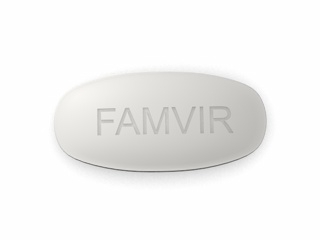

Famvir (Famciclovir) — Patient-Friendly Guide (Australia)
Famvir is a brand of famciclovir, an antiviral medicine used to treat certain viral infections. It belongs to a group of medicines called nucleoside analogues (antivirals) and is commonly used for infections caused by herpes viruses, such as shingles and genital herpes.
This guide is written to help you understand what Famvir is, how it works, how it’s usually taken, what to watch for, and how it may interact with other substances. Always follow the directions provided by your healthcare professional and the medicine label.
Basic Product Information
| Item | Details |
|---|---|
| Generic name | Famciclovir |
| Brand name | Famvir |
| Medicinal class | Antiviral (nucleoside analogue) |
| Common uses | Herpes zoster (shingles), herpes simplex (cold sores/genital herpes), and related conditions (according to local prescribing guidance) |
| Common forms | Oral tablets (strengths may vary) |
| How it’s taken | Swallowed tablets, usually in divided doses depending on the indication |
How Famvir Works (Mechanism of Action)
Famvir contains famciclovir, which is converted in the body to its active form penciclovir.
Penciclovir interferes with viral DNA replication. In simple terms, it helps stop the virus from multiplying. It is most effective when started early—ideally soon after symptoms begin—because this is when the virus is actively replicating.
Key points about effectiveness
- Earlier treatment often works better: Starting promptly after the first signs of shingles or an outbreak of herpes can improve symptom control.
- It’s antiviral, not a pain medicine: You may still need supportive care for pain or discomfort.
- It doesn’t cure the virus: Herpes viruses can remain dormant in the body and may reactivate later.
Pharmacokinetics (How the Medicine Moves Through the Body)
Understanding pharmacokinetics can help explain dosing schedules and why kidney function matters.
Absorption and activation
- Famciclovir is absorbed after oral dosing and is then converted into the active antiviral compound in the body.
- Food effects: Food may slightly change how quickly the medicine reaches peak levels, but overall exposure is generally not dramatically reduced for most patients.
Distribution and elimination
- Kidney involvement is important: The active drug is cleared largely through the kidneys.
- Reduced kidney function may require dose adjustments: This helps prevent higher-than-expected drug levels and side effects.
Your clinician may review your kidney function and adjust dosing if you have chronic kidney disease, are elderly, or have had reduced kidney performance.
Typical Use in Australia (What Famvir Is Commonly Used For)
Famvir is used for infections caused by herpes viruses. In everyday practice in Australia, it may be used for:
- Herpes zoster (shingles): Including treatment of acute shingles and, in some cases, to reduce the duration of viral shedding and symptoms.
- Genital herpes (HSV infections): For episodes (and in some settings, for suppression to reduce recurrence frequency).
- Cold sores (HSV-1 infections): Management of herpes simplex outbreaks.
The exact regimen depends on the condition, severity, and your individual risk factors. Local product information and healthcare guidance should be followed for dosing.
Dosing Overview and Timing
Famvir dosing varies by indication (e.g., shingles vs. genital herpes), the timing of symptom onset, and sometimes your kidney function.
Important: Do not adjust your dose without advice. The directions on your medicine label and clinician instructions are the safest guide.
General timing principles
- Start early for best results: For shingles and herpes outbreaks, starting as soon as possible after symptoms appear is commonly recommended.
- Complete the course: Even if you feel better, continue until the planned number of days is finished (unless advised otherwise).
- Consistency matters: Try to space doses evenly if you take more than one per day.
Possible dosing patterns (examples)
Because regimens differ by condition and patient factors, the most accurate dosing details are those provided with your specific product and instructions. The following illustrates typical types of dosing schedules seen in clinical practice:
- Shingles: Often treated with a fixed duration with doses taken multiple times daily for a short course.
- Genital herpes: May be treated for an acute episode over several days, or taken as a longer-term suppression regimen for some people.
- Cold sores: Sometimes prescribed for short-course episodic treatment, particularly when started promptly.
Your prescriber (or dispensing pharmacist) will provide the exact strength, dose, and number of days for your situation. If you’re unsure, ask your pharmacist before taking more tablets.
Food Interactions and Eating Guidelines
Food may affect how quickly famciclovir converts to its active form. In most cases, you can take Famvir with or without food, but it can help to follow a consistent routine.
Practical tips
- If your stomach feels sensitive: Taking with food may reduce nausea or stomach upset.
- Keep dosing consistent: If you take it with breakfast one day, consider taking it similarly on other days.
- Hydration helps: Drinking adequate fluids can be especially important if you have kidney-related risk factors.
There are no universally required dietary restrictions with famciclovir, but always check the specific instructions that come with your medicine.
Alcohol and Medicine Interactions
Alcohol does not directly “cancel out” famciclovir in a simple way, but alcohol can:
- increase dehydration, which may be more relevant to people with kidney concerns
- worsen side effects like dizziness, drowsiness, or nausea (depending on how your body reacts)
- affect your immune response and sleep, which may influence recovery
Recommendation
If you choose to drink alcohol, consider keeping it minimal and avoid heavy drinking while you’re taking Famvir, especially if you experience dizziness or stomach upset.
Other medicine interactions (important)
Famciclovir is cleared by the kidneys, so medicines that also affect kidney clearance may increase the risk of higher drug levels. Tell your pharmacist if you take:
- probenecid or similar medicines that affect renal secretion
- other medicines that may affect kidney function (including some diuretics, certain antibiotics, or non-prescription products that may be nephrotoxic)
- medicines that can cause dehydration or reduce kidney perfusion (e.g., if you’re unwell with vomiting/diarrhoea)
Always provide a full list of your medicines and supplements to your healthcare professional to check for interactions.
Indications (Who Might Be Prescribed Famvir)
Famvir is indicated for certain infections due to herpes viruses. The exact approved indications and regimen details depend on the product information and current Australian clinical guidance.
In practice, it may be used for:
- Herpes zoster (shingles): Particularly when treatment begins promptly after rash onset.
- Herpes simplex virus infections: Such as recurrent genital herpes or cold sores (episodic or, for some people, preventive strategies).
- Situations involving frequent recurrences: Some patients may benefit from longer-term preventive treatment approaches under clinician guidance.
If you suspect you have shingles or herpes, early evaluation can help confirm the diagnosis and determine whether an antiviral is suitable.
Safety Profile: Common and Serious Side Effects
Like all medicines, Famvir can cause side effects. Many are mild and temporary, but some require medical attention.
Common side effects
- Headache
- Nausea or stomach upset
- Dizziness
- fatigue or feeling unwell
Less common but important side effects
- Allergic reactions: rash, itching, swelling, or breathing difficulty
- Kidney-related concerns: reduced urine output, significant changes in urination, or worsening weakness—especially in people with pre-existing kidney disease
- Severe neurological symptoms: confusion, severe agitation, or unusual drowsiness (seek advice urgently if these occur)
When to seek urgent medical help
Seek urgent care or emergency assistance if you experience:
- swelling of the face, lips, tongue, or throat
- trouble breathing or wheezing
- severe allergic rash or blistering skin reactions
- symptoms of dehydration or inability to keep fluids down
Who should use caution
- People with kidney impairment may require reduced dosing.
- Elderly patients are more likely to have reduced kidney function—dose review is important.
- Pregnancy or breastfeeding: Discuss benefits and risks with a clinician.
- People on multiple medications should ensure medication interactions are checked.
Practical Use Tips (How to Take Famvir More Comfortably)
1) Start at the right time
- If you think you’re developing shingles (burning, tingling, then a rash in a band), begin treatment as advised as early as possible.
- For cold sores or herpes symptoms, start quickly once an outbreak begins.
2) Maintain hydration
Drinking water regularly can support kidney function and reduce the chance of dehydration-related side effects, particularly if you feel unwell.
3) Use supportive care for symptoms
- Shingles: Keep the skin clean, avoid scratching, and consider soothing measures recommended by your healthcare team for comfort.
- Cold sores/genital herpes: Avoid friction, maintain gentle hygiene, and follow guidance for sexual health to reduce transmission risk.
4) Don’t stop early unless told
Antivirals are most effective when taken for the full planned duration. If you miss a dose, follow your pharmacist’s guidance—often it’s best to take it when remembered unless it’s close to the next dose.
5) Keep track of recurrence timing
If you have recurrent herpes outbreaks, noting triggers (stress, illness, sun exposure, friction) and timing can help your clinician decide whether episodic treatment or longer-term strategies are more suitable.
Alternative Options (Other Treatments for Herpes Viruses)
Depending on the infection, there are other antiviral options. Your clinician may choose an alternative based on dosing convenience, kidney function, prior response, and local availability.
Common alternatives
- Acyclovir (oral/other formulations depending on condition)
- Valaciclovir (often once- or less-frequent daily dosing depending on regimen)
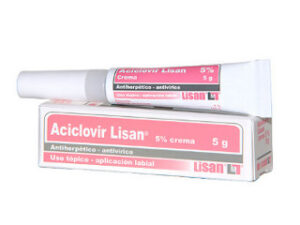
- Topical treatments for some cold sore situations (often supportive; oral antivirals are usually preferred when symptoms are early or outbreaks are significant)
For persistent or severe symptoms, a clinician may also recommend pain control or other supportive therapies alongside antiviral treatment.
Market and Legal Context in Australia (Overview)
In Australia, access to prescription-only medicines is governed by the regulatory framework administered through the Australian Government and the medicines regulatory and listing processes. Availability and dispensing requirements may vary by product classification and pharmacy rules.
For online pharmacy services, legitimate supply typically includes:
- verification of patient details
- product identification and appropriate supply practices
- pharmacist review to support safe use
- delivery to a secure address in accordance with provider policies
Always ensure you buy medicines from reputable providers. Avoid importing medicines from unofficial sources.
Recent Guidance and Clinical Considerations (What to Keep in Mind)
Clinical guidance for herpes and shingles management commonly emphasizes:
- Early antiviral treatment to improve symptom control and reduce complications where applicable.
- Assessment of risk (age, immune status, severity, and timing since rash onset).
- Kidney function review for safe dosing.
- Supportive care for symptom relief (pain and skin comfort), especially for shingles.
If you have a weakened immune system, are significantly older, or have severe symptoms, you may need more careful monitoring or a modified treatment approach.
Delivery and Availability (Online Pharmacy Considerations)
Availability can vary by stock levels and tablet strength. When ordering online in Australia, reputable pharmacies typically offer:
- Estimated delivery times at checkout
- Secure packaging to protect tablets
- Tracking information for dispatched orders (depending on the provider)
- pharmacist support if you have questions about use or interactions
Store Famvir as directed on the pack (commonly in a cool, dry place away from direct sunlight). Keep medicines out of reach of children.
FAQ — Frequently Asked Questions
1) What is Famvir used for?
Famvir (famciclovir) is an antiviral used to treat infections caused by certain herpes viruses, such as shingles (herpes zoster) and herpes simplex infections (including cold sores and genital herpes), according to clinical need and recommended regimens.
2) How quickly does Famvir work?
Many people start to notice improvements in symptoms within a few days, particularly when treatment is started early. Antiviral medicines work best when begun soon after symptoms begin.
3) Can I take Famvir with food?
In most cases, Famvir can be taken with or without food. If food helps you tolerate the medicine better, taking it with meals is often practical—just keep your routine consistent.
4) What if I forget a dose?
If you miss a dose, take it when you remember unless it’s close to your next dose. Do not take a double dose. For personalised advice, contact your pharmacist.
5) Is it safe to drink alcohol while taking Famvir?
Light alcohol may be possible for some people, but it’s safest to keep alcohol minimal. Alcohol can worsen nausea, dizziness, and dehydration risk, which may matter for kidney health. If you’re uncertain, ask your pharmacist.
6) Does Famvir prevent outbreaks?
Famvir may be used as a preventive (suppressive) strategy in some situations, but this depends on the diagnosis and clinical plan. Some people receive short courses for outbreaks; others may be prescribed longer-term regimens.
7) Will Famvir stop me from spreading herpes?
Antivirals can reduce viral shedding and may reduce transmission risk, but they don’t eliminate it completely. Use barrier protection where appropriate and follow clinician or sexual health advice.
8) Who should not take Famvir or should use extra caution?
People with significant kidney impairment require careful dose review. Extra caution is also advised for pregnancy/breastfeeding, older adults, and those taking multiple medicines. Always discuss your medical history with your healthcare professional.
9) What side effects should I watch for?
Common side effects include headache, nausea, and dizziness. Seek urgent help for signs of allergic reaction (swelling, breathing difficulty) or severe symptoms such as marked confusion or significant changes in urination.
10) Are there alternatives to Famvir?
Yes. Other antiviral options include acyclovir and valaciclovir, depending on the infection and dosing plan. Your clinician can advise which option best fits your condition and lifestyle.
11) Can I use Famvir for every viral rash?
Famvir is specifically for herpes virus infections. Not every rash is caused by herpes viruses, so it’s important to confirm the diagnosis—especially for shingles, which can resemble other skin conditions.
Summary
Famvir (famciclovir) is an antiviral medicine used to treat infections caused by herpes viruses, including shingles and herpes simplex infections. It works by interfering with viral DNA replication and is most effective when started early. Dosing varies by condition and may be influenced by kidney function. Most people tolerate it well, but it’s important to be aware of side effects and possible interactions with other medicines and overall health.
If you have questions about whether Famvir is appropriate for your symptoms, or if you are unsure how to take it safely, speak with a pharmacist or healthcare professional.