Valacyclovir (Valacyclovir Hydrochloride) – Patient Guide (Australia)
Valacyclovir is an antiviral medicine used to treat and, in some situations, prevent certain viral infections—most commonly herpes viruses. This guide is designed to help you understand what valacyclovir does, how it works in the body, what it’s used for, and practical tips for taking it safely.
This information is general and educational. Always follow the instructions provided by your healthcare professional and the product packaging you receive.
Basic Product Information
| Category | Details |
|---|---|
| Medicine name | Valacyclovir |
| How it works | Converted in the body to acyclovir, which inhibits viral replication |
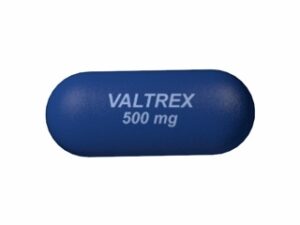
| Common strengths (examples) | Often available as 250 mg, 500 mg, and 1 g tablets (varies by product) |
| Type | Antiviral (anti-herpes virus) |
| Usual dosing frequency | Varies by indication (e.g., 2–3 times daily) and treatment goal |
| Important considerations | Kidney function, hydration, and timing relative to symptom onset |
What Is Valacyclovir and How Does It Work?
Mechanism of action
Valacyclovir is a prodrug. After you swallow it, your body converts valacyclovir into acyclovir. Acyclovir then targets infected cells and interferes with viral DNA synthesis.
In simple terms, acyclovir is taken up more efficiently by virus-infected cells. Inside those cells, acyclovir is activated and blocks the viral replication process, helping shorten the course of outbreaks and reduce viral shedding. This can lower the duration of symptoms and, in some cases, reduce recurrence frequency.
Which viruses does it mainly target?
- Herpes simplex virus (HSV-1 and HSV-2) – cold sores and genital herpes
- Varicella-zoster virus (VZV) – shingles (herpes zoster) and chickenpox
Pharmacokinetics (How It Behaves in the Body)
Understanding basic pharmacokinetics can help you appreciate why timing and dosing matter.
- Absorption: Valacyclovir is absorbed from the gastrointestinal tract and converted to acyclovir in the body.
- Conversion: Conversion to acyclovir occurs via enzymatic processes, producing the active antiviral compound.
- Distribution: Acyclovir distributes into body fluids and tissues, reaching sites where viruses replicate.
- Elimination: Acyclovir is primarily removed by the kidneys. This means kidney function affects drug levels.
- Half-life: The elimination half-life is influenced by renal function. People with reduced kidney function may require dose adjustments.
Why this matters: Staying well hydrated and using the correct dose for your kidney function can reduce the risk of side effects. If you have kidney disease or are older, your clinician may adjust the dose or dosing interval.
Typical Use in Australia
Common indications
Valacyclovir is commonly used for infections related to HSV and VZV. Typical uses include:
- Treatment of herpes simplex infections (including genital herpes and cold sores)
- Treatment of shingles (herpes zoster)
- Prevention (suppression) of recurrent genital herpes in selected individuals
- Post-exposure or management strategies may be used in some circumstances, depending on individual risk and clinical assessment
Your healthcare professional may choose valacyclovir based on your specific diagnosis, symptom severity, timing, and overall health.
Timing: When to Start Matters
Antiviral medicines work best when started early. For many herpes and shingles infections:
- Cold sores / HSV outbreaks: Starting soon after symptoms begin (for example, tingling, burning, or the first signs of a lesion) can help.
- Genital herpes outbreaks: Initiating treatment as early as possible may reduce symptom duration.
- Shingles: Starting within the first 72 hours from rash onset is commonly recommended to maximise benefits.
Even if symptoms have been present for a short time, discussing treatment promptly is important. If you are unsure whether your situation fits an indication, speak with a healthcare professional.
Dosing (General Guidance)
Dose and frequency depend on the type of infection, whether treatment is for an outbreak or suppression, your kidney function, and your age/clinical factors. Always follow the exact dose and schedule provided for your situation.
Examples of commonly used dosing schedules
The following are typical examples seen in clinical practice and product guidance. Your clinician may adjust these.
| Condition (typical use) | Common example regimens (may vary) | Notes |
|---|---|---|
| Cold sores (HSV) | Often 2 times daily for a short course | Start early for best results |
| First episode genital herpes (HSV) | Often 2–3 times daily for 7–10 days (varies) | Prompt treatment can reduce symptom duration |
| Recurrent genital herpes (HSV) | Short-course regimens (often 2 times daily) | Some plans involve starting at early symptoms |
| Prevention of recurrent genital herpes (suppression) | Usually once or twice daily long-term (varies) | Requires ongoing assessment |
| Shingles (VZV) | Often 3 times daily for about 7 days (varies) | Best started within 72 hours of rash |
| Other VZV-related uses | Regimens vary by clinical context | Your clinician will tailor the plan |
Kidney-related dose adjustments
- If you have reduced kidney function, your healthcare professional may prescribe a lower dose or less frequent dosing.
- Hydration is especially important for people with kidney risk to support normal drug clearance.
How to take it
- Swallow the tablet with water.
- Try to take doses at evenly spaced times throughout the day.
- Finish the course unless your healthcare professional tells you to stop.
Food Interactions and Administration Tips
Food interactions: Valacyclovir can generally be taken with or without food. However, taking it with food may help some people avoid stomach upset.
- If you experience nausea, consider taking it with a meal or snack.
- Maintain consistent timing to keep blood levels steadier.
Alcohol and Medicine Interactions
Alcohol
Moderate alcohol is not specifically known to directly “react” with valacyclovir in the way some drug pairs do. However, alcohol can:
- Worsen dehydration in some people
- Increase the chance of dizziness or fatigue
- Make it harder to maintain good rest during illness
If you drink alcohol, it’s safest to keep it moderate and consider avoiding it during active outbreaks or shingles, especially if you’re not feeling well. If you have liver or kidney issues, discuss alcohol use with your clinician.
Other medicine interactions (high-level overview)
Valacyclovir can interact with certain medicines primarily through effects on the kidneys or drug clearance. Tell your pharmacist or healthcare professional about all medicines you take, including:
- Other medicines that affect the kidneys
- Nephrotoxic drugs (medicines that can stress the kidneys)
- High-dose antivirals or combinations containing similar active compounds
- Probenecid (used in gout) may affect drug excretion
- Cimetidine and other agents that may influence renal handling (less common, depends on the regimen)
A key practical point: if you are taking other medicines and you are unsure whether they affect kidney function, check before combining them. Your pharmacist can help review your medication list.
Safety Profile and Side Effects
Common side effects
Many people tolerate valacyclovir well. Common side effects can include:
- Headache
- Nausea
- Stomach discomfort
- Dizziness
Less common but important side effects
- Kidney problems (risk is higher in those with dehydration, existing kidney disease, or higher doses)
- Neurologic effects such as confusion or unusual agitation (more likely with high levels, often related to kidney function)
- Allergic reactions including rash or swelling (seek urgent advice if severe)
Seek urgent medical help if you experience
- Swelling of the face, lips, tongue, or throat; trouble breathing
- Severe rash or blistering skin
- Signs of kidney trouble such as very reduced urination, severe flank/back pain, or extreme weakness
- Confusion, severe drowsiness, hallucinations, or seizures
Safety considerations in special groups
- Kidney impairment: dose adjustments and hydration are important.
- Older adults: kidney function often changes with age; your clinician may adjust the dose.
- Pregnancy and breastfeeding: treatment may still be appropriate when benefits outweigh risks, but individual assessment is needed.
- Immunocompromised individuals: dosing and monitoring may differ depending on overall health.
Practical Use Tips (How to Get the Best Results)
- Start early: begin at the first sign of symptoms or rash when applicable.
- Stay well hydrated: aim for regular water intake unless you’ve been advised to restrict fluids.
- Use consistent dosing times: especially for regimens requiring multiple daily doses.
- Don’t stop early: even if you feel better, finish the course unless told otherwise.
- Protect others: antiviral treatment helps, but it may not eliminate transmission risk. Consider barrier protection and avoid direct contact with lesions during outbreaks.
- Manage symptoms: for comfort, you may use supportive measures such as rest, gentle skin care for shingles, and appropriate pain relief recommended by your pharmacist or clinician.
Alternative Options
Depending on your diagnosis and circumstances, alternatives may include other antiviral medicines or supportive strategies. Options your clinician may consider include:
- Acyclovir (another antiviral used for HSV and VZV in different dosing schedules)
- Famciclovir (an antiviral used for HSV and shingles in selected cases)
- Supportive care (pain management, wound care, hydration, and symptom control)
Choice of alternative depends on dosing convenience, kidney function, availability, and the specific infection. If you are comparing medicines, ask your pharmacist which option best fits your medical situation.
Market and Legal Context for Australia
In Australia, the availability and sale of prescription-only medicines is governed by health regulations and pharmacy standards. Medication supply is typically coordinated with appropriate clinical assessment and dispensing through authorised channels.
When ordering online, ensure the website is legitimate and that the process includes:
- Product identification (brand/strength) and clear directions for use
- Customer support and medication safety checks
- Delivery information and tracking options
- Privacy and secure handling of personal health details
The guidance below reflects general consumer information for Australia. Always refer to the specific instructions provided by the pharmacy you use.
Recent Guidance and Clinical Considerations
Clinical practice generally emphasises:
- Early initiation for shingles (commonly within 72 hours) to improve outcomes
- Appropriate renal dosing to reduce toxicity risk
- Assessing outbreak timing for HSV to determine whether short-course treatment or suppression is more suitable
- Monitoring for immunocompromised patients and those with kidney concerns
Treatment advice may vary based on your symptoms, medical history, and local recommendations. If symptoms are severe, worsening, or unusual, it’s important to seek timely clinical input.
Delivery and Availability (Online Pharmacy)
Valacyclovir availability can vary depending on stock levels, strength, and packaging. When you order online in Australia, reputable pharmacies typically offer:
- Clear product details including tablet strength and expiry information
- Estimated delivery times and tracking
- Secure payment and privacy protections
- Contact options for questions about use and safety
For fastest dispatch, order during business hours when possible, and ensure delivery details are accurate. If you need the medicine urgently (for example, early shingles rash), contact customer support to confirm dispatch timing.
FAQ: Valacyclovir
1) How quickly does valacyclovir work?
Many people begin to notice improvement within a few days, especially when started early. For shingles and first-time herpes episodes, early treatment can reduce the duration of symptoms.
2) Can I take valacyclovir if I forget a dose?
If you miss a dose, take it when you remember unless it’s nearly time for the next dose. Do not take a double dose to make up for a missed tablet. If you’re unsure, ask your pharmacist for advice based on your schedule.
3) Should valacyclovir be taken with food?
It can usually be taken with or without food. If you experience nausea, taking it with a meal may help.
4) Is valacyclovir the same as acyclovir?
Valacyclovir is converted in the body to acyclovir. Both are antivirals used for herpes viruses, but they differ in absorption and typical dosing schedules.
5) Can valacyclovir stop outbreaks permanently?
Valacyclovir can treat outbreaks and, in some cases, reduce recurrence frequency when used as suppression therapy. However, herpes viruses can remain in the body and may reactivate.
6) Will valacyclovir prevent transmission?
Antiviral treatment may reduce viral shedding and help lower risk, but it does not eliminate all transmission risk. Using barrier methods and avoiding direct contact with active lesions remains important.
7) What if I have kidney disease?
Kidney disease can increase the risk of side effects because drug clearance may be reduced. Dose adjustments are often needed. Always discuss kidney function with your healthcare professional.
8) What are warning signs that I should seek medical help?
Seek urgent medical help for signs of allergic reaction (swelling, difficulty breathing), severe rash, symptoms suggesting kidney problems, or significant confusion/neurologic symptoms.
9) Can I drink alcohol while taking valacyclovir?
Moderate alcohol may be tolerated, but it can worsen dehydration and affect how you feel. If you’re unwell or have kidney risk factors, it’s safest to limit or avoid alcohol during treatment.
10) What should I do if symptoms don’t improve?
If symptoms worsen, fail to improve, or you develop new concerning features, seek timely medical advice. This is especially important for shingles involving the eye or face, severe pain, widespread rash, or symptoms in people with weakened immunity.
Key Takeaways
- Valacyclovir is an antiviral used for HSV and shingles-related infections.
- Start early for the best results—especially for shingles.
- Kidney function matters: hydration and dose adjustments may be needed.
- Follow your dosing schedule and finish the planned course.
- Seek urgent help for severe allergic reactions, severe rash, or kidney/neurologic symptoms.
If you have questions about how to take valacyclovir safely, ask your pharmacist or healthcare professional.