
Acyclovir 5% Cream (Topical) — Patient Information for Australia
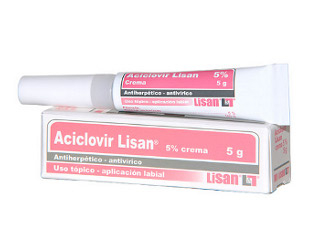
Acyclovir 5% cream is an antiviral medicine used on the skin to treat certain viral infections caused by the herpes family of viruses, most commonly herpes simplex (cold sores) and herpes labialis. It helps reduce viral activity at the surface of the skin and may shorten the healing time when started early.
This page is designed to be patient-friendly and informative. It does not replace advice from a healthcare professional. If symptoms are severe, spreading rapidly, or you are unsure whether your condition is herpes-related, seek medical advice.
1) Basic Product Information
| Product | Details |
|---|---|
| Active ingredient | Acyclovir 5% (topical cream) |
| Type of medicine | Antiviral for skin use |
| Common uses | Cold sores (herpes labialis) and other herpes simplex skin infections |
| How it is used | Apply as a thin layer to affected areas |
| Where it is applied | Skin/outer areas only (avoid eyes and inside the mouth unless directed) |
| Brand examples | May be available under various brand names and pack sizes in Australia |
2) How Acyclovir Cream Works (Mechanism of Action)
Acyclovir is an antiviral medicine that acts primarily against herpes viruses. In simple terms:
- The cream delivers acyclovir to infected skin cells or nearby cells.
- Inside infected cells, acyclovir is converted into an active form.
- The active form blocks viral DNA replication (the virus cannot copy itself effectively).
- As a result, viral spread and the intensity/duration of symptoms may reduce—especially when used early (at the first sign).
It’s important to note that topical acyclovir is designed to work at the site of infection. It cannot “cure” herpes viruses completely, because they can remain dormant in nerves and reactivate later.
3) Pharmacokinetics (What the Body Does With It)
Pharmacokinetics describes how a drug is absorbed, distributed, metabolised, and eliminated. For topical acyclovir:
- Absorption through intact skin is low under normal circumstances.
- Absorption may be slightly higher when applied to damaged or inflamed skin (for example, if there are open lesions).
- After skin application, only small amounts of acyclovir are typically detected in the bloodstream.
- Any absorbed acyclovir is processed by the body and eliminated mainly by the kidneys.
In most people, systemic exposure is low, which generally supports a favourable safety profile for topical use when instructions are followed.
4) Typical Use in Australia
Acyclovir 5% cream is commonly used to treat:
- Cold sores (herpes labialis) — often around the lips, when tingling, itching, or a sore starts forming.
- Certain herpes simplex skin infections — as directed by product instructions or a healthcare professional.
It may be less effective if started late. Many people notice best results when application begins at the earliest symptoms.
5) When to Start & Timing Tips
Timing can make a meaningful difference. For cold sores especially, begin treatment as soon as you recognise early signs such as:
- tingling or burning sensation
- itching
- redness or early swelling
- the first appearance of a sore spot
Common dosing schedule for topical acyclovir cream: apply several times per day for a typical course duration as stated in the product instructions.
Since pack instructions can vary by country/manufacturer and the type of lesion, always follow the exact directions supplied with your specific product. If you are unsure, check the label or ask a pharmacist.
6) Food Interactions
Food interactions are generally not relevant for topical acyclovir because systemic absorption is low. You can usually eat and drink normally while using the cream.
7) Alcohol and Medicine Interactions
Alcohol
There are no well-established direct interactions between topical acyclovir and alcohol. However, alcohol may indirectly affect recovery in some people by:
- increasing irritation or dryness of the skin
- worsening sleep or immune function for some individuals
- making it harder to keep the lesion clean and protected
If you drink alcohol, consider keeping hydration up and protecting the area from further irritation (for example, avoid rubbing or picking).
Other medicines
Because absorption from topical acyclovir is usually low, significant medicine interactions are unlikely. Still, it is wise to tell your pharmacist about any other medicines you use—particularly:
- immunosuppressant medicines (for example, after organ transplant or for certain inflammatory conditions)
- other topical antivirals or creams used on the same area
- medicines that affect skin healing or immune function
8) Indications (What it’s used for)
In practice, acyclovir 5% cream is used for herpes simplex virus infectionscold sores. It is most suitable for lesions on the lips and surrounding facial skin.
Not for:
- eye treatment (avoid contact with eyes)
- inside the mouth (unless a clinician specifically instructs you)
- genital herpes lesions unless directed by a healthcare professional and consistent with the product’s approved indications
If your symptoms do not resemble herpes (for example, deep ulcers, widespread blisters, or high fever), seek medical advice.
9) How to Use Acyclovir 5% Cream (Dosing & Application)
Always follow the dosing schedule on the product label. The following is a general guide commonly used for topical acyclovir for cold sores:
- Adults and adolescents: apply a thin layer to affected areas as directed (often several times daily).
- Children: follow the product label instructions or seek pharmacist advice for appropriate use in children.
- Duration: continue for the advised number of days, typically until the lesion heals or as directed.
Step-by-step practical application
- Wash your hands before and after applying the cream.
- Clean the area gently with water (avoid harsh scrubbing), then pat dry.
- Apply a thin layer directly on the sore and the surrounding area if instructed. Use a clean finger or cotton bud if needed to avoid contamination.
- Avoid getting the cream into eyes or on the inside of the mouth.
- Let it absorb/dry. If you cover the area, only use breathable protection and follow local product instructions.
- Do not pick the lesion. Picking increases inflammation and can prolong healing.
When you should reassess
- If symptoms do not improve within the expected timeframe
- If sores become much larger or more painful
- If you develop fever, spreading redness, pus, or crusting that seems infected
- If you have frequent outbreaks, particularly more than a few times per year
10) Safety Profile & Side Effects
Acyclovir cream is generally well tolerated when used as directed. Most side effects are local and mild.
Common or expected local effects
- mild burning, stinging, or tingling at the application site
- dryness or mild irritation
- redness or peeling of the skin around the lesion
Seek urgent medical help if you experience
- severe allergic reaction (for example, swelling of the face/lips, difficulty breathing)
- significant worsening rash beyond the treated area
- severe pain, rapidly spreading redness, or signs of bacterial skin infection
Precautions
- Avoid contact with eyes.
- Keep away from inside nostrils and genital area unless directed.
- If you have a weakened immune system, discuss herpes management with a clinician.
- Do not apply to large areas for long periods without medical advice.
11) Practical Use Tips (To Improve Results & Reduce Spread)
The following tips can help you get the best possible outcome and reduce transmission to others.
- Start early: apply at the first sign of a cold sore.
- Do not share personal items (lip balm, cups, utensils, razors).
- Minimise close contact during outbreaks (kissing and oral sex can transmit herpes).
- Protect the area: avoid friction (for example, from masks or vigorous rubbing).
- Use gentle hygiene: wash hands regularly and avoid touching the lesion.
- Consider sun protection: sun exposure can trigger outbreaks; use lip balm with SPF where appropriate.
12) Alternative Options
Depending on your symptoms, outbreak frequency, and severity, options may include:
- Other topical antivirals (some countries have alternatives; availability in Australia may differ).
- Oral antiviral medicines (often considered for frequent, severe, or early treatments—this should be discussed with a pharmacist or clinician).
- Pain relief measures such as paracetamol or ibuprofen (if suitable for you).
- Cold sore patches (hydrocolloid dressings) to protect the lesion and reduce contact spread.
- Barrier moisturisers for comfort (apply separately and avoid mixing with antiviral cream on the same moment).
If you have frequent outbreaks, you may benefit from a personalised prevention plan to reduce triggers. Ask a pharmacist about the best approach for your situation.
13) Market & Legal Context for Australia
In Australia, topical acyclovir products are regulated through the medicines framework and are supplied in accordance with Australian law and the product’s scheduling/availability category. Product presentation and supply can vary depending on pack size and formulation.
When shopping online, ensure the product is clearly identified as acyclovir 5% cream and that the listing includes:
- manufacturer and product name
- active ingredient and strength
- pack size
- the recommended use as stated by the product information
- storage conditions and expiry date
Always check the label instructions on delivery, even if you have used similar products before.
14) Recent Guidance & Ongoing Clinical Advice (Australia)
General principles for herpes treatment remain consistent worldwide and are reflected in Australian clinical practice:
- Early treatment is key: topical antivirals are most beneficial when started at the first sign of a cold sore.
- Local care supports comfort: keeping the area clean, avoiding picking, and protecting from irritation helps healing.
- Seek medical advice when complications occur: especially in immunocompromised people or if lesions are severe or widespread.
Guidance can evolve as new evidence emerges. If you notice a change in outbreak pattern (more frequent, more severe, or involving unusual sites), speak with a healthcare professional for updated advice.
15) Delivery, Availability & What to Expect
Acyclovir 5% cream may be available from multiple sources across Australia, including pharmacies and approved online pharmacy services. Availability can depend on brand choice, pack size, and local inventory.
Delivery tips
- Check the estimated delivery times shown at checkout.
- Store the cream according to the label (typically at controlled room temperature; avoid heat and direct sunlight).
- Check the expiry date upon arrival.
When to order
If you are prone to cold sores, consider keeping a small supply at home so you can start treatment promptly at the first tingling sensation.
16) Storage & Disposal
- Storage: keep tightly closed and store as directed on the pack.
- Hygiene: avoid contaminating the tube opening.
- Disposal: dispose of the tube responsibly according to local pharmacy or waste guidance once expired or finished.
17) FAQ — Frequently Asked Questions
1. Does acyclovir cream actually stop cold sores from developing?
It can help reduce the severity and duration when started early, but it may not fully prevent a cold sore from forming in every person. Beginning at the first tingling or burning sensation gives the best chance of reducing the outbreak impact.
2. How soon should I apply it after symptoms start?
Apply as soon as you notice early signs such as tingling, itching, redness, or swelling. The earlier you start, the more likely you are to benefit.
3. How many times per day should I use it?
Follow the dosing instructions on your specific product label. Many topical acyclovir regimens involve multiple applications per day. If your label differs, use the label directions.
4. Can I use makeup or lip products over the cream?
It’s best to avoid applying makeup directly over active lesions. If you use lip products, wait until the cream has been absorbed and consider choosing gentle products. Avoid picking the lesion and keep the area protected from irritation.
5. Is it safe to use if I’m pregnant or breastfeeding?
Many topical treatments are considered compatible with pregnancy and breastfeeding when used as directed, but individual circumstances vary. For personal advice, consult a healthcare professional or pharmacist—especially if you’re using it frequently or have extensive lesions.
6. Can children use acyclovir cream?
Children can sometimes use acyclovir topical products, but dosing and suitability can depend on age and the condition being treated. Check the label and ask a pharmacist for guidance.
7. What should I do if I accidentally get cream in my eye?
Rinse the eye thoroughly with water immediately and seek medical advice if irritation persists. Keep the cream away from eyes during application.
8. Can I drink alcohol while using acyclovir cream?
There are typically no direct interactions with topical acyclovir. However, consider how alcohol affects you and your recovery comfort. Stay hydrated and avoid irritating the lesion.
9. Will acyclovir cream prevent me from spreading herpes to others?
It may reduce viral activity and lesion severity, but transmission can still occur—especially when lesions are present. Avoid kissing and sharing utensils during outbreaks, and wash hands after applying cream.
10. If I have frequent outbreaks, what else can I do?
If outbreaks are frequent or severe, you may need a tailored plan. Triggers can include stress, illness, sun exposure, and skin irritation. A pharmacist or doctor can advise on preventive strategies and whether other treatment approaches may be appropriate.
18) Summary
Acyclovir 5% cream is a topical antiviral used for herpes-related skin infections, especially cold sores. It works by interfering with viral replication in infected cells. Because absorption is typically low, it is generally well tolerated when applied correctly.
- Start treatment at the earliest sign of a cold sore
- Apply a thin layer as directed on the product label
- Wash hands before and after application
- Seek medical advice if symptoms are severe, spreading, or not improving as expected
For best results and safe use, always read the label instructions supplied with your specific product and ask your pharmacist if you have questions.