
Chloroquine (Chloroquine Phosphate) – Patient-Friendly Guide (Australia)
Chloroquine (commonly supplied as chloroquine phosphate) is a medicine used for specific infectious diseases and certain other medical situations. This guide explains how it works, how it is taken, and important safety considerations. It is written for general information and should be used alongside advice from a qualified healthcare professional.
Quick Product Information
- Medicine name: Chloroquine (Chloroquine Phosphate)
- Common uses: Treatment of certain malaria infections; sometimes used for other specialist indications (as directed by a clinician)
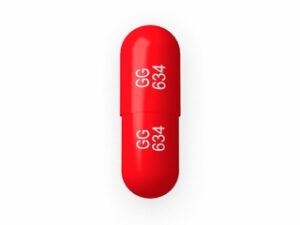
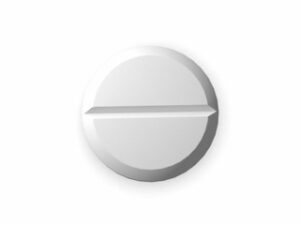
- How it’s taken: Oral tablets (dose depends on indication and local guidelines)
- Important note: The suitability of chloroquine depends on the parasite species and resistance patterns in the area of infection
How Chloroquine Works (Mechanism of Action)
Chloroquine is an antimalarial medicine. It works mainly by interfering with the malaria parasite’s ability to digest haemoglobin inside red blood cells. Specifically, it affects the parasite’s haem detoxification process, leading to toxic accumulation of haem and ultimately parasite death.
In simplified terms, chloroquine helps prevent the parasite from breaking down haemoglobin effectively, which stops its growth and replication in the body. The medicine’s activity is strongest against malaria types that remain sensitive to chloroquine.
Pharmacokinetics (How the Body Handles the Medicine)
Pharmacokinetics describes how the body absorbs, distributes, metabolises, and eliminates a medicine. Chloroquine has several practical implications for dosing, timing, and safety.
- Absorption: Generally well absorbed from the gastrointestinal tract after oral administration.
- Distribution: It distributes widely throughout the body and tends to accumulate in tissues, including the liver and other compartments. Because of this, effects can persist longer than expected from blood levels alone.
- Metabolism: Chloroquine is metabolised mainly in the liver.
- Elimination: It is eliminated slowly, with both metabolism and renal excretion contributing. This slow clearance is one reason chloroquine requires careful dosing and monitoring.
- Half-life considerations: The prolonged presence of the medicine in the body means drug–drug interactions and side effects may require longer vigilance.
Individual results vary depending on age, liver function, other medicines, and the clinical scenario.
Typical Use in Australia
In Australia, chloroquine is most commonly discussed in the context of malaria. Whether chloroquine is appropriate depends on the country/region where malaria was acquired and the current resistance patterns.
Australia also has medicines-related controls and guidance that aim to ensure safe and effective use. Your clinician will consider local and international recommendations, including species-specific susceptibility.
Common indications
- Malaria caused by chloroquine-sensitive parasites, when recommended by current guidelines
- Other specialist indications (for example, some inflammatory/autoimmune conditions) may be considered in selected cases under appropriate medical supervision
Timing and How to Take Chloroquine
Taking chloroquine at the correct times matters for effectiveness and tolerability. Exact schedules vary by indication, dose, and national guidance. Always follow the instructions given for your specific situation.
General timing principles
- Take consistently: If a schedule includes multiple doses across days, keep intervals as close to the plan as possible.
- Complete the course: Finishing the full course helps reduce risk of relapse and treatment failure.
- Missed dose: If you miss a dose, do not double up without advice—check with your pharmacist or clinician for the correct adjustment.
Food and Chloroquine: Interactions with Meals
Chloroquine is often better tolerated when taken with food or milk, though guidance can differ by formulation and individual factors. Taking it with meals may reduce stomach upset.
- With food: Many people experience fewer side effects when taking chloroquine after a meal.
- Avoid inconsistency: If you choose a routine (e.g., always with meals), try to maintain it during the course.
If you have significant nausea, indigestion, or swallowing difficulties, ask a healthcare professional for specific advice on how to take your dose safely.
Alcohol and Medicine Interactions
Alcohol does not have a single universal “allowed/disallowed” rule with chloroquine, but it can increase the risk of side effects and can worsen certain concerns such as:
- Liver strain: Because chloroquine is metabolised in the liver, heavy alcohol intake may increase hepatic stress.
- Dizziness and gastrointestinal effects: Alcohol can compound nausea, vomiting, or dizziness.
- Medication adherence: Alcohol may make it harder to remember doses at the right times.
For best safety, consider limiting alcohol during treatment. If you drink alcohol regularly or have liver disease, discuss with a clinician or pharmacist before use.
Medicine Interactions (Common Considerations)
Chloroquine can interact with other medicines, particularly those affecting the heart rhythm or those also affecting blood cell counts. Always tell a healthcare professional about all medicines you are taking, including over-the-counter products and supplements.
Notable interaction areas
- Medicines that affect heart rhythm (QT interval): Combining with other QT-prolonging medicines can raise the risk of abnormal heart rhythms. Examples may include some antiarrhythmics, certain antibiotics, and some antipsychotics—your pharmacist can review your specific items.
- Medicines that affect blood sugar: Some patients may experience changes in blood glucose control, especially in people with diabetes.
- Hepatic metabolism interactions: Drugs that affect liver enzymes may change chloroquine levels.
- Other antimalarials or long-acting medicines: Treatment plans for malaria may require careful sequencing and timing to avoid overlapping toxicity.
If you have a history of heart disease, low potassium or magnesium, or you take medicines known to affect the QT interval, extra caution is required.
Dosing: How Much Is Usually Used?
Dosing for chloroquine varies by indication, age, weight, and local guideline recommendations. Therefore, exact dosing must be determined for your situation.
The following general information is provided to help you understand how dosing is commonly planned. For specific schedules, rely on the instructions supplied with your medicine and clinical advice.
Typical dose planning (general)
- Adults and children: Malaria dosing is commonly calculated using body weight in children.
- Course structure: Often includes a multi-dose schedule across one or more days depending on the case.
- Use of chloroquine phosphate: Products are labelled in terms of chloroquine base or phosphate; your pharmacist can confirm the correct interpretation for your brand.
Do not use a “leftover” tablet schedule from a previous illness. Chloroquine dosing should match the specific clinical scenario and resistance patterns.
Safety Profile: What to Watch For
Like many medicines, chloroquine can cause side effects. Some are mild and temporary, while others require urgent attention. People with certain conditions (such as heart rhythm problems, liver disease, or eye disorders) may be at higher risk.
Common side effects
- Nausea
- Vomiting
- Headache
- Dizziness
- Loss of appetite
- Abdominal discomfort
Serious side effects (seek urgent medical help)
- Vision changes: Blurred vision, visual loss, or persistent eye symptoms
- Signs of heart rhythm problems: Fainting, severe dizziness, fast or irregular heartbeat, or chest discomfort
- Allergic reactions: Swelling of the face/lips, breathing difficulty, or widespread rash with fever
- Severe skin reactions: Painful rash, blistering, or peeling skin
- Neurological symptoms: Seizures or severe confusion
If you experience any serious symptoms, contact emergency services or urgent medical care immediately.
Practical Use Tips (To Improve Safety and Comfort)
- Take with food: This can improve tolerability, particularly if you get nausea.
- Hydrate: Adequate fluids can help with general comfort during illness.
- Be consistent: Use the same routine daily (meal timing, water intake).
- Avoid missed doses: Use a phone alarm or pill organiser for multi-day schedules.
- Check medicine labels: Confirm you’re using the correct strength and form (chloroquine vs chloroquine phosphate).
- Consider eye monitoring if prolonged use is planned: For longer-term use under specialist care, eye checks may be recommended.
- Keep a medicine list: Include all prescriptions, over-the-counter products, and supplements for review.
Alternative Options (Depending on the Indication)
Alternatives to chloroquine depend heavily on the diagnosis and whether the malaria strain is sensitive to chloroquine. For malaria treatment, clinicians may recommend different antimalarials based on species and resistance.
Possible alternatives
- Other antimalarial medicines (choice depends on location, severity, and guideline recommendations)
- Supportive treatments for symptoms while antimalarial treatment is provided (as clinically appropriate)
- For non-malaria conditions, specialist-prescribed alternatives may exist depending on the condition being treated
Do not self-switch between medicines. If you’re considering an alternative, ask a pharmacist or clinician to review your case and current guideline recommendations.
Chloroquine in Australia: Market & Legal Context
In Australia, the availability, supply, and prescribing/dispensing of medicines are regulated to support safe use. Chloroquine is subject to medicines control frameworks, and access is typically through legitimate healthcare and dispensing channels.
For malaria risk assessment, Australians travelling to or returning from malaria-endemic areas should seek travel health advice early. Treatment choices depend on which malaria species is involved and whether chloroquine resistance is present in the region of exposure.
Recent guidance considerations
Guidance for malaria prevention and treatment changes over time as resistance patterns and evidence update. Clinicians in Australia typically follow up-to-date recommendations from relevant authorities and evidence-based clinical resources when deciding on therapy.
- Resistance matters: In many regions, chloroquine resistance is common, making alternative antimalarials necessary.
- Rapid diagnosis is important: Confirming malaria species and severity guides treatment selection.
- Severe malaria requires urgent care: If there are warning signs, immediate medical attention is essential.
If you are asking about chloroquine for a specific travel or exposure history, it’s especially important that healthcare professionals determine the risk profile and appropriate therapy.
Delivery and Availability (Australia)
Availability can vary by brand, strength, and supply arrangements. Online pharmacies in Australia typically handle lawful supply and dispatch in accordance with Australian requirements.
What to expect with delivery
- Dispatch times: Usually provided at checkout or on the website.
- Packaging: Medicines are typically shipped in secure packaging to protect the product.
- Cold-chain: Chloroquine tablets are generally not temperature-sensitive in the way that some injectables are, but always store according to the label instructions.
- Follow instructions: Use the medicine before expiry and store as directed on the outer packaging.
For the most current information on stock and delivery timeframes, check the product page on the pharmacy website you are using.
Storage
Store chloroquine according to the instructions on the package label. In general:
- Keep out of reach of children.
- Store at the recommended temperature (often “below 25°C” for many tablets, but confirm for your product).
- Protect from moisture and direct sunlight.
- Do not use after the expiry date.
Special Populations: Who Needs Extra Caution?
Certain groups may require extra caution or additional monitoring:
- People with heart rhythm problems or known QT prolongation risk
- People with liver disease (due to metabolism)
- People with eye disease or who develop vision symptoms
- Pregnancy and breastfeeding: The balance of benefits and risks should be discussed with a clinician
- Children: Dose must be weight-adjusted and carefully selected
- Older adults: May have higher risk from drug interactions and side effects
If you belong to any of these groups, seek personalised medical advice before starting treatment.
Patient Checklist Before Starting
Consider discussing the following with your pharmacist or clinician:
- Your full list of medicines (including supplements)
- Your medical history (especially eyes, heart rhythm, liver conditions)
- Any history of allergic reactions to medicines
- Any pregnancy or breastfeeding status
- Your travel and exposure details (for malaria-related use)
FAQ: Common Questions About Chloroquine
1) What is chloroquine used for?
Chloroquine is used primarily for certain forms of malaria, depending on parasite sensitivity and current resistance patterns. It may also be used for other specialist indications under appropriate medical supervision.
2) How quickly does chloroquine work?
Improvement may begin within a day or two for some malaria cases, but response varies based on the severity of illness, parasite species, and whether the strain is chloroquine-sensitive. If symptoms worsen or do not improve, seek medical attention promptly.
3) Should I take chloroquine with food?
Many people find it easier on the stomach when taken with food or milk. Use your product label instructions and follow advice from your pharmacist or clinician.
4) Can I drink alcohol while taking chloroquine?
It’s best to limit alcohol during treatment. Alcohol can increase the risk of side effects such as nausea and can add stress to the liver. If you plan to drink, ask a pharmacist for advice based on your health and other medicines.
5) What should I do if I miss a dose?
Do not double up without guidance. Contact your pharmacist or clinician for instructions tailored to your dosing schedule.
6) Are there medicines I should avoid?
Some medicines may increase the risk of abnormal heart rhythms or other side effects. Because interactions vary by individual circumstances, always review your full medicine list with a pharmacist.
7) What are warning signs that mean I should stop and get help?
Seek urgent medical care for severe rash, breathing difficulty, fainting, severe dizziness, chest pain, seizures, or significant vision changes.
8) Can chloroquine be used for malaria after travel?
It may be appropriate only in specific situations where the malaria strain is expected to be chloroquine-sensitive and treatment aligns with current guidance. A healthcare professional should determine the diagnosis and recommended regimen.
9) How should I store chloroquine?
Store according to the label instructions, keep out of reach of children, and use before the expiry date.
10) Are there alternatives to chloroquine?
Yes—alternatives depend on the condition being treated and, for malaria, the parasite type and resistance pattern. Ask a healthcare professional about the most suitable options for your case.
Summary
Chloroquine (chloroquine phosphate) is an oral medicine used in specific contexts—most notably for malaria when appropriate based on resistance and diagnosis. It works by interfering with the parasite’s ability to process haemoglobin. Because chloroquine stays in the body for a long time and can affect the heart and eyes in rare cases, it should be used carefully with attention to interactions and warning signs.
If you are considering chloroquine for a particular medical situation, confirm suitability with a pharmacist or clinician, especially if you have heart rhythm issues, liver disease, eye problems, or take other medicines.
| Topic | What to know |
|---|---|
| Medicine type | Oral antimalarial (chloroquine phosphate) |
| Main action | Disrupts malaria parasite haem detoxification |
| Food | Often better tolerated with meals |
| Alcohol | Limit alcohol; can worsen GI effects and increase liver stress |
| Key risks | Rare but serious effects can include vision changes and heart rhythm problems |
| Use depends on | Malaria strain sensitivity and up-to-date clinical guidance |