Aldara® (Imiquimod) – Patient Information (Australia)
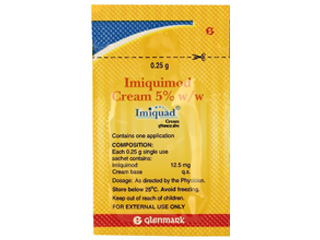
Aldara® contains imiquimod, an immune-boosting medicine used on the skin for certain conditions. It works by helping your immune system recognise and respond to abnormal cells and infections in the treated area.
This page is written to be patient-friendly and practical. It summarises how Aldara works, how it’s used, and important safety considerations in plain language, with a focus on common use in Australia.
Basic product information
| Category | Details |
|---|---|
| Active ingredient | Imiquimod |
| Brand | Aldara® (cream) |
| Typical strengths | Commonly available as 5% cream (as per marketed formulations) |
| How it’s applied | Thin layer to the affected skin only, usually at night |
| Frequency | Varies by indication (for example, 3 times per week) |
| Key feature | Often causes local skin reactions (redness, irritation) that may be expected during treatment |
If you’re unsure about the correct strength or regimen for your specific condition, check your product label or the instructions provided with your medicine.
How Aldara works (mechanism of action)
Imiquimod is an immune response modifier. After applying Aldara to the skin, it stimulates local immune activity. A major part of its action is through activation of a pathway involving Toll-like receptor 7 (TLR7) found on immune cells in the skin.
- It helps trigger the production of signalling molecules (cytokines), including interferon and other immune mediators.
- This can enhance the immune system’s ability to target abnormal or infected cells in the treated area.
- For some conditions, the treatment outcome is not immediate; improvement typically occurs over weeks as the immune response develops.
Pharmacokinetics (how the medicine behaves in the body)
When Aldara is used on the skin as directed, only a small amount of imiquimod is expected to be absorbed through intact skin. The medicine is largely acting locally where it is applied.
- Absorption: Low systemic absorption from the skin when applied correctly to the affected area.
- Distribution: Because absorption is limited, systemic distribution is generally minimal.
- Metabolism: Imiquimod is metabolised (broken down) mainly in the body by metabolic pathways.
- Elimination: The metabolites are cleared primarily through normal body excretion processes.
People with extensive skin breakdown, large treated areas, or use of occlusive dressings may absorb more than usual. For that reason, following application instructions carefully is important for safety.
Typical uses of Aldara
Aldara is used for specific skin conditions where immune stimulation may help clear or control abnormal growths or infections. In Australia, indications may vary with product registration and current listings. Commonly referenced uses include:
- Actinic keratosis (AK): Mild-to-moderate, visible or palpable actinic keratoses on the face/scalp in some adult patients.
- Superficial basal cell carcinoma (sBCC): Selected cases where the condition is suitable for topical treatment.
- Genital warts (condylomata acuminata): For appropriate adult patients, including certain external genital locations.
Your prescriber and pharmacist will confirm the correct indication and regimen for your situation. Don’t use Aldara for a different condition unless your clinician has advised it.
Timing: when and how to apply
Aldara is typically applied at night because it remains on the skin for several hours before being washed off. The exact timing depends on the condition and your prescribed schedule.
General application timing
- Use in the evening or before bedtime (often around 6–10 hours before morning).
- Leave on the skin for the recommended duration.
- Wash off in the morning with mild soap and water.
How long to use
Treatment duration is indication-specific. Some regimens last for several weeks, and treatment may be continued until the course is completed as instructed.
It’s common for the treated area to become red, irritated, or crusted during treatment—this does not automatically mean you should stop. However, severe reactions should be discussed with a healthcare professional.
Food interactions
Aldara is applied to the skin, and systemic absorption is generally low. Therefore, food interactions are not expected in the usual sense.
- However, overall health matters: if you take medications by mouth that affect your immune system or skin healing, discuss them with your clinician.
- For people who experience significant local inflammation, staying well hydrated and maintaining nutrition can support skin comfort and healing.
Alcohol and medicine interactions
Because Aldara is applied topically and systemic levels are generally low, direct alcohol interactions are not commonly expected.
- Local irritation: Alcohol may worsen skin dryness or irritation in some people indirectly (for example, via dehydration), but this is not a specific medicine interaction.
- Other medicines: Inform your clinician or pharmacist about all medicines you use, including topical treatments (especially corticosteroids), because combining therapies on the same area may affect response or irritation.
Avoid applying other topical products to the treated area unless you’ve been told to do so.
Indications and treatment approaches (what conditions Aldara targets)
Aldara is intended for defined, doctor-assessed skin conditions. Below is a patient-oriented overview of how it’s commonly used.
- Actinic keratosis (AK): Used to treat sun-damaged skin lesions (pre-cancerous growths) in selected adults. Treatment aims to clear visible lesions and reduce the risk of progression.
- Superficial basal cell carcinoma (sBCC): Used where appropriate for superficial, localised disease. It may take weeks to months for complete response to be assessed.
- Genital warts: Used for external genital warts. Treatment can help the immune system clear lesions, but recurrence can happen because the virus may persist.
If you’re treating genital warts, you may also receive advice on sexual health and partner management. Follow those instructions carefully.
Dosing: typical schedules (follow your instructions)
Dosing varies by indication, area treated, and product instructions. Always follow the exact regimen supplied to you. Below are typical examples used in practice; they may not be identical for every patient.
Common dosing patterns
- Actinic keratosis: Often once per day at night, typically 3 times per week, for a set number of weeks.
- Superficial basal cell carcinoma: Commonly 5 times per week at night for a defined duration.
- Genital warts: Commonly 3 times per week at night for a limited treatment course, with follow-up assessment.
Your specific plan may differ. If you miss a dose, do not “double up” to catch up unless your clinician or the product instructions advise it. Generally, you should resume your usual schedule.
How much cream to apply
A common patient instruction is to apply a thin layer to the affected skin (and, in some regimens, the treatment area beyond the visible lesion as directed). Apply only what you need—using more does not necessarily improve results and may increase side effects.
Practical step-by-step use tips
Correct application is important both for effectiveness and for reducing irritation.
Before applying
- Wash your hands before and after applying.
- Clean the skin gently and let it dry.
- Use only a thin layer; do not scrub the skin aggressively.
Applying the cream
- Apply to the affected area only (unless your doctor instructs otherwise).
- Avoid contact with eyes, inside the nostrils, lips, or any broken skin unless specifically directed.
- Do not apply more frequently than instructed.
After application
- In the morning, wash off the cream with mild soap and water.
- Wear loose clothing over treated skin to reduce friction.
- If the treated area becomes very irritated, speak with a healthcare professional for advice on soothing measures.
Occlusion (covering the area)
In general, do not cover treated skin with tight or occlusive dressings unless instructed. Occlusion may increase absorption and irritation.
Safety profile: common and serious side effects
Like many topical immunomodulators, Aldara commonly causes local skin reactions. These reactions can be part of how the treatment works, but severe reactions require review.
Common local side effects
- Redness (erythema)
- Swelling (oedema)
- Itching (pruritus)
- Burning or pain
- Dryness, flaking, scaling
- Crusting, erosions, or mild ulceration in the treated area
Other possible side effects
- Headache or flu-like symptoms in some people
- Fatigue
- Generalised skin reactions are less common but can occur
Seek urgent medical advice if you have
- Signs of severe allergic reaction (e.g., swelling of face/lips, trouble breathing, widespread hives)
- Severe blistering, rapidly worsening pain, or skin breakdown extending beyond the treated area
- Infection signs (increasing warmth, pus, fever, or worsening redness spreading)
If you develop concerning symptoms, stop using the cream and get medical advice. Your healthcare provider can determine whether you should restart, adjust the regimen, or switch treatment.
What to expect during treatment (and when to contact your clinician)
Many patients notice the treated skin becomes more reactive during the first 1–2 weeks. This may include redness, scabbing, or a raw appearance. Improvement usually follows after continued treatment and completion of the course.
- Expected: Local irritation, redness, crusting and temporary worsening.
- Concerning: Severe pain, extensive blistering, spreading rash, or symptoms that make it impossible to sleep or carry out normal activities.
Call your clinician if reactions are severe or if you’re unsure whether to continue. Don’t apply extra creams to “calm it down” unless specifically recommended.
Interaction with sun and skin care
Because Aldara is used on sun-damaged or sensitive skin areas, sun exposure can increase irritation. Consider:
- Use broad-spectrum sun protection (SPF 30+ or higher), protective clothing, and shade.
- Avoid sunbathing and tanning beds during treatment.
- Be cautious with other potentially irritating products (strong exfoliants, acids, retinoids) on the same area.
Alternative options
Depending on the condition being treated, options may include:
- Cryotherapy (freezing) for individual actinic keratoses
- Other topical treatments for actinic keratosis (for example, therapies that target abnormal cells via different mechanisms)
- Procedural treatments such as curettage or surgery for certain lesions
- For genital warts: other wart-directed therapies (topical or procedural) may be appropriate
Your clinician can help compare expected benefits, side effects, convenience, and long-term outcomes for your specific diagnosis.
Market and legal context for Australia
In Australia, topical medicines are regulated through the TGA (Therapeutic Goods Administration). Aldara (imiquimod) is an established medicine with product labelling that defines approved indications, directions for use, and safety information.
- Registration/indication: Approved uses depend on current TGA product listings and the specific formulation/strength.
- Monitoring and updates: Guidance and product information may be updated over time as new evidence becomes available.
- Professional advice: For skin conditions, assessment by a clinician is important to confirm the diagnosis and determine the safest approach.
If you’d like, share your condition (for example, “actinic keratosis on my scalp” or “superficial basal cell carcinoma on my trunk”) with your pharmacist or clinician to confirm the most appropriate treatment plan.
Recent guidance and follow-up
For many skin conditions treated with imiquimod, current clinical practice commonly includes:
- Confirming the diagnosis (especially for lesions that could be other types of skin cancer).
- Follow-up assessment after completion of therapy, because responses may take time.
- Sun protection as a routine part of prevention for actinic damage.
If you were advised to have a skin check, attend follow-up even if the area looks improved.
Delivery and availability in Australia
Aldara may be available through Australian pharmacies and selected online pharmacy services, depending on current stock and prescribing/dispensing requirements at the time of purchase.
- Availability: Stock levels can vary by brand and strength.
- Delivery: Many online pharmacies offer tracked delivery within Australia.
- Packaging: Medicines are typically dispatched in appropriate protective packaging to prevent damage.
Delivery times depend on your location and order processing. If you need it urgently for a treatment schedule, contact customer support to confirm lead times.
FAQ about Aldara (Imiquimod)
1) What is Aldara used for?
Aldara (imiquimod) is used for certain skin conditions, such as actinic keratosis, superficial basal cell carcinoma, and genital warts—depending on your individual diagnosis and the regimen recommended.
2) How soon will it work?
Improvement often develops over time, and the treated skin may react (redness, itching, crusting) as treatment proceeds. Clearance and the final response are typically assessed after the course is completed and the skin has had time to heal.
3) What should I do if my skin gets very sore?
Mild to moderate irritation can be expected. If you experience severe pain, blistering, rapidly spreading redness, or signs of infection, stop using the cream and seek medical advice promptly.
4) Can I wash off the cream earlier than instructed?
Follow the labelled instructions for how long to leave Aldara on the skin. Shortening the contact time may reduce effectiveness. If you’re struggling with irritation, contact your clinician for advice rather than changing the timing on your own.
5) Should I apply Aldara to healthy skin too?
Usually it’s applied only to the affected area. In some regimens, clinicians may instruct you to treat a slightly larger area around visible lesions. Follow your specific directions.
6) Can I use moisturiser or other creams?
Avoid applying other products on the treated area unless your clinician or pharmacist has recommended them. Some moisturisers or barrier creams may be safe, but it’s best to check to avoid reducing effectiveness or increasing irritation.
7) Is it safe to use with alcohol?
Direct interactions with alcohol are not commonly expected with topical imiquimod. Still, alcohol may contribute to dehydration or general effects on your skin. If you’re experiencing irritation, focus on hydration and skin comfort.
8) Will it stain clothing or bedding?
Aldara cream can transfer slightly. Wear loose clothing and consider protective bedding if you’re applying at night. Washing off in the morning helps reduce residue.
9) Can I have sex while using Aldara for genital warts?
For genital use, sexual health advice is important. Some barrier methods may be affected by topical products, and irritation can influence comfort during intimacy. Discuss specific guidance with your clinician or pharmacist.
10) What if I miss a dose?
If you miss a dose, generally resume your usual schedule when you remember. Do not apply extra cream to make up for the missed dose unless your instructions say otherwise.
Summary
Aldara® (imiquimod) is a topical immune-activating cream used for selected skin conditions including actinic keratosis, superficial basal cell carcinoma, and genital warts (depending on indication). It works by stimulating local immune responses, with low systemic absorption when used correctly.
Local skin irritation is common, particularly during the early weeks. Follow your dosing schedule carefully, apply a thin layer only to the instructed area, wash off in the morning, protect treated skin from sun exposure, and seek medical advice if symptoms are severe or concerning.