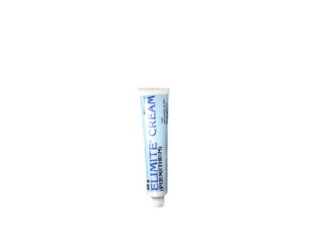

Elimite (Permethrin) — Patient Information (Australia)
Elimite contains permethrin, a medicine used to treat infestations of the skin caused by certain parasites—most commonly scabies. It works by targeting the nervous system of the parasite, helping to stop the infestation and reduce symptoms.
This guide is written to be helpful and easy to follow. Always read the product label and any instructions provided with your medicine. If you are unsure about treatment, talk to a healthcare professional.
Quick overview
- Active ingredient: Permethrin
- Medicine type: Topical antiparasitic (for the skin)
- Common uses: Scabies; also used for some other parasitic skin infestations where appropriate
- Typical application: Applied to the skin (often once, with a repeat dose about 7 days later for scabies)
- Where it acts: Primarily on the surface of the skin and within the outer layers where parasites live
Basic product information
Elimite (permethrin) is a topical cream or lotion (formulation depends on the product strength available). Permethrin is a synthetic chemical related to naturally occurring pyrethrins. It is designed to be applied directly to the skin.
Who it is for: People with scabies or certain other infestations as advised. Scabies commonly affects close contacts, so treatment plans often include household members.
Common side effects: Mild burning/stinging, redness, itching, or dry skin at the application site. Symptoms may continue briefly after treatment.
How Elimite works (mechanism of action)
Permethrin works by disrupting nerve cell activity in parasites. It interferes with how sodium channels function in the parasite’s nervous system. This leads to abnormal nerve signalling, paralysis, and death of the parasite.
Because scabies mites and their eggs reside in the skin’s outer layers, permethrin’s effectiveness depends heavily on correct application timing and full coverage of the affected areas.
Pharmacokinetics (absorption and how the body handles it)
When applied to intact skin as directed, permethrin is generally absorbed only to a small extent through the skin. Most of the medicine remains localized in the outer skin layers where it is needed.
- Absorption: Low through intact skin when used appropriately. Absorption may be higher if there is extensive skin involvement, broken skin, fever, or very large application areas.
- Distribution: Limited systemic distribution due to low absorption.
- Metabolism: Permethrin is metabolised in the body (primarily in the liver) if absorbed.
- Elimination: Metabolites are mainly eliminated via the kidneys and partly through other routes.
Practical implication: Serious systemic effects are uncommon when the medicine is used as directed. The main focus is correct skin application and environmental decontamination where required.
What Elimite is used for (indications)
The most common use of Elimite/permethrin in Australia is for:
- Scabies (mite infestation): Treatment to kill scabies mites and help control itching and skin lesions.
- Other ectoparasitic infestations: Permethrin may be used for specific skin infestations where recommended by local guidance and product instructions.
Because treatment recommendations can vary depending on the infestation type and severity, confirm the condition you are treating and follow the specific product directions.
Typical use and timing
Scabies treatment commonly involves two applications. Many patients use a first treatment day, then a second dose about 7 days later to kill mites that hatch from eggs after the first application.
Typical timing pattern (general guidance):
- Day 1: Apply to the skin (covering the required areas).
- Day 2 (often): Wash off after the recommended exposure time stated on your product instructions.
- Day 7: Repeat application.
- Day 8 (often): Wash off after the recommended exposure time.
Important: The exact “leave on” time and whether you repeat at 7 days can depend on the product strength and local advice. Follow the instructions provided with your Elimite product and your healthcare professional’s plan.
How to apply Elimite (practical step-by-step tips)
Correct application is one of the main determinants of success. The following approach is commonly recommended for scabies; always follow the product label and local instructions.
- Choose the right time: Apply when you can avoid bathing or contact with others until the recommended exposure time has passed.
- Prepare your skin: Use clean hands and apply to dry skin unless instructions say otherwise.
- Coverage matters: Apply a thin layer to all required areas, including commonly missed sites.
- Don’t forget difficult areas: Many scabies regimens include coverage of:
- Between fingers and toes
- Wrists, elbows, and knees
- Armpits and around the waist
- Genital area and buttocks
- Skin folds and under nails (to the extent practical)
- In some age groups, scalp/hairline may require special attention—follow instructions
- Massage gently: Work it in thoroughly over the treated areas.
- Follow wash-off instructions: Wash off after the recommended time. Use warm water and gentle soap if advised.
- After treatment: Wear freshly laundered clothes and use clean bedding/linens if recommended.
Household matters: Because scabies spreads through close contact, treatment may need to include close contacts even if they have no symptoms.
Food interactions
Elimite is a topical medicine. It is not typically taken by mouth, so food interactions are not expected in the usual sense. However, if absorption is increased (e.g., extensive application or broken skin), it is still unlikely that food would meaningfully change the medicine’s effect.
Best practice: Continue normal meals and hydration. If you have concerns due to other medical conditions or medication use, discuss them with a healthcare professional.
Alcohol and medicine interactions
Alcohol
There is no direct known interaction between topical permethrin and alcohol. Because systemic absorption is usually low, alcohol is not expected to significantly affect permethrin’s performance.
Note: If you feel unwell during treatment or have widespread skin irritation, it may be wise to limit alcohol that can worsen dehydration or sleep disruption.
Other medicines
With topical permethrin, drug interactions are generally unlikely because systemic absorption is typically minimal.
- Topical products: Avoid applying other creams or lotions on top of the treated areas unless your product instructions or clinician advises it.
- Skin sensitivity: If you are using other irritant topical products (e.g., strong steroid creams, harsh antiseptics, or exfoliants), ask for guidance—skin irritation may increase the chance of burning or inflammation.
Seek advice urgently if you develop severe skin swelling, breathing difficulties, or widespread blistering.
Dosing (general guidance)
Dosing with Elimite is guided by topical application instructions rather than weight-based tablet dosing. For scabies, the regimen commonly includes:
- Adults and children: Apply to the skin as directed on the product label.
- Repeat dose: Commonly repeated at about 7 days (depending on instructions and guidance).
- Volume/amount: Use enough to achieve full coverage of the required skin areas. Avoid overuse beyond what is needed.
- Exposure time: Leave on for the recommended duration, then wash off.
Important: Dosage differs by product formulation and strength. Use only the dosing instructions included with the Elimite product you receive.
Safety profile and side effects
Most people tolerate permethrin well when used as directed. Side effects are usually local and mild.
Common (usually mild) side effects
- Skin redness
- Burning, stinging, or tingling
- Itching (may continue after treatment)
- Dry skin
- Rash or irritation at the application site
Less common / serious reactions (seek urgent medical help)
- Severe allergic reaction (e.g., swelling of face/lips, hives, difficulty breathing)
- Severe skin blistering, extensive swelling, or intense pain
- Signs of infection in skin lesions (increasing redness, warmth, pus, fever)
Scabies itching after treatment: what to expect
Itching may persist for 2–4 weeks even after successful mite killing. This is often due to an ongoing immune reaction to mite debris and skin inflammation, not necessarily ongoing infestation.
If symptoms worsen rapidly, new lesions appear after the second application, or close contacts remain untreated, it may indicate treatment failure or reinfestation.
Safety tips for children, pregnancy, and breastfeeding
Permethrin has a long history of use for scabies. However, individual circumstances vary, so follow local guidance and the product instructions.
- Children: Application area and scalp coverage in young children may require special care. Follow the product instructions or clinician advice.
- Pregnancy: If you are pregnant, discuss treatment options with a healthcare professional to choose the safest approach.
- Breastfeeding: Usually topical regimens are considered compatible, but avoid contact between treated skin and the infant’s mouth/hands. Wash hands after application.
Practical use tips (to improve treatment success)
Even with an effective medicine, scabies can be hard to eliminate without correct timing and environmental steps. The following tips commonly improve outcomes:
- Repeat the treatment if advised: Many scabies regimens require a second dose about a week later.
- Don’t miss areas: Incomplete coverage is a common reason for relapse.
- Treat close contacts: Household members and close sexual contacts may need the same schedule—even if they have no symptoms.
- Wash bedding and clothing: Launder recent used items using hot wash if fabric allows, then dry thoroughly. Items that can’t be washed may need sealing/bagging or other measures per guidance.
- Vacuum soft furnishings: Focus on areas where the person with scabies spent time.
- Prevent reinfestation: If others remain untreated, you may get reinfested after successful treatment.
- Manage itchy skin: Emollients and gentle skin care can help reduce irritation while the skin settles.
Remember: Discard or avoid reusing items as advised, and maintain hygiene practices for the treatment period.
Alternative options
Depending on your situation, other treatments may be considered. Options can include:
- Other topical scabicides: Such as benzyl benzoate in certain settings.
- Oral antiparasitic medicines: Commonly ivermectin may be used for some cases, particularly when topical treatment is difficult or extensive (availability and eligibility depend on clinician assessment).
- Supportive care: Treatments to relieve itch and inflammation (for example, moisturisers, antihistamines, or topical anti-inflammatory strategies as directed by a clinician).
Choice of treatment depends on age, pregnancy status, extent of infestation, previous treatment responses, and local clinical guidance.
Market and legal context in Australia
In Australia, scabies is common and treatment is widely available. Permethrin-containing products are used under local product instructions and consumer medicine information. Availability and supply can vary between brands and strengths.
Pharmacy supply: In many cases, permethrin products are available through pharmacies, with guidance on appropriate use and household management. Your local pharmacist can help confirm suitability and provide correct application advice.
Local guidance: Clinicians typically recommend a structured approach that includes treating contacts and implementing environmental measures to reduce reinfestation risk. Follow local public health and clinical advice where available.
Recent guidance and updates: Scabies management guidance in Australia has continued to emphasise:
- Accurate diagnosis and differentiation from other itchy rashes
- Repeat dosing schedules where required
- Simultaneous treatment of close contacts
- Environmental cleaning measures tailored to practicality and risk
- Recognising that post-scabetic itch can persist even after successful treatment
Delivery and availability (online pharmacy)
Elimite/permethrin products may be supplied through online pharmacy services, with options for standard or express delivery depending on the provider’s network.
- Availability: Stock can vary by brand and formulation.
- Packaging: Products are typically shipped in sealed retail packaging to maintain quality.
- Storage: Store at room temperature as directed on the label. Keep out of reach of children.
If your first shipment is delayed or you receive the wrong formulation, contact the pharmacy promptly for assistance.
When to seek medical advice
You should seek advice if any of the following occur:
- Your symptoms do not improve after the recommended course
- You suspect reinfestation (e.g., close contacts were not treated)
- You have widespread infected skin, increasing pain, swelling, or fever
- You develop signs of allergy to the product
- The diagnosis is uncertain (for example, rash looks different from typical scabies)
FAQ — Elimite (Permethrin)
1) Does Elimite kill scabies mites and eggs?
Permethrin is designed to kill scabies mites. A single application may not kill mites emerging from eggs later, which is why a repeat application at about 7 days is commonly recommended for scabies (follow your product instructions).
2) How quickly will I feel better?
Itching may improve within days for some people, but it can also persist for 2–4 weeks after successful treatment due to skin inflammation. If new lesions appear or symptoms rapidly worsen, this may suggest ongoing infestation or reinfestation.
3) Should household contacts be treated?
Often, yes. Scabies spreads through close contact. Many clinical approaches recommend treating close contacts at the same time, even if they have no symptoms, to reduce the risk of reinfestation.
4) Can I wash off immediately after applying?
No—permethrin needs to remain on the skin for the recommended exposure time stated on the product label. Washing off early can reduce effectiveness.
5) What areas should I cover?
Coverage depends on product instructions and age group. For scabies, common areas include hands/fingers, wrists, elbows, armpits, waist, genitals, buttocks, and between toes. In children, instructions may include scalp/hairline depending on age and severity.
6) Will I be contagious after treatment?
When used correctly, the medicine should kill mites and reduce contagiousness. However, reinfestation can occur if close contacts are untreated. Follow advice on avoiding close contact and ensure household members are treated as recommended.
7) Can I use Elimite if I’m breastfeeding?
Breastfeeding can often be continued while using topical scabies treatments, but take care to prevent the baby from contacting treated areas. Wash hands after application, and avoid applying to areas where the infant may place their hands or mouth.
8) Can I use moisturisers or other creams after treatment?
Generally, use gentle moisturisers to soothe skin, but avoid applying other medications or strong topical products on top of the treated areas unless advised. Follow the product label timing for when you can resume other skin care.
9) Is there any interaction with alcohol?
There is no direct known interaction between alcohol and topical permethrin. If you’re feeling unwell or have skin irritation, drink fluids and rest as needed.
10) What if my rash looks different from scabies?
Many skin conditions can cause itching. If you’re unsure, seek professional advice. Treating the wrong condition can delay recovery and increase stress.
Summary
Elimite (permethrin) is a topical antiparasitic commonly used to treat scabies in Australia. It works by disrupting the parasite’s nervous system. Correct application, appropriate timing (often including a repeat dose about 7 days later), and managing close contacts and household items are key to treatment success. While skin itching may persist briefly after successful therapy, severe worsening, allergy symptoms, or signs of infection require prompt medical advice.
Always follow the instructions on your specific product packaging and seek advice if you have concerns about suitability or treatment progress.