
Disulfiram (Disulfiram) – Patient Information (Australia)
Disulfiram is a medicine used to help people avoid alcohol. It works by causing an unpleasant reaction if alcohol is consumed, which may support long-term abstinence for some individuals. This page explains what Disulfiram is, how it works, how it behaves in the body, and practical considerations—especially around alcohol, food, and other medicines.
In Australia, product availability and regulatory status can vary by brand and formulation. Always check the specific product details supplied by your pharmacy and follow the advice of your healthcare professional.
Quick Facts
- Medicine: Disulfiram
- Common purpose: Support to maintain alcohol abstinence
- Key effect: Causes unpleasant symptoms when alcohol is present in the body
- Important warning: Avoid all alcohol during treatment and for the period your clinician recommends after stopping
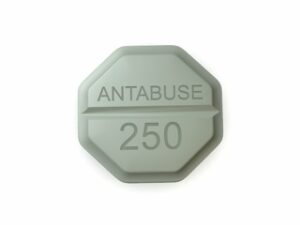
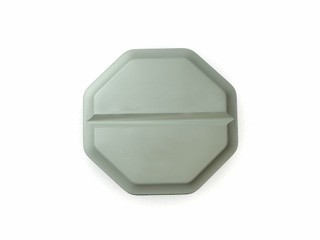
- Typical forms: Tablets (strengths vary by product)
Basic Product Information
| Category | Details |
|---|---|
| Active ingredient | Disulfiram |
| Medicine type | Alcohol deterrent (aversion) medicine |
| How it’s used | Usually as part of a broader alcohol dependence treatment plan |
| Major safety consideration | Severe reactions may occur if alcohol is taken while disulfiram is active |
| Patient focus | Abstinence support, education, monitoring |
How Disulfiram Works (Mechanism of Action)
Disulfiram helps prevent alcohol from being processed normally in the body. Normally, the body breaks down alcohol (ethanol) in stages. One of the key steps involves converting a toxic intermediate called acetaldehyde using an enzyme called aldehyde dehydrogenase.
Disulfiram blocks the enzyme aldehyde dehydrogenase, which can lead to a buildup of acetaldehyde whenever alcohol is consumed. Acetaldehyde is associated with unpleasant symptoms, which may discourage drinking.
What you might feel if alcohol is taken
Reactions can vary in severity, timing, and duration. Potential symptoms include:
- Flushing (redness/warmth in the face)
- Nausea and vomiting
- Headache
- Fast heartbeat (palpitations)
- Low blood pressure (feeling faint or dizzy)
- Breathing difficulty (in severe cases)
- Chest discomfort
- General feeling of being very unwell
In rare cases, severe reactions may become dangerous. If severe symptoms occur after accidental alcohol exposure, seek urgent medical help.
Pharmacokinetics: What the Body Does to Disulfiram
Pharmacokinetics describes how a medicine is absorbed, distributed, metabolised, and eliminated. While details can vary among individuals, the following points are important for real-life use.
Absorption
Disulfiram is taken by mouth and is absorbed from the gastrointestinal tract. Food may influence absorption for some people, so consistent dosing timing can help.
Distribution
The active effect is related to the drug’s metabolism and the ability to inhibit alcohol metabolism pathways. Because effects may persist, the alcohol “deterrent” action can last longer than the time a single dose is swallowed.
Metabolism
Disulfiram is metabolised in the body to compounds that contribute to its alcohol-aversion effect.
Elimination
Disulfiram and its metabolites are eliminated over time, but the deterrent effect can persist after a dose. This is one reason clinicians commonly require an alcohol-free period before starting and caution about the time after stopping.
Practical implication: Even “small” alcohol exposures—such as some cough syrups, tonics, or certain sauces—may be enough to cause symptoms.
Typical Uses and Indications
Disulfiram is used in the management of alcohol dependence to support abstinence. It may be considered for people who are committed to avoiding alcohol and who understand the seriousness of alcohol-containing exposures.
Indications (who it may be used for)
- People with alcohol dependence who aim for complete abstinence
- Those where a clinician believes the deterrent effect can support treatment goals
- Situations where structured support, monitoring, and education are in place
Disulfiram is not a “drink-and-recover” medicine. Its purpose is to help prevent alcohol use, not to treat intoxication once it has occurred.
Before Starting: Important Preparation
Starting Disulfiram usually involves careful preparation to reduce the risk of a reaction. Many clinicians recommend:
- Being alcohol-free for a suitable period before the first dose
- Discussing recent alcohol intake, including “hidden” alcohol sources
- Reviewing liver health and other medical conditions
- Reviewing all medicines and supplements to check for alcohol-containing products
If you are unsure whether you have alcohol in your system from recent drinks, beverages, or medications, speak with your healthcare professional before beginning.
Dosing: How Disulfiram Is Typically Taken
Dosing can vary depending on individual factors and local product instructions. Your clinician will provide a personalised regimen. The information below is general.
Typical approach
- Initial phase: Often a period of testing or gradual escalation depending on clinical judgement
- Maintenance: A daily dose to support abstinence
- Supervision: Some patients benefit from supervised or monitored dosing, especially early in treatment
Timing
Disulfiram is commonly taken once daily. Many people choose an evening dose to support adherence and to make it easier to avoid inadvertent alcohol intake around social times.
Choose a consistent time each day and follow your prescribed directions.
If you miss a dose: Follow the guidance given with your medicine. In many cases, missing a dose does not mean you should double up. Because alcohol sensitivity can vary, ask your pharmacy or clinician for specific advice.
Alcohol and Disulfiram: What to Avoid
This is the most important section. Disulfiram can cause serious symptoms when alcohol is consumed, even in small amounts.
Avoid alcohol from obvious and “hidden” sources
- Beer, wine, spirits, liqueurs, and alcohol-containing drinks
- Alcohol-based tonics and bitters
- Aftershave, perfumes, and products with alcohol—avoid direct contact with areas that might be absorbed if advised by your clinician
- Cooking ingredients containing alcohol (some sauces and marinades)
- Some medicines that use alcohol as an ingredient (including certain cough/cold preparations)
- Some mouthwashes or antiseptics that contain alcohol
- “Non-alcoholic” drinks that may still contain residual alcohol in some cases
How long to avoid alcohol
Disulfiram’s effects can persist after the last dose. Your clinician should advise how long you must remain abstinent after starting and after stopping. Do not resume alcohol simply because you feel well.
Food Interactions and Food Guidance
Food itself is not usually the main issue with Disulfiram; the key concern is alcohol-containing food and beverages. Still, some practical points can help:
- Avoid foods containing alcohol: For example, some sauces or desserts may contain alcohol.
- Check labels: Look for ingredients such as ethanol, spirit, rum, brandy, or liqueur.
- Be cautious with “alcohol-free” products: Ingredients may not always reflect residual alcohol or fermentation products. If uncertain, choose alternatives.
- Take with consistent timing: If your product instructions allow, take it at a regular time to maintain steady exposure.
Medicine Interactions: Alcohol and Other Medicines
Alcohol interactions
The most significant interaction is with ethanol (alcohol). Any alcohol exposure may trigger symptoms due to acetaldehyde accumulation.
Other medicine interactions
Disulfiram can interact with other medicines through effects on liver enzymes or through additive side effects. Always provide your full medicine list to your healthcare professional and pharmacist, including:
- Prescription medicines
- Over-the-counter products (including cold/flu remedies)
- Herbal supplements
- Topical products and mouthwashes
Because interaction details depend on your specific products and doses, it is best to check each medicine individually. Your pharmacist can help identify alcohol-containing formulations and potential safety concerns.
Medications that may contain alcohol
Some liquid medicines and certain cough/cold preparations may contain alcohol. Also check for:
- Liquid formulations
- Elixirs, tinctures, and some “herbal” alcoholic preparations
- Some topical or oral antiseptic products
If you use inhalers or other devices, there is usually no direct alcohol exposure from the device itself, but it’s still worth confirming any associated medicines.
Safety Profile: Side Effects and When to Get Help
Like all medicines, Disulfiram can cause side effects. Many people tolerate it, but some may experience effects that require medical attention.
Common side effects
- Headache
- Unpleasant taste
- Drowsiness or fatigue
- Nausea
- Skin reactions (in some people)
Serious side effects (seek urgent medical advice)
Contact a healthcare professional urgently (or call emergency services if severe) if you experience:
- Severe reaction symptoms after alcohol exposure (fainting, severe breathlessness, chest pain, confusion)
- Signs of liver problems, such as yellowing of the eyes/skin (jaundice), dark urine, or severe abdominal pain
- Allergic-type reactions such as swelling of the face or throat, widespread rash, or trouble breathing
- Uncontrolled vomiting or symptoms that rapidly worsen
Who needs extra caution
Extra monitoring may be needed if you have:
- Known liver disease or abnormal liver function tests
- Heart conditions
- Severe mental health concerns
- Neurological conditions
- Any situation where alcohol exposure might be difficult to avoid
Your clinician will weigh benefits and risks based on your health history.
Practical Use Tips (How to Make Treatment Safer and Easier)
1) Confirm your “alcohol-free” plan
- Tell close family/whānau or friends that you are taking Disulfiram so they can help you avoid alcohol exposures.
- Prepare alcohol-free alternatives for social events.
2) Check product labels and ask your pharmacist
- Ask specifically about any liquid medicines, cough/cold products, mouthwashes, or antiseptics.
- Do not assume “alcohol-free” means there is no alcohol ingredient—verify where possible.
3) Keep a medication list
Maintain an up-to-date list of all medicines and supplements you take, including doses. Bring it to appointments and show it to any doctor you see.
4) Avoid sudden changes
Changes to dose, stopping abruptly, or mixing new medicines can increase risk. Follow the plan given by your healthcare professional.
5) Be mindful of everyday exposures
- Restaurant sauces and desserts may contain alcohol.
- Some “non-alcoholic” beers and drinks may still contain trace alcohol.
- Some workers’ or carers’ products (e.g., medicated rubs) may contain alcohol—confirm ingredients if relevant.
What to Do in Case of Accidental Alcohol Exposure
Accidental exposure can happen. If you suspect alcohol has been consumed while taking Disulfiram:
- Do not try to “treat it at home” with more medications without advice.
- Contact your healthcare professional or local urgent care for guidance, especially if symptoms occur.
- If severe symptoms develop (e.g., severe breathlessness, chest pain, fainting, confusion), seek emergency care.
It can be helpful to let clinicians know you are taking Disulfiram and the approximate time and amount of possible alcohol exposure.
Alternative Options for Alcohol Dependence (General Overview)
Alcohol dependence treatments differ across individuals. Disulfiram is one option; others include behavioural therapies and other medications that may help reduce drinking or support abstinence. Your clinician will recommend what best fits your situation.
Common alternative medication approaches
- Naltrexone: May help reduce cravings and the rewarding effects of alcohol for some people.
- Acamprosate: May support maintaining abstinence after detoxification.
- Psychosocial support: Counselling, structured programs, and relapse-prevention strategies.
Other approaches can include supervised withdrawal, support groups, and integrated care addressing mental health, sleep, and co-existing conditions.
If Disulfiram is not suitable—or if side effects occur—ask your healthcare professional about alternatives.
Market and Legal Context for Australia (Patient-Friendly Summary)
In Australia, medicines are supplied under the national regulatory framework administered by the Therapeutic Goods Administration (TGA) and broader pharmaceutical rules. Whether a product is available through an online pharmacy can depend on its scheduling category and the specific supply conditions.
Availability may be affected by:
- Medicine scheduling and required checks before supply
- Brand/formulation availability in the Australian market
- Local prescribing and dispensing requirements
- Supply chain changes and product shortages
Your pharmacy listing may include specific product details, stock information, and delivery options. If Disulfiram is not currently available, ask about restock timelines or suitable alternatives.
Recent Guidance and Monitoring (What Usually Matters)
Guidance for alcohol dependence treatment can evolve with clinical evidence and safety updates. While product-specific updates differ by country and timeframe, patients should generally expect:
- Assessment of liver function and overall health before and during treatment
- Regular review of adherence and alcohol exposure risks
- Education on “hidden” alcohol sources in medicines and food
- Consideration of psychological support alongside medication
If you have concerns, speak with a healthcare professional or ask your pharmacist what monitoring is recommended for your situation.
Delivery and Availability (Online Pharmacy Considerations in Australia)
Online pharmacies can offer convenient access to medicines, including medicines used for alcohol dependence support. Availability depends on current stock levels and supply status.
When ordering, consider:
- Product strength and brand: Confirm you are ordering the correct formulation.
- Delivery area: Some services differ by postcode or state.
- Packaging and confidentiality: Many pharmacies offer discrete packaging.
- Timeframes: Standard delivery times vary depending on logistics.
If you need the medicine urgently, check whether the pharmacy offers express delivery (if available) or discuss alternatives with your pharmacist.
Storage
Follow the storage instructions on the product label. In general, medicines should be stored:
- At room temperature unless otherwise stated
- In the original packaging to protect from moisture/light
- Out of reach of children
FAQ: Disulfiram for Patients
1) Can I drink alcohol while taking Disulfiram?
No. Disulfiram is designed to cause an unpleasant and potentially dangerous reaction when alcohol is consumed. Avoid all alcohol from drinks and also from foods and medications that may contain alcohol.
2) What about small amounts of alcohol (e.g., cooking or “non-alcoholic” drinks)?
Small amounts can still trigger symptoms in some people. Cooking ingredients, sauces, liqueurs, and some “non-alcoholic” beverages may contain alcohol or residual alcohol. When in doubt, choose alcohol-free alternatives and ask your pharmacist to check specific products.
3) How long does the effect last after my last dose?
Disulfiram’s deterrent effect may persist after stopping. The exact duration depends on individual factors and dosing. Always follow your clinician’s advice and do not resume alcohol until they confirm it is safe.
4) Can I take Disulfiram with food?
Many patients take it with or without food depending on product instructions and personal tolerance. The more important dietary issue is avoiding alcohol-containing food and beverages. If you have nausea or stomach discomfort, ask your pharmacist about strategies.
5) What if I accidentally take alcohol-containing medicine (e.g., cough syrup)?
Stop using the alcohol-containing product if you have confirmed it contains alcohol and contact your pharmacist or healthcare professional for advice. If symptoms occur, seek urgent medical care—especially if symptoms are severe.
6) What side effects are common?
Common side effects may include headache, fatigue, and nausea. If you notice troubling symptoms—especially signs of liver problems—contact a healthcare professional promptly.
7) Who should not use Disulfiram, or needs close monitoring?
People with certain liver or heart conditions, or those at higher risk of accidental alcohol exposure, may need extra caution. Your healthcare professional will assess suitability based on your medical history.
8) Is Disulfiram only for people who drink heavily?
Disulfiram is used to support abstinence in alcohol dependence. The suitability depends on your goals, ability to avoid alcohol reliably, and overall health.
9) Are there alternatives to Disulfiram?
Yes. Depending on your situation, clinicians may consider other medications and psychosocial supports that help reduce cravings or maintain abstinence. Ask your healthcare professional about options.
10) Can I stop Disulfiram suddenly?
Stopping may be appropriate in some circumstances, but you should do it according to professional advice. Because alcohol sensitivity can persist and because treatment plans should be coordinated, discuss changes before stopping.
Important Disclaimer
This information is provided for general education and does not replace advice from your healthcare professional. Always read the consumer medicine information (CMI) supplied with your specific product and follow local guidance. If you have questions about interactions, alcohol-containing ingredients, or suitability for your medical situation, contact a pharmacist or clinician.