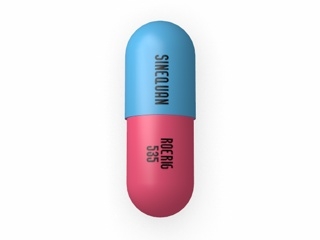
Sinequan (Doxepin) – Patient Information (Australia)
Sinequan is a brand of the medicine doxepin, a type of antidepressant medicine belonging to the class of tricyclic antidepressants (TCAs). In Australia, doxepin may be used for certain mood conditions and, in some cases, for symptoms related to anxiety or poor sleep depending on the formulation and the advice from a doctor.
This guide is designed to be patient-friendly and explains how Sinequan works, how it is used, key safety considerations, and practical tips for everyday use. Always follow the specific directions given for you.
Quick product overview
| Item | What to know |
|---|---|
| Brand name | Sinequan |
| Active ingredient | Doxepin (a tricyclic antidepressant) |
| Common purposes | Depression and certain anxiety-related symptoms (use depends on individual assessment and formulation). |
| How it works | Helps rebalance brain chemicals, particularly by affecting serotonin and noradrenaline pathways; also has antihistamine and anticholinergic effects. |
| Typical dosing pattern | Often taken once or multiple times daily depending on the prescribed regimen. |
| Important cautions | Can cause drowsiness, dry mouth, constipation, and dizziness; may affect heart rhythm in susceptible people; interacts with alcohol and other medicines. |
| Time to benefit | Some people notice changes within 1–2 weeks; a fuller antidepressant effect can take several weeks. |
How Sinequan (doxepin) works
Doxepin works mainly by altering the activity of neurotransmitters (chemical messengers in the brain). Specifically, it helps increase the availability of serotonin and noradrenaline in certain brain pathways.
In addition to its effects on serotonin and noradrenaline, doxepin has other actions that may contribute to its effects and side effects, including:
- Antihistamine activity (can cause sleepiness and help some people with distressing anxiety or insomnia in certain contexts)
- Anticholinergic activity (may cause dry mouth, blurred vision, constipation, urinary retention)
- Alpha-adrenergic effects (may contribute to dizziness or a drop in blood pressure, especially when standing)
Pharmacokinetics (how the body handles doxepin)
While individual results vary, the general pharmacokinetic pattern of doxepin includes:
- Absorption: Doxepin is absorbed after oral dosing.
- Distribution: It spreads throughout the body, including the brain, which is why it can affect mood and anxiety symptoms.
- Metabolism: Doxepin is largely processed by the liver via metabolic pathways (including cytochrome enzymes).
- Active metabolites: Metabolites may contribute to the overall effect.
- Elimination: The medicine and its metabolites are removed primarily through the body’s normal clearance processes (including via urine).
Because it is metabolised by the liver, doxepin may accumulate or increase risk when liver function is reduced, or when combined with medicines that affect the same liver enzymes.
What it’s used for (indications)
Sinequan is commonly used for depression. Depending on your clinical situation, doxepin may also be used to help manage:
- Symptoms of anxiety that occur alongside depression
- Psychological distress where a tricyclic antidepressant is considered appropriate
- Sleep disturbance in some cases, though the best option for insomnia may depend on the formulation and your other health conditions
Use can differ between countries and formulations. In Australia, your prescriber will choose the most appropriate product, dose, and schedule based on: symptom pattern, medical history, other medicines, and risk factors.
When to take it (timing and routine)
The timing of Sinequan depends on how you respond and the dosing instructions provided. Many people are advised to take doxepin in the evening if it causes drowsiness.
- If it makes you sleepy: take it in the evening or at the time recommended by your doctor.
- If it is prescribed more than once daily: spacing doses evenly can help maintain consistent blood levels.
- Be consistent: take it at the same times each day to help with symptom control and to reduce side effects.
If you forget a dose, follow your prescriber’s or pharmacist’s advice. Do not double up to “catch up” unless specifically instructed.
Dosing: what to expect
Doxepin dosing is individualised. Your prescriber may start you on a lower dose and adjust gradually based on benefit, side effects, and tolerability.
Common patterns include:
- Starting dose: typically lower to minimise initial side effects (such as drowsiness or dizziness).
- Titration: dose may be increased slowly over time if needed.
- Maintenance dose: once symptoms improve, the dose is often kept at the lowest effective level.
For safety reasons, avoid changing your dose without medical advice. Do not stop suddenly—doxepin should usually be tapered to reduce the risk of withdrawal-type symptoms.
Food interactions and dietary considerations
Food can influence how medicines are tolerated. While doxepin does not have the same kind of “strict” food restriction as some medicines, the following practical points can help:
- Take with or after food if it upsets your stomach.
- Maintain regular eating patterns. Mood changes and dizziness can be worsened by dehydration or missed meals.
- Be cautious with foods or supplements that may affect sleepiness (for example, sedating products or large alcohol intake after meals).
If you have diabetes, blood pressure issues, or other chronic conditions, ask your pharmacist for personalised guidance on managing interactions and timing.
Alcohol and medicine interactions
Alcohol
Avoid or minimise alcohol while taking doxepin. Alcohol can increase sedation, worsen dizziness, and reduce concentration. When combined, the risk of falls and impaired driving increases.
Alcohol may also worsen mood symptoms in the longer term.
Medicine interactions (important)
Doxepin can interact with other medicines, potentially increasing side effects or altering effectiveness. Tell your doctor and pharmacist about all medicines you take, including over-the-counter products and herbal supplements.
Common interaction categories to discuss:
- Other sedating medicines (e.g., certain antihistamines, sleep aids, opioids, some anxiety medicines): can increase drowsiness.
- Anticholinergic medicines (some allergy medicines, bladder medications, certain motion sickness products): may increase dry mouth, constipation, blurred vision, and urinary issues.
- Medicines that affect liver enzymes: may change doxepin levels (leading to higher side effects or reduced effect).
- Medicines affecting heart rhythm: TCAs may affect cardiac conduction; combining with other QT-prolonging medicines may increase risk.
- Serotonergic medicines (some antidepressants and migraine treatments): combination may increase the risk of serotonin-related side effects.
Your pharmacist can help you check your medicines list for interaction risk and advise on safe scheduling.
Safety profile: side effects and when to seek help
Like all medicines, Sinequan (doxepin) can cause side effects. Many are mild and improve as your body adjusts, but some require urgent attention.
Common side effects
- Drowsiness or daytime fatigue
- Dizziness, especially when standing up quickly
- Dry mouth
- Constipation
- Blurred vision
- Increased appetite and possible weight gain
- Sweating or mild tremor
Serious but less common risks
- Changes in heart rhythm (palpitations, fainting, severe dizziness) — especially in people with heart disease or those on interacting medicines
- Severe allergic reaction (swelling of face/lips, difficulty breathing, widespread rash)
- New or worsening suicidal thoughts, agitation, or unusual mood changes — particularly in younger people or early in treatment
- Seizures (risk may increase at higher doses or with certain risk factors)
- Urinary retention (difficulty passing urine)
Seek urgent medical help if you experience symptoms of a severe allergic reaction, fainting, chest pain, severe irregular heartbeat, or if you or someone else is concerned about sudden significant changes in behaviour or mood.
Driving and operating machinery
Doxepin can cause drowsiness and reduced alertness. Avoid driving or operating machinery until you know how it affects you. This is especially important when starting treatment, after dose changes, or when combined with alcohol or other sedating medicines.
Practical use tips (make treatment easier)
- Start low, go slow: if you’re adjusting dose, do it exactly as advised to reduce early side effects.
- Manage dry mouth: sip water regularly, use sugar-free gum or lozenges, and keep good oral hygiene.
- Prevent constipation: increase dietary fibre, fluids, and gentle activity; consider asking your pharmacist about suitable options if needed.
- Reduce dizziness: stand up slowly, especially in the morning; stay hydrated.
- Protect sleep routine: take it at the time recommended so its sedative effects align with your sleep pattern.
- Track mood and sleep: a simple diary can help you and your clinician review benefit and side effects over the first few weeks.
- Don’t stop suddenly: stopping abruptly can cause unpleasant symptoms; tapering is usually recommended.
Missed dose guidance
If you miss a dose, take it when you remember unless it is close to the time of your next dose. If it is nearly time for the next dose, skip the missed one. Do not take double the amount to make up for the missed dose.
If you’re unsure, contact your pharmacist for advice based on your specific dosing schedule.
Overdose caution
Tricyclic antidepressants can be dangerous in overdose. If you or someone else may have taken too much Sinequan, seek urgent medical attention immediately. In Australia, you can also contact Poison Information Centres for advice (call numbers vary by state/territory).
Keep medicines out of reach of children and store them securely.
Alternative options (discuss with your clinician)
If doxepin isn’t suitable or isn’t providing enough benefit, there are alternative treatments for depression and related anxiety symptoms. Choice depends on your personal situation, other health conditions, and side effect tolerance.
Medication alternatives (examples)
- Other antidepressants (such as SSRIs or SNRIs) depending on diagnosis and tolerability.
- Other tricyclic antidepressants (rarely, if a similar side-effect profile is acceptable and appropriate).
- Adjunct treatments for sleep or anxiety, selected carefully to avoid excessive sedation and interactions.
Non-medication options
- Psychological therapies (e.g., cognitive behavioural therapy)
- Lifestyle supports (regular sleep-wake schedule, exercise, stress management)
- Support services for ongoing mental health care
If you’d like, your pharmacist can help you prepare questions for your clinician about options and side effect comparisons.
Australia: market and legal context
In Australia, antidepressant medicines like doxepin are regulated under the national medicine scheduling system. Availability and dispensing requirements depend on the product and the current legal status in your state/territory.
On an online pharmacy, you should expect that safe dispensing involves identity checks, medication review, and clinical screening to reduce interaction risk. If a medicine requires an assessment pathway, that will be reflected in the ordering process.
Your safety is supported by pharmacist involvement and adherence to Australian regulatory standards for quality, storage, and supply.
Recent guidance and monitoring (general, non-personalised)
In general practice, clinicians commonly focus on:
- Early monitoring after starting or increasing doses, especially for changes in mood, behaviour, sleep, and side effects.
- Reviewing interactions with all current medicines, including over-the-counter and herbal products.
- Assessing risk factors for falls, drowsiness, constipation, urinary retention, and cardiac history.
- Evaluating benefit after an appropriate trial period, and adjusting the treatment plan if needed.
If you have heart disease, glaucoma, prostate enlargement, liver disease, or a history of significant medication reactions, be sure to discuss this with your healthcare provider.
Delivery and availability (online pharmacy)
Availability of Sinequan may vary depending on stock levels and product formats. When ordering online, typical steps include:
- Product selection and confirmation of your required strength/quantity.
- Medication screening for safety (including interaction checks based on your medicine list).
- Packaging and dispatch with appropriate storage conditions.
- Delivery to your nominated address within Australia, depending on the courier service and your location.
Delivery times can vary by region and dispatch schedules. Check the online pharmacy’s delivery page for estimated timelines, tracking options, and conditions for remote or rural addresses.
Frequently Asked Questions (FAQ)
1) How long does it take for Sinequan (doxepin) to work?
Some improvement in sleep or anxiety may appear earlier, but antidepressant effects often take several weeks. If you feel significantly worse after starting, or experience troubling side effects, contact your healthcare provider promptly.
2) Will doxepin make me sleepy?
Doxepin can cause drowsiness in many people. Taking it in the evening (if advised) can help. Avoid alcohol and be cautious with driving or machinery until you know how you respond.
3) Can I drink coffee or energy drinks while taking it?
Moderate caffeine is usually tolerated, but stimulants may worsen anxiety or interfere with sleep. If you notice increased jitteriness or insomnia, reduce caffeine and discuss options with your pharmacist or doctor.
4) What should I do if I miss a dose?
Take it when you remember unless it’s close to the next scheduled dose. Don’t double up. If unsure, ask your pharmacist for guidance.
5) Can I stop doxepin suddenly?
It’s generally safer to taper rather than stop suddenly to reduce the risk of withdrawal-like symptoms. Talk to your doctor before stopping.
6) Are there foods I must avoid?
There are no universally “banned” foods, but taking with food can improve stomach comfort. Maintaining hydration and regular meals helps reduce dizziness and constipation.
7) What medicines commonly interact with doxepin?
Interaction risk depends on your full list of medicines. Common concerns include other sedating drugs, anticholinergic medicines, medicines that influence liver enzymes, and certain heart rhythm medications. A pharmacist can perform interaction checks based on your medicine list.
8) What side effects are most likely at the beginning?
Early side effects can include drowsiness, dry mouth, constipation, and dizziness. These may improve as your body adjusts. If side effects are severe or worsen, seek advice.
9) Is Sinequan suitable for everyone?
No. Suitability depends on medical history, current medicines, and risk factors such as heart rhythm problems, glaucoma, prostate issues, liver disease, and past medication reactions. Your healthcare provider will assess whether doxepin is appropriate for you.
10) When should I seek urgent medical help?
Seek urgent help if you experience signs of severe allergy, fainting, chest pain, severe irregular heartbeat, seizures, or if you (or someone close to you) notices sudden and serious changes in mood or behaviour.
Important patient note
This information is general and may not cover every situation. If you have questions about how Sinequan may affect you personally— including how to take it with your other medications or health conditions—speak with a pharmacist or your doctor.
Always read the Consumer Medicine Information (CMI) provided with your medicine for the most accurate and up-to-date details.