

Antabuse (Disulfiram) — Patient Guide (Australia)
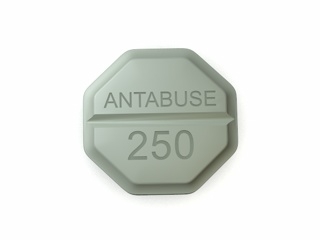
Antabuse contains disulfiram, a medicine used to help some people with alcohol dependence stay away from alcohol. It works by causing an unpleasant reaction if alcohol is taken, which can strongly discourage drinking.
This page explains how Antabuse works, how it’s taken, what to expect, and the safety considerations that are especially important in Australia. It’s written for general information and should be read alongside advice from your healthcare professional.
1) Basic product information
| Feature | Details |
|---|---|
| Medicine name | Antabuse (disulfiram) |
| Active ingredient | Disulfiram |
| Common form | Tablet |
| Main purpose | Deterrent to alcohol use in appropriate patients |
| How it works | Causes a reaction when alcohol (or alcohol-containing products) is present |
| Key safety theme | Avoid all alcohol-containing foods, drinks, medicines, and some liquids |
Important: The most serious issue with disulfiram is not typical side effects—it’s exposure to alcohol (including hidden alcohol in some products).
2) How Antabuse works (mechanism of action)
Disulfiram changes how your body processes alcohol. Normally, the liver breaks down alcohol in stages. One key step involves an enzyme that converts a harmful intermediate into harmless products.
When disulfiram is taken, it interferes with that step. As a result, if alcohol is consumed, an intermediate product builds up and leads to symptoms such as flushing, nausea, vomiting, headache, and rapid heartbeat.
- Goal: create a strong, unpleasant reaction to make drinking alcohol less likely.
- Deterrent effect: the response can be intense and potentially dangerous for some people.
This is why strict avoidance of alcohol is essential while taking Antabuse and for some time after stopping.
3) Pharmacokinetics (how the body handles disulfiram)
Pharmacokinetics describe how the body absorbs, distributes, metabolises, and eliminates a medicine. With disulfiram, several practical points matter to patients:
- Absorption: Disulfiram is absorbed after oral dosing.
- Metabolism: It is metabolised in the body to related compounds that contribute to its activity.
- Duration: The deterrent effect can persist beyond the exact day you take a dose.
- Elimination: Metabolites are cleared over time, so alcohol avoidance may still be needed after stopping.
Because individual metabolism varies, exact “safe” timelines can differ. It’s important to follow the plan set by your healthcare team—especially if you are considering missed doses, restarting treatment, or switching therapies.
4) What it’s used for (typical use & indications)
Antabuse is used as part of the management of alcohol dependence in people who are able and willing to avoid alcohol completely.
Disulfiram is not designed to “treat” withdrawal symptoms and is not a general substitute for medical support for severe alcohol-related complications. It is typically used where a structured approach and strong motivation are present.
- Indication: deterrent therapy for alcohol dependence.
- Best fit: motivated patients who understand the consequences of alcohol exposure.
- Support matters: counselling, behavioural strategies, and monitoring improve outcomes.
5) How to take Antabuse: dosing and timing
Dosing varies by patient and treatment stage. Your healthcare professional will determine the appropriate starting dose, adjustments, and duration.
Typical dosing approach (general)
- Starting dose: often lower at first, then adjusted.
- Maintenance: a daily dose is commonly used to maintain deterrent effect.
Because dosing schedules are individual, the safest guidance is: take the dose exactly as directed, do not change it without medical advice.
Timing tips
- Consistency: take your tablet around the same time each day.
- With or without food: many patients take it with food to reduce stomach upset—follow your prescribing directions.
- Before exposure: if you have been drinking recently, dosing decisions usually wait until alcohol has cleared and only when appropriate.
If you miss a dose, do not “double up” without advice. A key question is whether you may have had alcohol exposure.
6) Alcohol interactions: what happens if you drink?
The most important interaction is between disulfiram and alcohol. Even small amounts may trigger a reaction in some people.
Alcohol exposure can come from:
- Alcohol beverages: beer, wine, spirits, ciders, ready-to-drink cocktails
- Alcohol-containing foods: sauces, marinades, some cooking wines (where alcohol remains)
- Medicines and oral liquids: cough syrups, tonics, mouthwashes, some cold/flu products (check labels)
- Topical and inhaled products: some antiseptics or aftershaves may contain alcohol
- Hand sanitisers: usually contains alcohol—avoid ingestion and use carefully
Common reaction symptoms
- Facial flushing and heat
- Throbbing headache
- Nausea and vomiting
- Chest discomfort
- Rapid heartbeat or pounding palpitations
- Low blood pressure, dizziness, or weakness
- Shortness of breath (in severe reactions)
Symptoms can range from uncomfortable to severe. If you suspect alcohol exposure, seek urgent medical care—especially if symptoms are intense, prolonged, or include breathing or chest problems.
7) Food interactions: hidden alcohol to watch for
In Australia, alcohol-containing ingredients may appear in foods and beverages in ways that aren’t always obvious. While disulfiram deterrent therapy is about avoiding alcohol, it also means avoiding products that contain alcohol.
- Check cooking ingredients: alcohol-based extracts and cooking wines may contain alcohol.
- Read “contains alcohol” labels: some desserts or sauces may include alcohol.
- Be cautious with “non-alcoholic” products: some may still contain small quantities of alcohol.
If you’re unsure about an ingredient, ask the pharmacist or use a product that clearly states it is alcohol-free.
8) Medication interactions (other important medicine combinations)
Disulfiram has interaction potential with other medicines—particularly when alcohol is present in those products, or when combined with medicines that affect liver function, blood clotting, or certain neurological effects.
Examples of interaction considerations
- Medicines that contain alcohol: cough/cold syrups, some oral solutions, some tonics, and certain mouth products.
- Liver-affecting medicines: if you take other medications that stress the liver, your doctor may monitor more closely.
- Warfarin (blood thinner): some patients require close monitoring because the interaction can affect clotting control.
- Metronidazole and certain antimicrobial medicines: combining therapies can increase risk of severe reactions in some situations.
- Isolated seizure-risk considerations: disulfiram can contribute to nervous system side effects for some people.
Always disclose all medicines you use—including prescribed drugs, over-the-counter items, and herbal products— and ask whether any contain alcohol.
9) Safety profile: who should be careful and what to watch for
Antabuse/disulfiram can be very effective for deterrence, but it carries important risks. The safest use depends on your medical history and on avoiding alcohol completely.
Common side effects
- Metallic or unusual taste
- Drowsiness or fatigue
- Headache
- Stomach upset, nausea
- Skin reactions (sometimes)
Serious or urgent warnings
Seek urgent medical help if you experience signs of a severe reaction, severe breathing problems, fainting, chest pain, or persistent severe vomiting.
- Severe reaction after alcohol exposure: intense flushing, vomiting, collapse, irregular heartbeat.
- Liver problems: seek medical care for yellowing of skin/eyes (jaundice), dark urine, severe abdominal pain, or persistent fatigue.
- Neurological symptoms: confusion, severe mood changes, or symptoms like severe headache with neurological signs.
- Allergic-type reactions: swelling of face/lips, trouble breathing, widespread rash.
Who may not be suitable
Suitability depends on individual risk factors. In general, extra caution is needed if you have:
- Liver disease or previous disulfiram-related liver issues
- Significant heart disease or blood pressure problems
- Neurological disorders or seizure history
- Psychiatric instability
- Complex medical regimens where interactions are likely
Your clinician may also consider whether a different alcohol-dependence treatment approach is safer and more effective for you.
10) Practical use tips (making success more likely)
Many people do well on disulfiram when they treat it like a “zero-alcohol” plan and build routine supports around it. Consider the following practical tips.
- Commit to alcohol-free: not “less alcohol,” but no alcohol exposure.
- Check labels: alcohol can be in medicines, mouth products, and some foods.
- Ask before you start: if you get a new prescription or take an over-the-counter product, ask the pharmacist “does it contain alcohol?”
- Plan for special situations: celebrations, workplace functions, and “non-alcoholic” drinks can still be tricky.
- Don’t rely on smell or taste: some products contain alcohol without noticeable taste.
- Consider involving support: a family member or support person may help with monitoring and encouragement.
Advice about missed doses
If you miss doses, your deterrent protection may reduce. If you have taken alcohol or suspect exposure, contact a healthcare professional promptly for advice on what to do next.
11) Stopping treatment and alcohol avoidance after the last dose
The effect of disulfiram can persist after stopping. Because the timing can vary, do not assume that alcohol is safe immediately after the last tablet.
- Follow your clinician’s plan: they may advise a specific time period of alcohol avoidance.
- Be cautious with hidden alcohol: the same food and medicine checking continues until your clinician confirms it’s safe.
12) Alternative options (if disulfiram isn’t suitable)
There are other medications used in Australia to support alcohol dependence. The best choice depends on your health, preferences, and the risk profile of each medicine.
Options commonly discussed with clinicians include:
- Naltrexone (helps reduce alcohol cravings for some people)
- Acamprosate (supports maintaining abstinence in some people)
- Psychosocial treatment (counselling, cognitive behavioural therapy, support groups)
Compare with your healthcare professional: deterrent vs cravings vs relapse prevention, side effects, and interaction risks.
13) Australia market and legal context (general)
In Australia, medicines are regulated through the Therapeutic Goods Administration (TGA) and must meet quality, safety, and manufacturing standards. Medicines used for alcohol dependence may be supplied through appropriate healthcare channels.
Supply requirements can vary depending on product status and local rules. Your provider or pharmacy will advise what is required for access and safe handling in your situation.
Important: never purchase alcohol-deterrent or alcohol-interaction medicines from unverified sources. Only use products supplied through reputable channels to reduce the risk of counterfeit or incorrect formulations.
14) Recent guidance and monitoring considerations
Guidance for alcohol dependence can evolve as new safety information and treatment pathways are updated. In general, clinicians may focus on:
- Baseline checks: medical assessment before starting therapy
- Liver health monitoring: depending on your risk factors and other medicines
- Medication review: identifying alcohol-containing products and interaction risks
- Ongoing follow-up: assessing adherence, side effects, and relapse triggers
If you’re considering starting Antabuse or changing dose/timing, ask your clinician what checks are recommended for you.
15) Delivery and availability (Australia)
Availability can vary by pharmacy and region. Many pharmacies can provide home delivery for eligible items, subject to local regulations and medicine supply processes.
- Ordering: place your order through the pharmacy’s website or app if available.
- Delivery: delivery times vary depending on your location and parcel service.
- Packaging: medicines are typically supplied in protective packaging to maintain product integrity.
- Support: a pharmacist may contact you if additional information is needed for safe supply.
If you have questions about whether Antabuse is currently stocked, or about estimated delivery times, contact the online pharmacy customer service team.
16) FAQ (Frequently asked questions)
Can I drink “non-alcoholic” beer or wine?
Non-alcoholic drinks may still contain small amounts of alcohol, and levels can vary by brand. With disulfiram, it’s safest to avoid products that could contain alcohol and to check with your pharmacist.
What about alcohol in cooking (e.g., wine sauces)?
Cooking ingredients may contain alcohol that isn’t fully removed. Avoid alcohol-containing foods or choose clearly alcohol-free alternatives. If unsure, ask a pharmacist or check ingredient lists carefully.
Does disulfiram react with every alcohol-containing product?
The reaction is triggered by alcohol exposure. This includes medicines and oral liquids that contain alcohol, and foods/drinks with alcohol. Skin contact is less likely to trigger the same reaction, but avoid ingestion and be cautious with products that could enter the mouth.
How long do I need to avoid alcohol after stopping Antabuse?
The deterrent effect can last after the last dose. A specific time period should be provided by your clinician based on your situation. Until you receive clear guidance, treat yourself as if alcohol is unsafe.
What should I do if I accidentally have alcohol?
If you develop symptoms such as flushing, severe nausea/vomiting, chest discomfort, fainting, or shortness of breath, seek urgent medical care immediately. If symptoms are mild or you’re unsure whether you were exposed, contact a healthcare professional or your local emergency number for advice.
Can I take pain relief or cold medicines while on Antabuse?
Many medicines are compatible, but some formulations contain alcohol (for example, some liquid cough/cold products). Always check ingredients and ask a pharmacist before taking new medicines or oral liquid products.
Will Antabuse make me feel sick all the time?
Not necessarily. Side effects vary. However, the key deterrent mechanism happens when alcohol is present. If you feel unwell while taking Antabuse without drinking alcohol, you should discuss symptoms with a healthcare professional.
Is Antabuse the only medication for alcohol dependence?
No. Other medicines may be suitable depending on your individual circumstances. A clinician can help compare options and tailor a plan that includes medication and psychosocial support.
Can I use mouthwash while taking Antabuse?
Some mouthwashes contain alcohol. If you use mouthwash, choose an alcohol-free product when possible and avoid swallowing. Ask a pharmacist if you’re uncertain about a particular brand.
17) When to seek help immediately
Get urgent medical help if you experience any of the following:
- Severe symptoms after suspected alcohol exposure
- Chest pain, severe shortness of breath, fainting, or collapse
- Persistent or severe vomiting
- Signs of liver problems (yellow skin/eyes, dark urine, severe abdominal pain)
- Allergic reactions (swelling of face/lips, widespread rash, difficulty breathing)
If you are unsure whether you should seek urgent care, it’s safer to contact a healthcare professional right away.
Summary: Antabuse (disulfiram) can help prevent alcohol use by creating an unpleasant reaction if alcohol is taken. Success depends on strict alcohol avoidance, careful checking of food and medicine ingredients, and appropriate medical monitoring.