

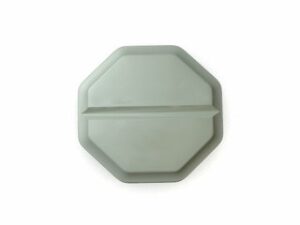
Campral (Acamprosate) — Patient Guide (Australia)
Campral contains acamprosate, a medicine used to help reduce the likelihood of heavy drinking again in people who have stopped drinking alcohol. It is most effective as part of a broader support plan that may include counselling, psychological therapies, and lifestyle changes.
This guide explains how Campral works, how it is typically taken, what to expect, common safety considerations, and practical tips. It also includes Australia-specific information about accessing and using medicines.
Basic product information
| Item | Information |
|---|---|
| Medicine name | Campral |
| Active ingredient | Acamprosate |
| Medicine type | Alcohol dependence support medicine (relapse prevention) |
| What it’s used for | Helps maintain abstinence after stopping alcohol |
| Common dosing pattern | Usually multiple daily doses (often three times daily) |
Note: Brand availability and product presentations can vary. Always check the specific strength and instructions on the pack you receive.
Indications (what Campral is used for)
Campral is indicated to help support abstinence in adults with alcohol dependence who have already stopped drinking alcohol. It may also be used when someone is committed to reducing alcohol intake and preventing relapse, under the guidance of healthcare professionals.
- Primary aim: reduce the risk of returning to heavy or harmful drinking.
- Best suited for: people who have stopped drinking and want ongoing support to stay stopped.
How Campral works (mechanism of action)
Acamprosate works in the brain systems involved in alcohol dependence and relapse. After long-term alcohol use, the brain’s signalling becomes imbalanced. When alcohol is stopped, those changes can contribute to anxiety, stress sensitivity, and cravings—factors linked with relapse.
Campral helps restore balance by affecting neurotransmitter systems, particularly those involving:
- Glutamate (involved in learning, memory, and excitatory brain signalling)
- GABA-related pathways indirectly through modulation of excitatory/inhibitory balance
Rather than producing an “alcohol-blocking” effect or causing an unpleasant reaction if alcohol is consumed, Campral is designed to support the brain’s adaptation to abstinence and reduce relapse risk.
Pharmacokinetics (how the body handles acamprosate)
Pharmacokinetics describes absorption, distribution, metabolism, and elimination.
- Absorption: Acamprosate is absorbed after oral administration. The rate and extent of absorption may vary between individuals.
- Distribution: It distributes through body tissues; however, it is not known for extensive binding to many other medications.
- Metabolism: Acamprosate is not extensively metabolised in the liver.
- Elimination: It is primarily eliminated by the kidneys (renal clearance). This is important for dosing and safety in people with reduced kidney function.
- Half-life: The medicine is eliminated over several hours; dosing schedules are designed to maintain consistent levels.
Practical implication: Because it relies heavily on kidney function, people with impaired renal function may require dose adjustment or may not be suitable for Campral.
Typical use and when to start
Campral is usually started after you have stopped drinking and are committed to maintaining abstinence. For many people, timing matters because the medicine is intended to support the brain’s recovery during the weeks and months after alcohol cessation.
- Common start point: shortly after achieving abstinence (as advised by your healthcare provider).
- Ongoing use: treatment is often continued for several months to reduce relapse risk.
- Combination care: counselling, support groups, and structured relapse-prevention strategies can improve outcomes.
How to take Campral (dosing and timing)
Important: Always follow the dosing directions on your prescription/dispensing label and the instructions provided by your healthcare professional.
Common adult dosing approach (general information)
In many settings, acamprosate is taken three times daily, with doses spread throughout the day. Exact dosing may depend on factors including age and kidney function.
Because there are different formulations and patient circumstances, your prescriber may recommend a personalised schedule.
Timing tips
- Take at consistent times: for example, morning, afternoon, and evening.
- Use a routine: linking doses to daily activities (meals, brushing teeth, bedtime).
- If you miss a dose: take it when you remember if it is close to the next dose; if it’s nearly time for the next dose, skip the missed dose. Do not take double doses.
How to swallow
- Swallow the tablet(s) with water.
- If you have difficulty swallowing, ask your pharmacist for advice relevant to the product you have.
Food interactions and taking with meals
Campral can generally be taken with or without food. Food interactions are not usually a major concern with acamprosate compared with some other medicines.
- Still, keep it consistent: taking it the same way each day can help you maintain a reliable routine.
- If stomach upset occurs: consider taking doses with a meal or snack (if appropriate for your plan).
If you have specific concerns (for example, multiple medications, digestive problems, or adherence difficulties), speak with a healthcare professional or pharmacist.
Alcohol and medicine interactions
Can you drink alcohol while taking Campral?
Campral is intended to support abstinence. While acamprosate does not typically cause a severe “disulfiram-like” reaction when alcohol is consumed, drinking alcohol can undermine treatment goals and increase the risk of relapse.
- Best outcomes: when alcohol is avoided and cravings are managed alongside support.
- If you relapse: don’t stop your overall treatment plan—contact your healthcare provider or support service for guidance. Many people need repeated attempts and structured support.
Known alcohol–medicine interaction considerations
Even when a medication doesn’t have a direct interaction with alcohol, alcohol can:
- worsen mood and sleep
- increase anxiety and stress sensitivity
- impair judgement and adherence to medications
- interfere with the effectiveness of relapse-prevention strategies
Interactions with other medicines
Acamprosate has fewer interactions than some other alcohol dependence medicines, largely because it does not undergo extensive liver metabolism. However, medicines can still interact indirectly through kidney function or other pathways.
Before starting Campral, tell your pharmacist or healthcare professional about all medicines you take, including:
- prescription medicines
- over-the-counter products
- vitamins and supplements
- herbal remedies
Kidney-related caution: because acamprosate is eliminated through the kidneys, medicines or conditions affecting renal function may influence safety and dosing.
Safety profile (what to watch for)
Like all medicines, Campral can cause side effects. Many people tolerate it well, especially when taken correctly and monitored appropriately.
Common side effects
- Diarrhoea (can be mild to moderate for some people)
- Nausea
- Abdominal discomfort
- Headache
- Fatigue or dizziness (less commonly)
If you experience persistent or severe gastrointestinal symptoms, speak to a pharmacist or healthcare professional promptly—hydration may be important, especially if diarrhoea occurs.
Less common but important considerations
- Allergic reactions: seek urgent medical help if you develop swelling of the face/lips, hives, wheezing, or difficulty breathing.
- Kidney-related issues: if you have kidney disease, you may require dose adjustment or careful monitoring.
- Mood changes: if you notice significant changes in mood, anxiety, or unusual behaviour, contact a healthcare professional.
Who needs extra caution?
Extra care is needed if you have:
- Kidney impairment (the main factor affecting acamprosate dosing and suitability)
- a history of severe adverse reactions to acamprosate or ingredients in the product
- complex medical conditions and multiple medications
Pregnancy and breastfeeding: If you are pregnant, planning pregnancy, or breastfeeding, discuss risks and benefits with your healthcare provider. Personal factors (health status, alcohol exposure history, and alternatives) matter.
Practical use tips (to improve success)
Campral can support relapse prevention, but success is often influenced by adherence and having a plan. These practical tips can help:
- Set reminders: use phone alarms or a pill organiser to manage three-times-daily dosing.
- Plan for cravings: identify triggers (people/places/times) and prepare alternative activities.
- Don’t rely on willpower alone: combine medication with support (counselling, psychological therapies, peer support).
- Track progress: note patterns in cravings, sleep, and stress levels to share with your clinician.
- Stay connected: brief check-ins early in treatment can prevent small issues from becoming bigger barriers.
- Hydration during side effects: if diarrhoea occurs, maintain fluid intake and seek advice if symptoms are significant.
Managing adherence challenges: If you’re struggling to remember doses, talk to your pharmacist—there may be strategies to simplify your routine, including aligning doses with meals or adjusting your schedule within safe limits.
Alternative options for alcohol dependence support
There are different medicines and non-medicine strategies available for alcohol dependence and relapse prevention. Choice depends on your medical history, goals, and preferences.
Other medicine options (general overview)
- Disulfiram: discourages drinking by producing unpleasant effects if alcohol is consumed (requires careful suitability and commitment to abstinence).
- Naltrexone: helps reduce cravings for some people; may be used in selected circumstances.
- Other approaches: psychological therapies and structured support are central to long-term recovery.
Note: Availability and suitability vary by individual. A healthcare professional can help compare options, including benefits, side effects, and what’s practical for your situation.
Non-medicine supports
- counselling and behavioural therapies
- support groups and peer networks
- relapse-prevention planning
- treatment for co-existing conditions (e.g., anxiety, depression, sleep problems)
Campral in the Australian market and legal context
In Australia, medicines are regulated through the Therapeutic Goods Administration (TGA). Many medicines used for alcohol dependence are listed in the Australian medicines scheduling framework and are dispensed under appropriate clinical care.
Availability may vary by:
- the specific strength and formulation of Campral
- stock levels with suppliers
- regional delivery times
Safety systems: Australian pharmacies follow strict labelling and dispensing standards, and pharmacists may request information to ensure the medicine is suitable, especially regarding kidney function and other medicines.
Recent guidance: National and local clinical practice continues to emphasise that alcohol dependence treatment is most effective when medication is combined with psychosocial support. Clinicians may tailor choices based on liver/kidney function, prior treatment response, and overall risk profile.
Delivery and availability (online pharmacy experience in Australia)
Online pharmacies in Australia typically:
- verify customer information to meet legal and dispensing requirements
- check product availability with suppliers
- dispatch orders via tracked delivery options
- provide expected delivery timeframes at checkout
What you can do to help delivery go smoothly:
- ensure your delivery address is correct
- include delivery instructions if required (e.g., apartment gate codes)
- be available for delivery where signatures are required
Stock and substitutes: If a particular strength is temporarily unavailable, your pharmacy may contact you about alternatives where appropriate and permitted.
Safety reminders before you begin
- Kidney health: let your pharmacist know if you have kidney disease, reduced kidney function, or have ever been told your creatinine/eGFR is abnormal.
- Full medication list: include over-the-counter items and supplements.
- Hydration and diarrhoea: plan for possible mild gastrointestinal side effects.
- Don’t stop abruptly without advice: if you’re considering stopping, ask your healthcare professional—relapse prevention strategies should be adjusted carefully.
FAQ — Campral (Acamprosate)
1. What is Campral used for?
Campral (acamprosate) is used to help maintain abstinence and reduce the risk of relapse in adults with alcohol dependence after stopping alcohol.
2. When should I start taking Campral?
It is usually started after you have stopped drinking alcohol and are committed to abstinence. Your clinician will advise the best timing based on your situation.
3. Does Campral work immediately?
It supports the brain’s recovery during abstinence. While some people notice improvements in cravings or distress over time, the full benefit is generally achieved with consistent use across weeks/months as part of a plan.
4. How often do I take Campral?
Campral is commonly taken three times daily. Your exact schedule may vary based on your prescribed instructions and kidney function.
5. Can I take Campral with food?
Campral can generally be taken with or without food. Many people find it easier to stick to a routine when doses are aligned with meals.
6. What if I miss a dose?
Take it when you remember if it’s not too close to the next dose. If the next dose is near, skip the missed dose. Do not take double doses.
7. Are there interactions with alcohol?
Campral is intended for abstinence support. Drinking alcohol can undermine your goals and increase relapse risk. Campral is not typically used as an “alcohol blocker,” but alcohol can still worsen overall outcomes.
8. What side effects are common?
Common side effects include diarrhoea, nausea, stomach discomfort, and headache. If side effects are severe or persistent, seek advice promptly.
9. Is Campral safe for people with kidney problems?
Campral is eliminated by the kidneys, so kidney impairment can affect safety and dosing. If you have reduced kidney function, you may need dose adjustment or alternative treatment.
10. What if I relapse while taking Campral?
Relapse can happen and does not mean failure. Contact your healthcare professional or support service for guidance. Treatment plans are often adjusted rather than abandoned.
11. Can I use Campral alongside counselling or psychological support?
Yes. In fact, medication combined with psychosocial support is often recommended for best results.
12. What alternatives exist?
Other medication options may include disulfiram or naltrexone, depending on your medical history and suitability. Non-medicine supports (counselling, support groups, relapse-prevention planning) are also key.
When to seek urgent help
Seek urgent medical attention if you experience signs of an allergic reaction (such as swelling of the face/lips, hives, wheezing, or difficulty breathing) or severe symptoms such as persistent severe diarrhoea, dehydration, or rapidly worsening wellbeing.
If you have concerns about side effects or your treatment plan, speak with your pharmacist or healthcare professional as soon as possible.
Important: This information is for education and does not replace individual advice. Your healthcare professional can help determine the most appropriate dosing and approach for your specific situation.