Naltrexone (Naltrexone Hydrochloride) — Patient Information (Australia)
Naltrexone is a medicine used to help manage certain alcohol- and opioid-related conditions. It works by blocking specific receptors in the brain, which can reduce cravings and the reinforcing effects of alcohol or opioids. This guide explains how naltrexone works, what to expect, how to take it, common interactions, safety considerations, and practical tips to support treatment.
This information is intended to help you understand naltrexone in plain language. Always follow the advice provided by your healthcare professional and read the Consumer Medicine Information (CMI) supplied with your product.
Basic Product Information
| Item | Details |
|---|---|
| Generic name | Naltrexone (as naltrexone hydrochloride) |
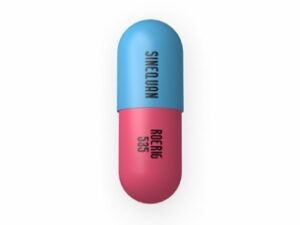
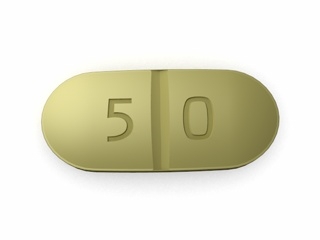
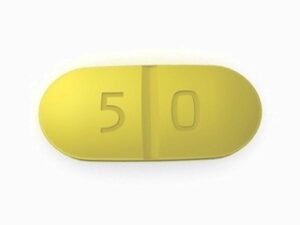
| Common dosage forms | Tablets (and in some cases, long-acting injectable formulations may be available depending on local availability and clinical use) |
| Therapeutic category | Opioid receptor antagonist; also used for alcohol-use disorder support |
| Prescription status | Availability and prescribing requirements depend on clinical assessment and local regulations in Australia |
| Brand names | May vary by manufacturer/availability; ask your pharmacist for current brand options |
How Naltrexone Works (Mechanism of Action)
Naltrexone is an opioid receptor antagonist. It mainly blocks the brain’s mu-opioid receptors. By preventing opioid signalling, naltrexone can:
- Reduce the rewarding effects of opioid use (e.g., heroin or prescription opioids).
- Reduce craving and relapse risk in some people with alcohol-use disorder by affecting brain pathways involved in reward and reinforcement.
- Support treatment goals by helping reduce the “high” and “reinforcement” associated with substances.
Importantly, naltrexone does not treat withdrawal symptoms and does not detoxify opioids. It is used to support long-term recovery strategies under appropriate clinical guidance.
Pharmacokinetics (Absorption, Distribution, Metabolism, Excretion)
Understanding how the body processes naltrexone can help explain timing, duration, and why interactions matter.
- Absorption: After oral dosing, naltrexone is absorbed from the gastrointestinal tract.
- Metabolism: Naltrexone is metabolised primarily in the liver. A major active metabolite is 6-β-naltrexol.
- Onset and duration: Effects begin after absorption; clinical benefit is typically assessed over days to weeks. The drug’s receptor-blocking influence can last long enough to be used as a once-daily therapy in many protocols (dose schedules vary by indication and product).
- Excretion: Metabolites are eliminated mostly via the kidneys (in urine) after hepatic processing.
Because metabolism involves the liver, people with liver disease may require closer monitoring. Dose adjustments or caution may apply depending on liver function and the specific product guidance.
Typical Uses and Indications (What It’s Used For)
Naltrexone is used to support recovery goals in two main areas:
- Alcohol-use disorder (AUD): to help reduce alcohol craving and support abstinence or reduction of heavy drinking in appropriate patients, alongside counselling and behavioural support.
- Opioid-use disorder (OUD): to help prevent relapse after achieving opioid abstinence. It may be used as part of a comprehensive treatment plan, including psychosocial support.
Naltrexone works differently from opioid substitution therapies (such as methadone or buprenorphine). Your healthcare team will consider your history, treatment goals, and safety factors to determine the best approach.
Dosing Basics and How to Take Naltrexone
Dosing depends on the indication, treatment setting, and the specific formulation. Below are general, commonly used principles; always use your exact prescribed dose.
General dosing principles (oral tablets)
- Start-up matters: Naltrexone requires the body to be free of opioids (for safety reasons) before initiation. Timing depends on the type of opioid previously used.
- Consistency: Taking it around the same time each day can help you stay consistent and improve adherence.
- Follow-up: Regular review helps monitor response, side effects, and liver safety.
Typical timing with oral dosing
- Once daily regimens are commonly used for oral naltrexone.
- Take it at a time that suits your routine—morning or evening—whichever you can maintain reliably.
If you miss a dose, do not double up unless your healthcare professional instructs you to. In general, take the next dose at the usual time.
When to Start: Timing and Abstinence Considerations
A key safety point for naltrexone therapy is ensuring there are no active opioids in the body. If opioids are present, naltrexone can precipitate withdrawal symptoms.
- Before starting naltrexone for opioid-related use: you typically need to be opioid-free for an appropriate interval, as advised by your clinician. The required time varies depending on the opioid type (short-acting vs long-acting) and individual factors.
- After long-acting opioids or recent opioid exposure: the start date should be determined by a clinician to reduce risk.
- If you are unsure whether opioids are still in your system: ask your pharmacist or doctor before taking naltrexone.
For alcohol-use disorder, the “opioid-free” requirement still matters because naltrexone blocks opioid receptors, but the clinical initiation may focus more on alcohol goals and behavioural planning rather than opioid abstinence.
Food and Naltrexone: Food Interactions
Naltrexone can usually be taken with or without food. However, food may influence how comfortable you feel in the first days due to stomach-related side effects (such as nausea) in some people.
- If you get nausea, consider taking naltrexone with a meal.
- Stay hydrated and take note of any consistent digestive effects.
There are no major well-known “specific foods” that must be avoided solely because of naltrexone. The main dietary considerations often relate to alcohol avoidance and liver health (see below).
Alcohol and Medication Interactions
Alcohol
Since naltrexone is used for alcohol-use disorder in some people, the overall aim is usually to reduce alcohol use and support abstinence or reduced drinking.
- Avoid heavy drinking while starting naltrexone, particularly if you have liver risk factors.
- If you drink while on treatment, effects and safety depend on your overall health and dose; it may also interfere with your progress and goals.
Naltrexone does not “make alcohol safe.” Alcohol can increase the risk of liver injury and worsen overall wellbeing, so moderation and adherence to your treatment plan are important.
Opioids (the most important interaction)
Naltrexone blocks opioid receptors. This means:
- Opioids may not work for pain relief or other opioid effects while naltrexone is active.
- Attempting to “override” naltrexone with opioids may be ineffective and can be dangerous.
If you need pain management (e.g., after surgery or injury), tell your healthcare team that you take naltrexone so they can plan appropriate options.
Other medicines
Many medicines can be used alongside naltrexone, but interactions can occur—especially those affecting the liver or those with similar effects. Common categories to discuss with your pharmacist include:
- Liver-affecting medicines (or those with potential hepatotoxicity)
- Other psychiatric medicines (for mood, anxiety, or sleep)
- Medicines for opioid-related conditions (because of receptor overlap)
- Supplements that may affect liver function
Always provide a complete list of your medicines (including over-the-counter products and herbal supplements) when starting naltrexone.
Safety Profile: Who Should Be Careful
Like all medicines, naltrexone has potential side effects and safety considerations. Many people tolerate it well, but it’s important to know what to watch for.
Common side effects
- Nausea or stomach discomfort
- Headache
- Fatigue or dizziness
- Sleep disturbances
- Reduced appetite
- Dry mouth
Serious side effects (seek urgent help)
Stop and seek urgent medical assistance if you experience signs of severe allergy (such as swelling of the face/lips, trouble breathing, or widespread rash), or symptoms suggesting significant liver problems.
- Yellowing of the skin/eyes (jaundice)
- Dark urine
- Severe abdominal pain (especially upper right side)
- Unusual bruising or bleeding
- Persistent vomiting or extreme weakness
Liver safety
Naltrexone can affect liver enzymes, and the risk may be higher with pre-existing liver disease or when doses are higher than recommended. Your clinician may arrange liver function tests before and during treatment.
Opioid withdrawal risk
Starting naltrexone when opioids are still present can trigger withdrawal. This is why correct timing and assessment are crucial—particularly for people transitioning from opioid use.
Pregnancy and breastfeeding
Evidence and guidance may vary depending on the situation. If you are pregnant, planning pregnancy, or breastfeeding, discuss risks and benefits with a healthcare professional. Your pharmacist can help you find the correct product information for your situation.
Driving and machine use
If you experience dizziness or fatigue, use caution with driving or operating machinery until you know how naltrexone affects you.
Practical Use Tips (Getting the Best From Treatment)
- Start with a consistent routine: choose a time you can reliably remember and link it to an existing habit (e.g., after breakfast).
- Track side effects early: if nausea or headaches occur, note timing and severity—many side effects ease after the first days.
- Use supportive strategies: counselling, behavioural therapy, peer support, and relapse-prevention plans improve outcomes.
- Avoid opioid attempts: do not try to counteract naltrexone with opioids; it can be ineffective and risky.
- Plan for pain care: inform dentists and clinicians you are taking naltrexone before procedures.
- Support liver health: reduce alcohol intake, avoid unnecessary liver-stressing medications unless advised, and follow monitoring schedules.
What to Expect in the First Weeks
Response to naltrexone is typically evaluated over time rather than immediately. Some people notice changes in cravings or urge intensity within the early phase, while others require a longer period of consistent treatment and psychosocial support.
- Week 1–2: focus on adherence and tolerability; side effects (if any) often appear early.
- Weeks 3–8: cravings, drinking patterns, or relapse risk may become clearer, especially when combined with support.
- Ongoing: regular follow-up helps adjust the plan as needed and ensure safety monitoring continues.
Alternative Options
Treatment depends on your individual goals, medical history, and substance-use pattern. Alternatives may include:
- For alcohol-use disorder: other medicines may be considered alongside counselling (availability depends on local practice). Behavioural therapies and support groups remain core components.
- For opioid-use disorder: opioid substitution therapies (such as methadone or buprenorphine) may be used in many settings. Another option may include different relapse-prevention approaches depending on eligibility.
- Non-medicine supports: counselling, cognitive behavioural therapy, contingency management, and structured relapse-prevention planning.
Ask your clinician or pharmacist what options best fit your situation, particularly if you’ve tried naltrexone before or experienced side effects.
Australia: Market and Legal/Regulatory Context
In Australia, medicines are regulated by the TGA (Therapeutic Goods Administration). Medicines are supplied according to their approved indications, prescribed or dispensed under applicable requirements, and listed according to how they are classified for supply.
Availability can vary by formulation and supplier. Online pharmacies in Australia typically require compliance with relevant laws and may request patient information to support safe supply, including medicine interaction checks and suitability screening based on product requirements and clinical standards.
Because naltrexone is used in sensitive treatment contexts (alcohol-use disorder and opioid-use disorder), careful screening for risks—particularly opioid exposure—may be required before starting therapy.
Recent guidance and clinical practice trends (high level)
- Safety-first screening: clinicians emphasise assessment for opioid exposure prior to naltrexone initiation to reduce withdrawal risk.
- Liver monitoring: there is continued emphasis on baseline and follow-up liver function checks in at-risk patients.
- Integrated care: treatment is typically paired with counselling, behavioural strategies, and ongoing monitoring rather than used alone.
For the most current Australian guidance, speak with your healthcare professional or consult official resources (e.g., Australian government health guidance, TGA product information, and local clinical protocols).
Delivery and Availability (Online Pharmacy)
Delivery options may include standard and express shipping depending on the pharmacy and location. Processing times vary, particularly if stock levels or patient checks are needed before dispatch.
- Check product availability: some formulations (and certain strengths) may not be held in every branch or warehouse.
- Allow time for processing: orders may require verification steps for safe supply.
- Track shipment: most online pharmacies provide tracking details once your parcel is dispatched.
If you have questions about lead times or whether a specific brand/strength is currently available, contact the online pharmacy’s customer support.
FAQ
1) Is naltrexone the same as naloxone?
No. Naltrexone is a longer-acting opioid antagonist used for relapse prevention in opioid-use disorder and to support treatment in alcohol-use disorder. Naloxone is commonly used for opioid overdose reversal and is typically shorter-acting in many settings. They are different medicines with different clinical uses.
2) Can I take naltrexone if I still use opioids?
Naltrexone can precipitate withdrawal if opioids are still in your system. You should only start naltrexone when it is considered safe by your healthcare team, with the appropriate opioid-free interval.
3) Will naltrexone block all opioid pain relief?
Naltrexone blocks opioid receptors while active, which may make opioid pain relief less effective. If you need pain treatment, tell your clinicians and dentist that you are taking naltrexone so they can plan non-opioid options or specialist pain management.
4) How soon will I feel effects?
Some people notice changes in cravings or urge intensity early, but overall benefit is often assessed over several weeks. Consistent use and supportive therapy improve outcomes.
5) What if I drink alcohol while on naltrexone?
Naltrexone is used to support alcohol-use disorder treatment, but drinking can still affect safety—especially liver health—and may interfere with progress. If you are aiming for abstinence or reduced drinking, follow your treatment plan and discuss any relapses with your healthcare team.
6) Can I take naltrexone with food?
Yes, naltrexone is generally taken with or without food. If you experience nausea, taking it with a meal may improve comfort.
7) How long is treatment usually continued?
Duration varies widely. Some people use naltrexone for a defined period (e.g., during high-risk months), while others continue longer based on response and relapse risk. Your clinician will guide the plan.
8) What are the key safety warnings?
The most important warnings include:
- Opioid-free initiation to avoid withdrawal.
- Liver safety: follow monitoring advice and report liver symptoms promptly.
- Medication interactions: especially with opioids.
9) What side effects should I report?
Report persistent or severe nausea, dizziness, sleep problems that affect daily life, or any signs of liver issues (jaundice, dark urine, severe abdominal pain). Seek urgent help for severe allergic reactions or significant symptoms.
10) Are there alternatives if naltrexone doesn’t suit me?
Yes. Alternatives depend on whether you are treating alcohol-use disorder or opioid-use disorder and on your medical history. Options may include other medicines and behavioural supports. Discuss your goals and side-effect experience with your healthcare professional.
Summary
Naltrexone (naltrexone hydrochloride) is an opioid receptor antagonist used to support recovery in alcohol-use disorder and to help prevent relapse after opioid abstinence. It works by blocking opioid receptors and reducing the reinforcing effects of opioids. The medicine requires careful timing around opioid exposure and may require liver monitoring due to potential effects on liver enzymes. With consistent use and supportive care, naltrexone can be an important part of a broader treatment plan.
If you have questions about suitability, side effects, or interactions with your current medicines, speak with a pharmacist or healthcare professional.