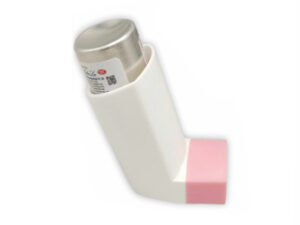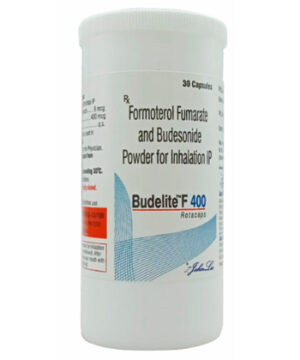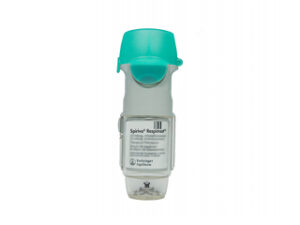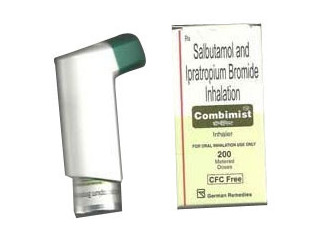

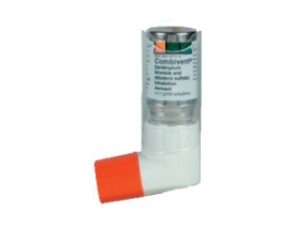
Combimist L Inhaler (Levosalbutamol + Ipratropium) – Patient Information (Australia)
Combimist L Inhaler is an inhaled medicine used to help open the airways and make breathing easier in people with obstructive lung conditions. It contains two bronchodilators: levosalbutamol and ipratropium. Together, they work in the airways to improve airflow, reduce symptoms such as wheeze and shortness of breath, and support day-to-day management of chronic breathing problems.
This page provides general, patient-friendly information about Combimist L Inhaler. Always follow the directions provided by your healthcare professional and the product packaging.
At a glance
- Medicine type: Bronchodilator combination (inhaler)
- Common uses: Symptom relief in obstructive airway diseases (often COPD and related conditions)
- Key ingredients: Levosalbutamol + Ipratropium
- How it works: Relaxes airway muscles and reduces bronchospasm
- How to take: Inhalation using the device correctly for best benefit
- Common side effects: Tremor, nervousness, dry mouth, headache
What is Combimist L Inhaler?
Combimist L Inhaler is a multi-dose inhalation device that delivers medicine directly into the lungs. Because the medicine is inhaled, it acts mainly in the airways where it’s needed, with less exposure to the rest of the body compared with many oral medicines.
Active components (typical combination):
- Levosalbutamol – a fast-acting bronchodilator that helps relax the muscles around the airways.
- Ipratropium – an anticholinergic bronchodilator that helps reduce bronchospasm.
Availability and exact strengths can vary by product presentation. Check the label for the dose per actuation and the specific device instructions.
How it works (mechanism of action)
Breathing problems such as chronic obstructive pulmonary disease (COPD) involve airway narrowing and increased airway resistance. Combimist L Inhaler combines two complementary medicines:
-
Levosalbutamol (beta-2 agonist action)
- Stimulates beta-2 receptors in airway smooth muscle.
- Activates processes that lead to relaxation of airway muscles.
- Helps open the airways and improves airflow.
- Works relatively quickly to ease symptoms like wheeze and breathlessness.
-
Ipratropium (anticholinergic action)
- Blocks muscarinic receptors in the airways.
- Reduces the effects of acetylcholine, which contributes to bronchoconstriction.
- Helps prevent or reduce airway tightening.
- Often provides benefit that complements the beta-2 agonist.
Combination benefit: Using both medicines together can improve symptom control more effectively than either component alone for many patients with obstructive airway disease.
Pharmacokinetics (how the body handles the medicine)
Pharmacokinetics describes what the body does to a medicine—absorption, distribution, metabolism, and elimination. Because Combimist L is inhaled, much of the medicine acts locally in the lungs, with smaller portions absorbed into the bloodstream.
Absorption
- Local lung deposition: The inhaled dose deposits onto the airways, producing a therapeutic effect where needed.
- Systemic absorption: Some medicine may be absorbed into the bloodstream after inhalation, but overall systemic exposure is usually lower than with oral dosing.
Distribution
- Both components can distribute after absorption; however, their main therapeutic action is in the respiratory tract.
Metabolism
- Levosalbutamol is metabolised primarily in the body (e.g., by conjugation pathways).
- Ipratropium is metabolised to inactive metabolites.
Elimination
- Metabolites are mainly eliminated through the kidneys (urine) and, to a lesser extent, via other pathways.
Important note: Individual responses vary. Age, kidney function, other medicines, and inhaler technique can affect how much medicine reaches the lungs and how strong the effect feels.
What is Combimist L Inhaler used for?
Combimist L Inhaler is used to relieve breathing symptoms associated with obstructive airway disease, particularly when a bronchodilator combination is appropriate.
In Australia, inhaler treatment plans are often individualised based on your diagnosis (commonly COPD and other obstructive conditions), symptom severity, and risk of flare-ups.
Typical indications (common clinical use)
- Symptomatic relief of breathlessness, wheeze, and reduced airflow in obstructive lung conditions.
- Maintenance therapy support for some patients where combination bronchodilation is recommended as part of a broader management plan.
- Support during periods of increased symptoms as directed by your clinician.
If you are unsure whether Combimist L is right for your specific condition, ask your pharmacist or doctor.
How soon does it work? Timing and onset
Most bronchodilators in this class provide noticeable improvement relatively quickly.
- Onset: You may feel relief within minutes after inhalation.
- Peak effect: Often occurs after a short interval as the medicine settles in the airways.
- Duration: The benefit can last for several hours, but timing differs between individuals and between doses.
Seek urgent medical care if your breathing rapidly worsens, you cannot speak comfortably, your lips or face look bluish, or your rescue medicines are not working as usual.
Dosing and how to take Combimist L Inhaler
Dosing depends on your diagnosis, symptom severity, and inhaler device instructions. Use only the dose stated on your product label or advised by your healthcare professional.
Typical dosing approach (general guidance)
- Adults: Common regimens involve multiple inhalations per day at consistent intervals.
- Children: Use in children should be guided by a clinician based on age and diagnosis.
Do not change your dose without medical advice. If you need it more frequently than usual, it may mean your condition is not adequately controlled.
Practical inhaler tips (to get the most benefit)
- Use correct technique: Incorrect technique can mean less medicine reaches your lungs.
- Prepare the dose: Follow the device instructions exactly (e.g., priming, shaking if required, and proper actuation timing).
- Slow, deep inhalation: Breathe in slowly and deeply when activating the inhaler to help delivery to the airways.
- Breath-hold (if advised): Holding your breath for a few seconds after inhalation can improve deposition.
- Rinse mouth if appropriate: While this combination is not a steroid inhaler, good oral hygiene after inhalation can help reduce mouth irritation. If you wear dentures, remove and rinse afterward.
If you are unsure about technique, ask your pharmacist to observe how you use it.
Food interactions
Because Combimist L is delivered to the lungs, food is less likely to directly affect how it works. In general:
- No specific food restrictions are usually required.
- Take inhalations at times that fit your routine.
- If your stomach is upset, choose a time when you feel comfortable to reduce coughing or difficulty inhaling.
Always check the product information if you have special dietary needs or gastrointestinal conditions.
Alcohol interactions
There are no widely expected direct interactions between Combimist L Inhaler and moderate alcohol for most patients. However, alcohol can affect your breathing pattern and may worsen certain conditions.
- Moderation is sensible—especially if you have COPD or asthma-like symptoms.
- Avoid heavy drinking if you notice increased breathlessness, dizziness, or sleep disruption.
- If alcohol triggers your symptoms or affects adherence to your treatment plan, discuss this with your clinician.
Medicine interactions (important)
Combimist L includes two bronchodilators, and interactions can occur with other medicines. Always tell your pharmacist about all medicines you use, including over-the-counter products and herbal supplements.
Common interaction categories to be aware of
-
Other beta-agonists
- Using multiple beta-agonist medicines together may increase the risk of side effects such as tremor or fast heartbeat.
-
Anticholinergic medicines (some allergy, bladder, or breathing medicines)
- Combining anticholinergic effects may increase dry mouth, constipation, or urinary retention in susceptible people.
-
Heart rhythm medicines or medicines affecting the heart
- Discuss if you have arrhythmias, heart disease, or take cardiac medications, especially if you experience palpitations.
-
Diuretics (“water tablets”) and corticosteroids
- Certain combinations can affect blood potassium levels, which may matter if you have risk factors.
-
Non-selective beta-blockers
- Some beta-blockers can reduce bronchodilator effects. If you take beta-blockers, confirm with your doctor or pharmacist.
Seek advice urgently if you have new or severe palpitations, chest pain, severe headache, or fainting.
Safety profile: side effects and what to do
Like all medicines, Combimist L Inhaler can cause side effects. Not everyone gets them. Most effects are mild and resolve as your body adjusts.
Common side effects
- Tremor or shakiness
- Nervousness or restlessness
- Headache
- Dry mouth
- Throat irritation
Less common but important side effects
- Fast heartbeat or palpitations
- Muscle cramps (may be related to changes in potassium levels in some situations)
- Glaucoma warning signs (see below)
- Urinary difficulty in people with prostate or bladder problems
When to seek urgent help
Get urgent medical assistance if you experience:
- Sudden worsening breathing or severe wheeze shortly after using the inhaler
- Swelling of face/lips, hives, or signs of severe allergy
- Chest pain, fainting, or severe irregular heartbeat
- Eye pain or sudden vision changes (especially if you have glaucoma risk)
Special safety considerations
- Glaucoma or urinary retention risk: Anticholinergic medicines can rarely worsen narrow-angle glaucoma or contribute to urinary retention. Tell your clinician if you have these conditions.
- Diabetes: Beta-agonists can rarely affect blood sugar. Monitor if you have diabetes and notice changes.
- Heart disease: If you have heart rhythm problems, discuss monitoring and what symptoms to watch for.
- Pregnancy and breastfeeding: Discuss with your clinician for individualised advice.
Practical use tips for best results
- Plan your doses: Use your inhaler at consistent times to maintain symptom control.
- Check technique regularly: A small technique error can reduce effectiveness.
- Keep track of symptom changes: If you are needing extra doses, it may indicate your disease is flaring.
- Don’t skip controller medications: If you’re also using a preventer inhaler (e.g., inhaled steroid), continue it as prescribed—Combimist L is typically used as a bronchodilator.
- Know your action plan: Ask your healthcare professional what to do during flare-ups.
- Store properly: Follow storage instructions on the pack (generally keep in a cool, dry place, away from direct heat and moisture).
Alternative options (depending on diagnosis)
There are several inhaled treatments for obstructive lung disease. Alternatives depend on your specific diagnosis (e.g., COPD vs asthma), severity, and symptom pattern. Your clinician may consider:
Bronchodilator options
- Short-acting beta-agonists (SABA) – for quick symptom relief.
- Short-acting anticholinergics – helps reduce bronchospasm.
- Combination inhalers – other fixed-dose bronchodilator combinations may be available.
- Long-acting bronchodilators – such as long-acting beta-agonists (LABA) and long-acting muscarinic antagonists (LAMA) for maintenance in COPD.
Other maintenance medicines (common in COPD)
- Inhaled corticosteroids for selected patients (often those with exacerbation history or additional indicators).
- Triple therapy inhalers (LABA + LAMA + inhaled corticosteroid) for some patients.
Your pharmacist can help you compare options available in Australia based on your treatment plan.
Market and legal context in Australia
In Australia, respiratory medicines are regulated through the Therapeutic Goods Administration (TGA). Inhaler availability can differ depending on whether a medicine is listed for supply without restricted scheduling, or whether it requires professional guidance under Australian scheduling rules.
Some inhalers are typically supplied under pharmacist guidance, while others may require a doctor’s involvement depending on current regulatory classification and product-specific requirements. Always check the product listing on the pharmacy website and follow any required screening questions at checkout.
Quality and authenticity: Using medicines from reputable Australian pharmacies helps ensure appropriate supply chain handling, correct product identification, and consumer protections.
Recent guidance and best-practice reminders (general)
Clinical guidance for obstructive lung disease continues to emphasise:
- Correct inhaler technique as a key factor in effectiveness.
- Individualised stepwise therapy based on symptom control and exacerbation risk.
- Smoking cessation support for people with COPD (if applicable).
- Regular review of inhaler use, symptoms, and side effects.
- Vaccinations (e.g., influenza and pneumococcal) where recommended for COPD risk reduction.
Your local clinical team can provide the most up-to-date, condition-specific plan.
Delivery and availability (Australia)
Combimist L Inhaler may be available through authorised Australian online pharmacies, subject to stock levels and product presentation. Delivery options can vary by provider and location (e.g., metro vs regional delivery timelines).
- Check product page availability: Stock status and pack sizes are usually shown on the listing.
- Shipping timeframes: Typically depend on the pharmacy’s dispatch schedule and carrier.
- Cold chain: Inhalers generally do not require refrigeration, but follow storage instructions on the pack.
Tip: If you are using Combimist L as part of daily symptom control, order early so you don’t run out.
Storage and disposal
- Storage: Keep the inhaler in a cool, dry place. Avoid excessive heat and moisture.
- Protect from contamination: Keep the mouthpiece clean and use as directed.
- Disposal: Dispose of used or expired inhalers according to local pharmacy or waste instructions. If unsure, ask your pharmacist.
FAQ – Combimist L Inhaler
1) Is Combimist L Inhaler for asthma or COPD?
Combimist L is generally used for obstructive airway conditions where bronchodilator combination therapy is appropriate. The best answer depends on your diagnosis and treatment plan. Ask your clinician if you’re unsure whether your condition is COPD, asthma, or another obstructive condition.
2) How many times a day should I use it?
Follow the dosing schedule on your pack or as directed by your healthcare professional. If you miss a dose, take it when you remember unless it’s close to the next scheduled dose—then skip the missed dose and continue your usual schedule. Do not double dose.
3) What if it doesn’t work as well as before?
If your breathing is not improving or symptoms are getting worse, don’t just increase doses without advice. It may indicate an exacerbation, technique issue, or need for a different treatment plan. Contact your pharmacist or doctor for review.
4) Can I use Combimist L with my other inhalers?
Often, multiple inhalers are used together in COPD management (for example, long-acting bronchodilators or preventers). However, the exact combination matters. Tell your pharmacist which inhalers you use and how often.
5) Will Combimist L cause tremor or a fast heartbeat?
Tremor and palpitations can occur due to the beta-agonist component. If symptoms are mild, they often settle. If they are severe, persistent, or accompanied by chest pain or fainting, seek urgent medical help.
6) Can I take it with food or after meals?
Food is not typically expected to affect how this inhaled medicine works. You can usually take your dose at any time, including after meals, unless your clinician advised otherwise.
7) Can I drink alcohol while using Combimist L?
Moderate alcohol is not commonly associated with direct interactions, but alcohol can worsen breathing for some people. If alcohol makes your symptoms worse, reduce intake and discuss with your clinician.
8) What side effects should I watch for with ipratropium?
Dry mouth and throat irritation are among the more common effects. Rarely, anticholinergic medicines can affect eyes (glaucoma symptoms) or urination (urinary retention), particularly in people with predispositions.
9) Do I need to rinse my mouth?
Rinsing is optional for many non-steroid inhalers, but maintaining good mouth hygiene is always helpful. If you use inhaled corticosteroids as well, follow the standard advice for mouth rinsing after steroid inhalers.
10) When should I seek emergency care?
Seek emergency care if you have severe difficulty breathing, you cannot speak in full sentences, your breathing rapidly worsens, you have chest pain, fainting, signs of severe allergy, or sudden eye pain/vision changes.
Summary
Combimist L Inhaler is a dual bronchodilator inhalation medicine combining levosalbutamol and ipratropium to help relax airway muscles and reduce bronchospasm. When used correctly and consistently, it can provide symptom relief for obstructive lung conditions. As with all respiratory medicines, correct inhaler technique, adherence to your personalised plan, and prompt action if symptoms worsen are key to safe and effective treatment.
| Category | What to know |
|---|---|
| Medicine type | Inhaled bronchodilator combination (levosalbutamol + ipratropium) |
| Main benefit | Improves airflow and relieves breathlessness/wheeze by opening airways |
| Onset | Often within minutes after inhalation |
| Typical use | Symptom relief and support in obstructive airway disease (based on individual plan) |
| Food interactions | Usually none expected; take at convenient times |
| Alcohol interactions | No common direct interaction, but heavy drinking may worsen breathing in some people |
| Common side effects | Tremor, nervousness, dry mouth, headache |
| Key safety watch-outs | Palpitations, severe allergic reaction, glaucoma/urinary issues in at-risk patients |
Always read the consumer medicine information (CMI) provided with your product for complete details on dosing, side effects, and device-specific instructions.