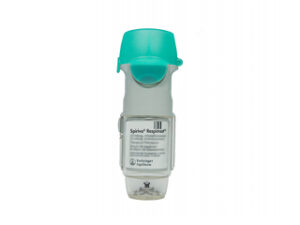
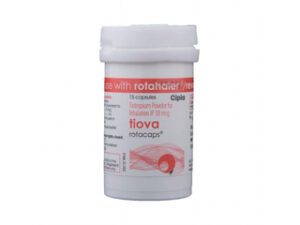
Tiova Inhaler (Tiotropium Bromide) – Patient Guide (Australia)
Tiova Inhaler contains tiotropium bromide, a medicine used to help open the airways and make breathing easier in certain long-term lung conditions. It is a long-acting bronchodilator (an anti-spasm medicine for the airways) that works in the lungs to reduce symptoms such as breathlessness.
This guide explains how Tiova Inhaler works, when it’s used, how to take it correctly, important safety information, and common questions. It is written for patients in Australia.
Key Product Information
- Medicine: Tiotropium bromide
- Brand: Tiova Inhaler
- Medicine type: Long-acting antimuscarinic/bronchodilator
- How it’s taken: Inhalation (breathed into the lungs)
- Typical dosing frequency: Often once daily (depending on the specific device/strength prescribed)
- Common uses: Chronic obstructive pulmonary disease (COPD); also used for maintenance treatment in some patients with asthma as advised by a clinician
Note: The exact dose and device instructions can differ by Tiova inhaler type (for example, cartridge or other inhaler systems). Always follow the instructions provided with your specific product.
How Tiova Inhaler Works (Mechanism of Action)
Tiotropium bromide is an antimuscarinic medicine. In the airways, there are receptors (muscarinic receptors) that can tighten the bronchial muscles and increase mucus production. Tiotropium blocks these receptors, which helps:
- Relax the airway muscles (bronchodilation)
- Reduce airway narrowing and improve airflow
- Help prevent symptoms from recurring throughout the day
Because it is long-acting, the benefit typically lasts around the full day when taken correctly.
Pharmacokinetics (What the Body Does to the Medicine)
Understanding how tiotropium behaves in the body can help explain why it’s effective with once-daily dosing.
- Absorption: Tiotropium delivered via inhalation primarily acts locally in the lungs. Only a portion is absorbed into the bloodstream.
- Distribution: Once absorbed, it distributes through the body. A key feature is its strong binding to muscarinic receptors in lung tissue.
- Metabolism: Tiotropium is not extensively metabolised. The majority of its activity comes from the drug itself rather than breakdown products.
- Elimination: Tiotropium is largely eliminated through the kidneys. This means kidney function may be relevant for some patients.
- Onset and duration: Patients may notice improvement relatively quickly, but the medicine is designed mainly for maintenance control over the day.
Individual results can vary, particularly depending on severity of disease, inhaler technique, and adherence.
Typical Use in Australia
Tiova Inhaler is commonly used for long-term control of symptoms in:
- COPD (Chronic Obstructive Pulmonary Disease): Helps improve airflow and reduce breathlessness and other symptoms in maintenance therapy.
- Asthma (selected patients): In some cases, a long-acting bronchodilator may be added to help control symptoms. Use in asthma should follow a personalised management plan.
Tiova Inhaler is not intended to replace quick-relief medicines for sudden attacks (for example, short-acting inhalers). If you experience sudden worsening of breathing, follow your action plan.
Indications (What It Treats)
The main indication for tiotropium inhaled therapy is long-term maintenance in obstructive lung disease, particularly:
- COPD: Maintenance bronchodilator treatment to relieve symptoms and improve quality of life.
- Asthma: Maintenance treatment in appropriate patients under a clinician’s guidance.
If you’re unsure whether Tiova is right for you, check with your healthcare professional.
Dosing and How to Take Tiova Inhaler
Important: The correct dose depends on the exact Tiova inhaler type and strength. Always use the dose and frequency written for you.
Typical dosing frequency
- Adults (common regimen): Often once daily via inhalation for maintenance therapy.
- Children: Use may be limited to specific age groups depending on product formulation and clinical guidance.
Timing – when to use
- Try to take Tiova at the same time each day to maintain steady benefit.
- You can take it with or without food.
- If you miss a dose: take it as soon as you remember unless it is close to your next dose. Do not double to make up for a missed dose.
Practical inhaler technique tips
Correct inhaler technique is crucial for the medicine to reach the lungs. If your inhaler instructions differ from the steps below, follow the product-specific leaflet.
- Prepare: Remove the cap and ensure the inhaler is ready for use.
- Breathe out gently: Away from the mouthpiece.
- Seal lips around the mouthpiece: Keep the tongue clear.
- Inhale steadily and deeply: This helps draw the medicine into your lungs.
- Hold your breath: Hold for about 10 seconds if comfortable.
- Exhale slowly: Remove the inhaler and breathe out gently.
- Close/secure the device: Return the cap or replace the cartridge as instructed.
Tip: If you often cough during use, check technique (or ask your pharmacist for a demonstration). Some coughing can be expected, but frequent difficulty may indicate a technique issue.
Food Interactions
Tiova Inhaler is inhaled, and systemic exposure is limited compared with swallowed medicines. As a result, food interactions are generally not a concern for tiotropium inhalation.
- Can it be taken with food? Yes. You can take it before or after meals.
- Absorption effects: Food is not expected to significantly change absorption from the lungs.
If your clinician has advised a specific routine, follow that plan.
Alcohol and Medicine Interactions
There are no well-established direct interactions between tiotropium inhalation and alcohol. However, alcohol may worsen breathing symptoms in some people—especially if COPD or asthma is already uncontrolled.
- Alcohol: Generally not known to interact directly, but consider moderating intake.
- Breathing control: Alcohol can contribute to airway irritation or sedation effects, depending on your overall health and other medicines.
If you drink alcohol, pay attention to how you feel and follow your general medical advice.
Medicine interactions to consider
Tiotropium may interact with other medicines that affect the same pathways in the body (antimuscarinic effects) or with certain inhaled therapies. Always tell your healthcare professional about all medicines you use, including:
- Other anticholinergic/antimuscarinic medicines (inhaled or tablets)
- Other inhalers used for COPD/asthma
- Any medications for urinary symptoms (for example, antimuscarinics)
- Medicines that affect kidney function (if relevant to your situation)
Taking multiple bronchodilators is common in COPD and asthma, but the exact combination should match your management plan.
Safety Profile and Side Effects
Like all medicines, Tiova Inhaler can cause side effects, although not everyone gets them. Many inhaled bronchodilators are generally well tolerated when used correctly.
Common side effects
These may occur during early treatment or after dose changes:
- Dry mouth
- Cough or throat irritation
- Constipation or digestive discomfort
- Headache
Less common but important side effects
- Dizziness
- Urinary retention (difficulty passing urine), particularly in people prone to urinary problems
- Vision changes or eye pain (uncommon)
- Allergic reactions such as rash, swelling, or breathing difficulty (seek urgent care)
When to seek urgent medical help
- Severe allergic reaction symptoms (e.g., facial swelling, hives, wheezing)
- Sudden severe worsening of breathing
- Severe eye pain or sudden vision changes (possible glaucoma-related symptoms)
- Inability to pass urine with discomfort
Who should take extra care?
Tell your clinician if you have any of the following:
- Glaucoma or narrow-angle eye conditions
- Enlarged prostate or difficulty urinating
- Kidney disease
- Heart rhythm problems or significant heart disease
Your healthcare professional can help weigh benefits and risks for your specific situation.
Practical Use Tips for Best Results
- Check your inhaler technique regularly: Even small technique changes can affect how much medicine reaches your lungs.
- Use a spacer if recommended: Some inhalers and situations may involve spacers. Follow product advice and clinician guidance.
- Keep track of doses: Setting a daily reminder can support adherence.
- Don’t stop suddenly: Tiova Inhaler is usually used as maintenance therapy. If you want to stop, discuss it with your clinician first.
- Know your action plan: Keep your reliever inhaler available if you have one, and follow your COPD/asthma plan for flare-ups.
- Rinse your mouth when appropriate: Dry mouth may occur with antimuscarinics, so good oral hygiene helps. (Rinsing is especially important with some steroid inhalers, though tiotropium itself is not a steroid.)
- Store correctly: Follow storage instructions on the pack. Keep out of reach of children.
Alternative Options (If Tiova Is Not Suitable)
COPD and asthma management often involves several inhaler options. Alternatives may include:
- Other long-acting bronchodilators (for example, long-acting beta2-agonists)
- Different antimuscarinic medicines (other long-acting or short-acting anticholinergics)
- Combination inhalers that include bronchodilators, and for some patients, inhaled corticosteroids
The “best” alternative depends on your diagnosis, symptom pattern, inhaler preference, side effects, and how well your current regimen controls your condition. Your healthcare professional can advise the most appropriate switch.
Market and Legal Context for Australia (High-Level)
In Australia, medicines and inhalers are regulated under the Therapeutic Goods Administration (TGA). Tiova Inhaler is supplied in accordance with Australian regulatory and pharmacy requirements. Availability can vary by:
- Prescriber and pharmacy policies
- Device type and pack size
- Stock levels and supply chains
Online pharmacy supply is subject to Australian consumer and supply rules. Your order will be fulfilled according to current availability and product packaging.
Recent Guidance and Ongoing Care Considerations
Lung disease treatment recommendations in Australia evolve as new evidence emerges. Ongoing best practice generally includes:
- Regular review of inhaler technique and adherence
- Stepwise optimisation of maintenance therapy based on symptoms and lung function where relevant
- Smoking cessation support for COPD (if applicable)
- Vaccinations and prevention strategies where recommended for COPD/asthma (e.g., influenza and pneumococcal vaccines for eligible patients)
If you’re not improving as expected, ask your clinician or pharmacist to review your inhaler technique and overall treatment plan.
Delivery and Availability (Online Pharmacy Information)
Tiova Inhaler is available through Australian pharmacy services subject to stock and fulfilment processes. Delivery times vary depending on your location and current demand.
- Check product details: Confirm the exact Tiova inhaler type/strength before ordering.
- Packaging: You may receive the standard retail pack and leaflet as supplied in Australia.
- Delivery: Typically dispatched promptly when in stock.
- Out of stock: If temporarily unavailable, you may be offered alternatives or informed about restock timing (depending on store policy).
If you have questions about availability or delivery, contact customer support on the pharmacy page.
Frequently Asked Questions (FAQ)
1. Is Tiova Inhaler a reliever or a preventer?
Tiova Inhaler is used for maintenance control and does not usually act as a quick reliever for sudden breathlessness. You should have a separate reliever inhaler if your action plan includes one. If your symptoms suddenly worsen, follow your asthma/COPD action plan and seek urgent care if severe.
2. How long does it take to work?
Some people feel relief sooner, but the medicine is mainly designed for day-to-day symptom control. Consistent daily use is important for best results. If you don’t notice improvement after a reasonable trial, ask your clinician to review treatment.
3. What if I miss a dose?
Take it when you remember unless it is close to the next scheduled dose. Do not double up. If you’re unsure, ask your pharmacist.
4. Can I use Tiova Inhaler with other inhalers?
Many people with COPD or asthma use more than one inhaler. Common combinations include other long-acting bronchodilators and, for some patients, inhaled corticosteroids. To avoid duplicating similar medicines, ensure your regimen matches your healthcare plan.
5. Will Tiova Inhaler cause dry mouth?
Dry mouth is a known possible side effect of antimuscarinic medicines. Staying hydrated and maintaining good oral hygiene can help. If dry mouth is bothersome, discuss options with your clinician or pharmacist.
6. Can Tiova Inhaler be used in older adults?
Many older adults use tiotropium inhalers safely, but kidney function and overall health should be considered. Your clinician or pharmacist can advise based on your situation.
7. Are there food interactions?
Generally, no. Tiova Inhaler can be taken with or without food because it is delivered to the lungs.
8. Does alcohol affect Tiova Inhaler?
Direct interactions are not widely recognised. However, alcohol can affect breathing and may worsen symptoms for some people. Use moderation and monitor how you feel.
9. What should I do if I experience side effects?
Mild effects can often settle. If side effects are persistent, worsening, or concerning (such as trouble urinating, eye pain, or signs of allergy), seek medical advice promptly.
10. How do I know my inhaler technique is correct?
Ask your pharmacist to watch you use your inhaler. Common signs of poor technique include not inhaling deeply enough, not sealing the mouthpiece, or not holding your breath after inhalation.
Summary Table – Quick Reference
| Topic | What to know |
|---|---|
| Medicine | Tiotropium bromide (Tiova Inhaler) |
| Type | Long-acting antimuscarinic/bronchodilator |
| Main benefit | Helps open airways and improves long-term symptom control |
| Typical use | COPD maintenance; selected asthma patients as part of a plan |
| Timing | Often once daily at the same time each day; follow your product instructions |
| Food | No significant food interactions are expected |
| Alcohol | No clear direct interaction; alcohol may affect breathing in some people |
| Common side effects | Dry mouth, throat irritation/cough, constipation |
| Technique matters | Correct inhalation helps ensure the medicine reaches the lungs |
| Emergency signs | Allergy symptoms, severe worsening breathing, eye pain/vision changes, urinary retention |
Always follow the instructions provided with your Tiova Inhaler device. If you have questions about how to use it or whether it suits your condition, speak with your pharmacist or healthcare professional.