CellCept® (Mycophenolate mofetil) — Patient Information (Australia)
CellCept® is a medicine used to help prevent your immune system from attacking transplanted organs and in some immune-related conditions. This guide explains how CellCept works, how it’s taken, common safety issues, and practical tips for everyday use. It is written for people in Australia and focuses on patient-friendly information.
Always follow the advice of your healthcare team. If you have questions about your specific situation, dosing, or monitoring, speak with your doctor or pharmacist.
1) Basic product information
| Category | Details |
|---|---|
| Medicine name | CellCept® |
| Generic name | Mycophenolate mofetil |
| Type | Immunosuppressant (antimetabolite) |
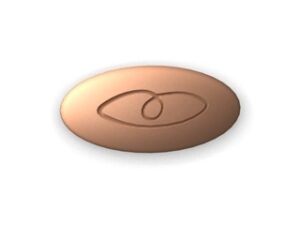
| Common forms (varies by supplier) | Tablets/capsules and oral liquid (some brands may differ) |
| How it works | Reduces lymphocyte proliferation by interfering with purine synthesis |
Note: Brand strength and dosage form can differ. Your pharmacy label will specify the exact strength and instructions for your product.
2) How CellCept works (mechanism of action)
CellCept contains mycophenolate mofetil, which is converted in the body to its active form, mycophenolic acid (MPA). MPA works by selectively reducing the production of DNA building blocks required for the growth of immune cells—especially certain types of white blood cells (lymphocytes).
By limiting lymphocyte replication, CellCept helps your immune system become less active, which can reduce the risk of:
- Organ rejection after transplantation
- Immune-driven disease activity in some conditions where specialist doctors use mycophenolate
3) Pharmacokinetics (how the body handles the medicine)
Pharmacokinetics describes what the body does to the drug (absorption, distribution, metabolism, and elimination). Key points include:
- Absorption & conversion: Mycophenolate mofetil is absorbed and then converted to mycophenolic acid (MPA).
- Protein binding: MPA is highly bound to plasma proteins. Changes in protein levels or disease states can influence drug exposure.
- Metabolism: MPA is metabolised primarily through glucuronidation to form an inactive metabolite (MPAG).
- Enterohepatic recirculation: MPA and its metabolites can be recycled through the digestive system, which may affect blood levels over time.
- Elimination: The metabolites are cleared mainly through the kidneys and biliary routes.
Monitoring: Many patients do not need routine blood level testing. However, your clinician may monitor blood counts and kidney/liver function regularly. In some situations, drug level monitoring may be used to optimise therapy.
4) Typical uses in Australia
In Australia, CellCept is used in clinical practice under specialist supervision for:
- Prevention of organ rejection in transplant recipients, usually as part of a combination regimen (commonly with other immunosuppressants).
- Immune-mediated conditions (depending on local specialist protocols and approvals), where mycophenolate is considered appropriate.
Your exact indication depends on your diagnosis and transplant type. If you’re unsure why you were started on CellCept, ask your doctor or pharmacist.
5) When to take CellCept (timing and consistency)
Consistency is important for medicines that suppress immune activity. Use your pharmacy label and your doctor’s instructions as the primary guide.
- Regular schedule: Take CellCept at the same times each day.
- Do not double up: If you miss a dose, take it as soon as you remember unless it’s close to the next dose. Then skip the missed dose and continue normally.
- Long-term therapy: Many patients take CellCept for extended periods, especially after transplant.
If you miss multiple doses or have vomiting/diarrhoea that affects absorption, contact your healthcare team for guidance.
6) Food interactions
Food may affect the absorption of CellCept depending on the formulation.
- General advice: Follow the specific directions on your product label.
- Stability of routine: Take CellCept consistently with respect to meals (for example, either always with food or always on an empty stomach), unless your prescriber/pharmacist instructed otherwise.
- If you have stomach upset: Persistent nausea, diarrhoea, or abdominal discomfort can affect how much medicine is absorbed. Seek advice—especially if symptoms are severe or last more than a few days.
Practical tip: If your instructions are unclear, ask your pharmacist whether you should take your specific CellCept formulation with or without food.
7) Alcohol and medicine interactions
Alcohol
CellCept itself is not specifically “alcohol-prohibited” for most people, but alcohol can worsen certain risks (such as dehydration, liver stress, and infection risk due to impaired immunity).
- Best approach: Limit alcohol and avoid binge drinking.
- Ask your doctor: If you have liver disease, are taking other medicines that affect the liver, or you’re unsure how alcohol could affect your transplant medications.
Important medicine interactions (common examples)
Mycophenolate has several clinically important interactions. Tell your doctor and pharmacist about all medicines you take, including over-the-counter products, vitamins, and herbal remedies.
- Antacids (aluminium or magnesium-containing): May reduce absorption of mycophenolate.
- Cholestyramine: Can reduce MPA levels by interrupting enterohepatic recirculation.
- Rifampicin: May reduce exposure by affecting metabolism/transport processes.
- Some antibiotics: Changes in gut bacteria may alter mycophenolate metabolism and exposure (for example, in some cases broad-spectrum antibiotics can increase or decrease effects—monitoring may be needed).
- Live vaccines: Because CellCept suppresses the immune system, live vaccines are generally avoided. Discuss vaccination timing with your healthcare team.
- Other immunosuppressants: Combination therapy is common after transplant, but increases infection and blood-related risks.
- Drugs affecting blood cell counts: Other medicines that lower white cells or platelets can add risk.
Always check: If you’re starting, stopping, or changing any medicine, ask your pharmacist whether an interaction is possible with mycophenolate.
8) Indications (what it may be used for)
CellCept is indicated for immunosuppression in settings where reducing immune activity is beneficial. Indications in practice may include:
- Solid organ transplant: prevention of acute rejection in kidney, heart, liver, and other transplant contexts depending on specialist protocols and approvals.
- Selected immune-mediated diseases: for certain inflammatory or immune-driven conditions when the benefits outweigh risks and when monitored by specialists.
If you are using CellCept for an immune condition outside transplant, your monitoring schedule may differ—follow your specialist’s plan.
9) Dosing: how CellCept is typically prescribed
Dosing is highly individual. It depends on your diagnosis, transplant type, kidney function, other medications, age, and how you tolerate side effects. The dose below is a general overview—not a personal dosing instruction.
General dosing principles
- Two-times daily regimens are common: Many patients take CellCept in divided doses (morning and evening).
- Adjustments may be needed: If blood counts fall too much (neutropenia, anaemia, low platelets), the dose may be reduced or temporarily stopped under medical direction.
- Renal impairment: People with reduced kidney function may need dose review and closer monitoring.
- Children: Paediatric dosing can differ based on body surface area and specialist guidance.
Typical adult dosing patterns (illustrative)
For many transplant regimens, mycophenolate mofetil is commonly prescribed as a total daily dose divided into two doses. Your doctor will specify your exact dose.
- Prevention of rejection: commonly around 1 g twice daily for adults in many regimens (actual dosing varies).
- Other immune conditions: dosing may differ depending on the condition and response.
Important: Do not alter your dose without medical advice. If you vomit soon after taking a dose, contact your pharmacist/doctor for advice on whether to repeat the dose.
10) Safety profile: key risks and warning signs
Because CellCept suppresses immune activity, its main risks involve infection and bone marrow suppression (leading to low blood cells). Your healthcare team will usually schedule regular blood tests.
Common side effects
- Gastrointestinal symptoms: diarrhoea, nausea, abdominal discomfort
- Low blood counts: reduced white blood cells or anaemia (often detected on blood tests)
- Increased infection risk: minor infections may occur more frequently
- Headache or fatigue (less commonly)
Serious side effects (seek urgent medical care)
- Signs of serious infection: fever, chills, severe cough, shortness of breath, painful urination, or any rapidly worsening symptoms
- Unusual bruising or bleeding: could indicate low platelets
- Severe persistent diarrhoea or inability to keep fluids down
- Allergic reaction: swelling of face/lips, rash with breathing difficulty
Long-term safety considerations
- Malignancy risk: Long-term immunosuppression can increase the risk of certain cancers, including skin cancers and lymphoproliferative disorders. Regular screening and sun protection are important.
- Reproductive effects: CellCept can affect pregnancy outcomes. If you are trying to conceive, pregnant, or breastfeeding, discuss risks and contraception with your healthcare team.
- Teratogenic risk: Mycophenolate is associated with fetal harm; women and men are usually advised on effective contraception during treatment and for an agreed period afterwards.
11) Monitoring: what blood tests and follow-up may be needed
Monitoring helps your doctor balance benefit and safety. Common monitoring includes:
- Full blood count (FBC): to check white cells, haemoglobin, and platelets
- Liver function tests: especially if you have liver concerns or additional interacting medicines
- Kidney function: important for transplant patients and for safe dosing of other medicines
- Clinical review: to check infection symptoms, hydration status, and tolerability
- Mycophenolate level testing (in selected cases): sometimes considered if drug exposure is suspected to be off-target or there are adherence/absorption concerns
Keep all appointments and inform your team promptly if you develop new symptoms.
12) Practical use tips (day-to-day guidance)
Handling and administration
- Take as directed: follow the exact dose and schedule on your label.
- Do not crush or open unless told: some formulations should not be altered. Ask your pharmacist if you have difficulty swallowing.
- Keep consistent with timing: choose times that you can maintain daily.
Reduce infection risk
- Practice good hygiene: handwashing, avoid close contact with sick people when possible.
- Seek early advice: infections may progress faster when immune responses are reduced.
- Vaccinations: discuss vaccines with your healthcare team—especially before travel or during outbreaks.
Blood count precautions
- Report bruising/bleeding: and contact your doctor if you feel unusually weak or notice blood in stool/urine.
- Watch for mouth ulcers: persistent painful sores may reflect low immunity.
Skin protection
- Sun safety: use sunscreen, hats, and protective clothing; attend skin checks as recommended.
13) Alternative options (if CellCept isn’t suitable)
Your doctor may consider alternatives based on your condition, transplant type, tolerability, and blood counts. Common immunosuppressant alternatives include other mycophenolate formulations or different drug classes. Examples that may be discussed with specialists:
- Other mycophenolate products: in some regions, different formulations may have different absorption profiles.
- Azathioprine (antimetabolite; sometimes used in specific cases)
- Calcineurin inhibitors (e.g., tacrolimus, ciclosporin) as part of combination regimens
- mTOR inhibitors (e.g., sirolimus/everolimus) in select patients
- Other immunosuppressants depending on transplant protocol and patient-specific factors
Switching drugs can require careful blood monitoring and may involve a gradual change plan. Discuss any change with your specialist team.
14) Market and legal context for Australia
In Australia, prescription-only medicines are regulated under the Australian regulatory framework. CellCept is supplied under controlled access due to its immunosuppressive effects and safety profile.
- Supply model: Many customers obtain CellCept through community pharmacies with appropriate authorisation and documentation as required.
- Quality and safety: Medicines distributed in Australia must meet regulatory standards for manufacturing, storage, and traceability.
- Patient counselling: Pharmacists typically provide guidance on dosing schedule, interactions, infection precautions, and monitoring expectations.
For the most current product-specific information (such as approved indications, consumer medicine information, and safety updates), refer to official Australian sources and the leaflet supplied with your medicine.
15) Recent guidance and safety updates (important note)
Immunosuppressants—including mycophenolate—are subject to periodic updates regarding safety monitoring, pregnancy prevention programs, and interaction warnings. Guidance may also change based on new evidence and regulatory review.
- Pregnancy prevention advice: Mycophenolate is strongly associated with risks in pregnancy, and health services may require strict contraception measures for people who can become pregnant and for male partners.
- Blood count monitoring: Updated schedules may be recommended for early detection of cytopenias.
- Infection precautions: Clinicians may reinforce early reporting of fever or infectious symptoms.
Always use the latest information in your product Consumer Medicine Information (CMI) and follow local clinical guidance from your treating team.
16) Delivery and availability in Australia
Availability can vary by supplier and stock levels. Online pharmacies typically offer:
- Checking stock availability before dispatch (where possible)
- Packaging suitable for transport with appropriate labelling
- Home delivery options where regulations allow
Delivery timeframes depend on location and courier service. If your therapy is time-sensitive (for example, you’re at risk of running out of medication), consider ordering early and setting reminders for refills.
Storage: Follow the storage instructions on your packaging. Keep medicines in a cool, dry place away from heat and moisture, and out of reach of children.
17) CellCept FAQ
How long does CellCept take to start working?
CellCept begins working after absorption and conversion to mycophenolic acid. The effect on immune activity is not immediate, and transplant/immune disease control typically develops over days to weeks. Your clinician will assess outcomes over time and adjust the regimen based on monitoring and symptoms.
What if I miss a dose?
Take the missed dose as soon as you remember unless it’s close to the next dose. Then skip the missed dose and continue normally. Do not take extra doses to “catch up.” If you miss several doses or are unsure, contact your pharmacist or doctor.
Can I stop CellCept if I feel better?
Do not stop CellCept without medical advice. Stopping suddenly can increase the risk of rejection or flare of immune disease. If side effects occur, discuss options for dose adjustment or supportive care with your healthcare team.
Does CellCept affect fertility or pregnancy?
Mycophenolate can cause harm to an unborn baby. People who can become pregnant are generally required to use effective contraception during treatment and for an agreed period after stopping. Male patients may also be advised on contraception. If you’re planning a pregnancy, talk to your specialist well in advance—never stop the medicine on your own.
Are vaccines safe while taking CellCept?
Many vaccines can be given safely, but live vaccines are usually avoided during immunosuppression. Discuss vaccination plans with your healthcare team or pharmacist so they can recommend the safest options and timing.
Can I drink alcohol?
Small amounts may be possible for some people, but alcohol can increase health risks—especially if you’re prone to infections or have liver issues. It’s best to limit alcohol and confirm with your doctor/pharmacist based on your other medications and medical history.
What should I do if I develop fever or feel unwell?
Because CellCept lowers immune activity, report fever or signs of infection promptly. Seek urgent medical care if you have high fever, shortness of breath, severe symptoms, or you feel rapidly worse.
Is there a diet I should follow?
There is no single universal diet, but good nutrition supports immune health. Follow any transplant or condition-specific diet advice you’ve been given. If diarrhoea occurs, stay hydrated and ask your clinician for advice.
What medicines should I avoid?
Several medicines can interact with mycophenolate. Common examples include certain antacids and drugs that affect absorption or gut metabolism. Always check with your pharmacist before starting new medicines, including over-the-counter products and herbal supplements.
Can I take CellCept with antacids for reflux?
Some antacids (especially those containing aluminium or magnesium) may reduce mycophenolate absorption. Ask your pharmacist for specific guidance on the antacid you use and the safest timing.
18) Summary
CellCept (mycophenolate mofetil) is an immunosuppressant used to help prevent transplant rejection and treat selected immune conditions under specialist care. It works by reducing lymphocyte proliferation, helping control immune activity. While it can be highly effective, it also increases risk of infections and can affect blood cell counts—so regular monitoring and prompt reporting of symptoms are essential.
If you’d like, you can share the strength and formulation shown on your packaging (e.g., tablets vs oral liquid) and your general treatment purpose (transplant type or immune condition). I can help you interpret dosing instructions and list the most relevant questions to ask your pharmacist.