

Clarinex (Desloratadine) – Patient Guide (Australia)
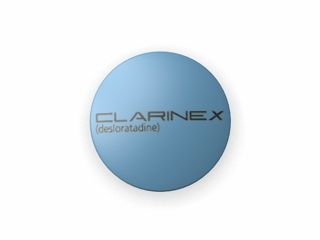
Clarinex is a well-known brand of desloratadine, an antihistamine used to relieve the symptoms of allergy. It works by reducing the effects of histamine—one of the chemicals your body releases during an allergic reaction. This guide explains how Clarinex works, when it’s taken, what to expect, and important safety information for use in Australia.
Important: Always follow the label and any health professional advice. If symptoms worsen, do not improve, or you’re unsure which product is suitable for you, speak with a pharmacist or doctor.
Basic product information
| Category | Details |
|---|---|
| Medicine | Clarinex |
| Active ingredient | Desloratadine |
| Medicine type | Non-drowsy (second-generation) antihistamine |
| Common uses | Allergic rhinitis (hay fever), urticaria (hives) |
| Typical dose frequency | Once daily (age-appropriate dosing) |
| Route | Oral tablets or oral liquid (depending on product strength/form) |
How Clarinex works (mechanism of action)
Desloratadine is a selective, long-acting antihistamine. It blocks the action of histamine at H1 receptors. Histamine is released when you encounter an allergen (such as pollen, dust mites, or pet dander) and is responsible for common allergy symptoms like:
- Sneezing
- Runny or blocked nose
- Itchy nose and throat
- Watery, itchy eyes
- Itching and rash symptoms in hives
By preventing histamine from triggering these responses, Clarinex helps control symptoms and improves comfort. Many people choose it because it is typically less likely to cause drowsiness than older antihistamines. However, individual reactions vary.
Pharmacokinetics (how the body handles it)
While you don’t need to memorise these details to use Clarinex safely, understanding the basics can help you set expectations.
- Absorption: Desloratadine is absorbed after oral dosing.
- Onset of action: Symptoms may begin to ease within the first day of use.
- Half-life: It has a long duration, supporting once-daily dosing.
- Metabolism & elimination: It is metabolised in the body and eliminated primarily via urine and faeces.
In practical terms, the long action means you usually take it only once per day, rather than multiple times.
Typical uses and indications
Clarinex is commonly used for:
- Allergic rhinitis (hay fever): Relief of symptoms such as sneezing, runny/blocked nose, itchy nose, itchy/watery eyes, and throat irritation related to allergies.
- Urticaria (hives): Relief of itching and reduction of hive number/size in chronic or recurrent hives, depending on the specific product directions and healthcare advice.
Some people also use desloratadine for other allergy-related symptoms as advised by a pharmacist or doctor. If you’re unsure whether Clarinex is right for your particular symptoms, ask a healthcare professional.
When to take Clarinex (timing and expectations)
Clarinex is generally taken once daily. Consistency tends to work best, especially during allergy seasons. You can take it at any time of day—choose a time that suits your routine.
Typical timing
- Once daily: Take the dose at about the same time each day.
- If you’re starting: You may notice symptom improvement within the first day. For full benefit, continue daily for several days during allergy flares as symptoms settle.
- For seasonal allergies: Start at the beginning of the season or when symptoms first appear.
If you miss a dose, take it when you remember unless it’s close to the next dose. Don’t take a double dose to make up for a missed one.
Food interactions
Desloratadine is usually compatible with food. In many cases, food does not significantly affect how desloratadine works. You can generally take Clarinex with or without food.
Practical tips
- If you get nausea or stomach discomfort, take it with a small meal.
- Keep to the same routine daily to help avoid missed doses.
Alcohol and medicine interactions
Desloratadine is a second-generation antihistamine and typically has a lower risk of sedation. However, alcohol may still increase the risk of dizziness or drowsiness in some people.
Alcohol
- If you plan to drink alcohol, consider using caution—especially if you are sensitive to antihistamines.
- Avoid driving or operating machinery if you feel drowsy, even if this is uncommon.
- Limit alcohol and monitor how you feel after taking Clarinex.
Other medicines
Always check the product information and speak with a pharmacist if you use other medications. In general, desloratadine has fewer interaction concerns than some other antihistamines, but interactions can still occur.
- Other antihistamines or allergy medicines: Avoid doubling up unless instructed, to reduce the risk of side effects.
- Medicines that cause drowsiness: Combining may increase tiredness in some individuals. Examples can include some cough syrups, sedatives, and certain antidepressants.
- Liver or kidney conditions: If you have significant liver or kidney impairment, ask a pharmacist whether any dose adjustments are needed.
- Other long-term medications: If you are on multiple medicines, a pharmacist can quickly check for interactions.
If you experience unusual symptoms after starting a new medicine or dose, stop and seek advice promptly.
Dosing (age-appropriate)
Dosing depends on age and the specific product form/strength. Use only the dose listed on your Clarinex pack or as directed by your pharmacist. Below are general age ranges commonly used for desloratadine products.
| Age group | Typical dose (once daily) | Notes |
|---|---|---|
| Adults and adolescents | Often 5 mg once daily | Follow the exact pack directions for tablets/liquid. |
| Children (varies by formulation) | Lower once-daily doses based on age | Use the supplied measuring device for liquid products. |
Do not exceed the recommended dose. If symptoms do not improve after several days, or if you have frequent breakthrough symptoms, speak with a healthcare professional. You may also be dealing with a condition that needs a different approach (for example, viral colds, sinus infections, or non-allergic rhinitis).
How to take Clarinex correctly
- Tablets: Swallow with water.
- Liquid: Measure accurately with the dosing syringe/cup provided.
- Regular use: For allergies, daily use during seasons often works better than waiting for severe symptoms.
Safety profile (side effects and when to get help)
Most people tolerate desloratadine well. Still, it’s important to know what to watch for. Side effects are usually mild and temporary.
Common side effects
- Headache
- Dry mouth
- Fatigue or sleepiness (less common, but can occur)
- Dizziness
- Stomach discomfort, nausea (uncommon)
Serious side effects (seek urgent medical help)
Get urgent medical attention if you experience signs of an allergic reaction, such as:
- Swelling of the face, lips, tongue, or throat
- Difficulty breathing or wheezing
- Severe rash, blistering, or widespread hives
- Fainting or severe dizziness
Who should take extra care
- Pregnancy or breastfeeding: Discuss with a pharmacist or doctor for personalised guidance.
- Kidney or liver problems: Ask for advice on safe dosing.
- Children: Use age-appropriate formulation and dosing only.
Driving and operating machinery
Clarinex is considered a lower-sedation antihistamine. However, if you feel drowsy or dizzy, don’t drive or operate machinery.
Practical use tips
These tips can improve results and help you use Clarinex more effectively:
- Take it daily during allergy seasons: Antihistamines work best when taken consistently rather than only after symptoms become severe.
- Pair with allergen control: Reduce exposure where possible (close windows on high pollen days, wash bedding regularly, use dust-mite covers if relevant).
- Manage expectations: Antihistamines mainly target histamine-related symptoms (itching, sneezing, runny nose). If your main issue is nasal congestion, consider speaking to a pharmacist about additional options such as saline rinses or nasal sprays.
- Keep track of triggers: If you notice symptoms after certain exposures, avoiding or reducing them can lessen the need for medication.
- Don’t mix similar products: Avoid taking multiple antihistamines at once unless a healthcare professional advises it.
Alternative options (other ways to treat allergy symptoms)
Allergy treatment is individual. Depending on your symptoms and medical history, alternative options may include:
Other antihistamines
- Other second-generation antihistamines (may have slightly different dosing schedules and side effect profiles).
Nasal treatments
- Intranasal corticosteroids: Often very effective for allergic rhinitis, especially nasal congestion. These are commonly used when symptoms are frequent or severe.
- Saline sprays or rinses: Helpful for clearing allergens and soothing irritated nasal passages.
Leukotriene receptor antagonists
In some people, particularly with asthma and allergy overlap, additional treatments may be considered by a clinician.
Non-medicine strategies
- Allergen avoidance (pollen and dust control)
- Air filtration where appropriate
- Regular cleaning and washing bedding
If you’re not sure what to choose, a pharmacist can help you match options to your specific symptoms (itching vs. congestion, seasonal vs. year-round, adult vs. child).
Market and legal context for Australia (what to know)
In Australia, antihistamines may be supplied under different scheduling arrangements depending on the product strength, age group, and formulation. Many allergy medicines are available through pharmacies and some retail channels. Availability can vary across brands and strengths.
Pharmacist support is valuable: If you’re buying a product online, ensure the listing clearly states the active ingredient, strength, and intended use. A pharmacist may also ask about your age, symptoms, and current medicines before recommending the most suitable option.
Recent guidance and best-practice considerations
Allergy management guidance commonly emphasises:
- Using the right medicine for the symptom pattern: Antihistamines are especially useful for itch, sneezing, and runny nose. Nasal congestion often needs additional or different treatment.
- Consistent use when symptoms are ongoing: During peak seasons or chronic symptoms, regular dosing can provide steadier relief.
- Monitoring for effectiveness: If symptoms persist, reassess triggers and consider a pharmacist or clinician review.
- Safety for children: Use age-appropriate products and measure doses carefully.
Guidance can change over time. For the most current information, check the pack instructions and speak with a pharmacist.
Delivery and availability (online pharmacy)
Clarinex is widely available through pharmacies across Australia, and many online pharmacies offer delivery to eligible locations. Stock can vary, especially for specific strengths or forms (tablets vs. oral liquids).
What to expect when ordering
- Product details: Confirm the active ingredient (desloratadine) and strength listed.
- Formulation: Choose the correct form for your needs (tablets for many adults; liquid for some children).
- Packaging: Orders typically include the original pack and printed consumer medicine information (CMI) where required.
Storage
- Store at room temperature as directed on the pack.
- Keep out of reach of children.
- Check expiry dates before use.
FAQ about Clarinex (Desloratadine)
1) How quickly does Clarinex work?
Many people start noticing symptom relief within the first day. For seasonal allergies, continuing daily during the season can provide more consistent control as symptoms settle.
2) Will Clarinex make me sleepy?
Clarinex (desloratadine) is considered a second-generation antihistamine and is less likely to cause drowsiness than older antihistamines. However, some individuals still experience tiredness or dizziness. If you feel unusual drowsiness, avoid driving or machinery.
3) Can I take Clarinex with food?
Usually yes. Food typically does not significantly affect desloratadine. If you find it easier on your stomach, take it with a meal.
4) Can I drink alcohol while taking Clarinex?
Caution is recommended. Alcohol may increase the risk of dizziness or sleepiness in some people. Monitor how you feel and avoid activities requiring alertness if you feel affected.
5) What if I miss a dose?
Take it when you remember unless it’s close to your next scheduled dose. Do not take two doses at once to make up for a missed one.
6) Is Clarinex suitable for children?
Desloratadine products can be used in children depending on age and the specific formulation and strength. Always use the correct child formulation and follow the dosing directions on the pack. If unsure, ask a pharmacist.
7) Can I take Clarinex for hay fever and hives?
Yes—desloratadine can be used to relieve symptoms of allergic rhinitis (hay fever) and urticaria (hives), depending on your product and your symptoms. Use age-appropriate dosing and follow pack directions.
8) How long can I take it?
For seasonal allergies, some people take it daily during the season. For hives, duration may vary. If you need it for more than a short period or symptoms persist, consult a pharmacist or doctor for advice tailored to your situation.
9) Are there alternatives if Clarinex doesn’t help enough?
There may be other antihistamines or allergy treatments (including nasal steroid sprays or combination approaches) depending on your main symptoms. A pharmacist can help determine whether adjusting the plan might improve control.
10) What should I do if I experience side effects?
Mild side effects may settle as your body adjusts. If side effects are troublesome or you experience symptoms of an allergic reaction (such as swelling, breathing difficulty, or severe rash), seek medical help immediately.
Summary
Clarinex (desloratadine) is a long-acting antihistamine used for common allergy symptoms and hives. It works by blocking histamine at H1 receptors, helping to reduce sneezing, itching, runny nose, and hive-related itching. It’s typically taken once daily and can usually be taken with or without food.
For best results: take it consistently during allergy flare-ups, avoid doubling with other antihistamines, and seek advice if symptoms persist, worsen, or don’t respond as expected.