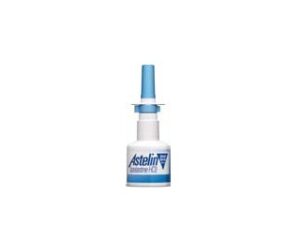
Azelastine (Azelastine hydrochloride) – Patient-Friendly Guide (Australia)
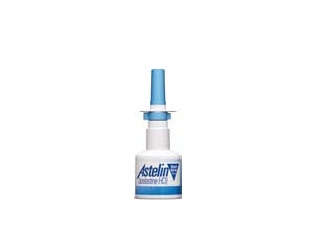
Azelastine is an anti-allergy medicine used to relieve symptoms such as sneezing, itching, and a runny or blocked nose caused by allergic conditions. It is available in Australia as an intranasal spray (nasal spray) and may also be found in other formulations such as eye drops depending on brand and availability. This guide focuses on azelastine as used for allergic rhinitis and related symptoms.
Key product information
| Category | Details |
|---|---|
| Medicine name | Azelastine (often as azelastine hydrochloride) |
| Common form(s) | Intranasal spray; eye drops may also be available |
| How it works | Antihistamine with anti-inflammatory activity |
| Typical symptoms targeted | Runny nose, sneezing, nasal itching, congestion (blocked nose) |
| When it starts helping | Often within minutes for some symptoms; best results with regular use |
| How to take | Spray into each nostril as directed for your product |
| Australian market context | Brands and availability depend on the specific formulation (nasal spray vs eye drops) and scheduling under Australian regulations |
How azelastine works (mechanism of action)
Azelastine belongs to the group of medicines called H1 antihistamines. Histamine is a natural chemical released by the body during allergic reactions. It contributes to symptoms such as sneezing, itching, runny nose, and swelling of nasal tissues.
In addition to blocking H1 receptors, azelastine also has anti-inflammatory effects. This helps reduce swelling and irritation in the nasal lining, which can improve both:
- Early-phase allergic symptoms (e.g., sneezing, runny nose)
- Later inflammation that can lead to ongoing congestion
Pharmacokinetics (how the body handles it)
Pharmacokinetics describes how the body absorbs, distributes, metabolises, and eliminates a medicine. For intranasal azelastine, much of the effect is local in the nose, with smaller amounts reaching the bloodstream. Exact levels can vary by product formulation, technique, and individual factors.
- Absorption: After intranasal use, azelastine may be absorbed through the nasal mucosa. Some swallowed portion may also contribute to absorption through the gut.
- Distribution: The medicine can circulate systemically to a limited extent.
- Metabolism: Azelastine is metabolised in the body, including via liver pathways.
- Elimination: The medicine and its metabolites are removed mainly through the kidneys and other routes.
Because the dosing is designed for local symptom control in the nasal passages, most people experience relief without needing high systemic exposure. If you have liver or kidney conditions, it is especially important to follow product directions and seek appropriate medical advice.
What azelastine is used for (indications)
Azelastine is used to treat symptoms associated with allergic conditions, most commonly:
- Allergic rhinitis (hay fever), including seasonal allergies
- Perennial allergic rhinitis (ongoing exposure to allergens such as dust mites)
- Symptoms such as sneezing, runny nose, nasal itching, and congestion
Depending on the formulation available, azelastine may also be used for allergic eye symptoms such as itching and watering. If you are unsure which product you have, check the label and packaging.
Typical use and timing
Azelastine intranasal spray is typically used as needed or regularly during allergy seasons. Many people get faster symptom improvement when they start using it early—before symptoms become severe.
When should you start?
- Seasonal allergies: Start when pollen levels begin rising, or as soon as symptoms start.
- Year-round symptoms: Use during times when symptoms flare (or regularly if advised).
How quickly does it work?
Many people notice relief within minutes for certain symptoms such as sneezing and runny nose. For congestion, improvement may build with consistent use.
How often to use
The exact schedule depends on the product strength and your age group. Always follow the dosage directions on the pack. If you have been advised by a healthcare professional, follow that advice.
Dosing – general guidance for common intranasal products
Dosing can vary by brand and formulation. Below is general information often used for azelastine nasal sprays. Check your specific product label for the correct dose and frequency.
- Adults and adolescents: Commonly, one spray into each nostril twice daily (morning and evening) is used in many azelastine nasal spray regimens.
- Children: Dosing depends on age and product strength. Many products have age-specific directions—always use the dosing for your child’s age group.
If symptoms are well controlled, some people may use the lowest effective frequency. Do not increase above the recommended dose.
How to use azelastine nasal spray (practical tips)
Good technique can improve effectiveness and reduce unwanted taste or dripping.
Step-by-step
- Gently blow your nose to clear mucus (if needed).
- Shake the bottle if the label instructs you to do so.
- Remove the cap and check the nozzle is clean.
- Prime the spray if the product is new or has not been used for a while (follow the instructions in your leaflet).
- Lean slightly forward (not back).
- Place the nozzle into one nostril. Aim slightly outward (toward the ear), not toward the centre of the nose.
- Spray while breathing in gently, then breathe out through your mouth.
- Repeat in the other nostril if directed.
- Wipe the nozzle and replace the cap.
Common tips and troubleshooting
- Unpleasant taste: This can happen if some medicine drains to the throat. Try aiming slightly outward and keep your head not tilted back.
- Blocked nose: If the nose is very congested, gentle saline rinsing before azelastine may help you spray more effectively.
- Frequent use: Use consistently as directed during the allergy period for best control.
Food interactions
For intranasal azelastine, food interactions are not typically a major concern because the medicine is delivered locally in the nose. However, some swallowed medicine can occur. In general, azelastine can be used with or without food.
- With meals: Usually no special timing is required.
- GI effects: If you notice nausea or taste changes, taking care with spray technique and staying hydrated can help.
Alcohol and medicine interactions
Alcohol may worsen side effects such as drowsiness or dizziness in some people, even though intranasal administration typically results in relatively lower systemic exposure. It is safest to:
- Avoid heavy alcohol intake when starting azelastine or if you feel sleepy
- Be cautious with driving or operating machinery until you know how you respond
Other medicines can interact, especially those that affect the nervous system or increase sedation. It’s important to consider interactions with:
- Sedating antihistamines taken by mouth
- Sleeping tablets or strong sedatives
- Opioid pain medicines or other medicines that can depress the nervous system
- Some antidepressants and anxiety medicines (depending on your specific regimen)
If you take regular medications, keep an up-to-date list and ask a pharmacist about potential interactions for your specific products and doses.
Safety profile (side effects and when to seek help)
Most people tolerate azelastine well. Like all medicines, it can cause side effects. Side effects may be more common when you first start, but often lessen as your body adjusts.
Common side effects
- Bitter or unpleasant taste
- Nasal irritation, dryness, or burning sensation
- Sneezing
- Headache or mild dizziness in some people
Less common side effects
- Drowsiness (usually mild; varies by person)
- Nosebleeds or irritation (especially if you have fragile nasal tissue)
- Fatigue or general discomfort
Seek urgent medical help if you have
- Signs of an allergic reaction, such as swelling of the face/lips, difficulty breathing, or widespread rash
- Severe or persistent nosebleeds
- Severe dizziness, fainting, or confusion
Who should use extra caution?
- Children: dose and age limits are important—use age-appropriate instructions only.
- Pregnancy and breastfeeding: discuss with a healthcare professional, especially if symptoms are significant or you need long-term use.
- Older adults: sensitivity to sedating effects can vary—start carefully and monitor for dizziness.
- Liver impairment: follow professional advice if you have known liver disease.
Practical use tips for better results
- Use consistently during allergy season: Antihistamines work best when symptoms are actively controlled.
- Spray technique matters: Aim outward toward the ear, not toward the centre of the nose.
- Don’t stop too early: If you get good relief, continue as directed through the allergy period to reduce symptom rebound.
- Stay hydrated: This can reduce throat irritation from nasal drainage.
- Consider trigger reduction: Closing windows during high pollen days, showering after outdoor activity, and using dust-mite covers can reduce exposure.
Alternative options (depending on your symptoms)
If azelastine is not suitable or not providing sufficient control, other treatments may be considered. The best option depends on symptom severity, frequency, and your medical history.
Common alternatives
- Intranasal corticosteroids (often first-line for moderate-to-severe allergic rhinitis): useful for ongoing control of inflammation.
- Oral antihistamines (e.g., non-sedating options): can relieve sneezing and itching, but may be less effective for nasal congestion in some people.
- Other intranasal antihistamines: similar goals but different formulations.
- Saline rinses or sprays: help clear allergens and mucus, and can be used alongside other therapies.
- Allergy immunotherapy (for selected patients): may reduce long-term sensitivity when appropriate.
If you have persistent symptoms, frequent infections, or suspected non-allergic rhinitis (e.g., triggered by irritants, cold air, smoke), a pharmacist or GP can help tailor an approach.
Australian market and legal context (what to expect)
In Australia, medicines are regulated under the Therapeutic Goods Administration (TGA). Access to azelastine products can vary depending on whether a specific formulation is listed as an over-the-counter product or is supplied via pharmacy/pharmacist facilitation. Availability can also vary by brand and whether it is a nasal spray versus eye drops.
When purchasing from an online pharmacy, always ensure:
- You select the correct strength and formulation for your needs.
- The product is within its expiry date.
- You follow the instructions on the carton and consumer medicine information provided with the product.
Recent guidance and best-practice notes (general)
Allergy management guidance in Australia generally emphasises:
- Personalised treatment: matching therapy to the pattern and severity of symptoms.
- Early initiation during flare periods for faster symptom control.
- Ongoing review: if symptoms remain uncontrolled after consistent use, stepping up therapy (for example adding or switching classes) may be considered.
- Correct technique: effective intranasal therapy depends on correct spray method and consistent dosing.
If you’re using azelastine long-term, it’s still wise to periodically reassess whether the current approach is meeting your needs and whether triggers are being managed.
Delivery and availability (online pharmacy)
Azelastine products are commonly supplied through community and online pharmacies in Australia, depending on the specific brand and formulation. Delivery availability depends on your location and the pharmacy’s shipping coverage.
- Availability: Stock can vary seasonally, especially during peak allergy periods.
- Delivery times: Typical delivery timeframes vary by metro vs regional areas and courier schedules.
- Packaging: Medicines are usually shipped in protective packaging with labels intact for safety and traceability.
If you need a product strength or formulation that is temporarily out of stock, you can contact customer support to ask about expected restock dates or suitable alternatives.
FAQ – Frequently asked questions about azelastine
1) Can I use azelastine every day?
It depends on your product instructions and the pattern of your symptoms. Many people use intranasal antihistamines for seasonal or year-round allergic rhinitis as directed. Follow the dosing on the label and review your plan with a pharmacist or doctor if symptoms persist.
2) Will azelastine make me drowsy?
Some people experience mild drowsiness or dizziness, but many do not. The risk may be higher when combined with alcohol or other sedating medicines. Avoid driving or operating machinery if you feel sleepy.
3) How do I reduce the bitter taste after spraying?
Try keeping your head slightly forward (not back), aim the nozzle outward, and use gentle inhalation while spraying. Wiping the nozzle and replacing the cap can also help maintain proper spray function.
4) Can I take azelastine with other allergy medicines?
Sometimes azelastine is used alongside other allergy treatments, such as saline rinses or intranasal corticosteroids. However, combining with other antihistamines (especially sedating oral products) may increase side effects. Ask a pharmacist to check what’s suitable for your specific products.
5) Is azelastine safe for children?
Use only age-appropriate formulations and follow dosing instructions on the product label. Children may be more sensitive to side effects like sleepiness, so supervision and correct dosing are important.
6) What should I do if I miss a dose?
Take it when you remember unless it’s nearly time for your next dose. Do not double up. If you’re unsure, refer to the consumer medicine information or ask a pharmacist.
7) How long will it take to control my symptoms?
Some symptoms may improve quickly (within minutes for certain features like sneezing or runny nose), while congestion may take more consistent dosing. If there is little improvement after several days of correct use, discuss alternatives or add-on therapy.
8) Can I use azelastine if I have a cold?
Azelastine is designed for allergic symptoms. If symptoms are due to a viral cold rather than allergy, benefits may be limited. If you have fever, severe facial pain, or symptoms worsen, seek medical advice.
9) Does azelastine treat the cause of allergy?
Azelastine helps control symptoms and reduces inflammatory responses, but it does not cure allergies. Reducing exposure to triggers and considering long-term options (such as immunotherapy for selected cases) may help address the underlying problem.
10) When should I stop using azelastine and get help?
Stop and seek medical advice if you experience signs of a serious allergic reaction, severe nosebleeds, or troubling side effects. Mild irritation often improves, but persistent or severe symptoms should be assessed.
Summary
Azelastine is a widely used anti-allergy medicine that helps relieve nasal allergy symptoms by blocking histamine and reducing inflammation. When used correctly—especially with good nasal spray technique—it can provide effective, fast symptom relief for allergic rhinitis. If symptoms are not well controlled or you need long-term management, speak with a pharmacist or healthcare professional to review your options.