
Prelone (Prednisolone) – Patient Information (Australia)
Prelone is a brand of prednisolone, a corticosteroid medicine used to reduce inflammation and calm an overactive immune response. It is commonly prescribed in Australia for a range of inflammatory and allergic conditions. This guide explains how Prelone works, what to expect, important safety considerations, and practical tips for use.
Important: The information below is for education only. Always follow the directions given by your prescriber and the instructions on your medicine label.
Basic product information
- Medicine name: Prelone
- Active ingredient: Prednisolone
- Medicine type: Corticosteroid (glucocorticoid)
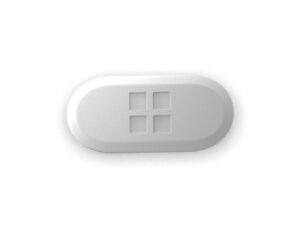
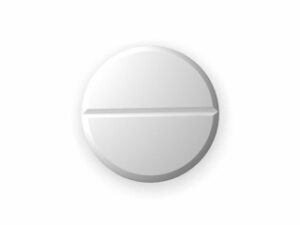
- Common formulations: Tablets or oral liquid (availability may vary by supplier)
- Therapeutic use: Anti-inflammatory and immunosuppressive
- Classification in Australia: Usually classified as prescription-only medicines in line with Australian medicines scheduling; dispensing and supply depend on regulatory requirements and local availability.
How Prelone works (mechanism of action)
Prednisolone is a synthetic corticosteroid. It helps control inflammation by influencing how certain immune and inflammatory pathways work in the body.
- Reduces inflammatory chemicals: Prednisolone decreases the production and release of substances that drive swelling, redness, pain, and irritation.
- Modulates immune responses: It suppresses or dampens immune activity that may be causing tissue damage or symptoms.
- Stabilises cells: It can stabilise cell membranes and reduce the likelihood of inflammatory cells migrating to affected tissues.
- Helps control allergy-type symptoms: By lowering inflammatory signalling, it may relieve symptoms in certain allergic conditions.
What this means for you: You may notice improvement within hours to a couple of days, but full benefits can take longer depending on the condition being treated.
Pharmacokinetics (how the body handles prednisolone)
Pharmacokinetics describes how a medicine is absorbed, distributed, metabolised, and eliminated.
- Absorption: Prednisolone is absorbed from the gastrointestinal tract after oral dosing. Absorption may be influenced by food, but the effect is usually not clinically significant for most people.
- Distribution: It distributes into body tissues. Prednisolone binds partially to plasma proteins (primarily corticosteroid-binding globulin and albumin).
- Metabolism: Prednisolone is metabolised mainly in the liver.
- Elimination: Metabolites are excreted primarily in urine.
- Half-life (general concept): Prednisolone’s effective duration varies by person and dose, and it depends on the condition and dosing schedule. Clinicians typically account for this by tailoring the dosing regimen.
Tip: If you miss a dose, do not double up unless advised by your prescriber. See the FAQ for what to do if you miss a dose.
Typical uses and indications
Prelone (prednisolone) may be used for a variety of inflammatory and immune-related conditions. Indications can vary by age group and clinical context.
Common indications include
- Severe allergic reactions (sometimes as part of a treatment plan)
- Asthma exacerbations and other inflammatory airway conditions
- Autoimmune and inflammatory disorders (examples may include certain skin, joint, and bowel inflammatory conditions, depending on clinical judgement)
- Inflammatory conditions affecting specific organs where corticosteroids are appropriate
- Certain haematological disorders (under specialist guidance)
Note: Your healthcare professional will decide whether prednisolone is suitable for your specific condition, based on benefits versus risks.
When and how to take Prelone (timing & dosing overview)
Timing: often taken in the morning
Many prescribers prefer giving prednisolone in the morning (for example, with breakfast) because it aligns with the body’s natural cortisol rhythm and may help reduce some side effects such as sleep disturbance.
Follow your label: Dosing frequency and duration vary widely. Some regimens are once daily; others may be split dosing or tapered schedules.
Dosing principles (general guidance)
- Start low / adjust as needed: Dose is tailored to the condition, severity, and patient factors.
- Tapering is important: If you take prednisolone for more than a short course, your prescriber may reduce the dose gradually rather than stopping suddenly.
- Do not stop abruptly: Sudden discontinuation after prolonged use may be unsafe.
Example dosing schedules (for understanding, not to self-adjust)
Prednisolone dosing varies by condition and patient. Below are general patterns that clinicians commonly use:
- Short course (acute flare): Often once daily for several days, then reassessed.
- Longer course (chronic inflammation): May start higher and then taper gradually.
- Intermittent regimens: Sometimes used where symptoms recur, under medical guidance.
If you are unsure: Check your label or speak with a pharmacist. Avoid changing the dose without advice.
Food interactions and taking with meals
Food can affect stomach comfort and may reduce the risk of indigestion with corticosteroids.
With or without food?
- Taking with food may help reduce stomach irritation.
- If your dose upsets your stomach, your pharmacist or prescriber may advise taking it after food.
Gastric protection (when needed)
Depending on your risk factors (such as history of ulcers or use of other medicines that irritate the stomach), your clinician may consider additional gastro-protective measures.
Note: Prednisolone can increase blood sugar levels. If you have diabetes or pre-diabetes, monitor your glucose more closely when starting or changing dose.
Alcohol interactions
There is no single universal rule that prohibits alcohol with prednisolone, but caution is advised.
- Stomach irritation risk: Alcohol may worsen irritation or increase reflux symptoms.
- Blood sugar effects: Alcohol can affect glucose control and may complicate diabetes management.
- Sleep and mood: Prednisolone can affect sleep. Alcohol may further disrupt sleep and wellbeing.
Practical approach: If you choose to drink alcohol, consider limiting intake and avoid drinking on an empty stomach. If you experience heartburn, stomach pain, mood changes, or unusual agitation, discuss with your pharmacist or doctor.
Medicine interactions (common and important)
Prednisolone can interact with other medicines, mainly through effects on liver enzyme activity, changes in immune function, and additive effects on blood sugar, stomach irritation, or electrolyte balance.
Tell your healthcare professional about all medicines you use, including:
- Prescription and non-prescription medicines
- Vitamins and supplements
- Herbal products
Examples of medicines that may interact with prednisolone
- NSAIDs (e.g., ibuprofen, naproxen): may increase stomach irritation/ulcer risk when used together.
- Blood thinners (e.g., warfarin): steroid effects can affect clotting control; monitoring may be required.
- Diabetes medicines (e.g., insulin, metformin and others): prednisolone may raise blood sugar, requiring adjustments.
- Diuretics (e.g., furosemide): together may affect potassium levels.
- Antifungals or anti-tuberculosis medicines: metabolism may change, affecting steroid levels.
- Vaccines: live vaccines may be less appropriate when on higher or prolonged steroid doses.
- Some antiviral medicines: may influence steroid metabolism.
Clinical reminder: Interaction risk depends on dose and duration. Always check with a pharmacist if you are starting or stopping any medicine.
Safety profile and precautions
Like all medicines, prednisolone has potential side effects. Many people experience mild, temporary effects—especially with short courses. Higher doses and longer durations increase the likelihood of side effects.
Common short-term side effects
- Increased appetite
- Indigestion, heartburn or stomach discomfort
- Changes in mood (e.g., feeling more energetic, irritable, anxious)
- Difficulty sleeping (especially if taken late in the day)
- Raised blood sugar levels
- Fluid retention or increased swelling
Potential longer-term effects (especially with prolonged use)
- Weight gain
- Higher blood pressure
- Changes to skin (thinning, bruising)
- Muscle weakness
- Bone thinning (osteoporosis), particularly without prevention
- Increased infection risk
- Cataracts or eye pressure issues
- Suppression of natural cortisol production (why tapering matters)
- Growth effects in children with prolonged therapy
When to seek urgent medical help
Seek urgent medical advice if you develop:
- Signs of a serious infection (high fever, severe weakness, shortness of breath)
- Severe allergic reaction symptoms (swelling of face/lips, trouble breathing)
- Severe stomach pain, black/tarry stools, or vomiting blood
- Severe mood changes, confusion, or unusual behaviour
- Vision changes (eye pain, blurred vision)
Special precautions
- Infections: Prednisolone can mask symptoms of infection and reduce immune response.
- Diabetes or pre-diabetes: Monitor glucose closely.
- High blood pressure or heart failure: Fluid retention may worsen symptoms.
- History of peptic ulcers or gastrointestinal bleeding: Extra caution is needed.
- Glaucoma or cataracts: Long-term use increases risk.
- Bone health: Discuss calcium/vitamin D and bone protection if long-term therapy is expected.
- Children: Growth and developmental monitoring may be needed for prolonged courses.
- Pregnancy and breastfeeding: Prednisolone is sometimes used when benefits outweigh risks; discuss with your clinician.
Practical use tips (to get the best outcomes safely)
- Take at the same time each day, typically in the morning.
- Take with food if you experience stomach upset.
- Don’t stop suddenly if you’ve been taking it for more than a short course—ask about tapering.
- Monitor blood sugar if you have diabetes or symptoms such as increased thirst and frequent urination.
- Watch for infection signs and seek advice early.
- Support bone health if treatment is prolonged: discuss calcium, vitamin D, weight-bearing exercise, and whether a bone-protective strategy is needed.
- Keep track of your regimen: set reminders so you don’t miss doses or take them late.
- Maintain vaccination safety: check with your healthcare provider about vaccines—especially live vaccines.
Oral liquid handling (if using a liquid formulation)
- Use the measuring device provided (or a calibrated oral syringe).
- Shake the bottle if instructed on the label.
- Rinse the measuring device after each use.
Alternative options
Depending on the condition and severity, clinicians may choose other treatments instead of, or alongside, prednisolone. Alternatives may include:
- Other corticosteroids (different strengths or formulations, sometimes with different dosing schedules)
- Inhaled corticosteroids for asthma or airway inflammation (to reduce systemic exposure)
- Non-steroid anti-inflammatory or immunomodulating treatments (condition-dependent)
- Biologic therapies for specific immune-mediated diseases (specialist-led)
- Supportive treatments such as bronchodilators for asthma, antihistamines for allergies, or other targeted medicines
Important: The “best” alternative depends on your diagnosis, prior treatment response, and risk factors. Discuss options with your healthcare professional.
Market and legal context in Australia
In Australia, medicines are regulated under the Therapeutic Goods Administration (TGA) framework and administered through the scheduling system that determines access and supply requirements. Availability of specific brand names, strengths, and formulations can vary by supplier.
Prelone (prednisolone) is a widely used corticosteroid. Online pharmacy delivery in Australia generally follows strict compliance requirements for product authenticity, storage conditions, and dispensing processes.
Recent guidance (general): In recent years, Australian clinical guidance has continued to emphasise appropriate steroid use—right patient, right dose, right duration, and careful monitoring. This includes advice about vaccination timing, infection risk assessment, gastric protection considerations for higher-risk patients, and bone health planning for prolonged therapy.
Delivery and availability (online pharmacy)
Availability of Prelone (prednisolone) may depend on the formulation (tablets vs oral liquid), strength, and local stock. When ordering from an Australian online pharmacy, delivery typically includes:
- Product verification and dispensing processes according to Australian regulations
- Secure packaging to protect tablets/liquid from damage
- Temperature considerations if required by the product label (follow storage instructions)
- Delivery timeframes that depend on your state/region and shipping service selected at checkout
Storage at home: Keep Prelone as directed on the label, typically at controlled room temperature, away from moisture and heat. Keep out of reach of children.
FAQ
1) How quickly will Prelone start working?
Many people notice symptom improvement within hours to a couple of days. The time to improvement depends on the condition being treated and the dose.
2) Why do doctors often prescribe prednisolone in the morning?
Prednisolone can affect sleep and alertness. Morning dosing also better matches the body’s natural cortisol cycle, which may reduce some side effects.
3) Can I take Prelone with food?
Yes. Taking it with food can reduce stomach discomfort for many people. If your label or clinician advises otherwise, follow that instruction.
4) What if I miss a dose?
If you miss a dose and remember later the same day, take it when you remember unless it is close to the time for the next dose. If it is near the next scheduled dose, skip the missed dose and continue as usual. Do not double up unless your clinician or pharmacist has advised it.
5) Can I drink alcohol while using Prelone?
Moderation is recommended. Alcohol may increase stomach irritation and may complicate blood sugar and sleep. If you notice worsened heartburn, mood changes, or stomach pain, avoid alcohol and seek advice.
6) Are there vaccines I should avoid?
Vaccine suitability depends on your dose and how long you’re taking prednisolone. Live vaccines may be less appropriate during higher-dose or prolonged steroid treatment. Ask your healthcare provider or pharmacist for guidance.
7) Will I gain weight?
Some people experience increased appetite and weight gain, particularly with higher doses or longer courses. Planning meals and monitoring intake can help. If weight changes are significant, speak with your clinician.
8) Why shouldn’t I stop suddenly?
After more than a short course, prednisolone can suppress your body’s natural cortisol production. Stopping abruptly may lead to adrenal insufficiency. Tapering schedules help reduce this risk.
9) What side effects are most important to watch for?
Seek medical advice promptly for signs of infection, severe mood or behaviour changes, severe stomach pain or bleeding, eye symptoms, or any concerning symptoms that feel unusual for you.
10) Are there any “natural” products that interact with prednisolone?
Yes. Some herbal supplements and complementary products may affect liver enzymes or influence bleeding, blood sugar, or immune response. Tell your pharmacist about all supplements so interactions can be checked.
Summary
Prelone (prednisolone) is an effective corticosteroid used to treat inflammation and immune-related conditions. Its benefits can be significant, especially for flare-ups, but it also requires sensible use and monitoring—particularly for longer courses. Taking it at the right time, often in the morning, paying attention to food and stomach comfort, monitoring blood sugar if relevant, and following tapering advice can help improve safety and outcomes.