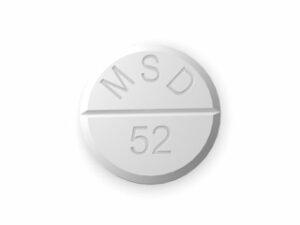


Orapred (Prednisolone) — Patient Guide (Australia)
Orapred is a brand of prednisolone, a corticosteroid medicine used to reduce inflammation and calm an overactive immune response. It is commonly prescribed for a wide range of conditions, including allergic reactions, inflammatory diseases, asthma flare-ups, and autoimmune disorders.
This guide is written to be patient-friendly and is designed to help you understand what Orapred does, how it works in the body, how it’s typically taken, and what to watch for. Always follow the instructions provided by your healthcare professional and read the product label carefully.
Quick Product Information
| Category | Details |
|---|---|
| Brand name | Orapred |
| Active ingredient | Prednisolone |
| Medicinal class | Systemic corticosteroid (glucocorticoid) |
| Common forms | Oral tablets and/or oral liquid (form depends on product availability) |
| Typical onset | Often improves symptoms within hours to a few days, depending on the condition |
| Why it’s used | To reduce inflammation and suppress immune overactivity |
How Orapred Works (Mechanism of Action)
Prednisolone is a synthetic corticosteroid. It works by affecting gene activity and reducing the production of inflammatory substances in the body. In practical terms, it can:
- Reduce inflammation by lowering signalling molecules involved in swelling and redness.
- Suppress immune activity, helping to control immune-driven inflammation (e.g., in autoimmune conditions).
- Stabilise immune cell behaviour, which can reduce tissue damage during flare-ups.
- Alleviate allergic symptoms by reducing inflammatory pathways triggered by allergens.
Because prednisolone works broadly on inflammation and immunity, it may help quickly, but it can also cause side effects—so dosing and duration are important.
Pharmacokinetics (What the Body Does With It)
Pharmacokinetics describes how a medicine is absorbed, distributed, metabolised, and eliminated.
- Absorption: Prednisolone is taken by mouth and is generally well absorbed from the gastrointestinal tract.
- Distribution: It circulates in the bloodstream and binds to plasma proteins. It can cross into tissues where it exerts effects.
- Metabolism: Prednisolone is metabolised primarily in the liver.
- Excretion: Metabolites are eliminated mainly via the kidneys (urine).
- Half-life: The duration of effect can vary by individual and regimen; higher doses or longer courses can influence how your body responds over time.
Even when symptoms improve, it’s important not to stop abruptly—longer or higher-dose courses can affect natural hormone production.
Typical Uses (Indications)
Orapred is used for a variety of inflammatory and immune-mediated conditions. Depending on your specific diagnosis and severity, your clinician may choose prednisolone for short-term flare control or longer-term management.
Common indications include:
- Allergic and inflammatory conditions (e.g., severe allergic reactions under medical management, asthma-related inflammatory flare-ups)
- Asthma exacerbations (as part of an asthma action plan)
- Autoimmune conditions (examples include some inflammatory joint conditions and other immune-mediated diseases)
- Skin disorders involving inflammation
- Inflammatory bowel conditions in selected cases
- Other steroid-responsive inflammatory conditions as determined by your healthcare professional
Not all conditions are treated with prednisolone, and it’s not a “one-size-fits-all” medicine. Your doctor will weigh the benefits against potential risks.
How to Take Orapred (Timing & Dosing Overview)
Important: Dose and schedule vary widely based on the condition, severity, and your response to treatment. Always follow your personal instructions. The information below explains common patterns.
Typical timing
- Morning dosing is often preferred: Many people take prednisolone early in the day (often in the morning) to better match the body’s natural cortisol rhythm and may reduce sleep-related side effects.
- Follow your schedule exactly: If multiple daily doses are prescribed, keep spacing consistent.
- Liquid dosing: Use the measuring device provided with the product or a pharmacy-measured spoon/syringe for accurate dosing.
Dosing principles (general guidance)
- Lowest effective dose: Clinicians aim for the smallest dose that achieves control.
- Shortest effective duration: The course length depends on the condition and response.
- Tapering may be required: If you’ve taken prednisolone for more than a short course, stopping may require a gradual reduction to allow the adrenal glands to recover.
Examples of dose categories
In practice, prednisolone regimens can range from low doses for chronic inflammatory control to higher doses for acute severe flare-ups. Your prescriber will specify the dose in milligrams (mg) and the frequency.
| Regimen Type | When it may be used | Common dosing pattern |
|---|---|---|
| Short course | Brief flare control of steroid-responsive inflammation | Often once daily in the morning or split dosing if required |
| Intermediate course | Conditions needing longer symptom control | Once or twice daily depending on severity; may include tapering |
| Longer course | Chronic inflammatory or autoimmune disease in selected cases | Low maintenance dose with planned tapering/adjustment |
Food Interactions & Stomach Comfort
Prednisolone can irritate the stomach for some people. Food may help reduce stomach discomfort.
Should you take it with food?
- With or after food may reduce the chance of stomach upset.
- If your healthcare professional has instructed you on a specific routine, follow that advice.
Grapefruit and some foods
- There are no universally required strict diet bans with prednisolone, but maintaining consistent eating habits is helpful.
- If you use other medicines (e.g., for infections or heart conditions), your pharmacist can advise whether specific dietary factors could matter.
Alcohol & Medicine Interactions
Alcohol
Alcohol can worsen side effects related to the stomach (heartburn, gastritis) and can increase the risk of complications in some circumstances. To be safe:
- Limit alcohol while taking prednisolone.
- Avoid heavy drinking, especially if you have a history of ulcers, indigestion, liver disease, or you’re taking other medicines that affect the stomach.
Medicine interactions (common examples)
Corticosteroids can interact with many medicines. Below are common interaction types; this is not a complete list.
- Anti-inflammatory medicines (NSAIDs) (e.g., ibuprofen, naproxen): combined use can increase stomach irritation and bleeding risk.
- Blood thinners (e.g., warfarin): effects on clotting control may change; monitoring may be needed.
- Diabetes medicines (insulin, metformin and others): prednisolone can raise blood glucose, sometimes requiring adjustment.
- Vaccines: some vaccines may be less effective, and live vaccines require special caution when using immune-suppressing doses.
- Antifungals and certain antibiotics: some medicines can affect steroid metabolism, potentially changing steroid levels.
- Diuretics (e.g., “water tablets”) and medicines affecting potassium: steroids can increase potassium loss in some cases.
- Anti-epileptics (some) and other liver enzyme inducers: may reduce steroid effect.
Always tell your pharmacist and healthcare provider about all medicines you take, including non-prescription products, herbal supplements, and vitamins.
Safety Profile: What to Expect & When to Get Help
Like all medicines, Orapred can cause side effects. Many side effects depend on the dose and how long you take it.
Common side effects
- Increased appetite and weight gain
- Stomach upset, heartburn, nausea
- Sleep disturbance or feeling “wired” (more likely with morning/late dosing and higher doses)
- Mood changes (irritability, anxiety, mood swings)
- Fluid retention or mild swelling
- Raised blood sugar (especially if you have diabetes or pre-diabetes)
Less common but important risks
- Infection risk: Immune suppression can make infections more likely or more severe.
- Blood pressure increase (fluid and salt effects in some people)
- Bone effects: longer-term use can weaken bones (osteoporosis risk)
- Eye effects: increased risk of cataracts or glaucoma with long-term use
- Muscle weakness with prolonged high doses
- Skin changes: thinning skin, stretch marks
Seek urgent medical care if you notice
- Signs of serious infection (fever, chills, severe sore throat, shortness of breath)
- Severe stomach pain, vomiting blood, black/tarry stools
- Severe mood or behaviour changes (especially confusion, hallucinations, or agitation)
- Vision changes (painful red eye, sudden blurred vision)
- Signs of allergic reaction (swelling of face/lips, difficulty breathing, widespread rash)
Practical Use Tips (How to Take It Safely)
- Take at the planned time: Morning dosing is often recommended unless your clinician instructs otherwise.
- Consider food: Taking with or after food may reduce stomach irritation.
- Don’t stop suddenly: If you’ve been on prednisolone for more than a short course, stopping may require tapering.
- Track your symptoms: Note improvements and side effects to help your clinician adjust your plan.
- Stay infection-aware: Seek advice early if you develop infection symptoms.
- Bone and heart health: If you’re on long-term therapy, ask about calcium/vitamin D, bone protection strategies, and monitoring.
- Blood sugar monitoring: If you have diabetes, monitor glucose more closely and discuss adjustments with your healthcare team.
Recent Guidance and Important Considerations in Australia
In Australia, corticosteroid use is widely guided by evidence-based clinical practice and safety monitoring principles. While your individual plan depends on your diagnosis, current clinical approaches generally emphasise:
- Using the lowest effective dose for the shortest practical duration.
- Planned tapering when appropriate to reduce withdrawal and adrenal suppression risk.
- Monitoring for steroid-related side effects, especially with longer courses (e.g., glucose, blood pressure, infection risk, and bone health).
- Patient education about infection signs, stomach protection needs, and when to seek urgent care.
If you are using prednisolone for a condition such as asthma, inflammatory bowel disease, or autoimmune disorders, your treating team may follow specific specialty guidelines. Always ask your pharmacist or prescriber what monitoring you should do for your situation.
Alternative Options
There may be alternatives depending on the condition you’re treating. Alternatives can include:
- Other corticosteroids: different steroid medicines or formulations (e.g., inhaled steroids for asthma instead of systemic steroid, or other oral corticosteroids).
- Non-steroidal anti-inflammatory medicines: selected conditions may be managed with other anti-inflammatories or immunosuppressants.
- Targeted therapies: for certain autoimmune and inflammatory conditions, specialist treatments may be available that aim at specific immune pathways.
- Topical treatments: for some skin conditions, topical steroid preparations may reduce systemic exposure.
Only your healthcare professional can determine what is appropriate for you. If you’re considering an alternative, discuss the benefits and risks—including differences in side effects and monitoring requirements.
Market & Legal Context for Australia
In Australia, medicines are supplied through licensed channels and are regulated under national medicines and pharmacy frameworks. Medicines containing prednisolone are prescription and dispensing requirements can vary depending on formulation and local regulations, as well as your clinical situation.
Online pharmacy services in Australia typically require appropriate checks to ensure safe supply. These may include medication history review, suitability screening, and instructions for safe use.
Always ensure: you receive the correct product strength and formulation, and you follow the dosing instructions exactly.
Delivery and Availability
Availability of Orapred can vary by formulation and strength. Online pharmacies may offer ordering with delivery across Australia, subject to stock levels and regulatory requirements.
Delivery considerations:
- Timing: Delivery speed depends on your location and dispatch times.
- Packaging: Medications are typically dispatched in protective packaging to ensure safe transit.
- Storage: Store as directed on the pack (generally at controlled room temperature; avoid excessive heat and moisture).
If you need a specific strength or liquid/tablet form, it’s helpful to check with the pharmacy before placing an order.
FAQ — Orapred (Prednisolone)
1) What is Orapred used for?
Orapred (prednisolone) is used to treat many inflammatory and immune-related conditions, such as asthma flare-ups, certain allergic or inflammatory conditions, and some autoimmune diseases. Your exact use depends on your diagnosis.
2) How quickly will I feel better?
Some people notice symptom improvement within hours to a couple of days, especially during acute inflammation. Others may take longer. If you don’t see any improvement or your symptoms worsen, contact your healthcare provider.
3) Should I take it in the morning?
Often, yes—many regimens are designed for morning dosing to align with your body’s natural hormone rhythm and may reduce sleep disturbances. Follow your personal instructions.
4) Can I take Orapred with food?
Yes. Taking it with or after food may reduce stomach upset. If your clinician has given you specific instructions, follow them.
5) What happens if I miss a dose?
If you miss a dose, take it when you remember unless it’s close to the time for your next dose. Do not double up unless advised by your pharmacist or prescriber. If you’re unsure, ask a pharmacist for guidance.
6) Can I drink alcohol while on prednisolone?
It’s generally best to limit alcohol. Alcohol can increase the chance of stomach irritation and may worsen side effects. If you want to drink, ask your healthcare professional what’s safe for your dose and condition.
7) Are there serious side effects?
Most side effects are manageable, but serious problems can occur—especially with higher doses or longer courses. Seek urgent care for signs of serious infection, black/tarry stools or vomiting blood, severe mood changes, or vision problems.
8) Why shouldn’t I stop prednisolone suddenly?
With longer or higher-dose treatment, prednisolone can suppress your adrenal glands. Stopping suddenly can cause problems. Your healthcare professional may taper your dose to reduce risk.
9) Will prednisolone affect my blood sugar?
It can. Prednisolone may raise blood glucose levels. If you have diabetes or pre-diabetes, you may need extra monitoring and possible adjustments to your diabetes plan.
10) Is prednisolone safe for everyone?
Prednisolone isn’t suitable for every situation. Your clinician will consider your medical history, current medications, infection status, and other risks (such as ulcers, diabetes, glaucoma, or osteoporosis risk).
Need help choosing the right approach? If you have questions about how to take Orapred, how to manage side effects, or which interactions to consider, speak with a pharmacist. They can provide tailored advice based on your specific medicines and health conditions.