Allopurinol (Allopurinol Tablets) — Patient Information (Australia)
Allopurinol is a medicine used to lower uric acid levels in the body. It is commonly prescribed for people who have gout, or who develop high uric acid for other reasons (including certain kidney conditions and some chemotherapy-related situations). This guide is written to help you understand how allopurinol works, how to take it safely, and what to expect while using it.
| Key information | What it means for you |
|---|---|
| Medicinal ingredient | Allopurinol |
| What it does | Reduces production of uric acid (helps prevent gout flares and uric acid stones) |
| How it’s taken | Usually once daily; some people need split dosing |
| When it starts working | Uric acid levels may fall over days to weeks; gout flare prevention can take several months to fully stabilise |
| Common side effects | Rash, nausea, stomach upset, headache (seek help immediately for serious rash) |
| Special caution | Allergy/serious skin reactions, liver/kidney impairment, drug interactions (e.g., azathioprine/6-mercaptopurine) |
Basic product information
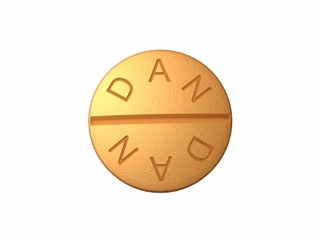
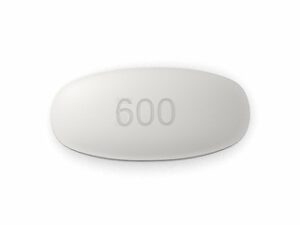
Allopurinol is available in tablet form. Strengths vary by brand and manufacturer. Your pharmacist or doctor can tell you the exact strength you have. It is usually taken by mouth.
In Australia, allopurinol is commonly stocked through community pharmacies and hospital supply services. Availability can vary by strength; if a specific dose is not in stock, the pharmacy may be able to order it or substitute based on local supply arrangements.
How allopurinol works (mechanism of action)
Uric acid is produced in the body when purines (substances found naturally in the body and in certain foods) break down. In many people with gout or other uric acid disorders, uric acid builds up and can form crystals in joints or urinary tract.
Allopurinol works by inhibiting an enzyme called xanthine oxidase. This enzyme helps convert substances involved in purine breakdown into uric acid. By reducing xanthine oxidase activity, allopurinol:
- decreases uric acid production
- helps reduce uric acid crystal formation
- gradually lowers uric acid to a target level that helps prevent flares
Pharmacokinetics (how the body processes the medicine)
Pharmacokinetics describes what happens after you take a dose—how fast it’s absorbed, how it’s broken down, and how it’s removed. Allopurinol is metabolised in the body to an active metabolite called oxypurinol.
- Absorption: Allopurinol is generally absorbed after oral dosing.
- Metabolism: It is converted to oxypurinol (a long-acting inhibitor of xanthine oxidase).
- Distribution: Active compounds distribute through body tissues.
- Elimination: Both allopurinol and oxypurinol are eliminated mainly via the kidneys.
- Half-life: Oxypurinol lasts longer, which supports once-daily dosing for many people.
Because elimination is strongly influenced by kidney function, dose adjustments may be needed for people with impaired kidney function.
Typical uses and indications
Allopurinol is used for conditions where reducing uric acid is beneficial. Common indications include:
- Gout — to lower uric acid and help prevent recurrent gout flares and complications
- Urate kidney stones (or prevention of recurrent stones due to uric acid)
- Conditions causing high uric acid (hyperuricaemia), including certain inherited disorders
- Certain cancer-related situations where high uric acid may occur due to rapid cell turnover (for example, some chemotherapy regimens—your healthcare team will advise)
- Other clinician-determined uric acid conditions depending on your health history and laboratory results
Timing: when to take allopurinol
Allopurinol is usually taken once daily with water. If your dose is higher, your prescriber may recommend divided dosing (e.g., twice daily) to improve tolerance.
- Consistency matters: Try to take it around the same time each day.
- If you miss a dose: Take it as soon as you remember on the same day. If it’s close to the next dose, skip the missed dose—do not double up.
- Starting low: Many people begin with a lower dose and increase gradually. This helps reduce the chance of early gout flares.
Important: Allopurinol is not an immediate “flare reliever.” If you already have a gout flare when starting, your clinician may use other treatments to control symptoms while uric acid levels adjust. Over time, regular allopurinol use can reduce the frequency of flares.
How long until it works?
Uric acid levels typically begin to fall within days, but it may take weeks to months to reach and maintain target uric acid levels. During the early phase—especially when treatment is first started or the dose is increased—some people experience temporary flare-ups.
If you have early flares, it doesn’t necessarily mean the medicine isn’t working. It may be part of the adjustment period. Talk to your pharmacist or doctor if flares occur or worsen.
Food interactions and diet tips
Allopurinol does not have a major “must avoid” food list for most people, but diet can strongly influence uric acid levels and gout risk.
General dietary guidance for gout and high uric acid
- Limit purine-rich foods such as organ meats (e.g., liver), certain processed meats, and some types of seafood.
- Reduce sugar-sweetened drinks, especially those containing fructose (soda and sweetened juices).
- Moderate alcohol (see alcohol section below).
- Hydration helps—enough fluids support kidney clearance of uric acid.
- Maintain a healthy weight if advised by your healthcare professional.
Taking allopurinol with food
Allopurinol can usually be taken with or without food. Taking it with food may help reduce stomach upset for some people. If you have nausea, try taking it after a meal and speak with your pharmacist if symptoms persist.
Alcohol interactions
Alcohol does not typically have the same “direct pharmacology” interaction as some medicines, but it can affect gout by increasing uric acid levels and triggering flares—particularly in susceptible individuals.
- Beer and spirits may increase gout flare risk.
- Moderate intake may be acceptable for some people, but if you have recurrent gout attacks, consider reducing or avoiding alcohol.
- During flare-ups: Alcohol can worsen symptoms; avoid if possible.
If you’re unsure what is safe for you, discuss your alcohol intake with a pharmacist or doctor—especially if you have kidney disease, liver problems, or frequent gout flares.
Medicine interactions (important)
Allopurinol can interact with other medicines, sometimes requiring dose adjustments or closer monitoring. Tell your pharmacist about all medicines you use, including prescription medicines, over-the-counter products, vitamins, and herbal supplements.
Examples of medicines that may interact
- Azathioprine and 6-mercaptopurine: Allopurinol can significantly increase levels of these medicines, which may require a dose reduction and careful monitoring.
- Warfarin: Some people may experience changes in bleeding risk; monitoring may be needed.
- Thiazide diuretics (e.g., hydrochlorothiazide) and certain other blood pressure medicines: These can affect uric acid levels and may influence gout control.
- Other uric acid–lowering or anti-gout medicines: Your plan may include a combination approach; ensure the intended schedule is clear.
- Some antibiotics (e.g., ampicillin/amoxicillin in some cases): Skin reactions may be more likely in some individuals.
Kidney function and dosing interactions
Because elimination relates to kidney function, medicines that affect the kidneys or hydration status may indirectly change how allopurinol is tolerated. Examples include dehydration (from vomiting/diarrhoea), certain diuretics, and medications with kidney effects.
If you become unwell with vomiting or diarrhoea, contact a healthcare professional for advice—particularly if you have kidney disease.
Dosing: how it’s usually prescribed
Dosing of allopurinol depends on the reason for use, your uric acid level, age, kidney function, and other medical conditions. Many people begin at a lower dose and increase gradually to reach the target level.
Common principles (patient-friendly overview):
- Start low: Helps reduce risk of early gout flares.
- Increase stepwise: Uric acid may be checked periodically to guide dose changes.
- Kidney impairment: Lower doses may be required and monitoring may be more frequent.
- Long-term management: Allopurinol is usually continued to maintain the benefit.
Your specific dose and schedule should be provided by your healthcare professional. If you need to confirm the dose on your tablet (for example, 100 mg, 200 mg, or another strength), check the label or ask your pharmacist.
Practical use tips
- Stay consistent: Taking it regularly is essential to keep uric acid levels stable.
- Know your early symptoms: If you notice new joint pain or flare symptoms after starting, contact your healthcare team for advice rather than stopping abruptly.
- Hydrate: Unless you’ve been told to restrict fluids, aim for adequate water intake.
- Keep lab appointments: Uric acid and kidney/liver function tests may be monitored.
- Use a pill organiser: Helpful for adherence, especially for once-daily dosing.
- Be cautious with new medicines: When you start antibiotics or other new drugs, confirm there are no relevant interactions.
Safety profile: what to watch for
Most people tolerate allopurinol well when started carefully and taken as directed. However, like all medicines, it can cause side effects in some individuals.
Common side effects
- Nausea or stomach discomfort
- Headache
- Diarrhoea or constipation
- Minor rash (may occur; the response depends on severity)
Serious skin reactions (seek urgent medical help)
Serious hypersensitivity reactions can occur with allopurinol, including severe skin rashes. If you develop a rash, especially with any of the following warning signs, seek urgent medical attention:
- fever
- blistering or peeling skin
- mouth ulcers or sores
- eye irritation
- swelling of the face or throat
- feeling very unwell
Other important risks
- Hypersensitivity reactions: Can include fever, rash, and organ involvement; require prompt assessment.
- Kidney or liver issues: Monitoring may be recommended, particularly in people with existing kidney/liver impairment.
- Blood count changes: Rarely, blood abnormalities may occur; reporting symptoms such as unusual bruising or persistent infections is important.
Who needs extra caution?
Extra care and closer monitoring may be needed if you have:
- kidney disease
- liver disease
- a history of drug allergy or prior serious reactions
- multiple medications increasing the risk of interactions
If you have previously experienced an adverse reaction to allopurinol, do not restart without medical advice.
When to seek help
Contact your doctor or seek urgent care if you experience:
- any signs of a serious allergic reaction (swelling, breathing difficulty)
- severe rash, blistering, or skin peeling
- persistent vomiting or inability to keep fluids down
- significant changes in urine output or severe flank pain
- signs of infection with fever and feeling unwell
Alternative options for high uric acid and gout
Treatment choice depends on your uric acid level, kidney function, flare history, and tolerability. Your healthcare professional may consider alternatives such as:
- Febuxostat: Another xanthine oxidase inhibitor used to lower uric acid. Suitable for some people when allopurinol is not tolerated.
- Uricosuric medicines (in selected cases): These increase uric acid excretion. Suitability depends on kidney function and stone history.
- Anti-inflammatory medicines for flares: When gout attacks occur, different medications may be used to relieve inflammation and pain. These do not replace uric acid–lowering therapy for long-term control.
- Non-drug strategies: Diet changes, weight management, and hydration support long-term control.
Don’t switch medicines without guidance. Changing or stopping uric acid–lowering therapy can increase the risk of flares and may affect long-term outcomes.
Market and legal context for Australia
In Australia, availability and prescribing requirements for allopurinol can vary by product presentation and local regulatory status. Many medicines used for gout require appropriate assessment of your medical history and blood/urine results. Always follow Australian healthcare guidance and only use medicines in line with advice from qualified health professionals.
Your pharmacy may provide counselling about safe use, including checking interactions with your other medicines and advising on monitoring.
Recent guidance and monitoring (overview)
Australian and international clinical practice commonly emphasises:
- Treating to a target uric acid level for long-term gout control.
- Starting low and increasing gradually to reduce early flares.
- Regular monitoring of uric acid and relevant safety blood tests.
- Prophylaxis during initiation in some patients to reduce early flare risk (your healthcare team will advise if needed).
- Risk assessment for hypersensitivity and careful selection/monitoring in people at higher risk.
Guidance may evolve. If you have questions about what monitoring or flare prevention plan is recommended for you, ask your pharmacist or doctor.
Delivery, availability and how online pharmacies typically help
Online pharmacies in Australia may provide:
- Home delivery to eligible postcodes (delivery times vary)
- Medication information to support safe use
- Support for stock availability (ordering or alternative strength options where appropriate)
Availability depends on brand/strength and local supply chains. If your dose requires a specific tablet strength, ask the pharmacy if it is commonly stocked or available by order.
When your medicine arrives, check:
- tablet strength matches what you were expecting
- packaging is intact and the expiry date is valid
- the dosing instructions on the label are clear
Frequently Asked Questions (FAQ)
1) Is allopurinol used to treat a gout attack immediately?
Allopurinol is primarily used for long-term control by lowering uric acid. It is generally not intended as an immediate treatment for an active flare. If you have an acute gout attack, other medications may be used to control pain and inflammation while uric acid levels adjust.
2) Why do my gout symptoms get worse when I start allopurinol?
During early treatment—especially after starting or increasing the dose—uric acid changes can temporarily trigger flares. This doesn’t necessarily mean the medicine isn’t working. Your healthcare professional may recommend flare prevention measures during the initiation phase.
3) What uric acid level should I aim for?
Targets depend on your clinical situation and are set by your healthcare professional. Many guidelines use a specific uric acid target to reduce crystal formation and long-term gout risk. Follow your plan and attend monitoring appointments so dose adjustments can be made appropriately.
4) Can I take allopurinol with food?
Yes. Allopurinol can generally be taken with or without food. If it upsets your stomach, taking it after a meal may help.
5) What should I do if I miss a dose?
If you remember soon after, take it. If it’s near the next dose, skip the missed dose. Do not take two doses at once. If you frequently miss doses, talk to your pharmacist about strategies to improve adherence.
6) Are there alcohol restrictions?
Alcohol can increase the risk of gout flares in many people. There isn’t always a strict “no alcohol” rule, but reducing or avoiding alcohol—especially during flare-ups—is often advised for gout control. Ask your pharmacist or doctor what level is appropriate for you.
7) Does allopurinol affect kidney stones?
Allopurinol can help reduce uric acid levels, which may prevent certain types of uric acid stones. If you’ve had stones, your healthcare team may also advise dietary changes and hydration strategies.
8) What are the warning signs of an allergic reaction?
Seek urgent help if you develop trouble breathing, swelling of the face/throat, or a serious rash. Serious skin reactions can occur and need immediate medical assessment.
9) Can I stop allopurinol once I feel better?
Many people continue allopurinol long-term to maintain uric acid control and prevent recurrence. Stopping suddenly can raise uric acid levels and increase the chance of future flares. Only stop or change your dose with medical advice.
10) What should I tell my pharmacist before taking allopurinol?
Provide a complete list of your medicines and supplements, and tell them about:
- kidney or liver problems
- past drug reactions
- current gout flare symptoms
- any planned chemotherapy or cancer treatments
- all alcohol use and any recent illnesses involving dehydration
Summary
Allopurinol helps lower uric acid by blocking xanthine oxidase. With consistent use, it can reduce the risk of gout flares and uric acid-related kidney problems over time. Start-up effects can include temporary flares, so gradual dose titration and appropriate monitoring are important. Be alert for serious rash or allergic symptoms and report them promptly. For the best outcome, take allopurinol regularly, stay hydrated, follow your monitoring plan, and discuss interactions with your other medicines.